
At a glance: March is an early-spring month in Turkey: generally mild for sightseeing, cooler at inland dawn, and occasionally rainy in Istanbul and along the coast. Expect the best fit for Istanbul, Cappadocia, Ephesus, and Pamukkale rather than a beach vacation. Pack layers, allow flexibility for weather-sensitive activities such as balloon flights, and enjoy thinner crowds than in April through October.
March suits travelers who want to see Turkey’s major landmarks without summer heat and peak-season congestion. The important decision is whether you are comfortable trading reliable beach weather and guaranteed balloon conditions for lower-pressure sightseeing, cooler temperatures, and more hotel choice. For most first-time cultural itineraries, it is a sensible trade.
What Matters Most
- Istanbul is often cool and showery in March, but its museums, mosques, markets, and indoor dining make it easy to enjoy in mixed weather.
- Cappadocia can have cold mornings, occasional snow, and wind-related balloon cancellations; schedule at least two mornings if a flight is a priority.
- The Aegean and Mediterranean are pleasant for ruins and old towns, though the sea is generally too cold for most swimmers.
- March is well suited to walking through Ephesus, Pamukkale, and Istanbul’s historic districts without intense heat.
- Tour prices, hotel rates, and domestic flight fares can vary by departure date and availability. Compare what is included rather than assuming every package covers the same flights, entries, or optional activities.
Turkey Weather in March by Region

Turkey covers several climate zones, so a March forecast for one region does not describe the whole country. Coastal cities begin to soften into spring first, while central Anatolia remains colder after sunset and before sunrise. Use the following as practical planning ranges rather than a promise of daily conditions.
| Region | Typical March feel | Best reasons to visit | What to plan for |
|---|---|---|---|
| Istanbul | About 46–59°F / 8–15°C; cool, changeable, and sometimes wet | Museums, mosques, food neighborhoods, Bosphorus views | Waterproof outer layer and comfortable shoes |
| Cappadocia | About 37–55°F / 3–13°C; chilly mornings and milder afternoons | Valleys, cave sites, sunrise views, balloon opportunities | Warm layers, gloves or hat for dawn, a balloon backup morning |
| Aegean coast | Roughly 50–64°F / 10–18°C; mild with possible showers | Ephesus, Selçuk, coastal walks, ancient cities | Layers and footwear for uneven archaeological paths |
| Antalya and Mediterranean coast | Often among the warmest major regions, with highs near 64°F / 18°C on mild days | Old-town walks, Roman sites, scenic drives | Cool evenings and limited beach-weather expectations |
Istanbul in March
Istanbul is enjoyable in March if you approach it as a city break rather than a sunshine holiday. A bright afternoon can feel pleasantly mild; the next morning may bring wind and rain. The advantage is flexibility. You can pair outdoor stops at the Hagia Sophia Grand Mosque, Blue Mosque, and Topkapi Palace Museum with covered markets, cafés, and museums when showers pass through.
A Bosphorus cruise remains worthwhile on a clear day, but open decks can be windy. Bring a scarf or light insulated layer even if the forecast looks mild. If your dates fall in late March, parks may show early tulip color, although the fuller citywide tulip displays are usually associated with April.
Cappadocia in March
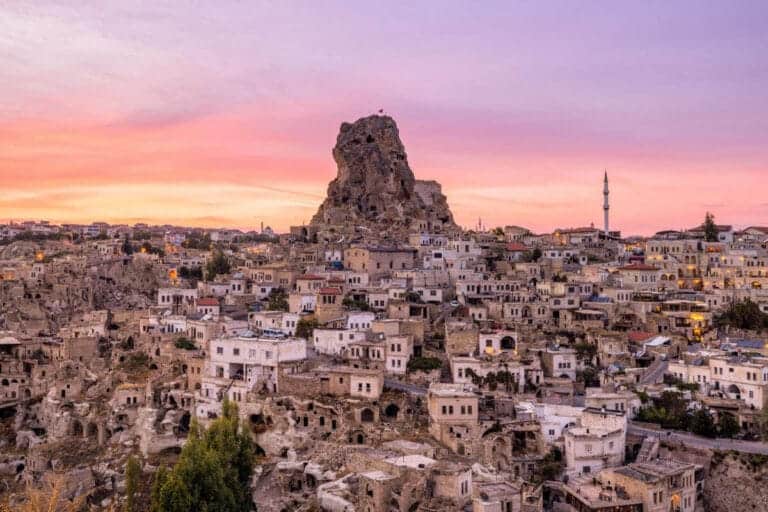
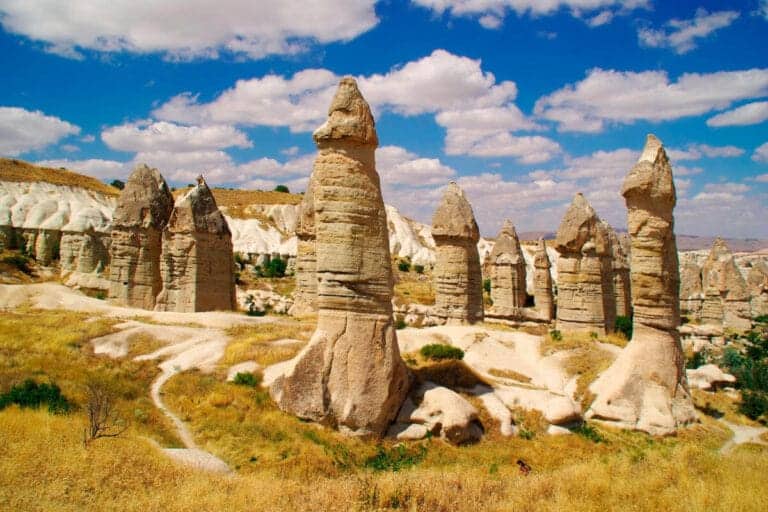
Cappadocia feels like winter giving way to spring. The valleys can look especially striking after a light snowfall, but dawn temperatures are often much colder than afternoon sightseeing temperatures. This is the region where packing poorly is most likely to affect your trip: a thin spring jacket may be enough at lunch but not for a sunrise viewpoint.
Hot air balloon flights operate when weather and aviation conditions allow, but March has a higher risk of wind or weather disruption than stable summer periods. No operator can guarantee a particular morning. Travelers who consider a balloon ride essential should book an itinerary with two or more Cappadocia mornings, avoid placing it on the final possible day of their vacation, and confirm the provider’s change, cancellation, and refund process before payment.
Practical planning tip: Treat the first available Cappadocia morning as your preferred balloon slot, not your only slot. If conditions are unsuitable, a second morning gives the local provider room to try again without reshaping the rest of your trip.
The Aegean, Pamukkale, and Antalya
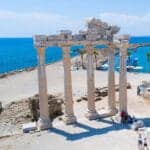
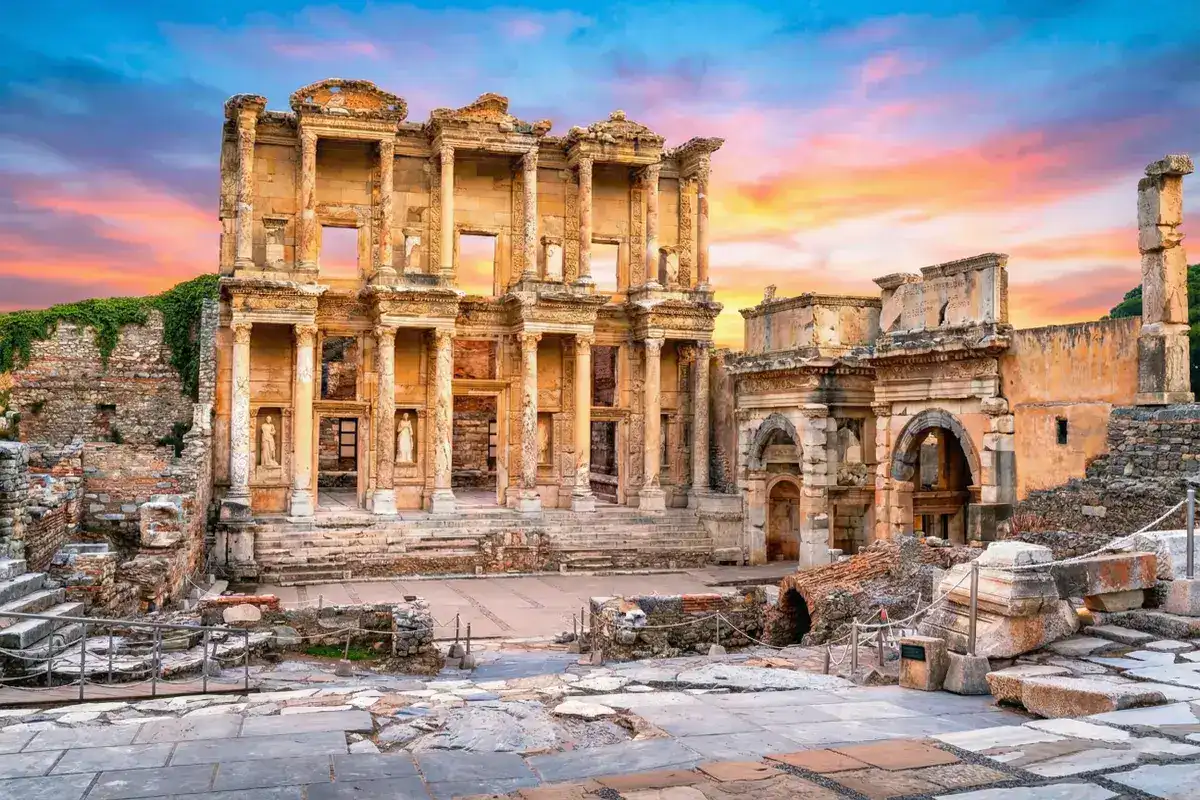
March is a particularly comfortable time for archaeological sightseeing. The open landscapes at Ephesus offer little shade in high summer, but cool March air makes the walk through the ancient city far easier. The same applies to the terraces at Pamukkale and the adjacent ruins of Hierapolis-Pamukkale.
In Antalya, March is better for the old town of Kaleiçi, Perge Ancient City, and Aspendos Theater than for swimming. Resorts and smaller seasonal businesses may operate on reduced schedules until later in spring, so travelers focused on beach facilities should generally consider late May or later.
Why March Can Be a Smart Time to Visit
The main value of March is not that every day is warm; it is that the travel experience can feel less rushed. Major sites are typically quieter than in high summer, and walking-heavy days are more manageable without strong midday heat. It is an especially good month for travelers who prioritize history, food, photography, and city exploration over pool time.
- More comfortable ruins visits: Ephesus, Pamukkale, and Cappadocia’s valleys are easier to explore when temperatures are moderate.
- Potentially better value: March is generally outside the busiest travel period, although airfare and hotel pricing still depend on exact dates, school holidays, and room category.
- More choice in planning: It can be easier to find appropriate hotel rooms and preferred tour dates than during peak summer travel.
- Local seasonal atmosphere: March 21 is Nowruz, observed in parts of Turkey with particular visibility in southeastern communities. Events vary by city and year.
Ramadan may also overlap with March, depending on the year, because its dates move earlier on the Gregorian calendar over time. Tourist sites, hotels, and many restaurants generally continue operating, but dining patterns can change in more conservative neighborhoods and evenings may become especially lively around iftar. Confirm the exact dates for your travel year and be respectful around active mosques and local communities.
For a broader comparison of seasonal conditions, see when to take your first Turkey trip and the practical advice in this complete Turkey travel guide.
How to Build a March Itinerary That Works

A successful March route has a little weather flexibility built into it. Rather than trying to cover every region in a few days, choose a logical sequence and leave enough time where weather matters most. Istanbul plus Cappadocia is the simplest first-trip combination; adding the Aegean makes sense if you have roughly a week or more and want ancient cities as well. An 8 day turkey tour fits that week-plus timeframe comfortably.
For a short trip: Istanbul and Cappadocia
This is the strongest choice for travelers with limited vacation time. Istanbul works well in mixed weather because many major sights are close together and indoor alternatives are plentiful. Cappadocia adds the dramatic landscape, valley walks, and underground sites such as the Cappadocia Underground City. Plan two Cappadocia mornings if possible, particularly when a balloon flight is high on your list.
For a classic first visit: Istanbul, Cappadocia, Ephesus, and Pamukkale
This route gives a balanced picture of Turkey: Ottoman and Byzantine-era Istanbul, central Anatolian landscapes, the ancient Aegean, and Pamukkale’s white terraces. It is a better March choice than trying to build a beach-centered circuit. Domestic air connections can save substantial travel time between distant regions, but itineraries vary: verify which flights, baggage allowance, airport transfers, and overnight arrangements are actually included.
For a slower culture-focused trip
Travelers with more time can add Ankara, Gallipoli, Troy, or the Mediterranean region rather than turning each day into a long transfer. The Anıtkabir in Ankara, the Gallipoli Peninsula, and the Ancient City of Troy are meaningful additions for travelers interested in modern and ancient history. They are less suitable for a rushed five-day plan.
If you are choosing between fixed departures and a flexible route, this comparison of group tours versus private tours in Turkey explains the practical differences in pace, flexibility, and budget.
March Costs: What Actually Affects Your Budget
March can offer good value, but “off-season” does not mean every element will be inexpensive. International airfare is shaped by your departure city and booking date. Domestic flights may rise around holidays or popular weekends. Cappadocia cave-style accommodations, balloon flights, and room upgrades can remain significant costs even when standard hotel rates are softer.
When comparing a package with independent bookings, look beyond the headline price. Check whether the quoted price includes accommodations, domestic flights, airport transfers, guided touring, entrance fees, breakfasts, and any optional experiences. A less expensive itinerary can become less convenient if it requires separate airport transfers or long overnight bus journeys. Our 7 day turkey tour packages bundle hotels, transfers, and guided sightseeing to keep comparisons simple.
For current verified starting-price context, the 15-Day Grand Turkey Tour starts from USD 2,849, while the 6-Day Best of Turkey Tour from Istanbul starts from USD 1,150. These are starting prices, not fixed quotes; final pricing can vary by departure date and selected arrangements. Travelers watching spending closely may also find useful ideas in Turkey on a Budget.
Common March planning mistakes
- Booking only one balloon morning: March weather can be variable, so a single opportunity creates unnecessary pressure.
- Packing only for daytime: Cappadocia dawns, ferry decks, and Istanbul evenings can feel much colder than the afternoon forecast.
- Expecting beach season: Coastal sightseeing is rewarding, but sea swimming and full resort operations are not the reason to choose March.
- Overloading the route: Turkey is large. Adding too many regions often means losing valuable time to transfers.
- Not checking tour inclusions: Domestic transport, entries, optional activities, and hotel categories should be clear before you compare packages.
Which March Trip Style Is Right for You?
Choose Istanbul and Cappadocia if time is limited
This is the best fit for a four- to six-day visit, couples, first-time visitors, and travelers who want a mix of major city sights and distinctive landscapes. Keep one unplanned Cappadocia morning for a potential balloon flight and do not schedule a tightly timed international departure immediately afterward.
Add Ephesus and Pamukkale if you want a fuller historical route
This route works well for travelers with about a week or more who are comfortable with domestic flights or longer intercity travel. March is excellent for archaeological sites, but it is important to check how the itinerary moves between regions. A route that looks comprehensive on a map can become tiring if transfers consume too many daylight hours.
Choose the coast only if sightseeing matters more than swimming
Antalya and the Aegean are appealing for ruins, cafés, and old-town walks. They are not the best March choice for travelers whose vacation depends on warm sea temperatures, beach clubs, or resort pools. For that priority, a later spring or summer date is more appropriate.
Before booking, verify these details
- The number of nights and mornings in Cappadocia, especially if you want a balloon flight.
- Whether domestic flights, transfers, guided visits, and entrance fees are included or extra.
- The luggage rules and timing for any included domestic flights.
- Hotel locations and category, particularly when limited mobility or easy evening access matters.
- Current cancellation and date-change terms for your selected booking and any separately arranged optional activity.
Choose your next step
Recommended Turkey tours
These verified options are the closest available matches for this article’s destination, route intent, and trip length.
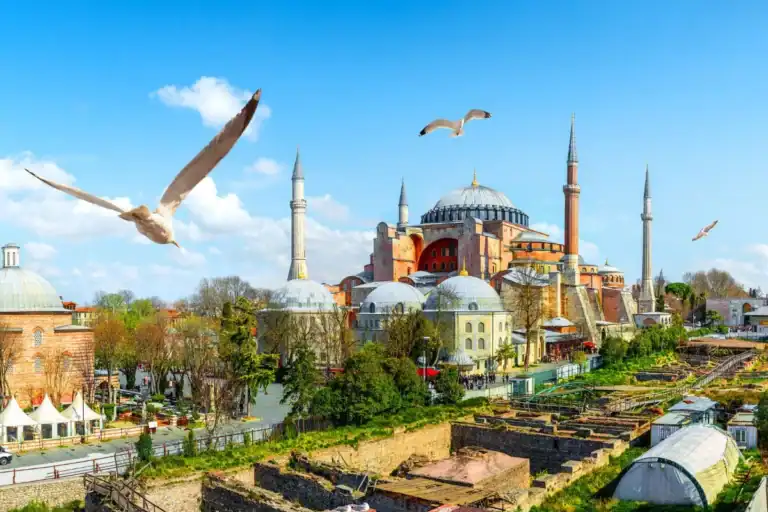
15-Day Grand Turkey Tour
A 15 days Cultural & Heritage Tour route covering Turkey.
View tour details →
6-Day Best of Turkey Tour from Istanbul
A 6 days Cultural & Heritage Tour route covering Turkey, Istanbul.
View tour details →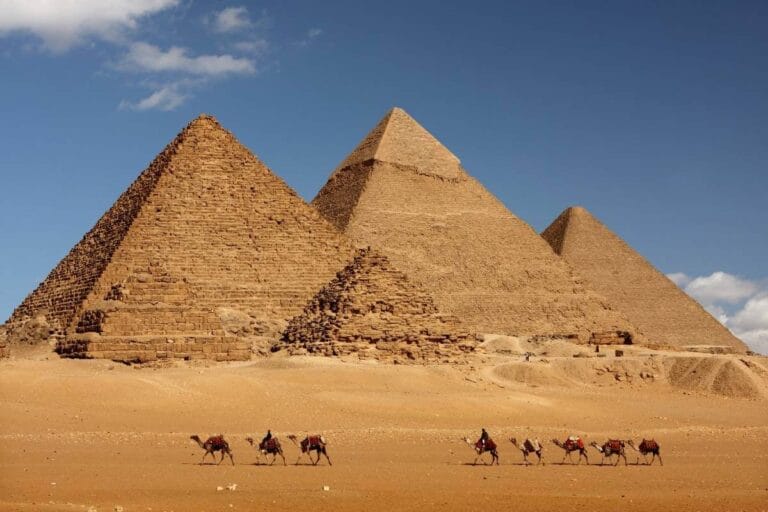
10-Day Turkey & Egypt Tour Package
A 10 days Cultural & Heritage Tour route covering Turkey, Egypt.
View tour details →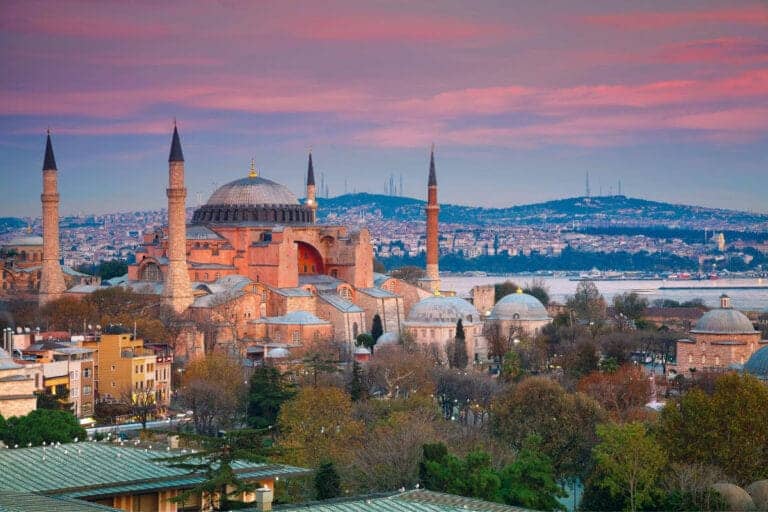
12-Day Wonders of Turkey and Jordan Tour
A 12 days route covering Turkey, Jordan.
View tour details →Common Questions About Turkey in March
Is March too cold for Turkey?
No. March is cool rather than severe in many popular destinations, and it is comfortable for sightseeing with the right clothing. Cappadocia has the coldest mornings among the main first-time visitor stops, while the Mediterranean coast is usually milder.
Do hot air balloons fly in Cappadocia in March?
They can fly throughout the year when weather and aviation conditions permit. Wind, precipitation, or poor conditions can lead to cancellations, so travelers should allow at least two mornings and confirm the provider’s terms before booking.
Can you swim in Turkey in March?
Most travelers will find the Aegean and Mediterranean too cold for comfortable swimming in March. The coast is still a good choice for historic sites and scenic walks, but not for a classic beach vacation.
What should I wear in Turkey in March?
Bring light layers, a warm mid-layer, a water-resistant jacket, sturdy walking shoes, and a scarf or hat for early Cappadocia mornings. Modest clothing is appropriate when visiting active mosques; carry a scarf if needed for head covering.
Are Turkey’s main attractions open in March?
Major sights such as Istanbul’s historic monuments, Cappadocia valleys, Ephesus, and Pamukkale are generally visited year-round. Hours and access can change for holidays, weather, restoration work, or local operational reasons, so reconfirm details close to travel.
Plan for Spring, Not Summer
March is a strong choice for travelers who want Turkey’s headline sights with cooler walking weather and a calmer pace. Build your route around Istanbul, Cappadocia, Ephesus, and Pamukkale; reserve beach expectations for a later date; and leave room for weather adjustments, particularly in Cappadocia. When you are ready to match your dates, preferred pace, and priorities to a practical route, share your plans through the Plan My Trip page.