
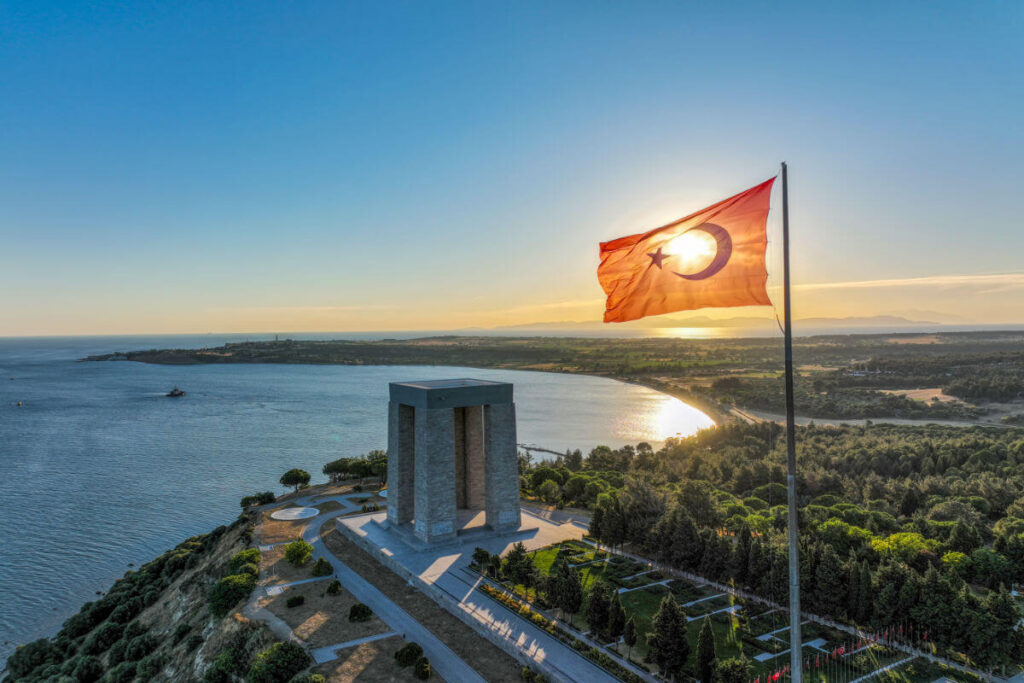
At Gallipoli, you can visit over a dozen significant World War I battlefields, cemeteries, and memorials spread across a stunning 33,000-hectare national park on Turkey’s Dardanelles coast. From the iconic Anzac Cove shoreline where Allied troops landed on April 25, 1915, to the haunting Lone Pine Memorial and the strategic heights of Chunuk Bair, the Gallipoli Peninsula offers one of the most emotionally powerful historical experiences anywhere in the world.
Few places carry the weight of history quite like Gallipoli. For Australians and New Zealanders, this narrow strip of land on the European side of the Dardanelles Strait is a place of national pilgrimage. For Turks, it’s the birthplace of a leader—Mustafa Kemal Atatürk—and the defining moment that forged a national identity. For anyone with an interest in 20th-century history, Gallipoli is simply unmissable.
Whether you’re planning a day trip from Istanbul or incorporating Gallipoli into a larger Turkey tour, this comprehensive guide covers every major site, practical logistics, and insider advice to help you make the most of your visit.
Why Is Gallipoli Important? A Brief Historical Overview
The Gallipoli Campaign (February 1915 – January 1916) was an Allied attempt to secure a sea route through the Dardanelles to Constantinople (modern-day Istanbul), knock the Ottoman Empire out of World War I, and open a supply line to Russia. The campaign was championed by Winston Churchill, then First Lord of the Admiralty, and it became one of the bloodiest and most consequential failures of the entire war.
Over the course of eight months, approximately 480,000 Allied soldiers—primarily from Australia, New Zealand, Britain, France, and India—faced roughly 315,000 Ottoman defenders. Combined casualties exceeded 470,000 men killed, wounded, or missing. The Allies eventually withdrew in December 1915 and January 1916 without achieving their objective.
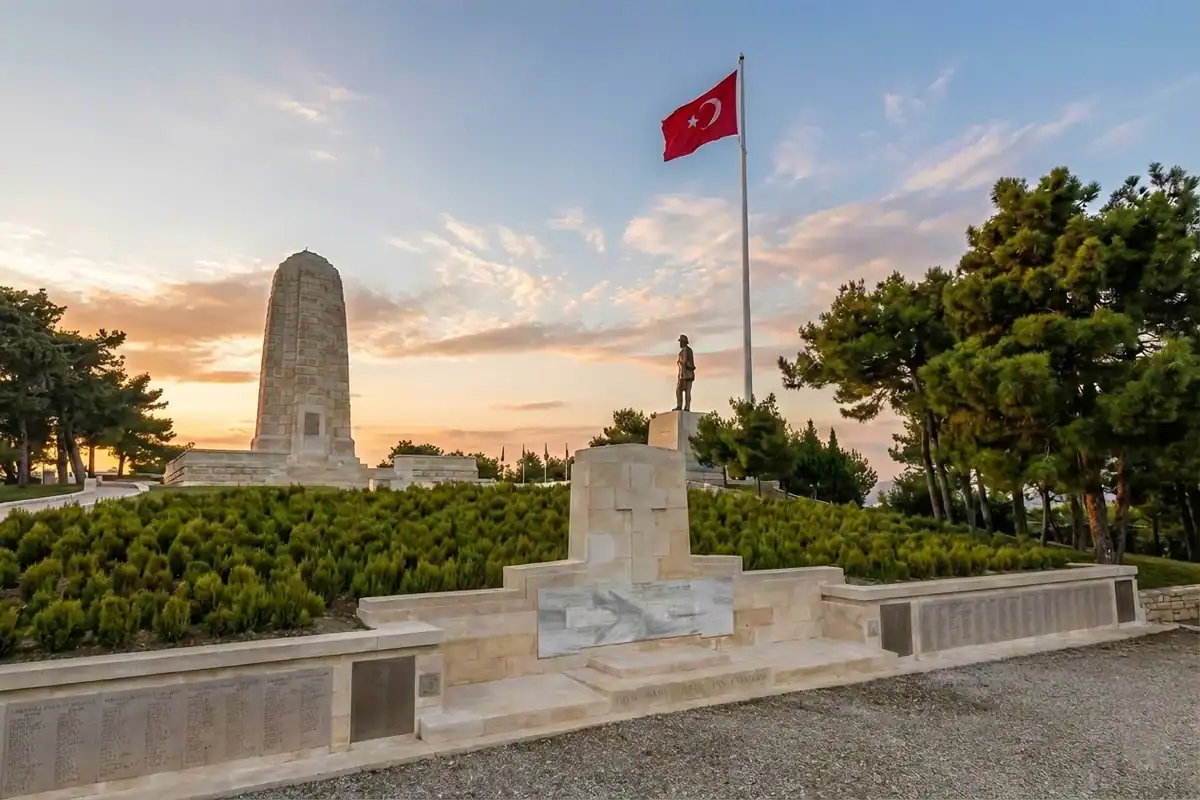
Today, the Gallipoli Peninsula Historical National Park preserves the battlefields, trenches, cemeteries, and memorials from this campaign. The Turkish government and the Commonwealth War Graves Commission maintain over 60 cemeteries and memorials across the peninsula, making it one of the most concentrated memorial landscapes on Earth.
What Are the Must-See Sites at Gallipoli?
Anzac Cove and Beach Cemetery
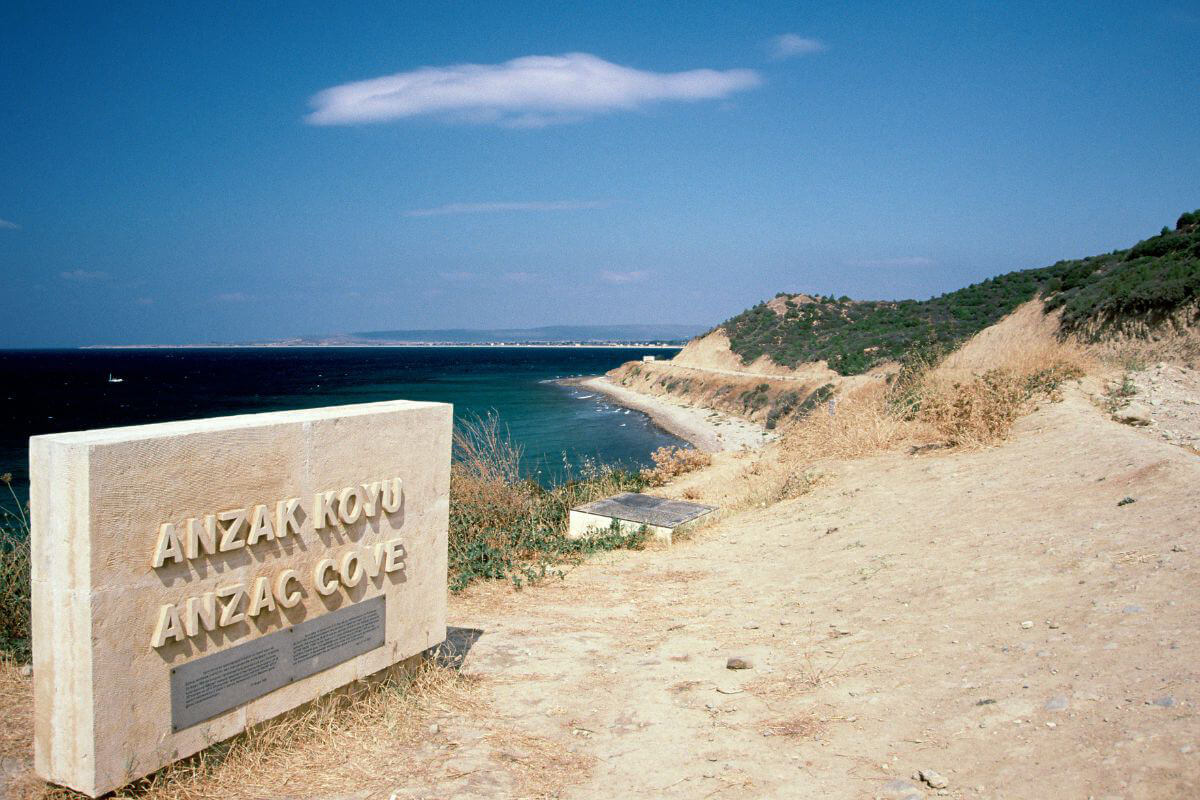
Anzac Cove is the narrow stretch of beach where soldiers from the Australian and New Zealand Army Corps (ANZAC) made their fateful landing at dawn on April 25, 1915. The troops were supposed to land at a wider beach further south but came ashore at this small, steep-cliffed cove—an error that defined the entire campaign. Today, the beach is remarkably quiet, framed by eroded sandstone cliffs. A small memorial marks the site, and nearby Beach Cemetery holds 391 graves of soldiers who fell in the first days of the landing.
Anzac Commemorative Site
The Anzac Commemorative Site is the formal memorial area constructed on the shoreline north of Anzac Cove. This is where the annual dawn service takes place each April 25, attracting thousands of visitors from around the world. Outside of ANZAC Day, the site is peaceful and largely empty—an ideal place for quiet reflection.
Lone Pine Memorial and Cemetery
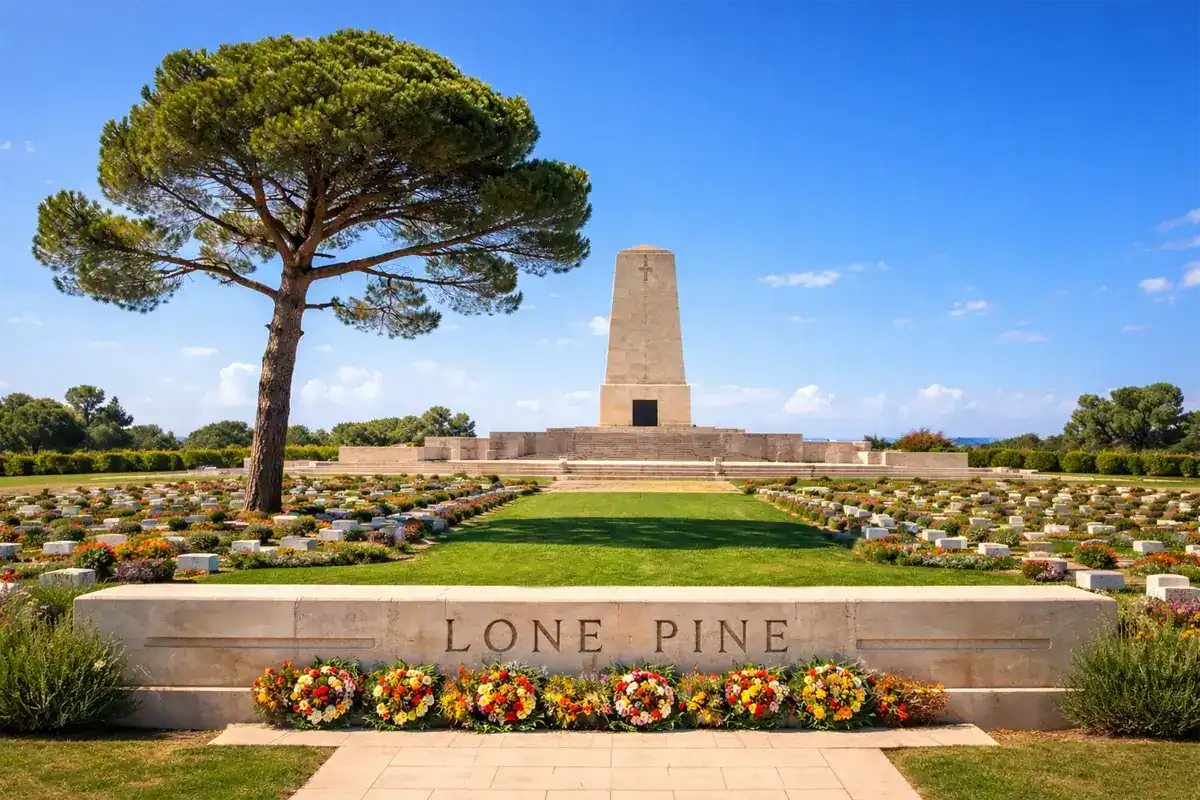
Lone Pine is arguably the most emotionally intense site on the peninsula. The memorial commemorates over 4,900 Australian and New Zealand soldiers who died in the Gallipoli sector and have no known grave. The cemetery itself contains 1,167 burials. The Battle of Lone Pine (August 6–9, 1915) resulted in seven Victoria Crosses being awarded—more than any other single engagement in the campaign. A solitary Aleppo pine, grown from seeds of the original tree, stands as a living memorial.
Chunuk Bair (New Zealand Memorial)
Chunuk Bair sits at the highest point of the Sari Bair ridge and was the only place where Allied troops briefly reached the campaign’s strategic objective. New Zealand soldiers captured the summit on August 8, 1915, and held it for less than two days before a devastating Ottoman counterattack led by Mustafa Kemal personally drove them back. The New Zealand Memorial here commemorates 852 soldiers with no known grave. The views from the summit across the peninsula to the Dardanelles are extraordinary.
The Nek
The Nek is a narrow ridge just 27 meters wide where four successive waves of Australian Light Horsemen charged directly into Ottoman machine gun fire on August 7, 1915. Over 370 men were killed or wounded in under ten minutes. Depicted in Peter Weir’s 1981 film Gallipoli, The Nek remains one of the most haunting locations on the peninsula. Four rows of small headstones mark the spot where the charge ended.
57th Infantry Regiment Turkish Cemetery and Memorial
The 57th Infantry Regiment Turkish Cemetery honors the Ottoman soldiers who bore the heaviest losses during the campaign. The 57th Regiment, commanded by Lieutenant Colonel Mustafa Kemal, received his famous order: “I don’t order you to fight; I order you to die.” The regiment was essentially annihilated. The memorial and surrounding grounds offer the Turkish perspective on the campaign, which is essential for understanding the full story of Gallipoli.
Ari Burnu Cemetery
Located just north of Anzac Cove, the Ari Burnu Cemetery holds 252 graves and features one of the most quoted inscriptions in the history of warfare. Atatürk’s words, addressed to the mothers of Allied soldiers, read: “Your sons are now lying in our bosom and are in peace. After having lost their lives on this land, they have become our sons as well.” This remarkable message of reconciliation was written in 1934 and remains deeply moving for every visitor.
Respect to Mehmetçik Monument
The Respect to Mehmetçik Monument depicts a Turkish soldier carrying a wounded Allied soldier to safety. Based on accounts from the battle, the statue symbolizes the humanity that persisted even amid the horror of trench warfare. It’s located near the Kabatepe Information Center and is typically the first stop on guided tours.
What Else Can You Do at Gallipoli Beyond the Battlefields?
While the primary draw is the WWI heritage, the Gallipoli Peninsula offers several additional experiences worth your time:
- Kabatepe War Museum and Simulation Center: Located at the park entrance, this museum displays weapons, uniforms, personal effects, and letters recovered from the battlefields. The simulation center provides an immersive audiovisual recreation of the campaign.
- Kilitbahir Fortress: Built by Sultan Mehmed II in 1463 to control the narrowest point of the Dardanelles, this Ottoman fortress sits directly across from Çanakkale and predates the WWI campaign by over 450 years.
- Swimming and nature walks: Outside the memorial zones, the national park’s coastline features quiet beaches and Mediterranean scrubland perfect for walking, especially in spring when wildflowers blanket the hillsides.
- V Beach and the Helles Memorial: At the southern tip of the peninsula, V Beach was where British forces landed at Cape Helles. The towering Helles Memorial commemorates over 20,000 soldiers with no known grave—the largest Commonwealth memorial at Gallipoli.
Practical Tips for Visiting Gallipoli
Pro Tip: The battlefields and cemeteries are spread over a wide area—some sites are 15 kilometers apart. A guided tour is strongly recommended, as public transportation within the national park is essentially nonexistent, and interpretive signage alone doesn’t convey the full story.
- Best time to visit: April through June and September through November offer the best weather and fewest crowds. ANZAC Day (April 25) is the most meaningful date to visit but requires advance planning as accommodation sells out months in advance.
- How long to spend: A full-day tour (typically 6–8 hours on the peninsula) covers the major sites adequately. History enthusiasts may want two days to explore the Helles sector as well.
- Getting there from Istanbul: Gallipoli is approximately 310 kilometers (193 miles) southwest of Istanbul—about a 4- to 5-hour drive. Most visitors take a guided day tour that includes round-trip transport.
- What to wear: Comfortable walking shoes are essential. The terrain is uneven, and several sites require climbing hills. Bring a hat, sunscreen, and water from April through October.
- Admission: Entry to the national park and all cemeteries is free. The Kabatepe Museum charges a small admission fee (approximately 40 TL / $1.25 as of 2025).
- Respect guidelines: Gallipoli is an active memorial site. Visitors are expected to maintain quiet respect at cemeteries, avoid stepping on graves, and refrain from climbing on monuments.
How to Combine Gallipoli with Troy and Other Sites
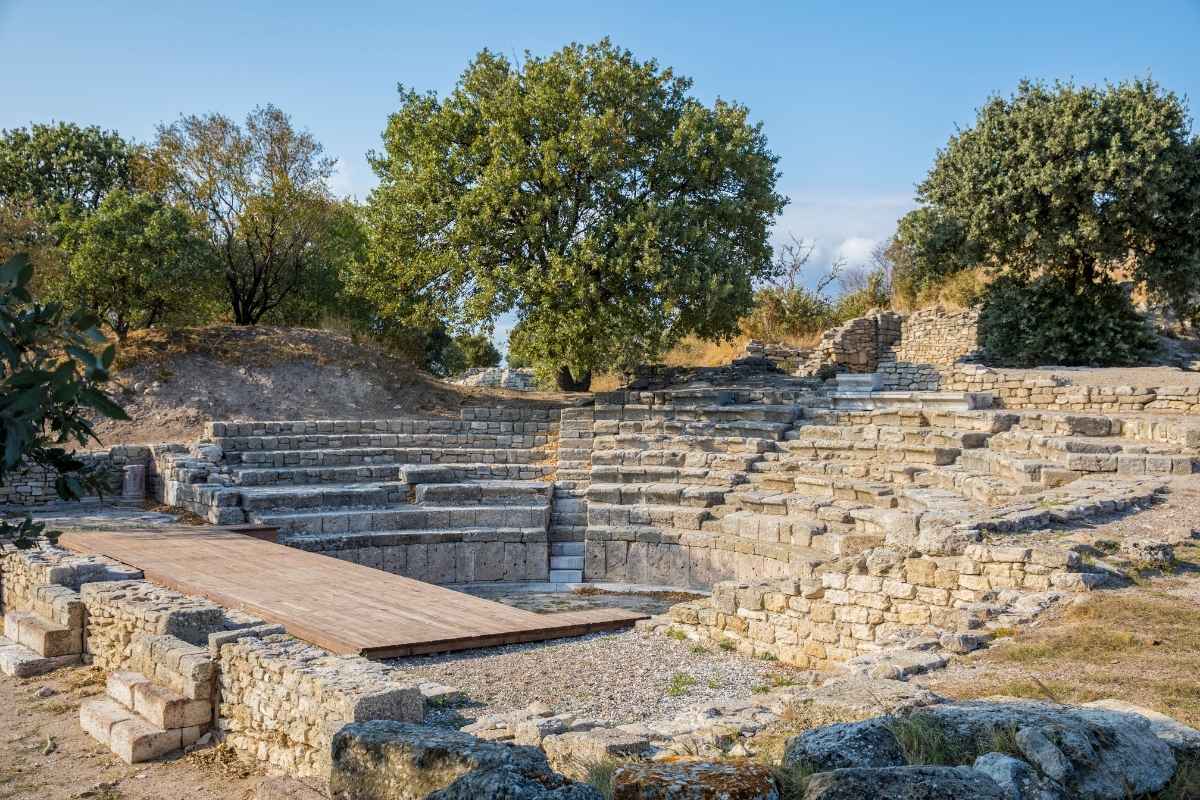
Most travelers combine Gallipoli with a visit to the Ancient City of Troy, located just 35 kilometers south of Çanakkale on the Asian side of the Dardanelles. A Gallipoli-Troy combination is one of the most popular two-day itineraries in western Turkey. Many multi-day tours also continue south to Ephesus, Pergamon, and Pamukkale for a comprehensive Aegean coast experience.
For those planning a longer trip, our Gallipoli Travel Guide covers route planning in detail, and our guide on how Australians can visit Gallipoli privately from Istanbul provides specific advice for ANZAC visitors.
Recommended Tours to Gallipoli
Getting the most from Gallipoli requires a knowledgeable guide who can bring the history to life. Here are our top-recommended tours:
- Troy & Gallipoli Day Tour from Istanbul – A full-day excursion covering both the Gallipoli battlefields and the archaeological site of Troy, with round-trip transport from Istanbul and an expert English-speaking guide.
- 7-Day Turkey Tour from Istanbul: Cappadocia, Pamukkale, Ephesus, Pergamon, Troy and Gallipoli – This comprehensive week-long tour includes Gallipoli and Troy alongside Turkey’s greatest highlights, from the fairy chimneys of Cappadocia to the ancient ruins of Ephesus.
- 9-Day Classical Turkey & Aegean Treasures Tour – A deeper exploration of Turkey’s western heritage, including Gallipoli, Troy, Pergamon, Ephesus, Pamukkale, and the lesser-known sites of Priene, Miletus, and Didyma.
- 10-Day Wonders of Turkey – The ultimate Turkey itinerary combining Istanbul, Gallipoli, Troy, Pergamon, Pamukkale, Ephesus, and Cappadocia in one seamless journey.
Frequently Asked Questions About Visiting Gallipoli
How long does a Gallipoli tour take?
A standard guided tour of the Anzac sector takes approximately 4–5 hours on the peninsula itself. Including travel time from Istanbul (4–5 hours each way), a full-day Gallipoli tour runs 12–14 hours. Tours that also include Troy typically span a full day with an overnight stay in Çanakkale or continue as part of a multi-day itinerary.
Is Gallipoli worth visiting outside of ANZAC Day?
Absolutely. In fact, visiting outside of April 25 offers significant advantages: smaller crowds, easier access to every site, and more time for personal reflection at cemeteries and memorials. The battlefields are powerful and moving year-round, and guided tours operate daily from March through November.
Can I visit Gallipoli independently without a tour?
While technically possible with a rental car, independent visits are challenging. The sites are spread across a large area with limited signage, no public transport within the park, and the historical context is difficult to grasp without expert commentary. A guided tour is strongly recommended for both logistical and educational reasons.
What should I bring to Gallipoli?
Bring comfortable walking shoes, water, sun protection (hat and sunscreen), a light jacket (it can be windy on the ridgelines), and a camera. There are no food vendors inside the national park, so carry snacks. Most guided tours include lunch at a restaurant in the Eceabat or Kabatepe area.
Is there an entrance fee for Gallipoli?
No. The Gallipoli Peninsula Historical National Park, including all battlefields, cemeteries, and memorials, is free to enter. The only paid attraction is the Kabatepe Museum and Simulation Center, which charges a nominal fee of approximately 40 TL (around $1.25 USD).
Honor the History—Plan Your Gallipoli Visit Today
Gallipoli is more than a historical site—it’s a place where the full weight of war becomes tangible, where you walk the same ridgelines and beaches where hundreds of thousands of young men fought and died. Whether you come as an Australian honoring the ANZAC legacy, a history enthusiast studying World War I, or a curious traveler seeking to understand Turkey’s founding story, this peninsula will leave a lasting impression.
Ready to experience Gallipoli and Turkey’s other remarkable destinations? Plan your trip with One Nation Travel and let our local experts craft a personalized itinerary that brings history to life. Browse our full range of Turkey tours or read what past travelers say on our testimonials page.