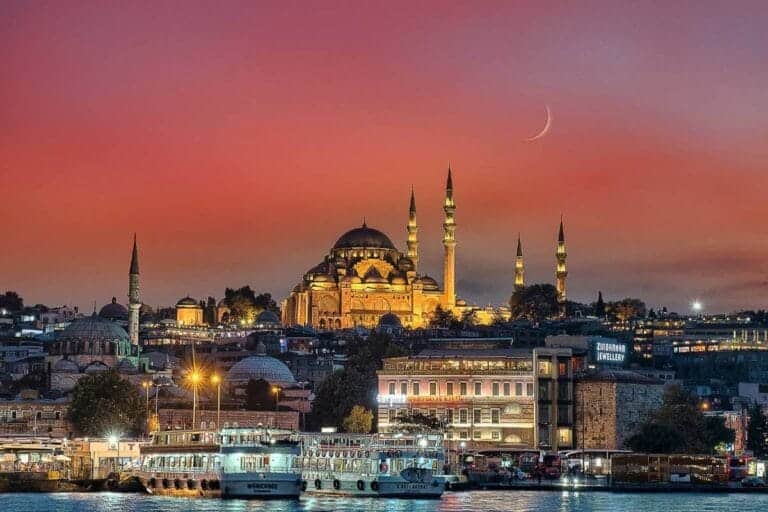

The practical answer: Three full days is enough for a first visit to Istanbul if you organize them by neighborhood: spend one day in Sultanahmet, one around the Grand Bazaar and Galata, and one on the Bosphorus and Asian side. You’ll see the major landmarks, eat well, take a ferry, and still leave room to enjoy the city rather than racing between sights.
Istanbul rewards travelers who plan around geography rather than a simple list of famous places. The Old City has dense clusters of monuments but can be crowded and slow-moving; the markets, Galata, waterfront, and Asian side each need their own time. This route is best for first-time visitors who want the essential sights while also seeing how Istanbul feels beyond Sultanahmet.
What to Know Before You Go
- Stay in Sultanahmet for the shortest walks to historic monuments, or choose Galata, Karaköy, or Beyoğlu for more evening dining options and easier access to ferries.
- Begin major mosque and museum visits early, then keep a flexible backup stop in case prayer times, security lines, or weather affect your schedule.
- Use an Istanbulkart for trams, metros, buses, and public ferries; it is more useful than relying on taxis for central sightseeing.
- Allow more time than expected for the Basilica Cistern, Topkapı Palace, the Grand Bazaar, and ferry crossings during busy periods.
- Reserve Day 3 for the Bosphorus and Kadıköy rather than trying to squeeze both into an already full Old City day.
Day 1: Sultanahmet and Istanbul’s Historic Peninsula
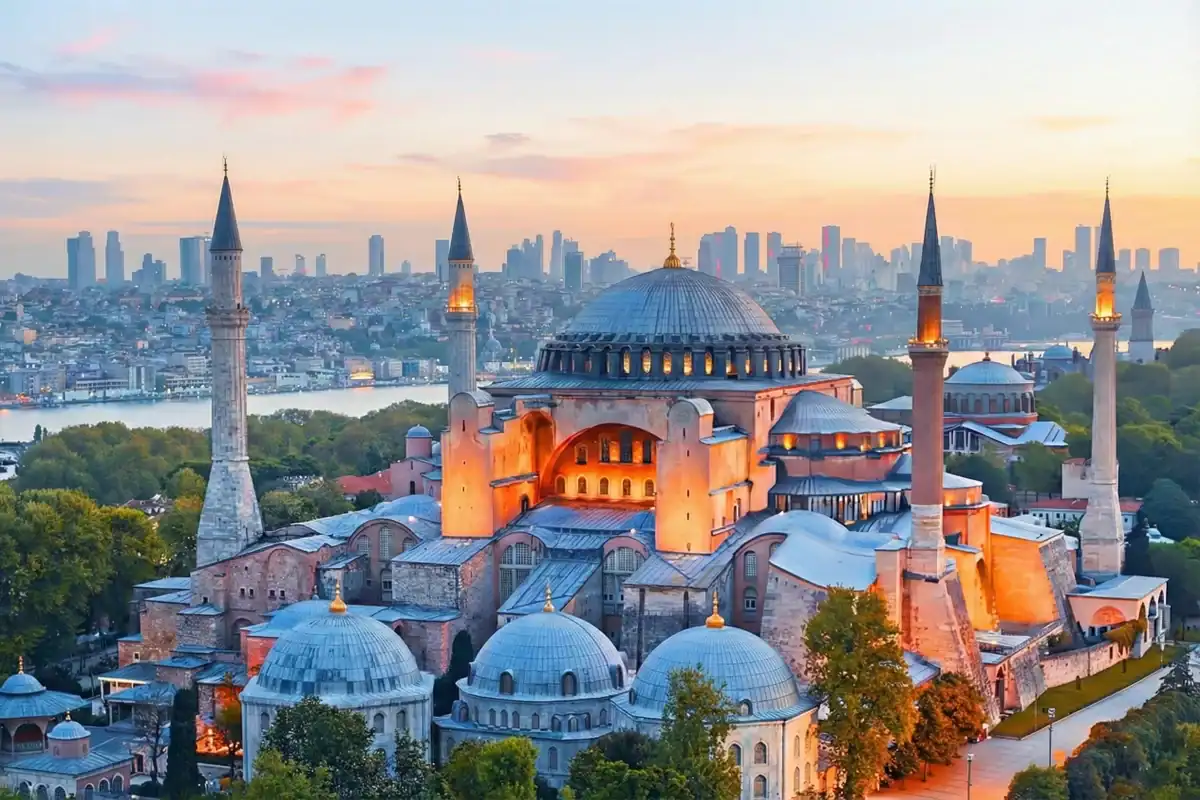
Start in Istanbul’s historic peninsula, where the major Byzantine and Ottoman landmarks are close together. This is the city’s most concentrated sightseeing day, so an early start makes a meaningful difference. If your hotel breakfast runs late, it is often better to leave promptly and have a coffee or pastry near the square than lose the quietest part of the morning.
Morning: Hagia Sophia, Blue Mosque, and the Hippodrome
Begin at Hagia Sophia Grand Mosque. Built in the sixth century under Emperor Justinian, it later became an Ottoman mosque, then a museum, and is now again a mosque. Visitor procedures, access areas, and ticket arrangements can change, so check the current visitor rules shortly before your visit. Dress respectfully, carry a light layer that covers shoulders and knees, and plan around prayer times.
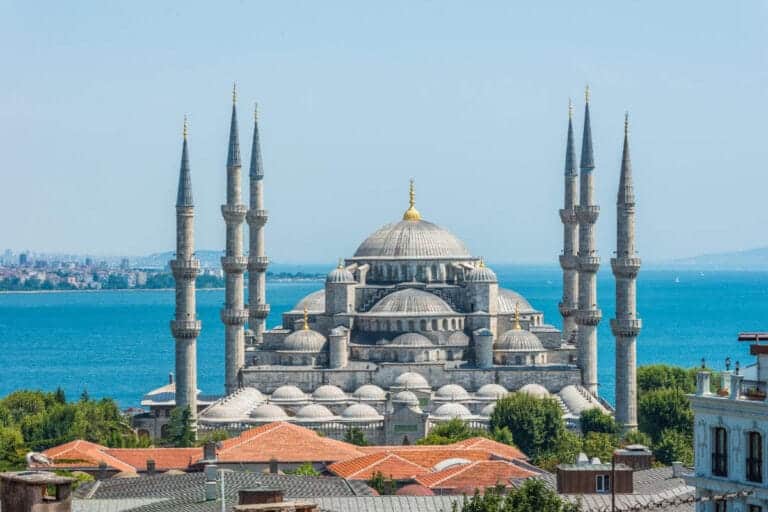
Across Sultanahmet Square, visit the Blue Mosque. Its six minarets and İznik tilework make it one of Istanbul’s defining sights, but it remains an active place of worship. Visitors remove shoes, and modest clothing is required. Rather than treating the two mosques as quick photo stops, give each enough time to absorb the very different scale, light, and decoration.
Walk through the former Byzantine Hippodrome, now part of Sultanahmet Square. The Egyptian Obelisk, Serpent Column, and Walled Obelisk are reminders that this was once Constantinople’s arena for public ceremonies and chariot racing. It is a useful, no-ticket stop between the mosques and the next attraction.
Midday: Basilica Cistern and a Sensible Lunch Break
The Basilica Cistern is a short walk away and is one of the few major sites where a timed entry or a line can shape the day. The underground chamber, supported by rows of marble columns, is atmospheric but not a quick five-minute visit. Buy tickets through official channels where available, and verify same-day entry arrangements and prices rather than relying on old online figures.
For lunch, avoid choosing the first restaurant directly beside the square simply because you are hungry. Walk a few blocks toward Cankurtaran or Küçük Ayasofya, compare menus, and ask whether service charges are included. A simple lunch of soup, pide, grilled meat, or a vegetable dish keeps the afternoon comfortable without consuming too much time.
Afternoon: Topkapı Palace or Archaeology Museum?
Use the afternoon for Topkapı Palace Museum, the Ottoman sultans’ principal residence for centuries. Allow at least two to three hours if you want to see the courtyards, collections, and views toward the Bosphorus and Golden Horn. The Harem has separate access arrangements and is the better choice for travelers interested in palace life, decoration, and court history; it is less essential if your priority is simply seeing the main complex.
If palaces are not your interest, the Istanbul Archaeology Museums nearby are a better alternative. Do not try to do both thoroughly on the same afternoon unless you are comfortable with a very fast museum pace.
Practical tip: Keep a short list of flexible stops in Sultanahmet. Mosques may restrict visitor access during prayer periods, and popular sites can have security lines. The Hippodrome, the exterior of Hagia Sophia, and a walk toward Gülhane Park are easy ways to fill a delay without losing the day.
Day 2: Grand Bazaar, Eminönü, Galata, and Beyoğlu
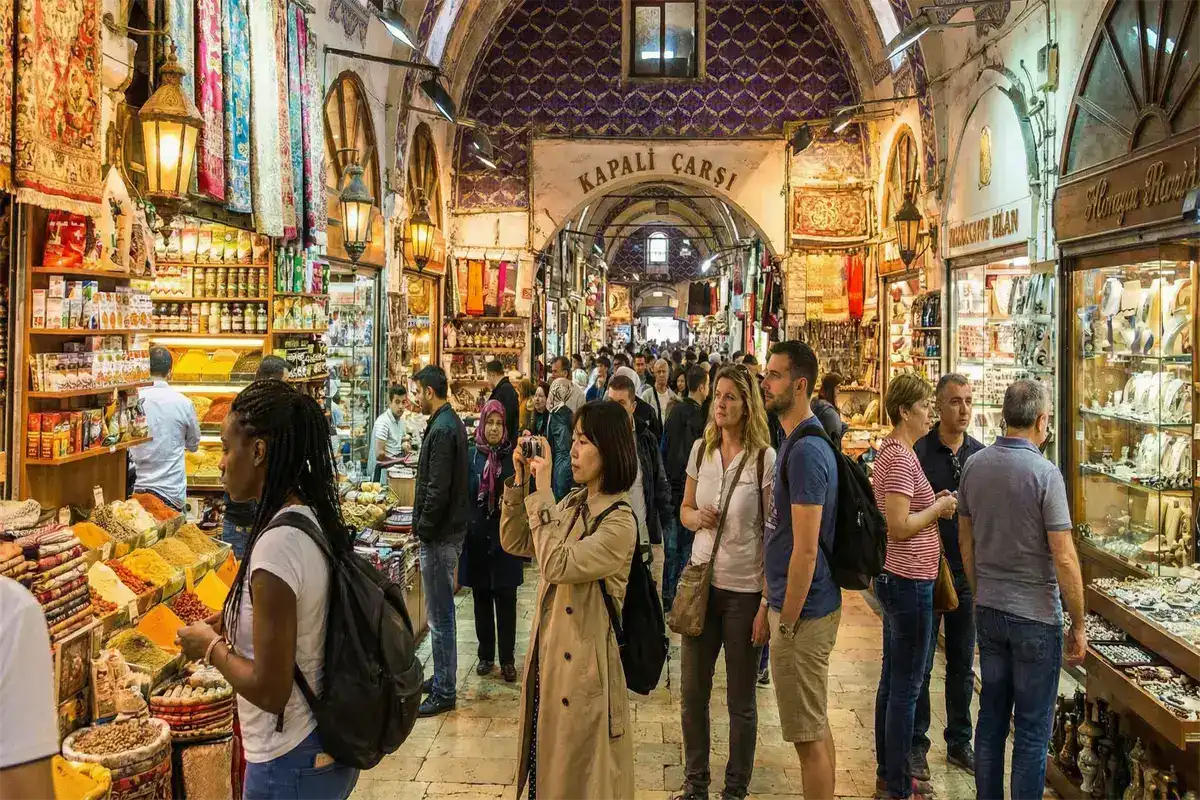
Day 2 follows a natural downhill route from the markets to the Golden Horn, then across to Galata. Wear shoes with good grip: Istanbul’s hills, stone paving, and occasional wet sidewalks are more tiring than the map suggests.
Morning: Grand Bazaar and Süleymaniye
Start at the Grand Bazaar, especially if shopping matters to you. Its covered lanes contain thousands of businesses, but it works best when approached with a plan. Browse ceramics, textiles, lamps, jewelry, towels, and leather goods, then compare quality and price before buying. Bargaining is common, though it should be friendly and unhurried; walk away if the price or pressure does not feel right.
Check the bazaar’s opening days before assigning it to this itinerary, as it is traditionally closed on Sundays and schedules can change for holidays. If it is closed, reverse the day: begin at Galata and visit the Spice Bazaar later.
From the Grand Bazaar, walk to Süleymaniye Mosque. Designed by Mimar Sinan for Sultan Süleyman the Magnificent, it offers a calmer atmosphere than the busiest Sultanahmet monuments and broad views from its setting above the Golden Horn. As with all active mosques, visit outside prayer periods and dress appropriately.
Afternoon: Spice Bazaar and Eminönü
Continue downhill to Spice Bazaar Istanbul. It is smaller and easier to navigate than the Grand Bazaar, making it a practical place for edible souvenirs such as tea, spices, dried fruit, lokum, or coffee. Ask to taste products before purchasing, and confirm whether packaged food can travel in your carry-on or checked luggage.
At Eminönü, pause along the waterfront before crossing Galata Bridge. A fish sandwich can be a quick local-style meal, but the waterfront is also crowded and tourist-oriented. Travelers who prefer a calmer lunch can eat in Karaköy after crossing the bridge instead.
Evening: Galata Tower, Karaköy, and İstiklal Avenue
Walk uphill toward Galata Tower. The area is worth visiting even if you decide against going up: narrow streets, restored buildings, cafés, and small shops make a good transition from the Old City. The tower’s viewing platform can be busy around sunset, so decide whether the view is worth waiting for or whether you would rather spend that time exploring the neighborhood.
For dinner, Karaköy is convenient for contemporary Turkish cooking, seafood, and meze, while İstiklal Avenue offers a wider range of casual restaurants, dessert shops, bookstores, and nightlife. Karaköy suits travelers who want a sit-down waterfront-adjacent evening; İstiklal is better for those who want to keep walking after dinner.
For more detailed neighborhood planning, the Istanbul travel guide with a four-day route can help you extend this schedule without repeating the same sights.
Day 3: Bosphorus Views and the Asian Side
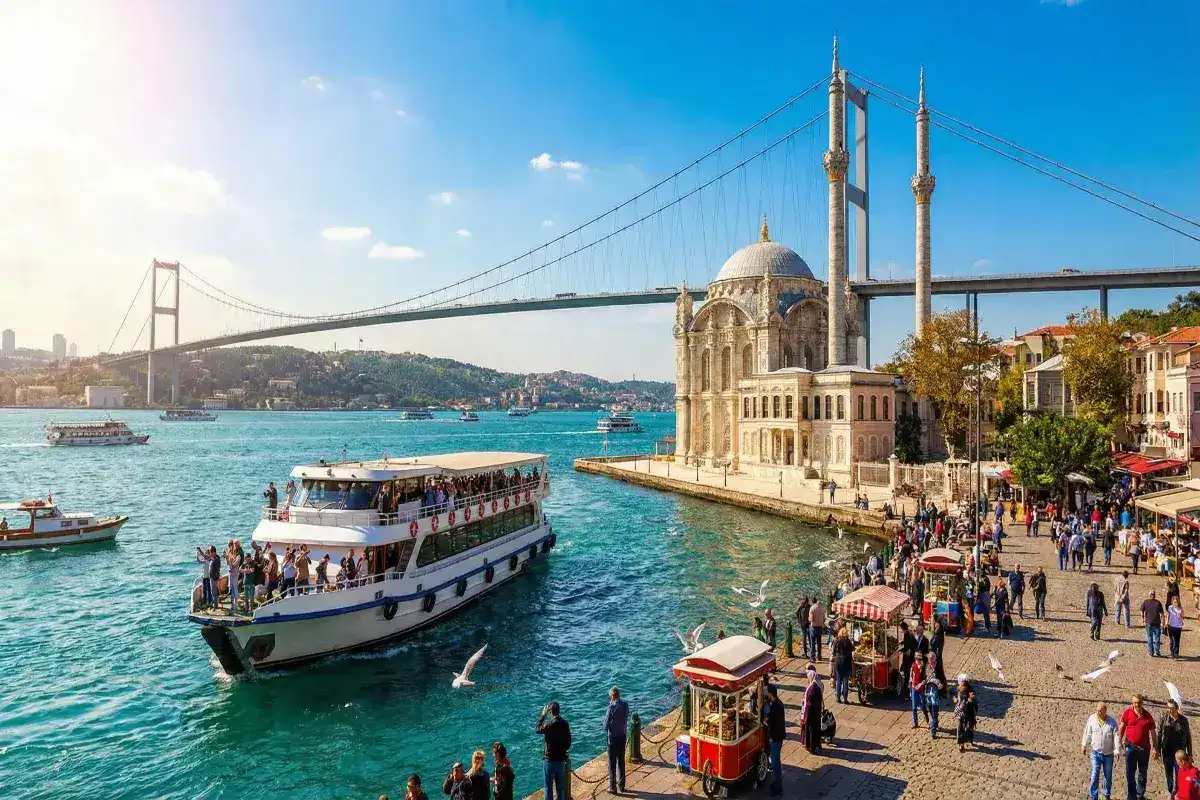
Your final day should feel less like a museum circuit and more like Istanbul as a working waterfront city. The Bosphorus divides Europe and Asia, and crossing it by ferry gives the itinerary a perspective that streetside sightseeing cannot.
Morning: Choose a Public Ferry or a Sightseeing Cruise
A Bosphorus Cruise is worthwhile for first-time visitors, but the right format depends on your pace. Public ferry routes are inexpensive and practical if you mainly want the water views and a local transit experience. A dedicated sightseeing cruise may suit travelers who prefer commentary, a defined route, and fewer navigation decisions. Departure points, durations, and operating schedules vary by season and weather, so confirm them the day before.
From the water, look for waterfront mansions, mosques, bridges, and the walls of Rumeli Fortress. Sit outside if conditions allow, but bring a layer even in warmer months; the water can be noticeably cooler and windier than central streets.
Afternoon: Kadıköy and Moda
Take a public ferry to Kadıköy on the Asian side. The crossing itself is part of the experience, with broad views back toward the historic peninsula. Kadıköy is a good place to slow down: explore the market streets, have lunch, browse food shops, and continue toward Moda if you want a relaxed walk near the water.
This is not the day to chase another major monument. Kadıköy works because it contrasts with the Old City’s formal sightseeing. Choose it if you enjoy food, neighborhood atmosphere, cafés, and seeing a more everyday side of Istanbul. If you have limited energy or poor weather, replace Kadıköy with a longer Bosphorus route and an unhurried evening in Karaköy.
Evening: Finish Where You Want to Eat
Return by ferry before late evening if you are unfamiliar with the city’s transit network. For a farewell meal, select a restaurant based on food and atmosphere rather than a panoramic view alone. A modest local restaurant with fresh meze and attentive service often provides a better experience than a heavily marketed rooftop venue with inflated prices.
How Much Should You Budget for Three Days?
Costs in Istanbul shift with exchange rates, season, hotel category, and admission changes, so fixed online totals become outdated quickly. For a realistic plan, separate your spending into accommodation, major attractions, meals, transit, and optional guided experiences.
- Accommodation: Sultanahmet is convenient for first-time sightseeing, while Galata, Karaköy, and Beyoğlu can offer more dining and nightlife nearby. Compare the total rate, breakfast, taxes, and walking distance to transit—not only the headline room price.
- Food: Street snacks, bakeries, and neighborhood restaurants can keep meals affordable. Dining costs rise sharply at rooftop venues, tourist-facing Old City restaurants, and places where drinks are a large share of the bill.
- Transit: An Istanbulkart is useful for nearly every visitor. Load a modest amount first and top up as needed, since it works across much of the city’s public network.
- Attractions: Museum and palace pricing changes periodically. Check official opening hours, closing days, and ticket types before committing to a tightly timed route.
- Guiding: A guide can be most valuable on Day 1, when historical context and efficient entry planning matter most. It is less necessary for a self-directed ferry ride or an afternoon in Kadıköy.
For a fuller look at spending categories and the choices that affect them, see the Istanbul daily budget guide.
Should You Explore Independently or Book a Guided Istanbul Tour?
Independent travel is a strong fit if you enjoy using public transit, are comfortable checking opening times, and want to linger in markets, cafés, or museums at your own pace. The three-day route above is designed to work this way, especially on Days 2 and 3.
A guided option is worth considering if this is your only time in Istanbul, you want historical interpretation rather than a quick overview, or you would rather have the Sultanahmet logistics arranged. A private guide is particularly useful for families, travelers with mobility concerns, and visitors who want to tailor the order of the palace, mosques, and museum stops. The Best of Istanbul Private Guided Tour is an eight-hour option from USD 360, while the 4-Day Best of Istanbul Tour starts from USD 680 for travelers who prefer a longer arranged city stay.
Before booking any tour, verify the exact meeting point, daily pace, attraction admissions, meals, airport transfers, hotel arrangements, and whether the itinerary accounts for mosque prayer times and weekly closures. Starting prices can change, and a low initial rate does not by itself show what is included. If you need to change or cancel a booked tour, notice must be given at least 5 days before the tour starts; non-refundable flight and bus ticket costs are deducted from the paid balance. With less than 5 days’ notice, or for a no-show, the full payment is non-refundable.
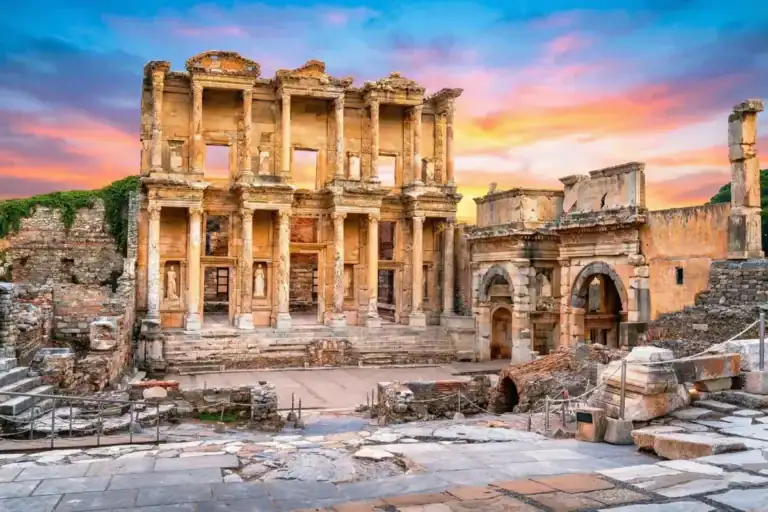
If Istanbul is only the first stop on a wider trip, consider the practical connection rather than attempting an overnight detour. A first-time guide to traveling from Istanbul to Cappadocia explains the flight and timing choices, while the 4-Day Istanbul & Ephesus Tour with Round-Trip Flights starts from USD 763 for a compact multi-stop itinerary.
Verified Istanbul Tour Options
Choose your next step
Recommended Istanbul tours
These verified options are the closest available matches for this article’s destination, route intent, and trip length.
4-Day Best of Istanbul Tour
A 4 days Cultural & Heritage Tour route covering Istanbul.
View tour details →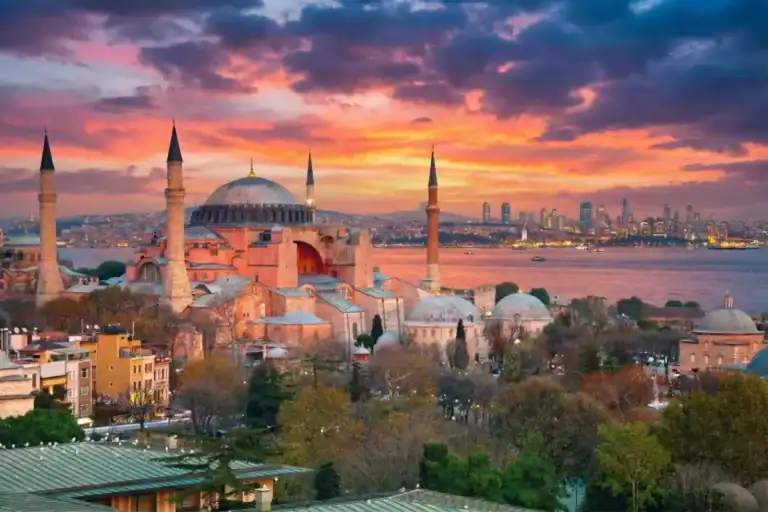
Best of Istanbul Private Guided Tour
A 8 hours Cultural & Heritage Tour route covering Istanbul.
View tour details →
4-Day Istanbul & Ephesus Tour with Round-Trip Flights
A 4 days Cultural & Heritage Tour route covering Istanbul, Ephesus.
View tour details →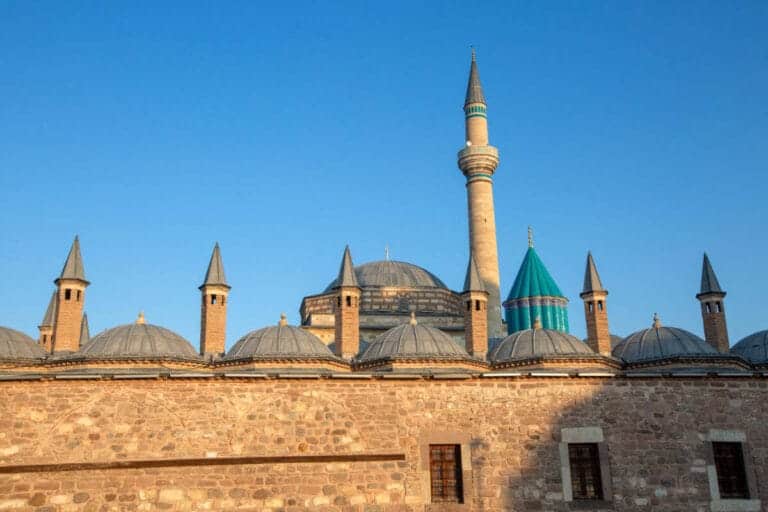
3-Day Cappadocia & Konya Tour from Istanbul
A 3 days Historical & Cultural Tour route covering Cappadocia, Konya and 1 more destination.
View tour details →Common Questions About Spending 3 Days in Istanbul
Is three days really enough for Istanbul?
Yes, for a first visit focused on the main landmarks, markets, Bosphorus, and one neighborhood on the Asian side. Add a fourth day if you enjoy museums, want a slower pace, or plan to visit smaller districts beyond the central route.
What is the best area to stay in for this itinerary?
Sultanahmet is best for early access to Hagia Sophia, the Blue Mosque, and Topkapı Palace. Galata, Karaköy, and Beyoğlu are better if restaurants, nightlife, and ferry access matter more than being steps from the monuments.
Do I need cash in Istanbul?
Cards are widely accepted at hotels, restaurants, and many shops, but carry some Turkish lira for small purchases, market stalls, tips, and occasional transit needs. Use bank-affiliated ATMs where possible and decline unfavorable currency-conversion offers.
Can I visit mosques in Istanbul as a non-Muslim?
Yes, visitors are welcome outside prayer periods when visitor access is permitted. Dress modestly, remove shoes when requested, keep voices low, and follow staff guidance. Conditions at individual mosques can change during religious holidays or special events.
Make Your Three Days Count
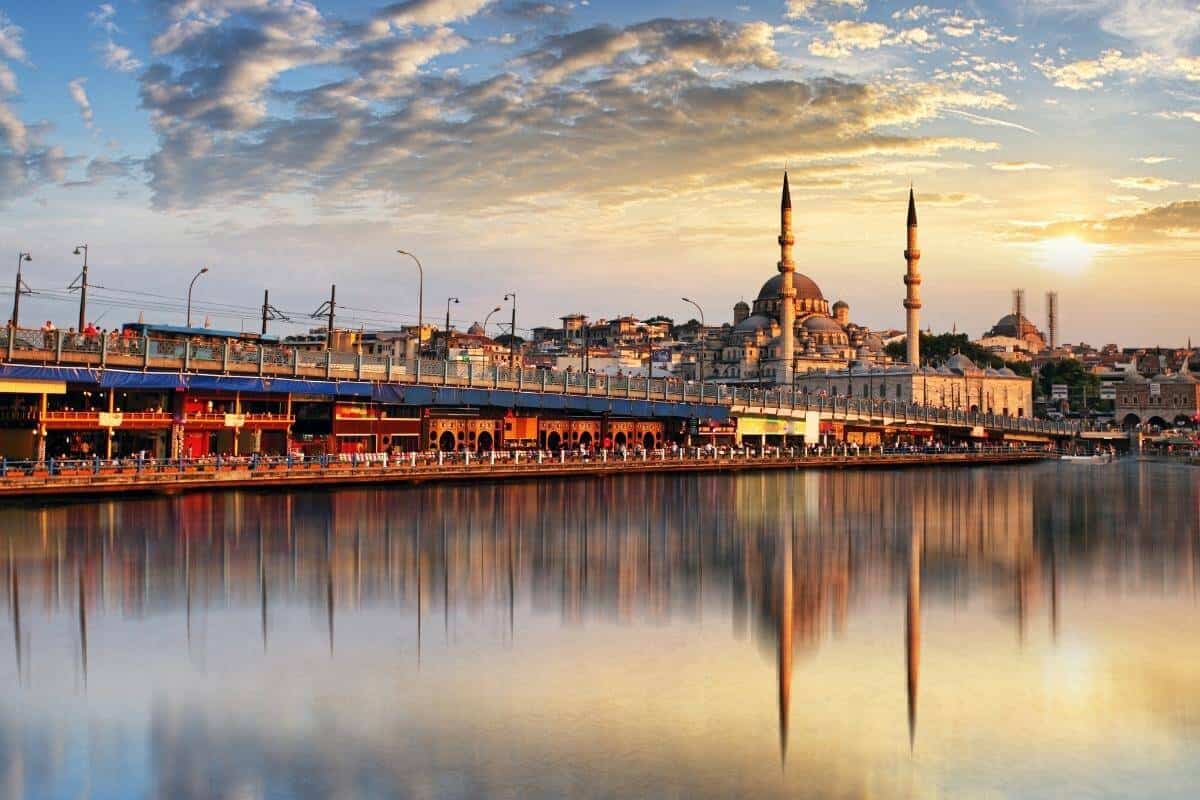
The best three-day Istanbul itinerary is not the one that checks off the most landmarks. It is the one that gives each part of the city enough time: Sultanahmet for its monumental history, the markets and Galata for street life, and the Bosphorus for the city’s defining views and ferry culture. Build in room for lines, prayer times, and an occasional unplanned stop.
If you would like help matching the route to your arrival time, hotel preferences, interests, or a longer Turkey tour, send One Nation Travel your trip request. The team can help coordinate a practical itinerary and the right level of guided support for your schedule.