
Quick answer: For a first trip to Istanbul, prioritize the historic core around Sultanahmet—Hagia Sophia, the Blue Mosque, Topkapi Palace, and the Basilica Cistern—then add the Grand Bazaar, Spice Bazaar, Galata Tower, a Bosphorus cruise, Dolmabahçe Palace, and Chora. Allow at least two full days, but three or four days gives you a much better pace and room for neighborhoods, ferries, and meals.
Istanbul is easier to enjoy when you plan by neighborhood rather than trying to cross the city repeatedly for a list of famous sights. The biggest decision for first-time visitors is how much of the trip should be spent inside major landmarks versus leaving time for markets, waterfront views, ferries, and the street life between attractions.
What to Know Before Sightseeing in Istanbul
- Start early in Sultanahmet, where security lines and visitor queues can consume more time than the walking distance suggests.
- Plan mosque visits around worship periods. Mosques are active religious spaces, and visitor access can pause or change during the day.
- Keep the Grand Bazaar and Spice Bazaar for late morning or afternoon, after your highest-priority interiors.
- Do not try to combine Topkapi Palace, Dolmabahçe Palace, Galata Tower, and a Bosphorus cruise in one rushed day.
- Use ferries and waterfront walks for perspective, not just transportation; Istanbul makes more sense once you see it from the water.
- Check official opening hours, ticket conditions, restoration notices, and worship-related access rules shortly before your visit.
How to Organize Istanbul’s Top Attractions
Most first-time visitors should divide Istanbul into four practical sightseeing areas: Sultanahmet and the historic peninsula; Eminönü and the Golden Horn waterfront; Galata and Beyoğlu; and the Bosphorus shore. This approach reduces backtracking and gives each part of the city the time it needs.
| Area | Best Sights | Best Timing | Practical Advice |
|---|---|---|---|
| Sultanahmet | Hagia Sophia, Blue Mosque, Topkapi Palace, Basilica Cistern | Morning through early afternoon | Allow for security, ticket lines, mosque access restrictions, and substantial walking. |
| Eminönü | Spice Bazaar, Grand Bazaar, Galata Bridge | Late morning or afternoon | Good for food stops, shopping, and combining with a ferry ride. |
| Galata and Beyoğlu | Galata Tower, Karaköy, Istiklal Avenue | Late afternoon and evening | Save energy for hills, cobbled streets, and possible queues at the tower. |
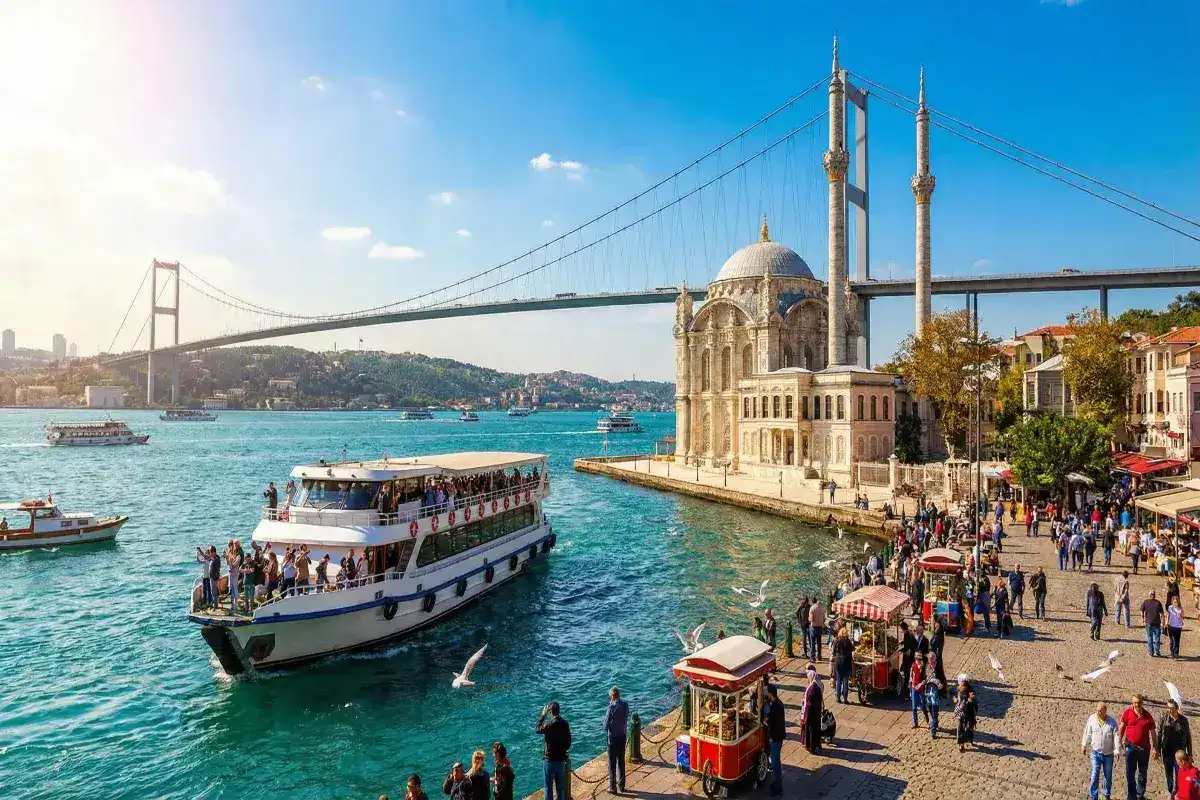
| Bosphorus shore | Dolmabahçe Palace, Bosphorus cruise, Ortaköy | Afternoon or near sunset | Best treated as a dedicated half-day rather than an add-on between museums. |
If you only have two full days, dedicate the first to Sultanahmet and the Grand Bazaar. On the second day, visit the Spice Bazaar, cross to Galata and Beyoğlu, then finish with a cruise or ferry journey. With three days, add Dolmabahçe Palace and Chora without sacrificing the slower pleasures that make Istanbul memorable. For a more detailed route, see the Istanbul travel guide with a practical four-day itinerary.
10 Must-See Attractions in Istanbul
1. Hagia Sophia Grand Mosque
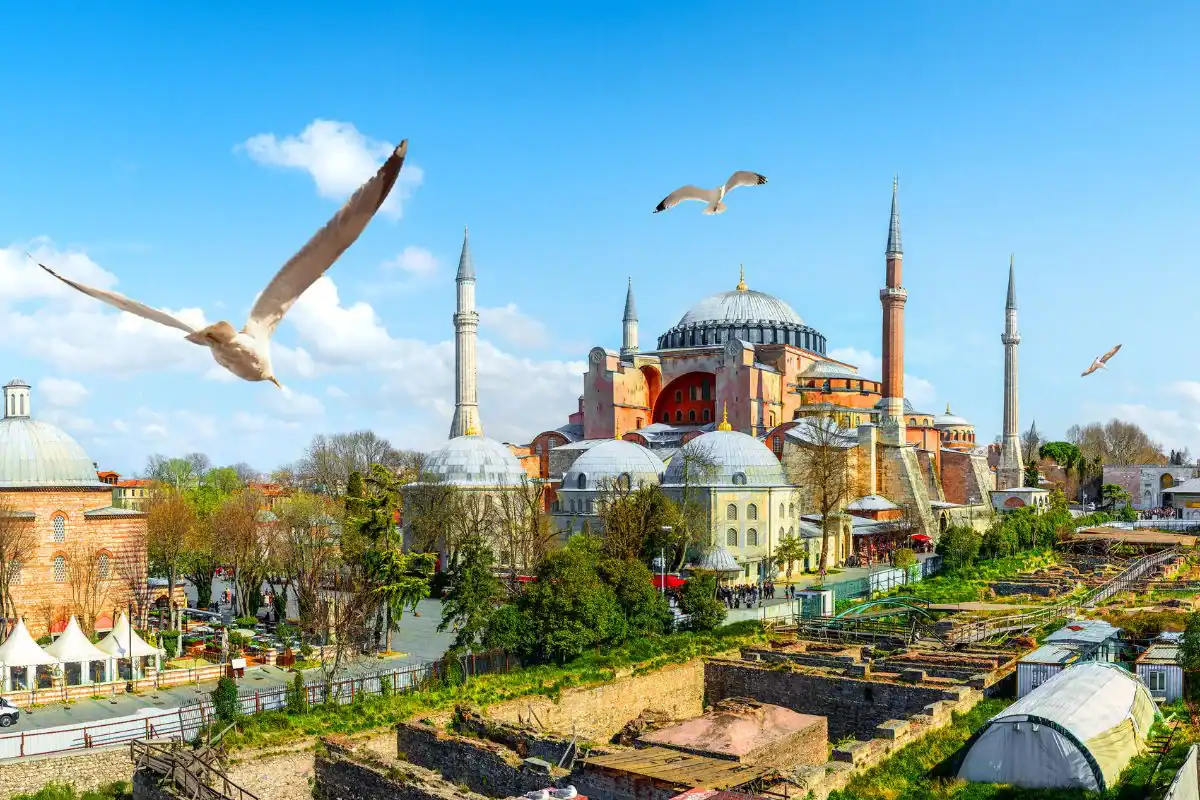
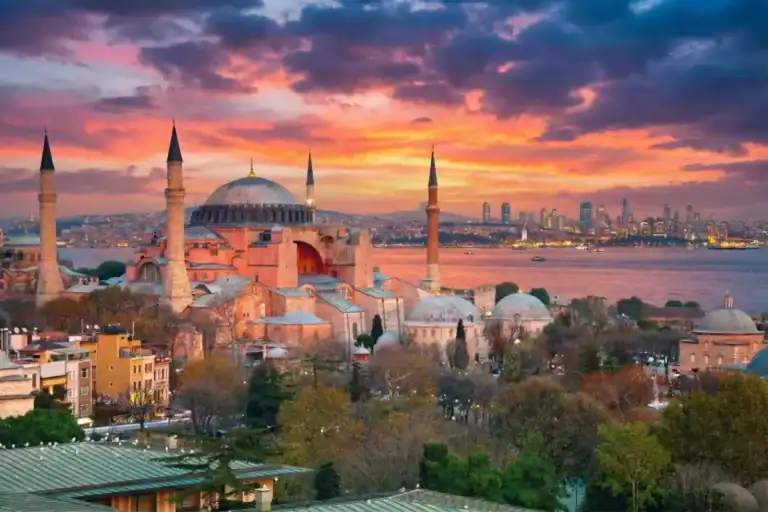
Hagia Sophia is the essential first stop because it explains so much about Istanbul’s history in one building. It began as a Byzantine cathedral, became an Ottoman mosque, later served as a museum, and now functions as a mosque again. Its immense dome, marble interior, calligraphic roundels, and surviving Christian mosaics reflect the city’s changing religious and political history.
Visit early, ideally before the busiest hours. Bring clothing that covers shoulders and knees, and women should carry a head covering in case it is required. Visitor circulation, entry rules, security procedures, and access to particular areas can change, so do not build a tightly timed itinerary around assumptions. Pair Hagia Sophia with the Blue Mosque across Sultanahmet Square.
2. The Blue Mosque
The Sultan Ahmed Mosque, better known as the Blue Mosque, remains one of Istanbul’s principal working mosques. From outside, its six minarets and layered domes define the Sultanahmet skyline. Inside, the vast prayer hall is known for blue-toned İznik-style tilework, stained-glass light, and a feeling of scale that photographs rarely capture.
Approach it as a place of worship rather than a conventional museum. Visitor entry may pause around prayer times, and designated entrances are often used. Dress modestly, remove shoes when requested, and keep voices low. Travelers deciding which landmark deserves more time may find this comparison of Hagia Sophia and the Blue Mosque useful.
3. Topkapi Palace Museum
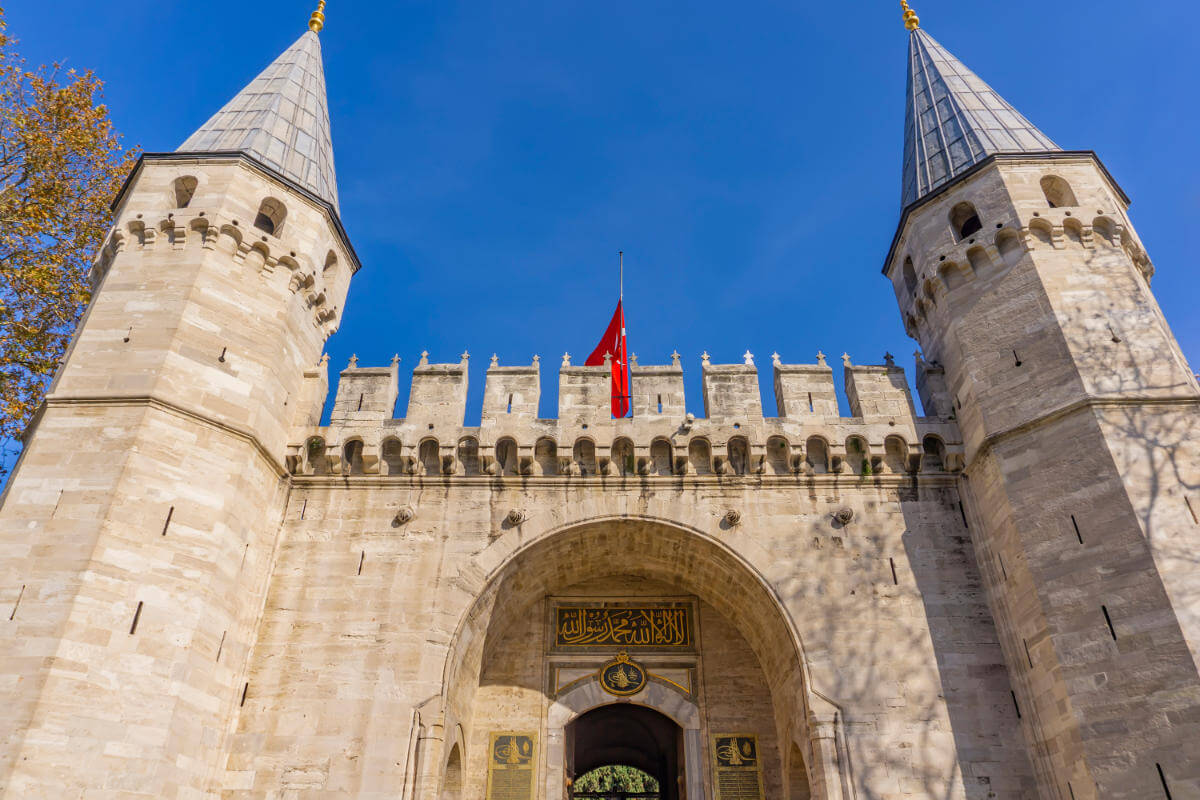
Topkapi Palace was the Ottoman court’s administrative and residential center for centuries. It is not a single palace hall but a complex of courtyards, kitchens, pavilions, gardens, collections, and terraces overlooking the Bosphorus and the Golden Horn.
Give Topkapi at least half a day if it is a priority. Travelers who rush through often see only the first courtyards and miss the atmosphere of the outer gardens and water views. The Harem and some collections may have separate ticket or access conditions, so confirm the current arrangements before arrival. This is a better choice for visitors interested in imperial history than those who mainly want a quick photo stop.
4. Grand Bazaar
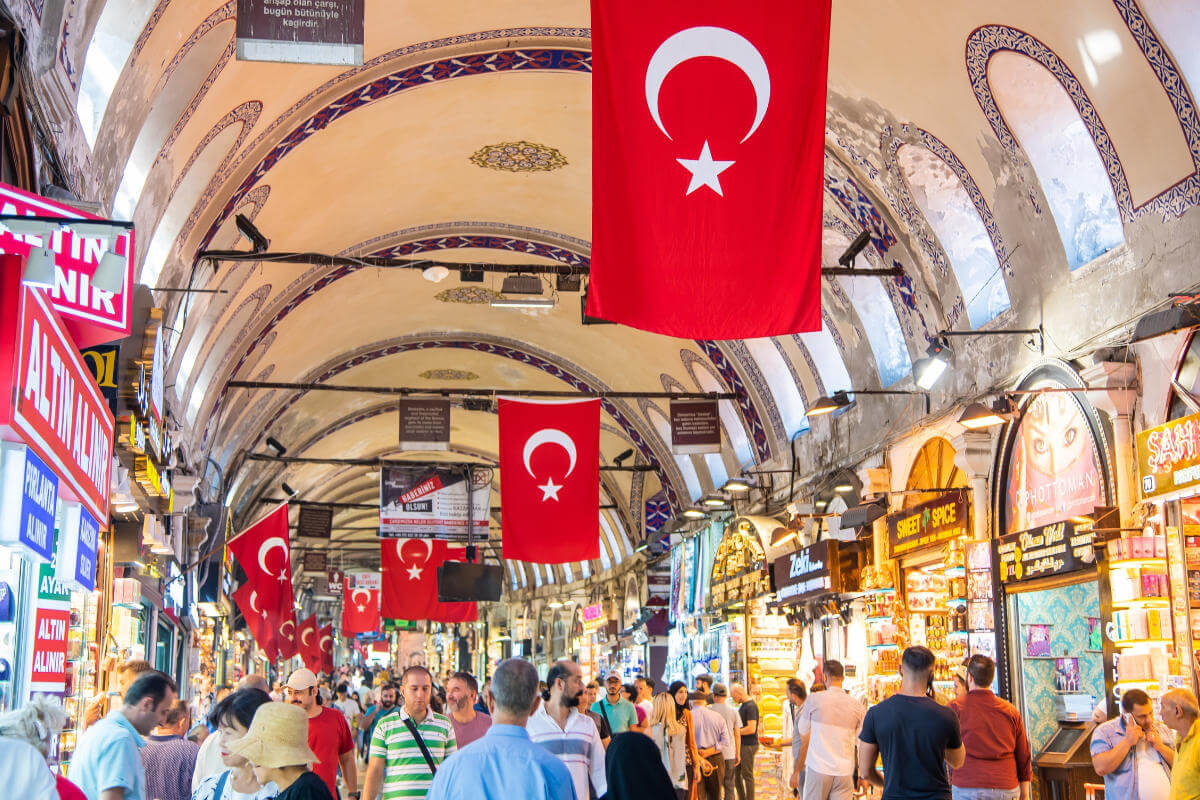
The Grand Bazaar is a covered commercial district of lanes, courtyards, workshops, jewelry stores, ceramics shops, textile sellers, carpet dealers, tea stops, and souvenir stalls. Even travelers who do not intend to shop should walk through it for the architecture, scale, and rhythm of a market that has been part of Istanbul for centuries.
Shopping is best handled with patience. Compare similar products in more than one shop, ask for the final price, and walk away from high-pressure sales tactics. For carpets, antiques, gold, or branded goods, request documentation and understand shipping, tax, insurance, and customs responsibilities before paying. A friendly sales conversation is normal; pressure is not an obligation to buy.
5. Basilica Cistern
The Basilica Cistern is one of the city’s most atmospheric historical interiors. This underground Byzantine reservoir is supported by rows of columns, with reflective water, controlled lighting, and the well-known Medusa-head bases near one corner. It makes a strong contrast to the open courtyards and bright daylight of Sultanahmet.
Its location makes it especially useful in rain, midday heat, or when you need a break between the larger sites. However, it can become crowded when multiple groups arrive at once. Opening time or later afternoon is often more comfortable than immediately after Hagia Sophia.
6. Galata Tower
Galata Tower is one of the best places to understand Istanbul’s geography. The viewpoint shows the historic peninsula, the Golden Horn, the Bosphorus, the bridges, and the spread of neighborhoods on both the European and Asian sides. It is especially valuable early in a trip, when the city’s layout can still feel confusing.
Go on a clear day and expect a queue during popular hours. Sunset views can be beautiful, but they come with the longest lines and the least personal space. If the wait feels excessive, admire the tower from the streets below and explore Karaköy before continuing uphill toward Istiklal Avenue.
7. Spice Bazaar
The Spice Bazaar is smaller and simpler to navigate than the Grand Bazaar. It is a good choice for travelers looking for Turkish delight, tea, coffee, dried fruit, spices, nuts, and packaged food gifts. Its location near Eminönü also makes it easy to combine with a ferry, the waterfront, or a walk across Galata Bridge.
Sample when it is offered, but compare quality and packaging before purchasing. Food gifts may be easier to transport than loose spices or delicate sweets, but customs rules vary by destination. Check your own country’s requirements before buying fresh foods or animal-based products to bring home.
8. Dolmabahçe Palace
Dolmabahçe Palace offers a very different view of Ottoman history from Topkapi. Built in the nineteenth century on the Bosphorus, it favors European-influenced ceremonial rooms, chandeliers, ornate decoration, and formal grandeur. It is particularly rewarding for visitors interested in decorative arts, late Ottoman history, and palace architecture.
Do not squeeze it into a Sultanahmet morning. Dolmabahçe works best when paired with the Bosphorus shore, Beşiktaş, or a cruise departure. Visitor routes, photography rules, and entry procedures may vary, so verify current policies before you go.
9. Bosphorus Cruise
A Bosphorus cruise gives Istanbul the perspective that streets and tram lines cannot. From the water, you can see waterfront mansions, bridges, mosque silhouettes, wooded hills, and landmarks including Rumeli Fortress. It is one of the most useful experiences for understanding how the city sits between Europe and Asia.
There are several ways to get on the water. A regular ferry is practical, affordable, and often enough for travelers who mainly want the experience of crossing the strait. A scheduled sightseeing cruise suits visitors who want a fixed route and commentary. Private boat options are generally a better fit for families, celebrations, or travelers who want flexible timing. Confirm the departure point, route, duration, language of commentary, weather policy, and included services before booking.
10. Chora Church (Kariye)
Chora is a priority for travelers interested in Byzantine art. Its mosaics and frescoes are among Istanbul’s most important surviving works, with richly detailed scenes from the lives of Christ and the Virgin Mary. It is farther from the main tourist center, which is why it needs dedicated time rather than a rushed detour between Sultanahmet sights.
Its visitor access has changed at different times, and worship, conservation, or building-use arrangements can affect what is open to visitors. Check current access conditions before making the journey. If you have limited time and prefer major landmarks over religious art, it is reasonable to save Chora for a return visit.
Common First-Visit Mistakes to Avoid
- Starting Sultanahmet too late: Security lines and major interiors are easier to manage in the morning.
- Treating mosques like museums: Worship comes first, and access may change without much notice.
- Trying to see every attraction in one day: A packed checklist usually means less time inside the places that matter most.
- Underestimating hills, traffic, and crowds: Short distances on a map can take far longer on foot than expected.
- Buying the first item offered in a bazaar: Compare craftsmanship, payment options, and prices before committing.
- Leaving no unscheduled time: A tea break, ferry ride, or neighborhood walk often becomes the part of Istanbul travelers remember most.
If Istanbul is one stop on a wider Turkey tour, avoid treating onward travel as an afterthought. Domestic flight times, airport transfers, hotel locations, and sightseeing days can determine whether a route feels enjoyable or exhausting. Travelers adding Cappadocia can use the Istanbul to Cappadocia travel guide, while those considering a longer route may prefer this seven-day Turkey itinerary.
Should You Explore Independently or Book a Guided Day?
Independent sightseeing works well for travelers who enjoy researching entry rules, using trams and ferries, and adjusting plans when queues, weather, or prayer times change. Istanbul is manageable on your own, particularly if you stay centrally and are comfortable walking on uneven streets and hills.
A guided day is often a better fit for first-time visitors with limited time, families who want a realistic pace, travelers interested in deeper historical context, or anyone arriving after a long-haul flight. A guide cannot remove security checks or guarantee access during worship periods, but informed coordination can reduce unnecessary backtracking and help you decide which interiors are worth prioritizing.
Before booking any guided Istanbul experience, confirm the exact attractions included, meeting and ending points, expected walking level, language, group size, entrance-fee arrangements, lunch plans, and how the route handles mosque access periods. For a private sightseeing option, compare the details of the Best of Istanbul Private Guided Tour with your available time and preferred pace.
Practical recommendation: Keep one half-day unscheduled even if you book guided sightseeing. Use it for a ferry, a market visit, Karaköy, or a Bosphorus-side meal without watching the clock.
Choose your next step
Recommended Istanbul tours
These verified options are the closest available matches for this article’s destination, route intent, and trip length.
Best of Istanbul Private Guided Tour
A 8 hours Cultural & Heritage Tour route covering Istanbul.
View tour details →
5-Day Istanbul, Pamukkale & Ephesus Tour
A 5 days Cultural & Heritage Tour route covering Istanbul, Pamukkale and 1 more destination.
View tour details →8-Day Istanbul, Pamukkale, Ephesus and Cappadocia Tour
A 8 days Cultural & Heritage Tour route covering Istanbul, Pamukkale and 2 more destinations.
View tour details →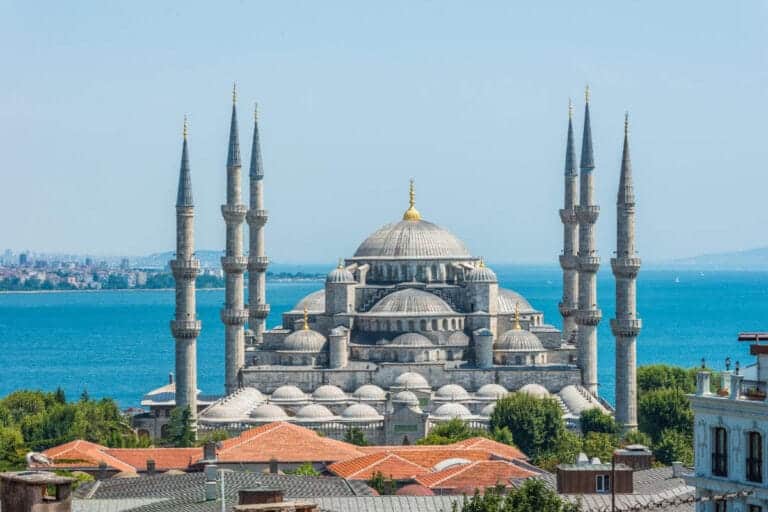
4-Day Best of Istanbul Tour
A 4 days Cultural & Heritage Tour route covering Istanbul.
View tour details →First-Time Istanbul Questions
How many days are enough for Istanbul?
Two full days cover the major landmarks at a quick pace. Three days are more comfortable for Sultanahmet, Galata, markets, and a Bosphorus outing. Four days are ideal if you want museums, neighborhoods, ferries, and relaxed meal breaks.
What is the best order for Hagia Sophia, the Blue Mosque, and Topkapi Palace?
Start with Hagia Sophia or Topkapi Palace in the morning, depending on current access conditions and lines. Visit the Blue Mosque when visitor access is available between worship periods, then move to the Basilica Cistern or Grand Bazaar later in the day.
Do I need cash for the Grand Bazaar and Spice Bazaar?
Cash is useful for small purchases, snacks, and some market stalls, but many established shops accept cards. Confirm the final price and payment method before paying, especially for higher-value items.
Is a Bosphorus cruise worth it if I am already using ferries?
Yes, if you want a longer scenic route and views beyond the central crossings. If your schedule is tight, a regular ferry still provides an excellent water-level introduction to the city.
Make Your First Istanbul Visit Feel Manageable
Focus on Sultanahmet first, then give the markets, Galata, and the Bosphorus their own time rather than forcing everything into one day. Istanbul rewards travelers who choose a few meaningful interiors and leave room for the city between them. If you would like help matching sightseeing, domestic connections, and a wider Turkey route to your travel dates, use One Nation Travel’s trip-planning service.