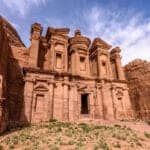

The best first-time route is: start in Istanbul, then add Cappadocia for its valleys and balloon flights. With more time, continue to Ephesus, Pamukkale, and Antalya. This combination gives a first-time visitor the strongest mix of city life, Ottoman landmarks, dramatic landscapes, ancient ruins, and Mediterranean scenery.
Turkey rewards travelers who plan by pace, not just by a list of famous places. Istanbul and Cappadocia are the two strongest choices for a short first trip. Ephesus and Pamukkale make sense when you have at least a week, while Antalya is best saved for travelers with more time or a real interest in the coast.
The five stops below are often described as cities, but Ephesus and Pamukkale are better understood as major sightseeing areas near Selçuk and Denizli. What matters is how they fit together—and how much travel time you are willing to trade for another landmark.
What to Know Before Choosing Your Route
- Istanbul should be the first stop for most travelers because it has the best international flight access and gives essential cultural context.
- Cappadocia is worth adding if you have five or more days in Turkey; two nights gives you a much better chance of fitting in a balloon flight and regional touring.
- Ephesus and Pamukkale work particularly well together, but they add road travel and are better suited to trips of seven days or longer.
- Antalya is a smart addition for a 9- to 12-day itinerary, especially if you want old-town evenings, beaches, or nearby Roman sites.
- Domestic flights save time, but airport transfers, baggage, security, and hotel check-in mean a short flight can still consume much of a day.
- For sightseeing across several regions, May, September, and October usually offer more comfortable conditions than the hottest summer weeks.
1. Why Istanbul Is the Best First Stop

Istanbul is the most practical and rewarding entry point for a first trip. It is where many international visitors arrive, and it immediately explains why Turkey feels so layered: Byzantine churches and Ottoman mosques, ferries crossing between Europe and Asia, neighborhood food markets, imperial palaces, and busy shopping streets all sit within one enormous city.
Give Istanbul at least two full sightseeing days. Three nights is more comfortable after a long-haul flight, particularly if you arrive in the afternoon or evening. Arrival day is rarely a full touring day once immigration, luggage, traffic, hotel check-in, and jet lag are factored in.
What should you prioritize in Istanbul?
A first day usually works best around Sultanahmet, with Hagia Sophia Grand Mosque, the Blue Mosque, the Hippodrome area, and Topkapi Palace Museum. A second day can include the Grand Bazaar, Spice Bazaar, and a ferry ride or Bosphorus cruise.
Travelers who enjoy food, museums, architecture, shopping, and walkable neighborhoods could easily spend four or five nights here. But for a balanced first trip, two or three nights is usually enough before moving on.
Planning tip: Do not schedule an early domestic flight the morning after a late international arrival. Istanbul traffic and airport travel times can be substantial, and an overly tight first night often creates avoidable stress.
2. Is Cappadocia Worth It on a First Turkey Trip?
Yes. For many travelers, Cappadocia is the most visually distinct place in Turkey. The region combines volcanic valleys, carved rock dwellings, cave churches, underground cities, sunrise balloon flights, and small towns where the landscape is part of daily life rather than a single attraction.
Most visitors reach Cappadocia by domestic flight from Istanbul, arriving at Kayseri or Nevşehir Kapadokya Airport. Kayseri often has more flight choices, while Nevşehir is generally closer to the main hotel areas around Göreme, Uçhisar, Ürgüp, and Avanos. Confirm your airport transfer before booking, especially if your flight lands late.
How long should you stay?
Two nights is the best minimum for most first-time visitors. It gives you one full touring day and at least two possible mornings for a hot air balloon flight. A single-night stay can work, but it leaves little room for weather disruption, delayed flights, or a relaxed evening in the region.
A typical day may include Göreme National Park, Pasabag Monks Valley, viewpoints, pottery workshops, and a Cappadocia underground city. If you dislike enclosed spaces, tell your planner before confirming an underground-city visit; these sites can involve narrow corridors and low ceilings.

What surprises travelers about Cappadocia?
The balloon ride is weather dependent, not guaranteed for a particular morning. Prices and availability vary by season and demand, and flights can be canceled for operational or weather reasons. If the experience is a priority, book at least two mornings in the region and verify whether it is included, optional, or booked separately.
Cave-style hotels also vary widely. Some are historic stone properties with atmospheric rooms; others are modern hotels built in the local style. Confirm room access, heating or cooling, stairs, and bathroom layout if comfort or mobility is a concern.
3. Why Ephesus Is the Best Choice for Ancient History
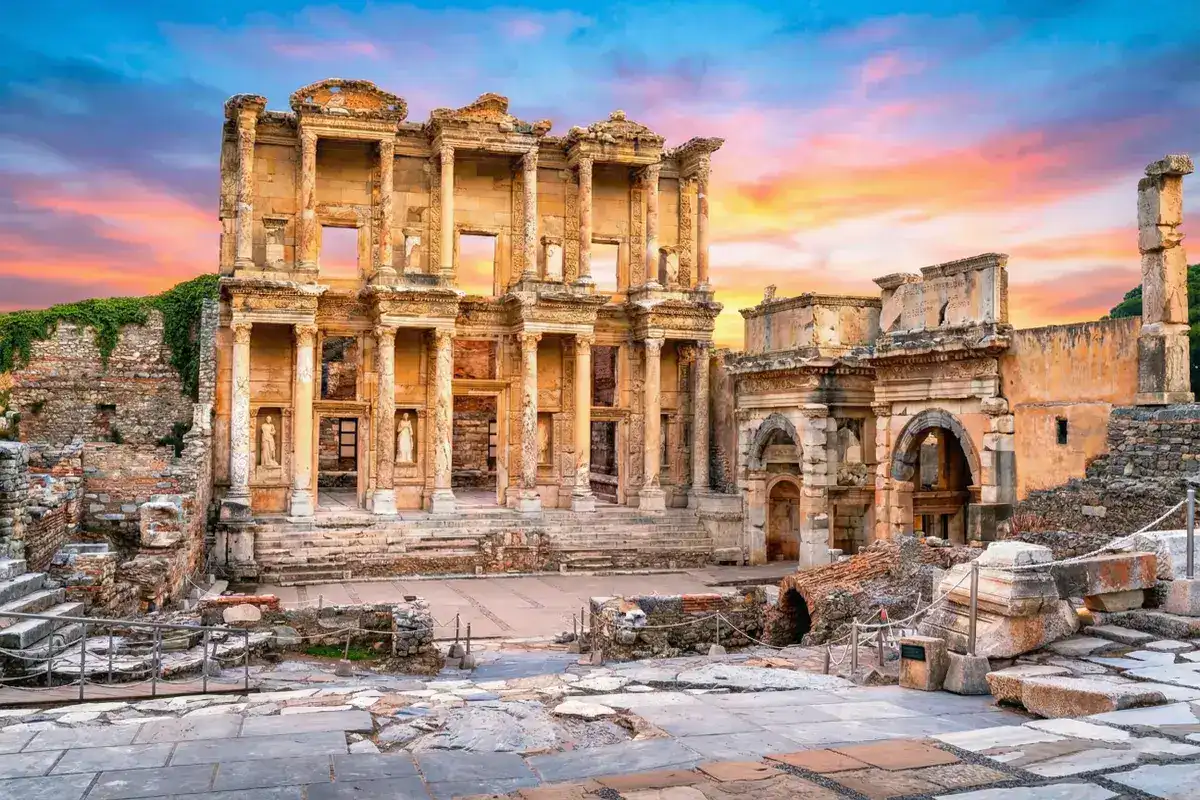
Ephesus is one of Turkey’s most impressive archaeological experiences. It is located near Selçuk on the Aegean side of the country and is usually accessed via Izmir. For travelers interested in Roman history, early Christianity, classical architecture, or archaeology, it is hard to replace.
The site is large enough to feel like a real city rather than a collection of ruins. Visitors walk along marble streets, past fountains, bath complexes, public buildings, and the Great Theatre of Ephesus. The Terrace Houses are also worth considering for travelers who want to see preserved elite residences, mosaics, and wall decoration.
Where should you stay for Ephesus?
Selçuk is a quieter and more convenient base for the archaeological site. Kuşadası offers more hotel inventory, waterfront dining, and a livelier resort atmosphere. Either can work well, but Selçuk is usually the better choice for travelers who want an early, less rushed visit to Ephesus.
Plan two to three hours at the ruins, longer in warm weather or if you want to include the Terrace Houses. Shade is limited, so morning touring is usually more comfortable than midday, especially in summer.
For a broader route that includes Ephesus alongside other highlights, see our five-day Turkey itinerary ideas and our 10-day Turkey itinerary.
4. Should First-Time Visitors Add Pamukkale?
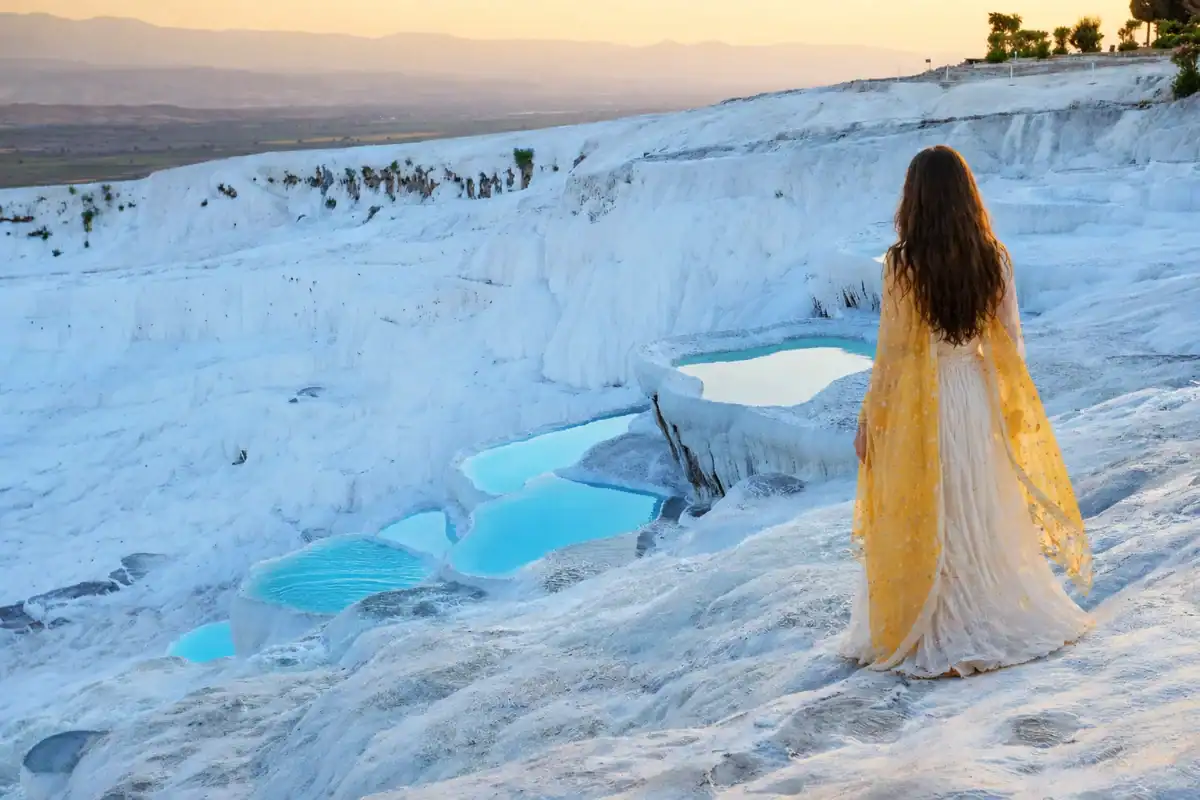
Pamukkale is one of Turkey’s most recognizable natural landmarks: a hillside of white mineral terraces formed by thermal water. It is especially worthwhile when paired with Hierapolis-Pamukkale, the ancient spa city above the terraces.
This is not usually a destination that needs several nights. One overnight stay is enough for most travelers, and it can be preferable to arriving and leaving on the same day. Staying nearby gives you a better chance to visit in gentler morning or late-afternoon light and avoid the feeling of racing through a major stop.
What should you know before visiting?
Visitors remove their shoes on permitted travertine sections, so bring a small bag for footwear and expect wet, uneven surfaces. The terraces can be bright and hot, particularly in summer. Sunscreen, water, and shoes with good grip for the rest of the site are sensible essentials.
Pamukkale is often combined with Ephesus because the overland connection is manageable, though it still requires several hours on the road. It is best treated as a meaningful half-day or overnight stop, not a quick photo break squeezed between long transfers.
5. When Antalya Belongs in Your First Turkey Itinerary
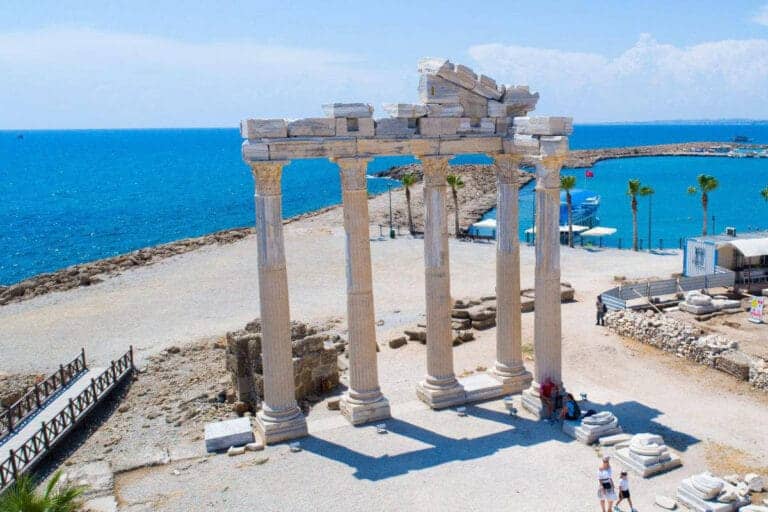
Antalya is the right addition if you want your first trip to include the Mediterranean coast without making the vacation entirely beach focused. Its historic center, Kaleiçi, is well suited to evening walks, while the wider region gives access to beaches, waterfalls, museums, and ancient sites.
Travelers who stay two nights can explore Kaleiçi, the harbor area, and one nearby attraction. With three nights, you can add a beach day or a fuller excursion to Perge Ancient City or Aspendos Theater.
Antalya works best after Cappadocia or Pamukkale, depending on the domestic-flight schedule and the direction of your route. Travelers sometimes underestimate the value of a road transfer from Pamukkale to Antalya; it can be simpler than taking a flight that requires backtracking through Istanbul.
How Many Days Do You Need for Turkey?
| Trip length | Best first-time route | What to expect |
|---|---|---|
| 5 days | Istanbul + Cappadocia | The strongest short introduction; avoid adding too many transfers. |
| 7 days | Istanbul + Cappadocia + Ephesus/Pamukkale | Full but workable with efficient flights and road transfers. |
| 9 days | Istanbul + Cappadocia + Ephesus + Pamukkale | A balanced classic route with less pressure than a one-week trip. |
| 10–12 days | Istanbul + Cappadocia + Pamukkale + Ephesus + Antalya | The best range for all five stops without constant packing. |
| 14+ days | Add Antalya time, Gallipoli, Troy, Pergamon, or Konya | More room for slower travel and regional depth. |
If you have two weeks, consider adding Gallipoli, Troy, or more time along the coast. Our two-week Turkey itinerary offers a useful starting point for a longer route.
Which Turkey Route Fits Your Travel Style?
Choose Istanbul and Cappadocia if you have limited time
This is the best choice for a first trip of five or six days. You get Turkey’s most important urban experience and its most distinctive landscape without turning the vacation into a sequence of airport transfers. It suits first-time international travelers, couples, photographers, and anyone who wants a balanced introduction.
Add Ephesus and Pamukkale if history and landmarks matter most
Choose this route if Roman ruins, archaeology, and natural scenery are higher priorities than beach time. It is ideal for travelers who are comfortable changing hotels and taking one or two longer road journeys. Confirm whether your itinerary includes entrances, guided touring, domestic flights, and airport transfers, as these details can change the real value of a package.
Add Antalya if you want recovery time and the coast
Antalya is the better choice for travelers who want slower evenings, sea views, beaches, or nearby ancient sites. Do not force it into a six- or seven-day trip unless you are willing to sacrifice time elsewhere. In most cases, it becomes worthwhile from nine days onward.
Private or group touring?
A group itinerary can be a sensible fit if you want a fixed route and shared transport. Private touring gives more control over hotel style, pacing, pickup times, and how long you spend at sites such as Ephesus or Pamukkale. Read our comparison of group tours versus private tours in Turkey before deciding.
Before booking: Verify the hotel category, domestic-flight allowance, baggage rules, airport transfers, museum entry fees, guide services, meals, balloon arrangements, and any optional activities. A lower headline price may reflect fewer included services or more overnight travel.
Choose your next step
Recommended Turkey tours
These verified options are the closest available matches for this article’s destination, route intent, and trip length.
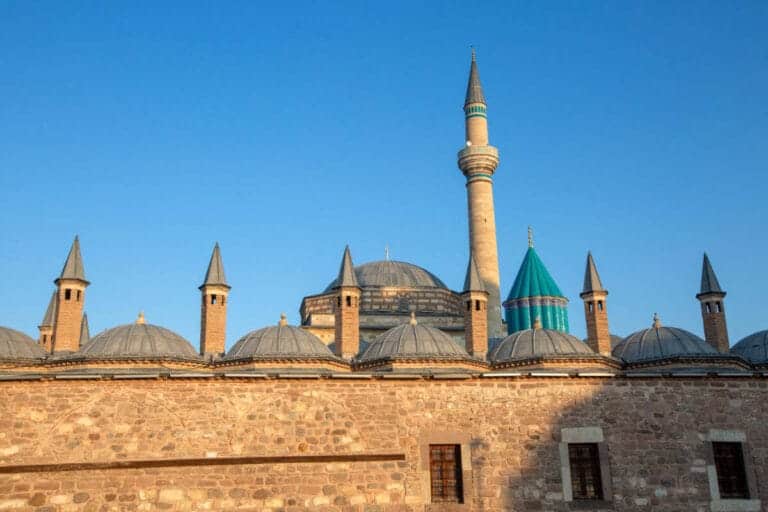
3-Day Cappadocia & Konya Tour from Istanbul
A 3 days Historical & Cultural Tour route covering Cappadocia, Konya and 1 more destination.
View tour details →
2-Day Cappadocia Adventure with Sunrise Hot Air Balloon Ride
A 2 days Historical & Cultural Tour route covering Cappadocia.
View tour details →
2-Day Cappadocia Tour from Istanbul by Plane with Hot Air Balloon
A 2 days Historical & Cultural Tour route covering Cappadocia, Istanbul.
View tour details →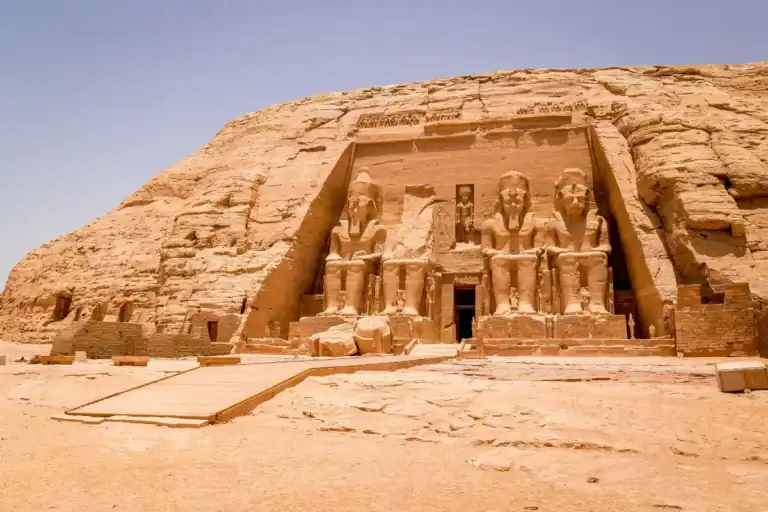
17-Day Türkiye, Egypt & Jordan Highlights Tour
A 17 days Cultural & Heritage Tour route covering Turkey, Egypt and 1 more destination.
View tour details →Questions First-Time Visitors Often Ask
What is the best month for a first trip to Turkey?
May, September, and October are often the most comfortable months for a multi-city route because temperatures are generally better for Istanbul walking tours, Cappadocia valleys, Ephesus, and Pamukkale. For a closer seasonal comparison, read when to visit Turkey for the first time.
Can I visit Istanbul and Cappadocia in five days?
Yes. Plan two or three nights in Istanbul and two nights in Cappadocia. Use domestic flights, keep arrival and departure days realistic, and resist adding Ephesus or Pamukkale unless you are comfortable with a rushed schedule.
Should I choose Ephesus or Pamukkale if I only have time for one?
Choose Ephesus for ancient history, Roman architecture, and biblical or archaeological interest. Choose Pamukkale for its white terraces, thermal landscape, and the ruins of Hierapolis. Ephesus generally needs more sightseeing time; Pamukkale is easier to enjoy as a shorter stop.
Do I need a guide for Turkey?
You can travel independently, but local guides are particularly useful at complex historical sites such as Ephesus, Topkapi Palace, and Hierapolis. Guided arrangements can also reduce friction around domestic flights, hotel pickups, and intercity transfers.
Final Recommendation for Your First Turkey Trip
For most first-time visitors, start with Istanbul and Cappadocia. Add Ephesus and Pamukkale when you have at least a week, then include Antalya when you have enough days to enjoy the coast without rushing the rest of the route.
If you would like help matching the right route to your dates, budget, hotel preferences, and preferred pace, plan your Turkey trip with One Nation Travel. Our team can coordinate a practical itinerary using selected local guides, drivers, hotels, and travel providers.