
Bottom line: Most disappointing Ephesus visits come down to timing, route direction, footwear, and trying to rush a large archaeological site in the hottest part of the day. Arrive close to opening or later in the afternoon, start from the Upper Gate when your transport plan allows, wear shoes with real grip, and allow at least two to three hours. If Roman homes and mosaics matter to you, budget separately for the Terrace Houses.
Ephesus is one of the most rewarding stops on a Turkey tour, but it is not an easy place to “pop into” without a plan. The site is broad, exposed to the sun, paved with uneven ancient stone, and especially busy when cruise excursions arrive from Kuşadası. The most important choice is simple: plan your entrance, transport, and visit time before you arrive—not while standing at the gate.
What Matters Most for an Ephesus Visit
- Enter from the Upper Gate, also called Magnesia Gate, if you want to follow the principal route downhill toward the lower exit.
- Start near opening time or visit later in the afternoon; late morning through early afternoon is usually the least comfortable window in busy months.
- Wear sturdy walking shoes with traction. Smooth marble, uneven paving, stairs, and loose surfaces are a poor match for sandals or heels.
- Allow two to three hours for the main archaeological area, then add time for the Terrace Houses, nearby religious sites, or Selçuk.
- Bring water, sun protection, and a small amount of flexibility. Entry procedures, ticket prices, opening hours, and access conditions can change seasonally.
- A guided visit is most useful when you want historical context, coordinated transfers, or help fitting Ephesus into a limited day from Istanbul, Izmir, or Kuşadası.
1. Starting at the Wrong Gate and Walking Uphill
Ephesus has two practical access points for most visitors: the Upper Gate near Magnesia Gate and the Lower Gate near the former harbor area. The route between them is not flat. Starting at the lower entrance means tackling a gradual but persistent uphill walk through the site, often in direct sun.
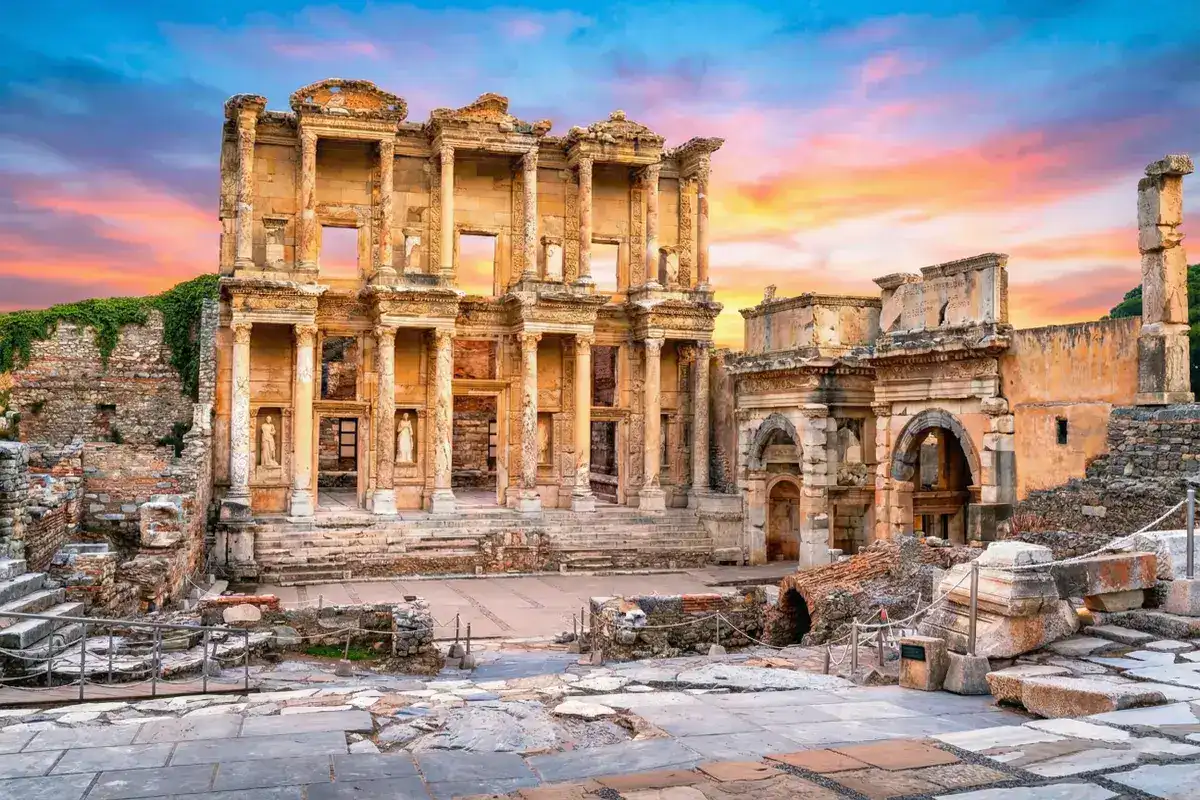
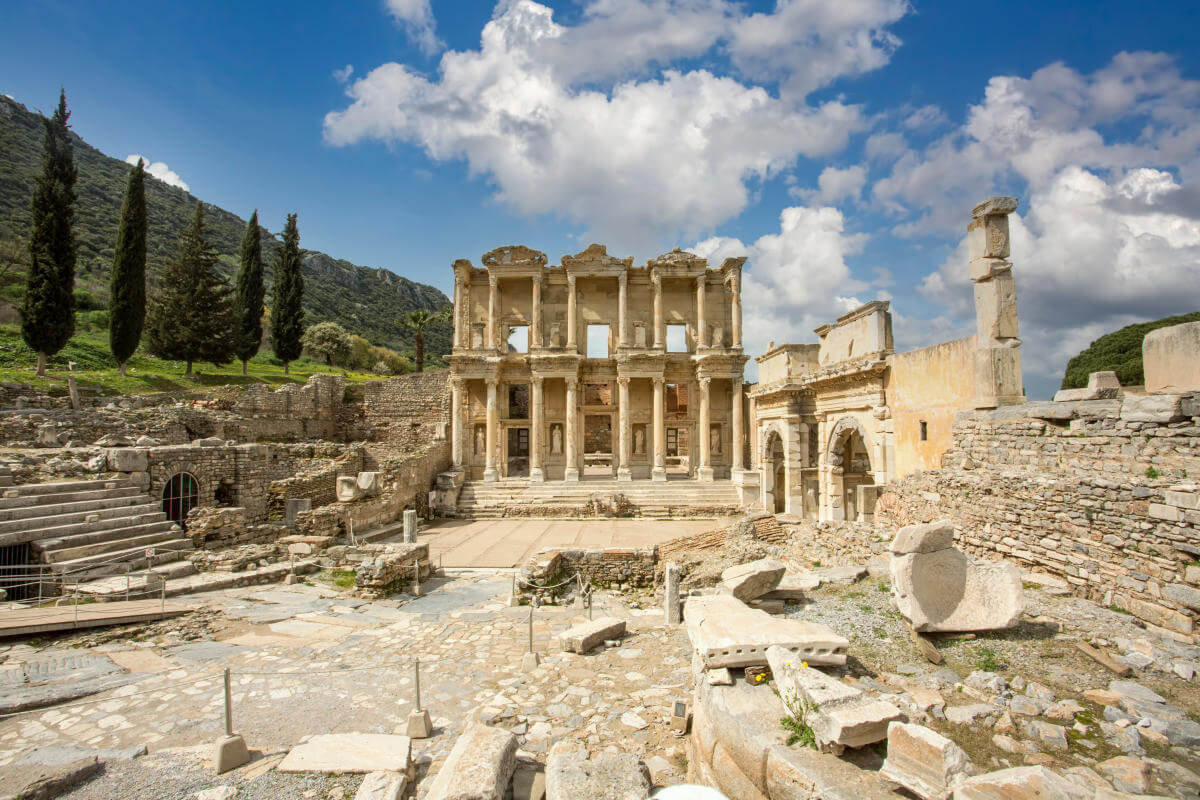
For most first-time visitors, the Upper Gate is the smarter starting point. You move downhill through the upper civic areas, along Curetes Street, past major monuments, and toward the facade of the Library of Celsus and the lower exit. It is easier on knees and energy levels, particularly for travelers visiting in warmer weather.
This only works if your transport is arranged properly. Independent drivers, taxis, private transfers, and guided tours should know that drop-off and pickup need to be at different gates. Before booking or departing, confirm:
- Which gate the vehicle will use for drop-off
- Where and when your return pickup will be
- Whether the visit includes nearby stops that may affect the route order
- How much walking is expected for everyone in your party
Practical tip: If mobility, heat tolerance, or walking comfort is a concern, tell the travel planner before the day is finalized. A downhill route helps, but ancient paving remains uneven and there are still stairs and slopes.
2. Arriving When the Site Is Most Crowded
There is no crowd-free guarantee at Ephesus, especially in the main travel season. Still, timing makes a real difference. Midday is often the hardest period because organized groups and cruise passengers may overlap while temperatures rise and shade is limited.
Aim to enter close to opening time if you want cooler conditions and more room to pause at the major sights. A later-afternoon visit can also be a good fit for travelers who prefer softer light and are comfortable watching the remaining site time carefully. Opening hours can vary by season, so confirm the current schedule before setting your transfer or flight plan.
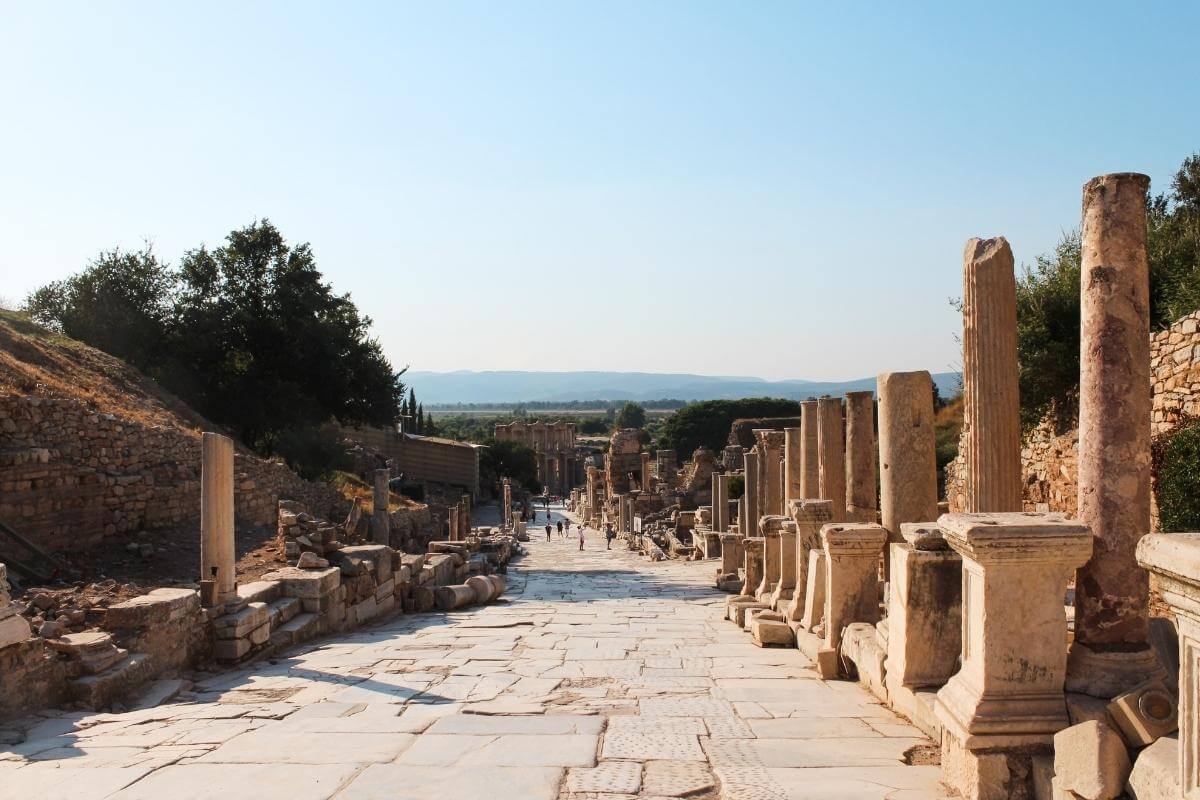
Photography is also easier when you are not trying to work around a steady stream of groups. The marble street leading toward the Great Theatre of Ephesus and the Library of Celsus are far more enjoyable when you have time to stop, look, and listen rather than simply shuffle along.
For more context before choosing your route through the ruins, read our Ephesus travel guide to the ruins worth prioritizing and history of Ephesus from Greek settlement to Roman city.
3. Wearing Shoes That Do Not Belong on Ancient Marble
Ephesus is not a museum with smooth indoor flooring. Its surfaces include polished marble, uneven stone, steps, rough ground, and areas where centuries of wear have made footing unpredictable. Flip-flops, thin-soled fashion sandals, and high heels are common regrets.
Choose closed-toe sneakers, trail-style walking shoes, or supportive sandals with a secure heel strap and good tread. The best choice depends on the season, but grip matters more than appearance. Travelers with ankle, knee, or balance concerns should use a walking aid if they normally rely on one and should not assume every part of the site will be comfortable or accessible.
Pack for heat, sun, and a long walk
- A refillable water bottle or sufficient water for the visit
- Hat, sunglasses, and sunscreen
- Lightweight breathable clothing
- A light layer for cooler spring or fall mornings
- Modest coverage if your day also includes the House of Virgin Mary or a mosque
There is no religious dress code for the archaeological site itself. However, modest clothing is appropriate when visiting the House of the Virgin Mary or the Isa Bey Mosque nearby.
4. Skipping the Terrace Houses Without Considering What You Lose
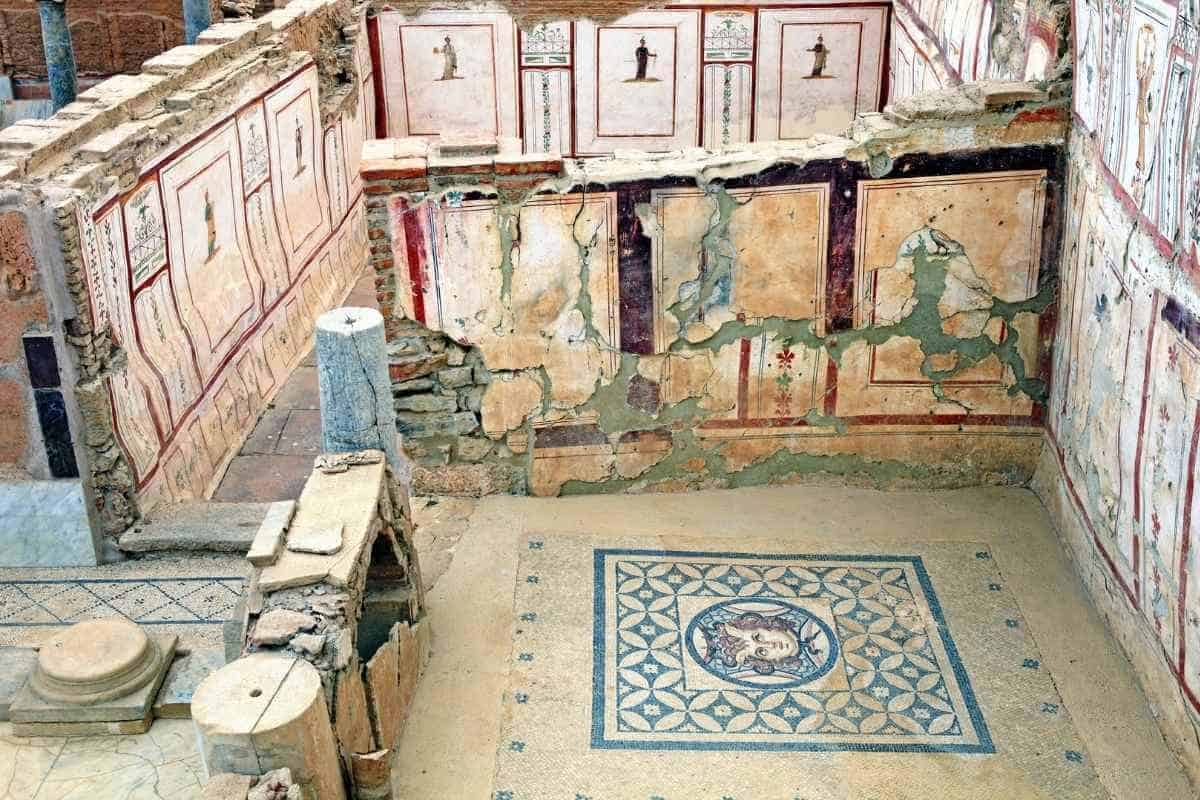
The Terrace Houses in Ephesus are not part of the standard main-site experience in the same way as the outdoor streets and public monuments. Access typically requires an additional admission ticket, and travelers should confirm the current ticket structure and availability before their visit.
They are worth the added time and cost for travelers interested in how wealthy residents actually lived. Instead of only seeing grand public spaces, you see excavated residences with surviving mosaics, painted walls, and a clearer sense of domestic Roman life. The covered setting can also offer a welcome break from the sun, although it includes stairs and is not a simple choice for every mobility level.
Skip the Terrace Houses if your group has very limited time, struggles with stairs, or is mainly focused on the headline outdoor monuments. Add them if you enjoy archaeology, ancient art, or slower-paced interpretation. They usually need at least 30 to 45 additional minutes, and longer if you want to study the details rather than pass through quickly.
5. Underestimating the Heat, Sun, and Pace of the Site
Ephesus is an outdoor archaeological site with limited shade. In summer, the combination of strong sun, reflected heat from pale stone, and walking can feel more demanding than the distance suggests. Even travelers who are comfortable sightseeing in cities may find that they need more water and more pauses here.
Do not build a tight schedule that expects you to finish Ephesus, eat lunch, visit several nearby stops, and catch a flight or cruise departure with no buffer. A delayed transfer, a long restroom line, a slower walker, or simply wanting ten extra minutes at the Library of Celsus can change the day.
Choose the season and hour that suit your group
| Travel situation | Best approach | What to watch for |
|---|---|---|
| Summer visit | Enter early, use the downhill route, and keep the day focused. | Heat, limited shade, cruise-related congestion. |
| Spring or fall visit | Plan a longer visit with Ephesus plus Selçuk or the House of Virgin Mary. | Variable rain, cooler mornings, seasonal hours. |
| Limited-mobility traveler | Arrange transport carefully and set realistic expectations for uneven surfaces. | Slopes, steps, cobbles, and restricted access to some areas. |
| Cruise-day visitor | Use a pre-arranged, return-conscious itinerary. | Ship departure time, traffic, and gate-to-vehicle coordination. |
6. Walking Through Without Any Context
You can appreciate Ephesus independently, especially if you have read ahead and prefer to move at your own pace. But the site becomes much more meaningful when you understand what the fragments once were: a commercial city, a religious center, a place of civic politics, and an important setting in early Christian history.
A licensed local guide can explain why a street, inscription, fountain, or row of columns matters, rather than leaving you to interpret a site plan in the heat. This is particularly valuable at the Great Theatre, the public areas near the library, and the Terrace Houses. Travelers with a strong interest in biblical history may also want the day to include the House of the Virgin Mary, the Basilica of Saint John, or the remains associated with the Temple of Artemis.
If you prefer to visit independently, prepare properly: download an offline map, read about the route in advance, and decide which sections matter most before entering. A useful starting point is our seven-day Turkey itinerary covering Istanbul, Cappadocia, Ephesus, and Pamukkale, which helps put an Ephesus stop into a realistic wider route.
7. Trying to Do Ephesus Properly in One Hour
A one-hour visit is possible only as a rushed highlights walk, and it leaves little room for pauses, photography, explanation, restrooms, or the Terrace Houses. For most travelers, allow two to three hours inside the principal archaeological area. Add at least another hour if you are including the Terrace Houses, and more time for nearby sites or lunch in Selçuk.
The nearby Selçuk area makes Ephesus more than a single-ruin stop. It can be combined with the Basilica of Saint John, Isa Bey Mosque, and the small but historically significant remains of the Temple of Artemis. The House of the Virgin Mary is also commonly paired with Ephesus, though it requires separate transport and should not be squeezed in carelessly before a flight or cruise return.
Which Ephesus Tour Style Fits Your Trip?
The right tour depends mostly on where you wake up that morning and how much coordination you want handled. Travelers staying in Izmir or Kuşadası can usually devote their day to the ruins and nearby sites. Travelers staying in Istanbul need to decide whether a long day involving flights is worth it or whether Ephesus belongs in a longer western Turkey route.
From Istanbul: choose convenience or more time
An Ephesus Day Trip from Istanbul is listed from USD 324 and lasts 15 hours. It suits travelers with limited time who want Ephesus without changing hotels, but it is a long day and requires careful coordination around flight and transfer timing. If Pamukkale is also a priority, the 2-Day Private Ephesus & Pamukkale Tour from Istanbul by Flight, listed from USD 959, gives the itinerary more breathing room.
From Izmir or Kuşadası: protect your time at the site
The Ephesus Day Trip from Izmir is listed from USD 160 for 9 hours, while the Ephesus Guided Day Tour from Kusadasi is listed from USD 160 for 7 hours. These options are a better fit when you are already in the region and want less travel overhead than an Istanbul day trip.
Before booking any option, verify the current itinerary, pickup point, entrance fees and add-ons, flight arrangements where applicable, walking demands, and whether Terrace Houses admission is included or paid separately. “From” prices can change with travel date and availability.
Choose your next step
Recommended Ephesus tours
These verified options are the closest available matches for this article’s destination, route intent, and trip length.
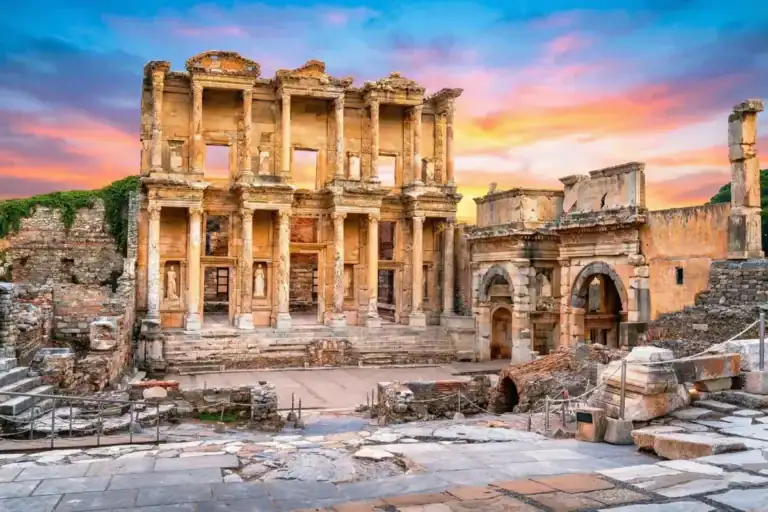
Ephesus Day Trip from Istanbul
A 15 hours Cultural & Heritage Tour route covering Ephesus, Istanbul.
View tour details →
2-Day Private Ephesus & Pamukkale Tour from Istanbul by Flight
A 2 days Cultural & Heritage Tour route covering Ephesus, Pamukkale and 1 more destination.
View tour details →
Ephesus Day Trip from Izmir
A 9 hours Cultural & Heritage Tour route covering Ephesus, Izmir.
View tour details →Ephesus Guided Day Tour from Kusadasi
A 7 hours Cultural & Heritage Tour route covering Ephesus.
View tour details →Quick Answers Before You Visit Ephesus
How long should I spend at Ephesus?
Plan two to three hours for the main ruins. Add at least 30 to 45 minutes for the Terrace Houses and more time for the House of the Virgin Mary, Selçuk, or a relaxed lunch stop.
Is Ephesus wheelchair accessible?
Accessibility is limited by ancient paving, slopes, uneven surfaces, and stairs. Some main-route areas may be manageable with assistance, but travelers should discuss practical needs before booking and should not expect full access throughout the site or Terrace Houses.
Is the Terrace Houses ticket included with Ephesus admission?
The Terrace Houses commonly require separate admission from the main archaeological site. Check the current ticket terms before travel, particularly if this section is a priority for your visit.
Can I visit Ephesus and the House of the Virgin Mary on the same day?
Yes. They are often paired in a half-day or full-day itinerary, especially from Izmir or Kuşadası. Allow enough transfer and visit time so neither stop becomes a rushed photo break.
Plan Ephesus Around Your Energy, Not Just Your Schedule
Ephesus rewards travelers who slow down. Start at the Upper Gate when possible, avoid the hottest and busiest part of the day, wear reliable shoes, and decide in advance whether the Terrace Houses deserve a place in your budget and schedule. That small amount of planning turns a tiring checklist stop into a visit with room for the city’s streets, homes, theater, and stories to make sense.
If you would like help matching Ephesus with Istanbul, Izmir, Kuşadası, Pamukkale, or a longer Turkey route, plan your Turkey trip with One Nation Travel.