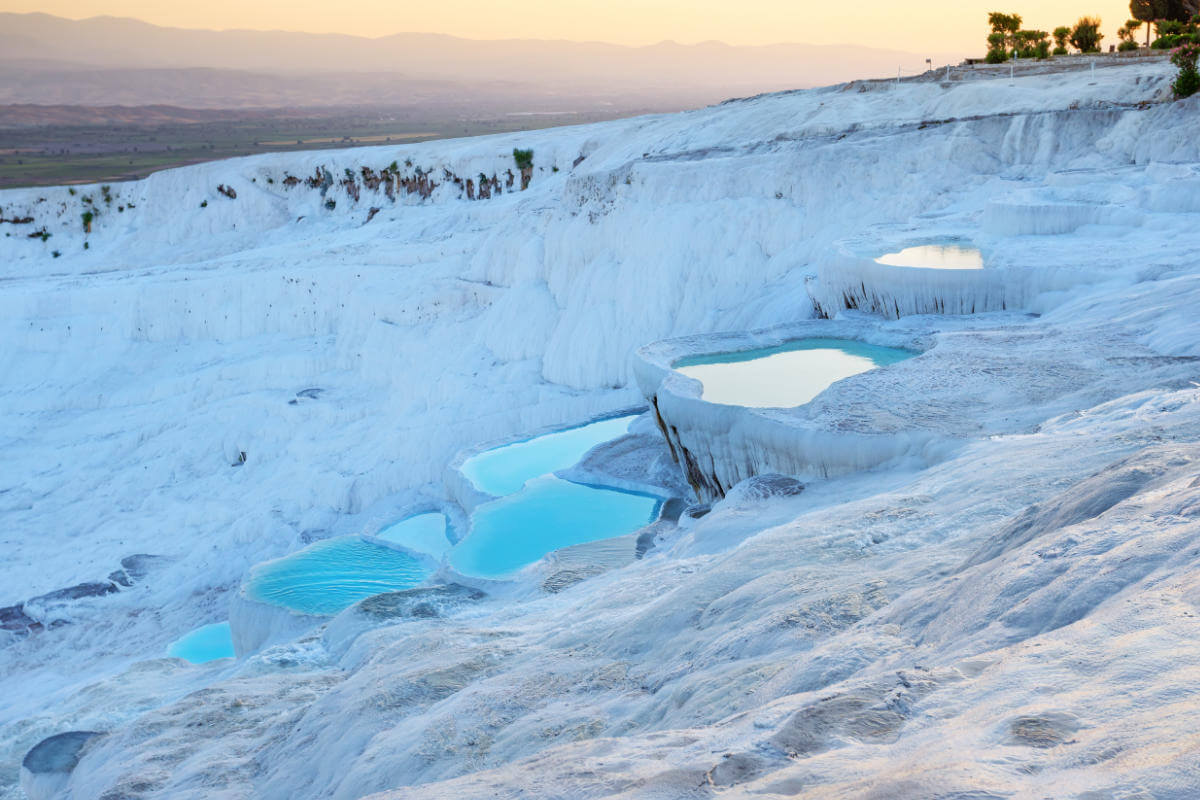
Imagine a cascade of white terraces spilling down a hillside, each pool brimming with warm, mineral-rich water that glows turquoise under the Anatolian sun. This is the Pamukkale Travertines—Turkey’s legendary “Cotton Castle”—a geological wonder that has drawn travelers, healers, and pilgrims for over two thousand years.
A Natural Marvel Shaped Over Millennia
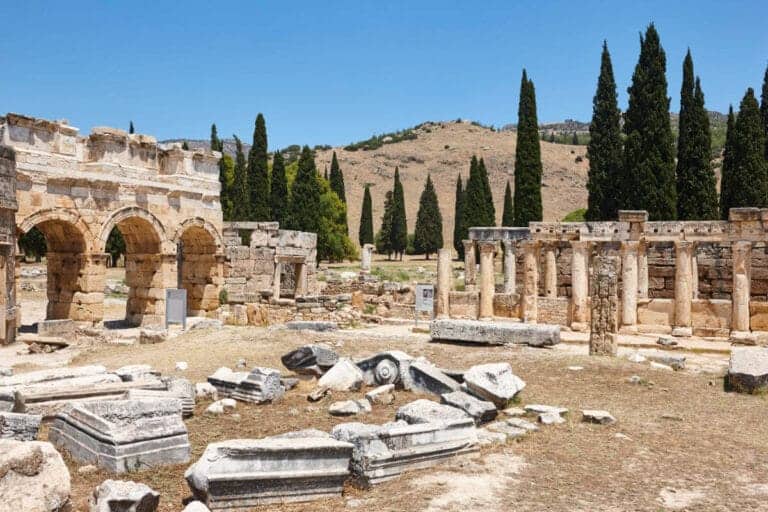
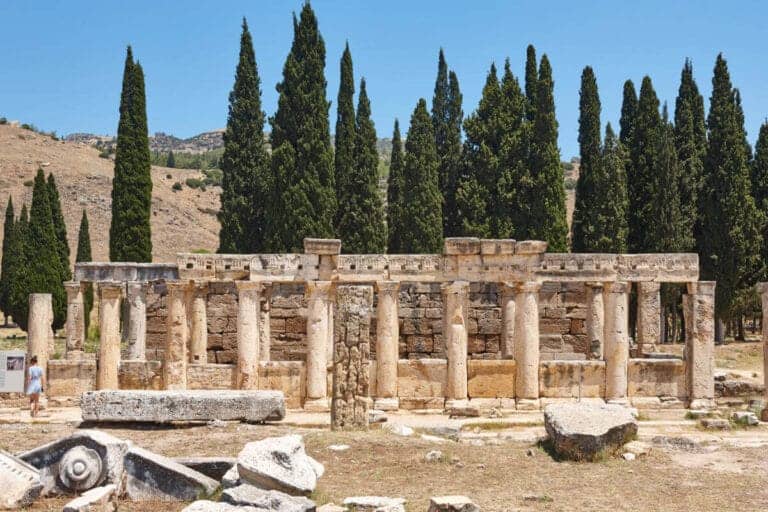
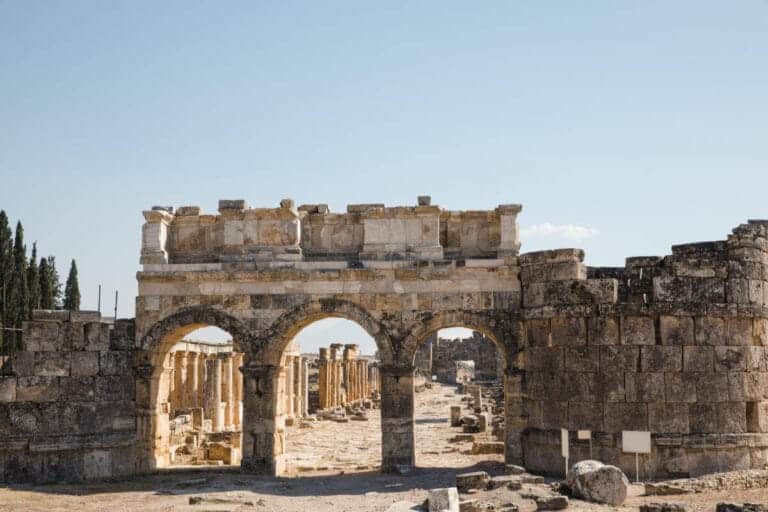
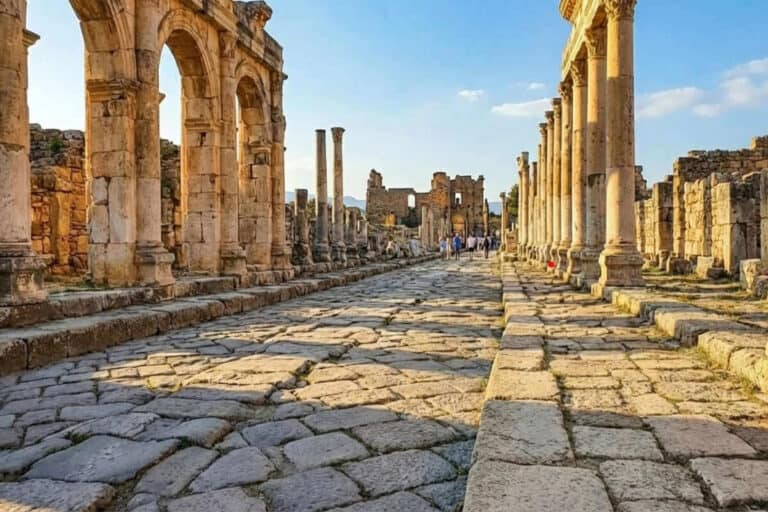
Located in southwestern Turkey, near the modern town of Denizli, the Pamukkale Travertines formed over roughly 400,000 years as calcium carbonate–laden thermal waters flowed down the 200-meter-high cliffside. The dissolved minerals cooled, hardened, and slowly built the dazzling white terraces visible today. Ancient Romans recognized the site’s extraordinary power: they founded the spa city of Hierapolis directly above the terraces around 190 BC, constructing bathhouses, temples, and a theater to serve visitors seeking the waters’ curative properties. UNESCO designated the entire Pamukkale-Hierapolis complex a World Heritage Site in 1988, protecting both the natural formations and the ancient ruins.
What to See and Experience
Walking barefoot across the Pamukkale Travertines is a sensory experience unlike anything else. The calcite surface feels smooth and slightly warm beneath your feet, and shallow pools collect water at a soothing 36°C (97°F). As you wade through the terraces, sunlight refracts through the milky blue water, casting pale shadows against the brilliant white stone. On clear days, the surrounding cotton fields and distant mountains create a striking contrast against the bone-white hillside.
The Antique Pool, also called Cleopatra’s Pool, is distinct from the travertine walking route. The Ministry’s current Hierapolis listing says the pool is open; check the actual bathing arrangements, admission and operating hours separately. Swimming is not automatically included in an archaeological-site ticket or a Pamukkale tour.
Practical Tips for Your Visit
The best time to visit the Pamukkale Travertines is early morning or late afternoon, when crowds thin and the soft light turns the terraces golden. Plan at least three to four hours to explore both the travertines and the Hierapolis archaeological site above. Shoes must be removed on the terraces, so bring a small bag to carry them. Sunscreen is essential—the white calcite reflects UV light intensely. Visiting between April and June or September and November offers comfortable temperatures without peak-season congestion.
A Place That Stays With You
Few places on earth combine raw geological beauty with layers of ancient civilization the way the Pamukkale Travertines do. Standing atop these luminous white pools, looking out across the Lycus Valley while warm mineral water flows around your ankles, you understand why people have been making this journey for over two millennia—and why they keep coming back.
Plan the next step
Recommended Tours for Your Pamukkale Visit
Compare tours for Pamukkale Travertines (Cotton Castle) by starting point, duration and itinerary. A listed stop can change with local access conditions; check the current program before booking.

Full-Day Pamukkale & Hierapolis Tour from Kuşadası
Pamukkale day itinerary — check pickup details
This full-day tour from Kuşadası takes you to the natural wonder of Pamukkale and the ancient city of Hierapolis. Walk…
View Tour Details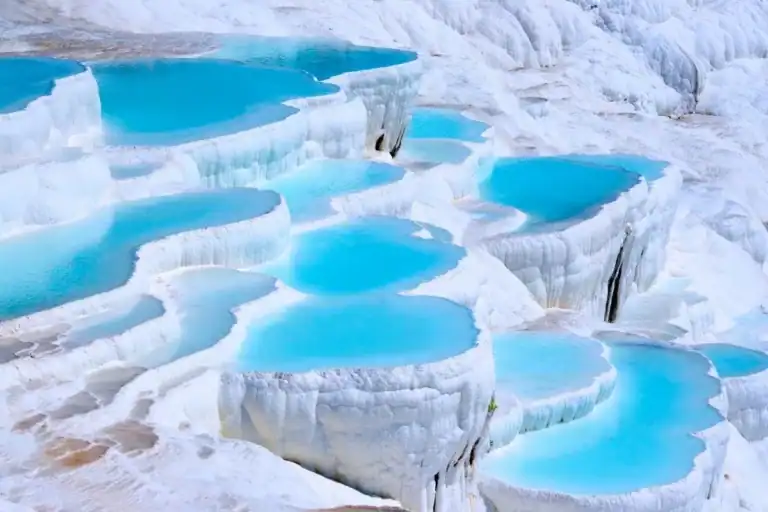
Pamukkale and Hierapolis Day Tour from Denizli Airport
Pamukkale day itinerary — check pickup details
Plan a Pamukkale day tour from Denizli Airport with One Nation Travel. Review the tour information and find the details…
View Tour Details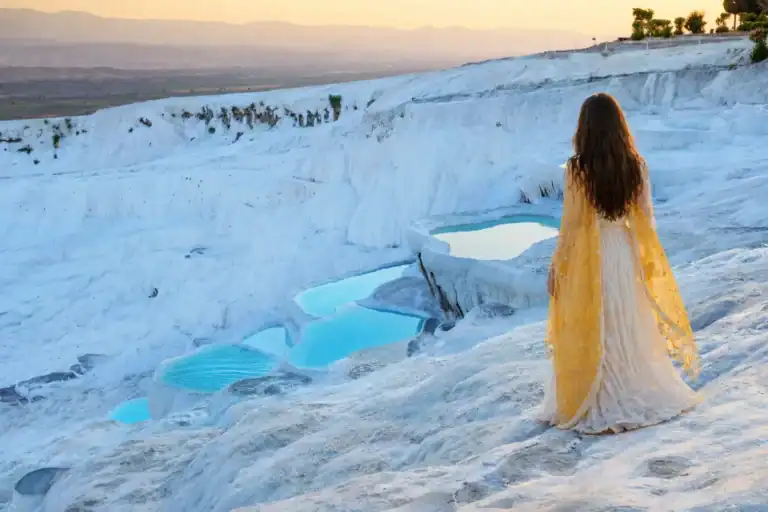
Pamukkale & Hierapolis Full-Day Tour from Izmir
Starts from Izmir
Book the Pamukkale and Hierapolis Full-Day Tour from Izmir to see travertines, ancient ruins and hot springs at a great…
View Tour DetailsSources and visitor information
Check current access arrangements and local notices before traveling.