

Best Time to Visit Morocco
Compare Marrakech, Fez, the Atlantic coast, Atlas Mountains and Sahara before choosing your dates.
The best time to visit Morocco is generally March to May and September to November. These periods suit an itinerary combining Marrakech, Fez, the Atlas foothills and the Sahara. For desert travel, favor October to April; in July and August, the Atlantic coast is usually more practical than heat-intensive inland cities or long desert excursions.
🌎 Morocco Weather by Region
Morocco combines Atlantic and Mediterranean coasts, inland imperial cities, high mountains and desert margins. Conditions can differ sharply between stops on the same itinerary.
| Region | Best window | Typical winter high | Typical summer high | Planning advice |
|---|---|---|---|---|
| Marrakech & Haouz Plain | March–May & October–November | 18–21°C | 36–39°C | Summer sightseeing needs early starts and indoor or shaded midday time; winter evenings can feel cold. |
| Fez, Meknes & Inland North | March–May & September–November | 16–19°C | 34–38°C | Expect hotter summer afternoons and more winter rain than in Marrakech. |
| Casablanca, Rabat & Atlantic North | April–June & September–October | 17–20°C | 25–28°C | Ocean influence moderates temperature, with wind, cloud and winter rain still possible. |
| Essaouira & Atlantic Central Coast | May–October | 18–20°C | 22–25°C | Summer is much cooler than inland Morocco, but wind can affect beach comfort and water activities. |
| Agadir & Souss Coast | Year-round; spring and autumn for touring | 20–23°C | 25–30°C | A useful coast base, with marine cloud and regional heat differences on inland day trips. |
| High Atlas | April–June & September–October | 5–15°C | 20–30°C | Elevation changes conditions quickly; snow, storms and pass access require current local checks. |
| Sahara gateways & Merzouga | October–April | 18–22°C | 40–44°C | Avoid a heat-intensive summer desert itinerary and prepare for cold nights outside summer. |
Planning rule: For a Marrakech–Atlas–Sahara route, use desert daytime heat and mountain or camp nights as your benchmark rather than Marrakech averages alone.
🧭 Best Time to Visit Morocco by Travel Style
Start with what you want to do, then choose the month. Regional weather and operating seasons can vary significantly.
| Travel style | Best time | Why it works |
|---|---|---|
| First-time Morocco circuit | March–May or October–November | A practical balance for imperial cities, mountains and a desert extension. |
| Marrakech & Fez city trip | March–May or October–November | Milder walking conditions for medinas and open-air sights. |
| Sahara camp | October–April | Avoids the most intense summer heat, with warm layers still needed for nights. |
| High Atlas trekking | April–June or September–October | Often the most practical conditions, subject to route elevation, snow and guide advice. |
| Atlantic coast break | May–October | Essaouira and Agadir are cooler than inland cities during summer. |
| Surf trip | Season depends on ability and coast | Swell, wind and water conditions vary; choose dates with a qualified local operator. |
| Photography & architecture | March–May or October–November | Supports longer walking days and a route spanning medinas and landscapes. |
| Food, crafts & hammams | Year-round | Indoor and evening experiences can anchor days during heat or rain. |
| Heat-sensitive travelers | March–April or October–November | Reduces exposure to peak inland and desert heat. |
Our pick: April and October are the simplest all-round choices. Shift toward summer for an Atlantic-focused trip and toward winter for a cool-season Sahara itinerary.
📅 Month-by-Month Guide to Morocco
January
February
March
April
May
June
July
August
September
October
November
December
The monthly temperature and rainfall figures use Marrakech as a consistent reference. Atlantic cities are cooler in summer, while Atlas and desert conditions differ sharply; rate and crowd labels are broad indicators, not guarantees.
☀ Seasons in Morocco
Spring
- Perfect sightseeing temperatures
- Atlas Mountain wildflowers
- Rose Valley harvest (May)
- Comfortable desert conditions
- Shoulder season prices
- Some rain in March
- Sandstorms possible in southern regions
- Popular period — book ahead
Summer
- Coastal cities breezy and pleasant
- Gnaoua Festival in Essaouira (June)
- Long daylight hours
- Great for Atlantic coast beaches
- Extreme heat inland (40°C+)
- Sahara Desert too hot to visit
- Marrakech and Fez exhausting
- Ramadan may fall in summer
Autumn
- Comfortable temperatures everywhere
- Date and olive harvests
- Desert camps reopen
- Fewer tourists than spring
- Excellent tour deals
- Rain increases in November
- Evenings get cool quickly
- Some southern roads may be affected by rain
Winter
- Lowest prices of the year
- Snow-capped Atlas Mountains
- Quiet souks and riads
- Skiing at Oukaimeden
- Almond blossoms in February
- Cold desert nights (near 0°C)
- Rain in northern cities
- Shorter daylight hours
- Some mountain passes closed
🎆 Events & Festivals in Morocco
Ramadan and Eid Holidays
Daily routines, government hours and some food service can change. Final religious dates depend on official observation, so reconfirm for your travel year.
Official holiday guidance →Fez Festival of World Sacred Music
Official dates for the 2026 edition. Venue access, tickets and the program should be checked on the festival site; 2027 dates are not inferred.
Official 2026 schedule →Gnaoua and World Music Festival
The official 2026 edition. Accommodation and transport demand can rise around performances, so compare exact-date availability.
Official festival site →Feast of the Throne
A fixed national holiday. Government offices and some services may close or alter hours.
Official holiday list →🎫 Recommended Morocco Tours
Explore current Morocco tours and check each itinerary's written inclusions, exclusions and available dates.
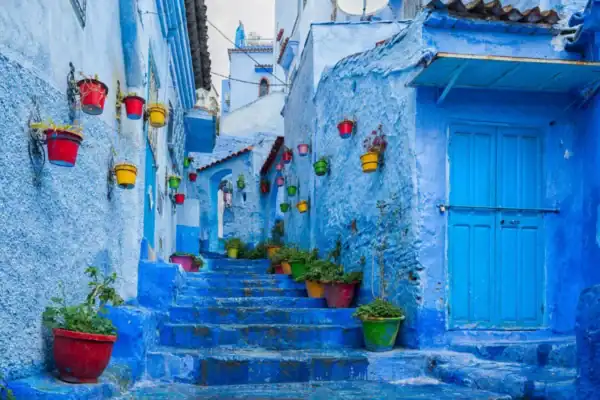
9-Day Morocco Tour: Marrakech, Sahara Desert, Fez & Chefchaouen
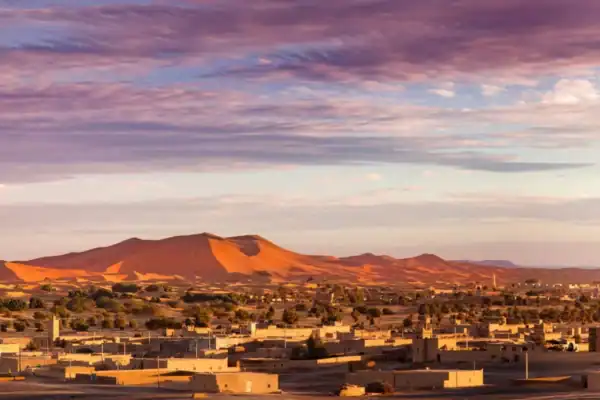
3-Day Private Desert Tour from Errachidia to Marrakech via Merzouga
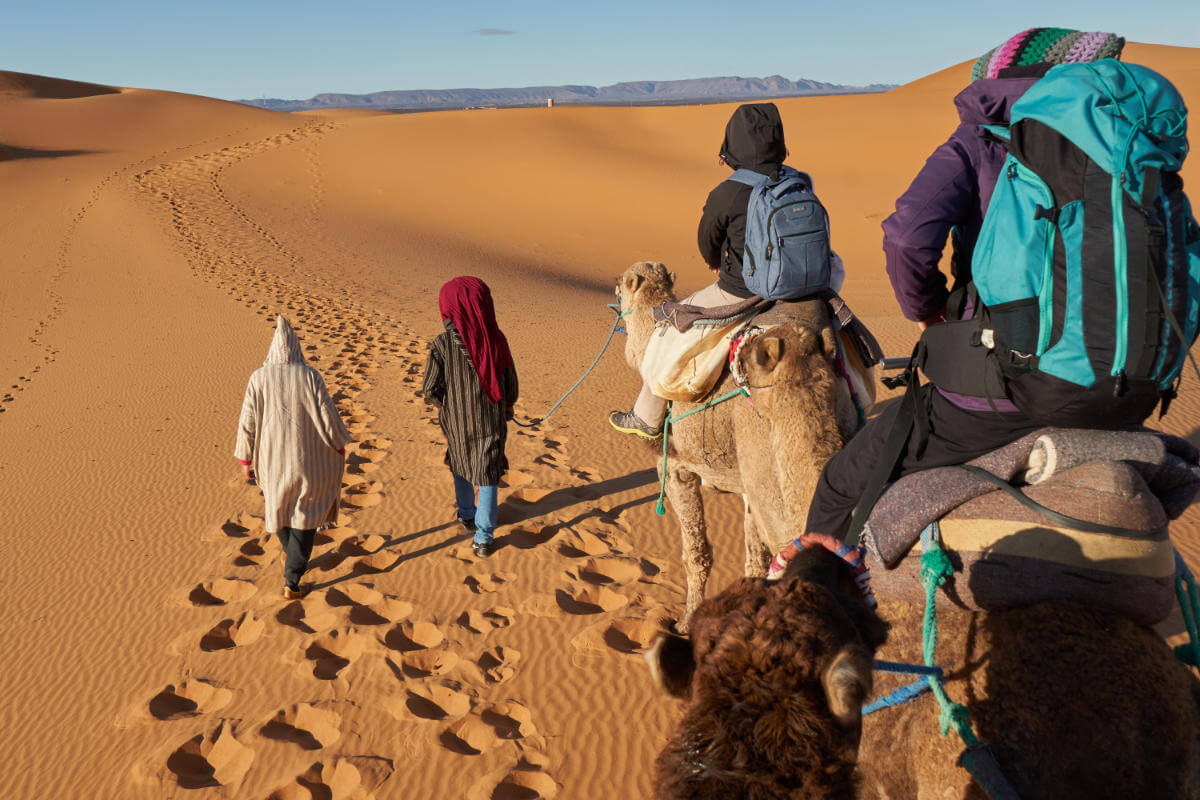
5-Day Morocco Tour: Casablanca to Sahara & Marrakech
💡 Travel Tips for Morocco
Use early starts, shade and long midday breaks in Marrakech, Fez and desert gateways during hot periods.
Desert camps and mountain areas can be cold after sunset even when daytime temperatures feel warm.
Snow, rain, road works and local conditions can affect Atlas passes. Follow official and driver guidance rather than a seasonal assumption.
Heavy rain can affect wadis and roads. Do not enter closed routes and keep remote excursions flexible.
Tourism continues, but business and meal patterns can shift. Reconfirm transport, attractions and restaurants for exact dates.
Passport and entry requirements depend on nationality and can change; verify them before departure.
❓ Frequently Asked Questions
April and October are strong all-round choices for cities, mountains and the Sahara. Conditions still vary by region and neither month guarantees low demand.
March to May and October to November generally provide the most comfortable walking weather. Winter is viable with cool nights; midsummer needs a heat-adapted schedule.
October through April is the practical broad window. Winter nights can be cold, while summer heat makes long daytime desert activities unsuitable for many travelers.
Yes, but choose the route carefully. Atlantic destinations such as Essaouira and Agadir are generally easier than a fast-paced inland and desert circuit. Schedule city sightseeing early.
April to June and September to October work for many lower and mid-elevation routes. High-altitude conditions, snow and trail status require local confirmation.
Days can be mild in cities and on the coast, but nights are colder inland, in the desert and in mountain areas. Snow can affect high elevations, so pack layers and check road conditions.
It can be rewarding, and tourism services continue, but some restaurant, shop and attraction hours change. Respect local customs and verify schedules, especially outside major tourist centers.
May to October is the broad beach window, with local variation. Atlantic wind, marine cloud and water temperature affect comfort, so check the specific coast.
Some suppliers may reduce rates in hotter or cooler periods, but there is no guaranteed cheapest month or quiet medina. Compare live transport, riad and tour prices for your dates.
Book earlier for spring and autumn circuits, year-end dates, major festivals, preferred desert camps and small riads. Availability varies by city and event week.
Yes. Short heavy rain can affect mountain passes, desert roads and wadis. Follow local authorities and experienced drivers, and keep remote-route timing flexible.
One Nation Travel
Reviewed by our travel planning team using Moroccan climate, tourism, government and event sources current on 22 July 2026.
How we researched this guide
Regional ranges are rounded long-term planning values drawn from Morocco’s official tourism climate guidance and meteorological material; they are not forecasts. Seasonal demand and rate descriptions are comparative, not guarantees. Event and holiday details were checked against official government or organizer sources available on 22 July 2026, and future lunar dates must be reconfirmed.
Ready to Plan Your Morocco Trip?
Ask One Nation Travel to plan, book and coordinate a Morocco itinerary. The selected tour page and written quote state every included transfer, hotel and guided service.