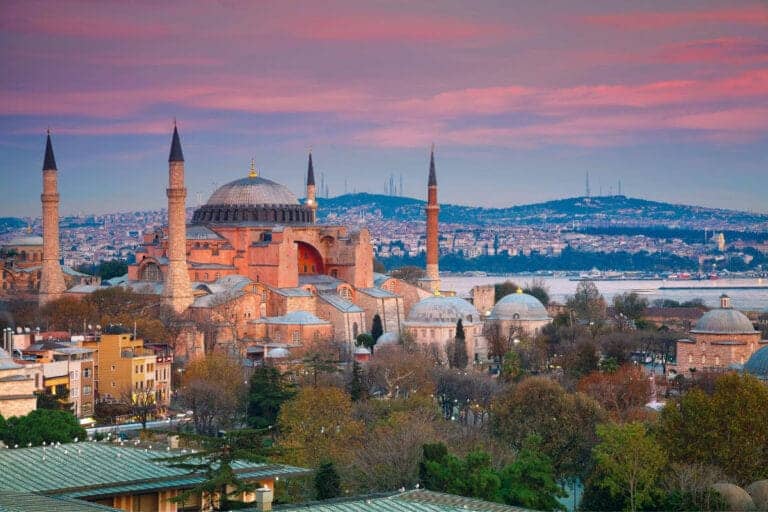

Istanbul is best understood as a city of layers rather than a checklist of monuments. Its headline sights are concentrated around Sultanahmet, but the experience becomes much richer when you also make time for a ferry ride, a market breakfast, a walk through older neighborhoods, and an evening on the Bosphorus. For most first-time visitors, four days is ideal; three full days can work if you plan each area carefully and avoid crossing the city repeatedly.
📋 Quick Facts
| Best Time to Visit | April–May and September–October for comfortable walking weather and fewer heat-related crowds. |
| Time Needed | 3–4 full days for major landmarks, neighborhoods, markets, and a Bosphorus ferry or cruise. |
| Difficulty | Easy to moderate; the city is walkable in key districts, but hills, cobblestones, traffic, and ferry timing require some planning. |
| Must-Bring | Comfortable walking shoes, a reusable water bottle, modest clothing for mosque visits, and a contactless payment card or Istanbul transit card. |
Start with Sultanahmet’s imperial landmarks
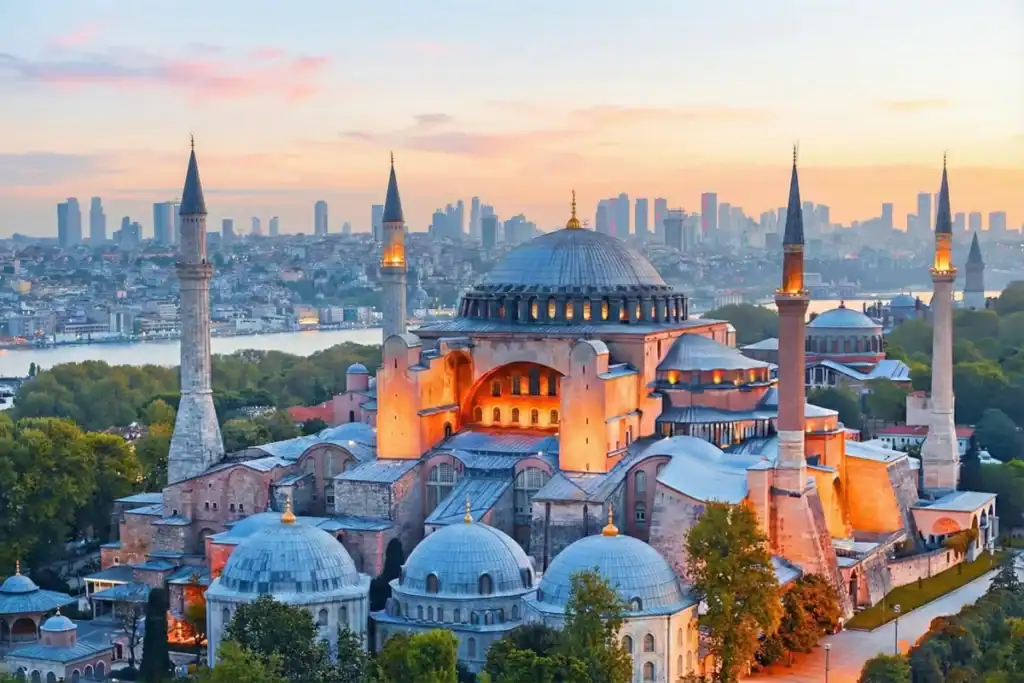
Sultanahmet is where many visitors meet Istanbul’s Byzantine and Ottoman past face to face. The district is compact enough to explore on foot, but the sites deserve more than a hurried morning. Start early, especially in spring and fall, when tour groups and independent travelers arrive quickly.
Hagia Sophia is the natural first stop. Built as a Byzantine church, converted into an Ottoman mosque, used as a museum during part of the modern era, and now functioning as a mosque again, it carries nearly 1,500 years of change within one extraordinary structure. Visitors should confirm current visitor access rules, prayer-time arrangements, and any ticket requirements before their visit, as these can change.
Across Sultanahmet Square stands the Blue Mosque, recognizable for its six minarets and blue İznik-style tile interior. It remains an active place of worship, so modest dress and quiet behavior matter. Outside prayer periods, plan for a short security line and remember that access may pause around prayer times.
The square itself was once the Byzantine Hippodrome, where chariot races and public ceremonies took place. Although much of the original arena has disappeared, the space still makes sense once you notice its long, open shape and surviving monuments. This is also a useful place to pause before moving toward the palace complex.
Give Topkapı Palace enough time
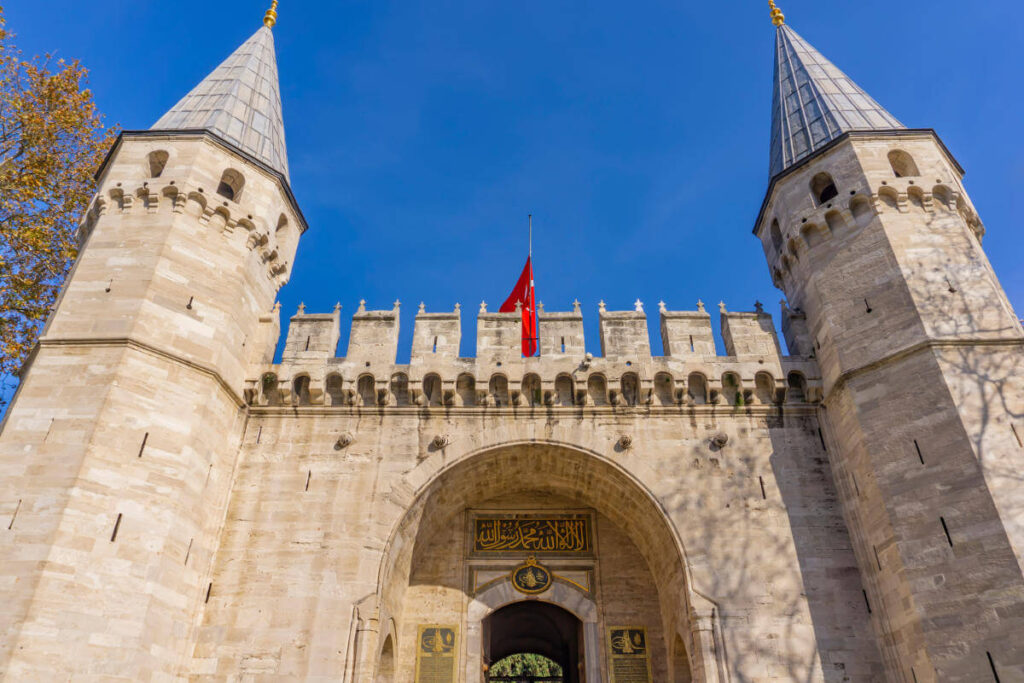
Topkapi Palace was the administrative and residential center of the Ottoman sultans for centuries. It is not a single palace building in the European sense; it is a sequence of courtyards, kitchens, gardens, pavilions, treasury rooms, and ceremonial spaces overlooking the water.
Allow at least two to three hours here if you want to explore at a sensible pace. The Harem section is often separately timed or ticketed, depending on current arrangements, and is worth considering if Ottoman court life interests you. Travelers who only have a short time should prioritize the main courtyards, the imperial collections, and the terraces facing the Bosphorus and Golden Horn.
A practical mistake is trying to combine Topkapı Palace, Hagia Sophia, the Blue Mosque, the Basilica Cistern, and the Grand Bazaar before lunch. You can see them on a map, but entry lines, security checks, museum pacing, and breaks make that schedule tiring. Divide the old city over one full day or two relaxed half-days instead.
Pro Tip
Plan Sultanahmet around opening hours, not a fixed sightseeing order. Begin with the attraction that opens first or has the longest expected queue, then visit nearby sites after. Keep a mosque visit flexible because prayer times can affect visitor access.
See the city below ground and from the water
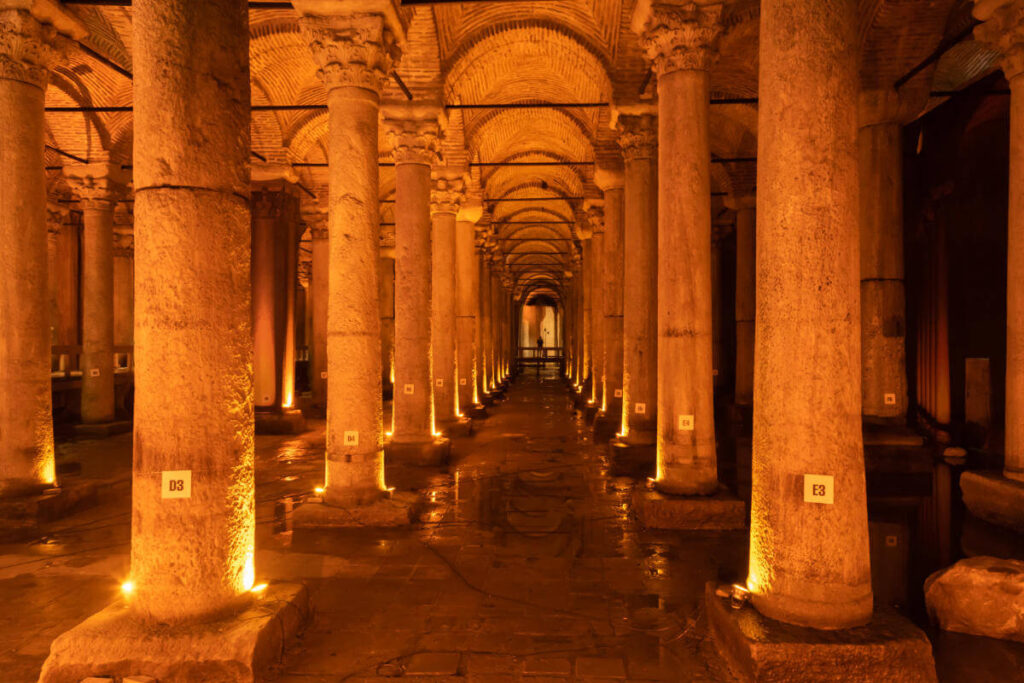
Istanbul’s most memorable contrasts often come from changing your viewpoint. Beneath street level, the Basilica Cistern offers a cool, atmospheric break from the busy streets above. This late Roman water reservoir is known for its forest of columns, soft lighting, and the two Medusa-head bases positioned at one end of the site.
It is a good choice for midday in warmer months or during a rainy afternoon, but it can become crowded. Go near opening time if photography matters to you, and expect damp floors and low light. The visit is usually shorter than a palace or museum stop, making it easy to pair with Sultanahmet or nearby Eminönü.
Then take to the water. The Bosphorus is not simply a scenic backdrop; it is the waterway that separates Europe and Asia and helps explain Istanbul’s geography, trade history, and daily rhythm. A public ferry is often the most direct way to experience it, while a scheduled cruise can be a better fit for travelers who want commentary and a more structured route.
Late afternoon is particularly rewarding because the light softens over mosques, waterfront mansions, bridges, and hillside neighborhoods. If you take a public ferry, check the route and return schedule first. Some services are designed for commuters and may not provide an easy round-trip sightseeing window.
Build time into your itinerary for markets and neighborhoods
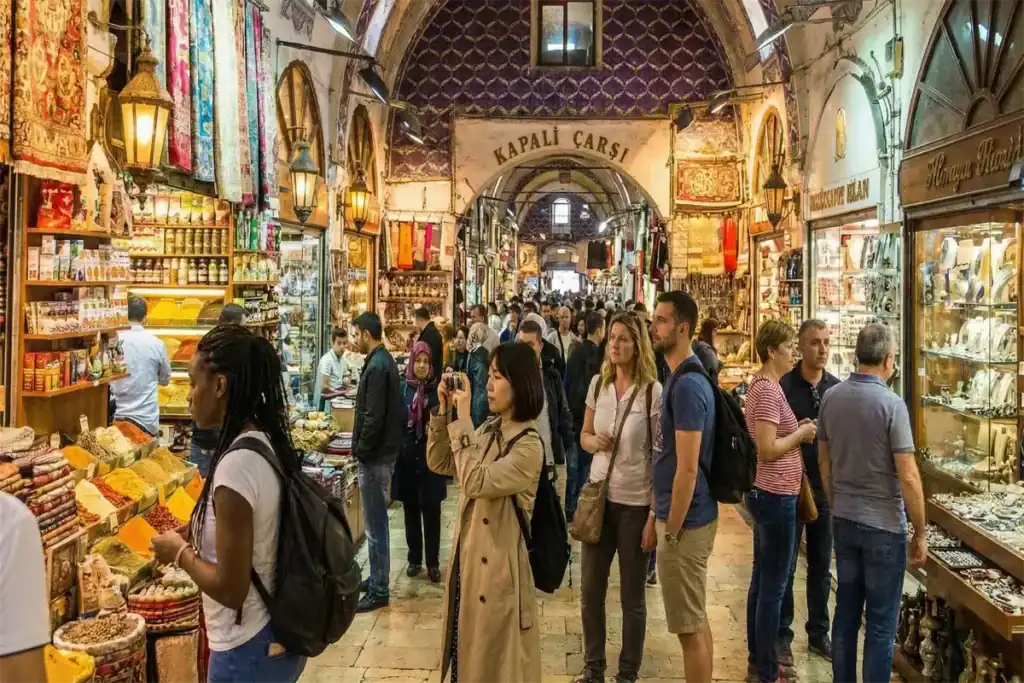
Istanbul becomes more enjoyable when you leave room for places where local life continues around the landmark circuit. The Grand Bazaar is one of the city’s best-known shopping areas, with covered lanes filled with textiles, ceramics, lamps, jewelry, leather goods, spices, and souvenirs. It can feel overwhelming at first, so enter with a simple goal: browse, compare prices, and avoid buying the first item you see.
For food and everyday energy, Eminönü and Karaköy are strong additions to the route. Walk across Galata Bridge, watch the fishing boats and ferry traffic, then stop for tea, Turkish coffee, simit, or a simple seafood meal. Karaköy has a more contemporary café and gallery feel, while the lanes around Eminönü remain tied to the working waterfront and nearby markets.
On the European side, Beyoğlu and Istiklal Avenue bring a different version of the city: historic passageways, bookstores, churches, restaurants, galleries, and the famous red tram. On the Asian side, Kadıköy offers market streets, casual restaurants, and a more residential pace. A ferry to Kadıköy is a smart choice for travelers who have already covered Sultanahmet and want an afternoon that feels less museum-focused.
For a more detailed route through the major districts, ferry connections, and sightseeing timing, see our Istanbul travel guide with a practical four-day route.
Plan food around districts, not just famous restaurants
It is easy to spend too much time chasing one viral restaurant across the city. Istanbul is large, and traffic can turn a short-looking trip into an hour-long detour. A better approach is to eat well near the neighborhood you are already visiting.
In Sultanahmet, choose a convenient lunch between sites rather than sacrificing your afternoon to a distant reservation. In Karaköy, look for bakeries, coffee shops, and casual meze restaurants. Kadıköy is useful for market snacks, fish, Turkish breakfast, and a relaxed dinner before returning by ferry. In traditional dining areas, dishes such as grilled fish, mantı, meze, kebabs, pide, and seasonal vegetable plates are common choices.
Turkish breakfast is often more substantial than American travelers expect: cheeses, olives, tomatoes, cucumbers, eggs, breads, jams, tea, and sometimes pastries or regional specialties. It works best on a morning when you are not rushing through early museum entry. For a packed sightseeing day, a quicker breakfast near your hotel will preserve valuable time.
Use a route that reduces backtracking
A well-paced Istanbul plan groups sights by area. The following sequence works especially well for first-time visitors staying in or near Sultanahmet, Sirkeci, Karaköy, or Beyoğlu:
| Day | Best Area | Suggested Focus |
|---|---|---|
| Day 1 | Sultanahmet | Hagia Sophia, Blue Mosque, Hippodrome, Basilica Cistern, and an unhurried evening in the old city. |
| Day 2 | Topkapı, Eminönü, Karaköy | Topkapı Palace in the morning, market streets and Galata Bridge later, then dinner in Karaköy. |
| Day 3 | Bosphorus and Beyoğlu | Ferry or cruise, waterside neighborhoods, Galata area, and Istiklal Avenue. |
| Day 4 | Asian Side or flexible day | Kadıköy, a museum, a neighborhood walk, shopping, or revisiting a favorite district at a slower pace. |
Travelers with only two days should keep the focus on Sultanahmet, Topkapı Palace, the Bosphorus, and one market or neighborhood area. Do not try to add a day trip before you have seen the central city. Istanbul rewards depth more than speed.
Choose the right way to explore Istanbul
Independent travel works well in Istanbul if you are comfortable navigating transit, walking on uneven streets, and adapting to entry lines. A guided day is useful when you want historical context, efficient routing, or help understanding how the major sites connect.
The Full-Day Historic Istanbul Tour: Explore the Wonders of the Old City suits travelers who want to concentrate the historic core into one organized sightseeing day. If Istanbul is part of a longer Turkey route, the 10-Day Turkey Tour: Istanbul, Konya, Cappadocia, Pamukkale and Ephesus is a practical option for connecting the city with several of Turkey’s major regions without arranging each domestic segment separately.
Before choosing a tour format, it also helps to understand the trade-offs between shared schedules and a tailored itinerary. Our guide to group tours versus private tours in Turkey explains which style tends to fit different travel priorities.
For travelers continuing beyond Turkey, a route that combines Istanbul with Cappadocia and Petra can make sense when international flights and pacing are planned carefully. The key is to avoid treating Istanbul as a one-night stop; arrive with enough time to recover from your international flight and see the city before moving on.
Here are a few organized options for travelers who want Istanbul as a focused city break or as the first stop on a longer regional journey:
Choose your next step
Recommended Istanbul tours
These bookable options are the strongest verified matches for this guide. Compare the pace, focus, and current starting price before you choose.
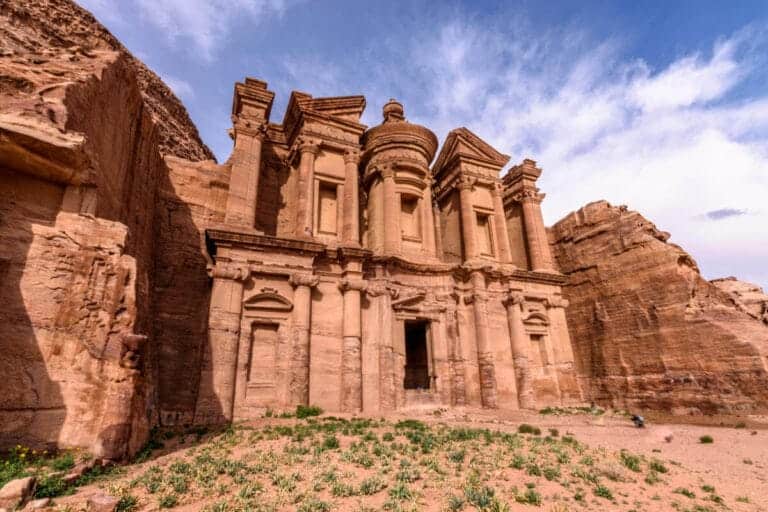
9-Day Tour of Turkey & Jordan: Istanbul, Cappadocia & Petra
A practical route for travelers who want to include Jordan Tours, Multi-Country Tours with the main logistics planned.

Full-Day Historic Istanbul Tour: Explore the Wonders of the Old City
A practical option for travelers who want the main route and logistics planned together.
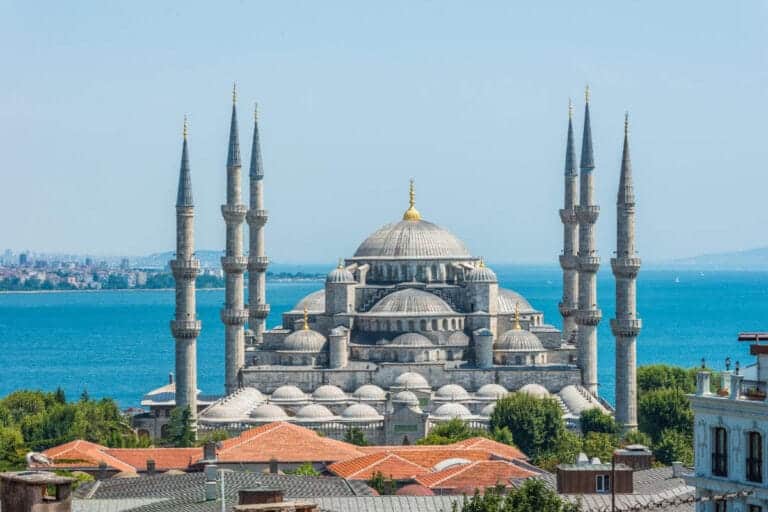
10-Day Turkey Tour: Istanbul, Konya, Cappadocia, Pamukkale and Ephesus
A practical route for travelers who want to include Turkey Tours with the main logistics planned.

15-Day Turkey, Egypt & Jordan Tour: Istanbul to the Dead Sea
A practical route for travelers who want to include Turkey, Egypt & Jordan (3-country tours), Egypt Tours with the main logistics planned.
Frequently Asked Questions
How many days should I spend in Istanbul?
Three full days is the minimum for a first visit, while four days gives you more breathing room for the Asian side, a Bosphorus outing, and neighborhoods beyond Sultanahmet. If you arrive on an overnight international flight, avoid counting that arrival day as a full sightseeing day.
Is Istanbul easy to explore without a guide?
Yes, especially around Sultanahmet, Karaköy, Beyoğlu, and Kadıköy. However, a guide can add useful historical context at major landmarks and reduce the effort of coordinating museum timing, mosque etiquette, and transportation on a short trip.
What should women wear when visiting mosques in Istanbul?
Visitors should wear modest clothing that covers shoulders and knees. Women may need a head covering inside active mosques, and it is wise to carry a lightweight scarf rather than rely on borrowed coverings at the entrance.
Should I stay in Sultanahmet or Beyoğlu?
Sultanahmet is best for travelers who want to walk to major historic sites early in the morning. Beyoğlu is better for those who prefer restaurants, nightlife, galleries, and easy access to Karaköy, while still being a short tram, taxi, or ferry ride from the old city.
Do I need cash in Istanbul?
Cards are widely accepted at hotels, restaurants, museums, and many shops, but carrying some Turkish lira is useful for small purchases, market snacks, tips, and occasional transit needs. Check with your bank about foreign transaction fees before departure.
Planning the city is easier when flights, hotel location, sightseeing pace, and onward travel are considered together. If you would like help shaping an Istanbul stay around your available dates and interests, plan your Turkey trip with One Nation Travel.