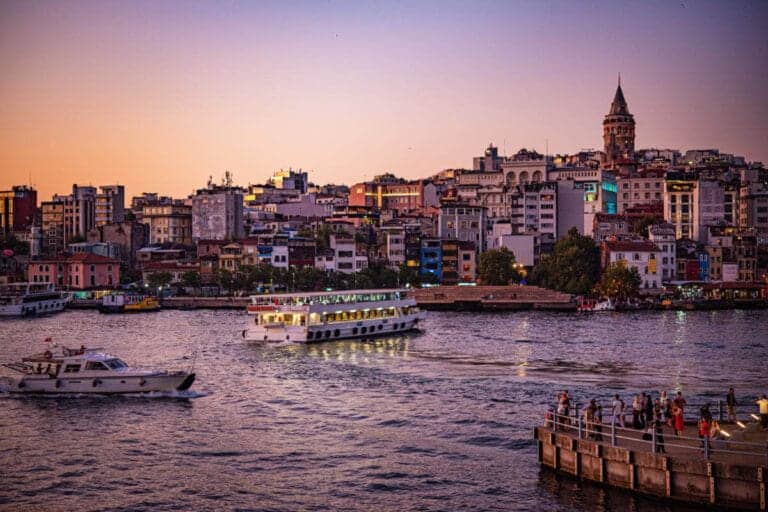

Turkey can be a comfortable country for solo women when the route is built around well-connected cities and established visitor areas. The strongest choices combine walkable centers, dependable hotel options, frequent transport, and a tourism culture that makes it easy to ask for help when needed. No destination is risk-free, and comfort levels vary by neighborhood and time of day, but the places below are practical picks for a first solo trip.
📋 Quick Facts
| Best Time to Visit | April–May and September–October for milder weather and easier sightseeing |
| Time Needed | 7–10 days for a comfortable first solo route; 3–4 days for one city break |
| Difficulty | Easy to moderate, depending on domestic flights, intercity buses, and your comfort with city navigation |
| Must-Bring | Comfortable walking shoes, a power bank, modest layers for mosque visits, and an eSIM or local data plan |
For solo travelers, “safe” should mean more than a low-crime reputation. It should also mean you can get from the airport to your hotel without stress, find places open after dinner, use verified transport, and avoid feeling isolated if plans change. These ten destinations stand out for those practical reasons.
1. Istanbul: Best for First-Time Solo Travelers
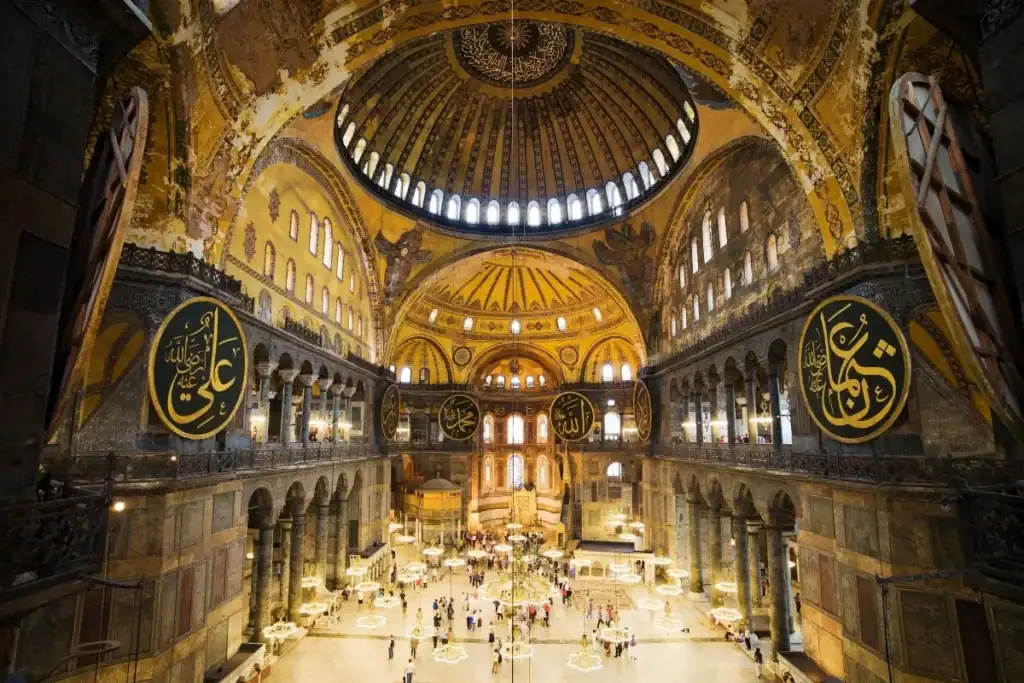
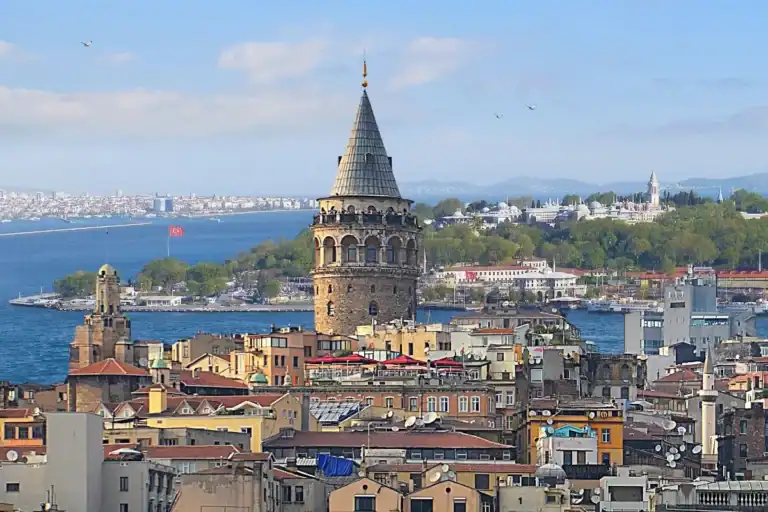
Istanbul is Turkey’s busiest and most intense city, but it is also one of the easiest places to navigate as a solo visitor. There is a broad choice of hotels, restaurants, museums, ferries, guided visits, and transport options. In central districts such as Sultanahmet, Karaköy, Galata, Kadıköy, and parts of Beyoğlu, visitors are rarely far from other travelers, shops, or public transit.
For a first stay, choose a hotel close to a tram, metro, ferry terminal, or well-known central area instead of saving a small amount by staying far outside the city. During the day, major landmarks such as Hagia Sophia, the Blue Mosque, and the Bosphorus are straightforward to visit independently.
The main solo-travel challenge is not usually serious crime; it is the scale and energy of the city. Watch your belongings in crowded tram cars and busy markets, use licensed taxis or established ride-hailing options where available, and avoid accepting unsolicited nightlife invitations. A little street awareness goes a long way.
2. Cappadocia: Best for a Quiet, Organized Escape

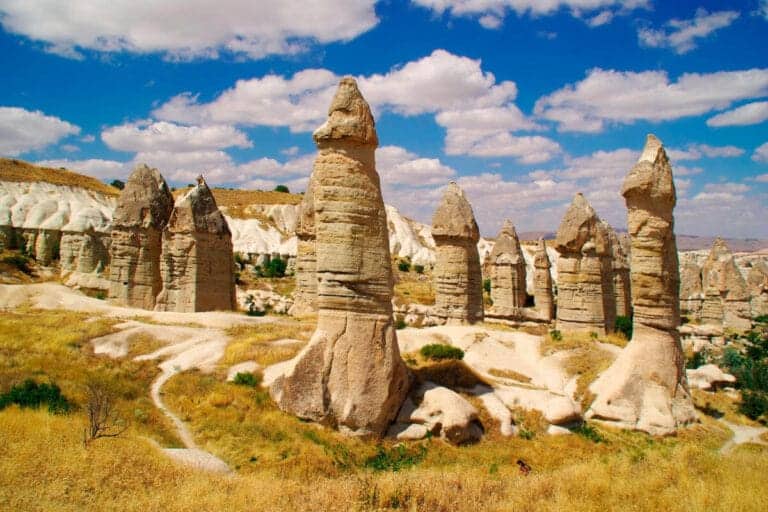
Cappadocia is particularly well suited to women who want a calmer setting after Istanbul. Most first-time visitors stay in Göreme, where cave hotels, restaurants, day-tour pickup points, and the region’s signature valleys are concentrated within a manageable area.
The key safety advantage is simplicity: travelers can arrange airport transfers, join small-group sightseeing days, and book balloon flights through established providers without having to navigate long distances alone. A two-night stay is usually the sweet spot. Put the hot-air balloon flight on the first morning if possible, leaving a second morning as a backup in case weather grounds flights.
Do not hike isolated valleys alone after dark, especially if you are unfamiliar with the route. Daytime walks are rewarding, but trail signage can be inconsistent and sunset comes quickly in the cooler months. For a fuller planning breakdown, see our practical first-time Cappadocia trip plan.
Pro Tip
In Cappadocia, book your airport transfer before landing rather than negotiating transportation at the airport. Kayseri and Nevşehir airports serve different flight schedules, and a prearranged transfer removes the most inconvenient part of arriving alone.
3. Antalya: Best for Beach Time With City Convenience

Antalya works well for travelers who want warm weather, sea views, and a city base rather than an isolated resort. The historic Kaleiçi district has narrow lanes, small hotels, restaurants, and a harbor area that stays active into the evening. Modern Antalya also has shopping centers, public transport, and a large year-round population.
Stay in Kaleiçi for atmosphere and easy evening dining, or choose Lara or Konyaaltı if beach access is the priority. The practical trade-off is that the old town’s cobbled lanes can be uneven, and some quieter side streets are best avoided late at night. For archaeological day trips, arrange a hotel pickup or join a group excursion rather than relying on last-minute transport plans.
4. İzmir: Best for an Everyday Turkish City Feel
İzmir is often a good fit for solo women who prefer a relaxed coastal city over Istanbul’s constant movement. The waterfront promenade in Alsancak and Kordon is used throughout the day by families, students, walkers, and café-goers. It feels lived-in rather than built only for tourism.
The city is useful as a base for western Turkey, including day trips to Ephesus, Şirince, and coastal towns. Choose central accommodation near Alsancak or Konak, particularly if you expect to return after dinner. As in any large city, use normal precautions in crowded transit areas and avoid poorly lit shortcuts after dark.
5. Selçuk: Best for Ancient Sites and a Slower Pace
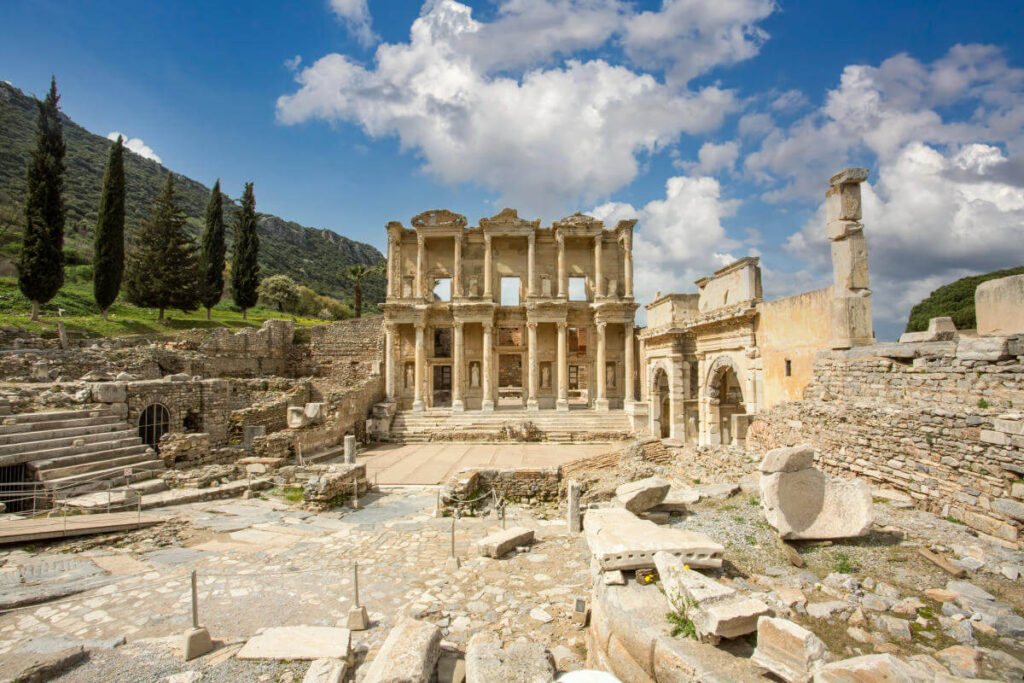
Selçuk is smaller, slower, and easier to manage than nearby İzmir. It is the practical base for visiting Ephesus, the House of the Virgin Mary, and the remains around the town center. Solo travelers who prefer early nights, locally run hotels, and a compact walking area may find Selçuk more comfortable than a major city.
Plan the Ephesus visit for opening time, particularly between June and September. The archaeological site is exposed, hot, and large enough that arriving early makes both the heat and the crowds easier to manage. Bring water, sun protection, and shoes with grip on worn marble paths.
6. Bodrum: Best for a Social Coastal Break
Bodrum offers a polished marina town atmosphere, plenty of accommodation, and a social dining scene. It can be an easy addition for women traveling alone who want beach clubs, restaurants, boat outings, and a town center where people are out late during the summer season.
Its main drawback is cost. Summer hotel rates, meals, and taxis can be considerably higher than in other Turkish destinations. Bodrum is also more nightlife-focused than Cappadocia or Selçuk, so stay near the marina or central town if you want to walk back to your hotel rather than depending on late-night transportation.
7. Fethiye: Best for Nature Without Going Fully Remote
Fethiye is a sensible base for boat trips, beaches, and the Lycian Coast. The harbor, old town, and central restaurant areas are easy to use, while organized day trips make it possible to visit places such as Ölüdeniz and Saklıkent Gorge without renting a car.
This is a better solo choice than a remote villa or a far-flung beach property. Reserve accommodation in Fethiye center or near a reliable transport route, and confirm the return time of boat trips before departure. In shoulder season, reduced boat schedules and quieter streets can change how convenient the area feels.
8. Ankara: Best for Museums, Business Travel, and Calm City Logistics
Ankara is Turkey’s capital and has a more administrative, residential character than Istanbul. It is a strong option for travelers who value clear city infrastructure, museums, metro access, and a lower-pressure urban pace. Neighborhoods such as Kızılay and Çankaya offer central hotels, restaurants, and straightforward transportation links.
This is not the destination for a beach break or a postcard-perfect old town. Instead, it suits travelers interested in modern Turkey, museums, and sites such as Anıtkabir. As elsewhere, book hotels near the areas where you plan to spend your evenings instead of assuming every district will be equally walkable late at night.
9. Safranbolu: Best for a Small-Town Heritage Stay
Safranbolu is a compact historic town known for Ottoman-era houses, traditional guesthouses, and a slower rhythm. It appeals to solo travelers who want to step away from big-city traffic and spend a couple of nights in a place where the main sights are close together.
The town is generally easiest to enjoy in daylight. Its old streets are steep and uneven, and small-town transport is less frequent than in Istanbul or Antalya. Arrange onward transport in advance, particularly if you are connecting to an intercity bus or arriving in the evening.
10. Çanakkale and Gallipoli: Best for a Reflective History Stop

Çanakkale is a relaxed waterfront city with a compact center, a student population, and regular transport connections. It is the most convenient overnight base for visiting the Gallipoli battlefields and nearby Troy. Its promenade and central dining areas feel easy to navigate, especially compared with Turkey’s larger cities.
For Gallipoli, a guided day trip is usually more practical than driving independently. The memorials and cemeteries are spread over a large peninsula, and the experience has more context when transport and timing are arranged. Çanakkale also works nicely as part of a west-Turkey route linking Istanbul, Gallipoli, Pergamon, Ephesus, and Pamukkale.
How to Make Any Turkey Destination Safer as a Solo Woman
Good decisions matter more than chasing a perfect safety ranking. Book your first night before arrival, keep your hotel address saved offline, and tell the front desk if you expect to return late. For airport arrivals, choose a prearranged transfer, official airport taxi line, or a verified transport service rather than a random offer in the terminal.
Dress codes vary by neighborhood and destination. In tourist areas, everyday travel clothing is normal. For mosque visits, carry a light scarf and clothing that covers shoulders and knees. This is about respecting site rules, not a guarantee of safety; practical awareness still matters everywhere.
Turkey’s emergency number is 112. Keep a copy of your passport separately from the original, use bank cards in reputable businesses where possible, and withdraw cash from bank-attached ATMs. If a situation feels uncomfortable—whether it is a persistent vendor, a taxi disagreement, or an invitation that changes tone—leave politely and move toward a hotel, café, shop, or busier street.
For a broader comparison of travel comfort and common precautions in the region, see our guide to Turkey and Egypt safety for tourists.
Choose a Route That Doesn’t Leave You Isolated
A first solo itinerary does not need to cover the entire country. Istanbul and Cappadocia make the simplest seven-day combination: spend three or four nights in Istanbul, take a domestic flight to Cappadocia, then stay two or three nights before flying back. Travelers with 10 days can add Antalya or the Ephesus–Selçuk area without creating exhausting transfer days.
If you prefer coordinated hotels, domestic transport, local touring, and support with the moving parts, the 7-Day Best of Turkey: Istanbul, Cappadocia & Ephesus is a useful route to consider. One Nation Travel can also help tailor a solo-friendly itinerary around your preferred pace, hotel style, and arrival airport through the Plan My Trip form.
Frequently Asked Questions
Is Turkey safe for a woman traveling alone?
Many women travel independently in Turkey without serious problems, especially in established visitor destinations. The same precautions that apply in any country still matter: choose central accommodation, protect valuables in crowded areas, use verified transportation, and trust your instincts if an interaction becomes uncomfortable.
Is it safe to use public transportation in Turkey?
Public transportation is commonly used by visitors and residents, especially in Istanbul, Ankara, İzmir, and Antalya. During busy hours, keep your bag in front of you and be aware of your surroundings. For late-night arrivals or unfamiliar routes, a prearranged transfer can be less stressful.
Should solo women stay in hotels or hostels in Turkey?
Both can work, but a well-reviewed central hotel or guesthouse is often the easier choice for a first visit. Look for recent reviews that mention location, reception hours, airport transfers, and how guests felt returning in the evening. Boutique cave hotels in Cappadocia and small pensions in Selçuk can be especially comfortable options.
Can a solo woman join group tours in Turkey?
Yes. Small-group day tours can be particularly helpful for Cappadocia, Ephesus, Gallipoli, and long-distance sightseeing areas where public transportation is limited. Before booking, confirm pickup time, group size if important to you, entrance fees, meal arrangements, and the exact return point.
What should women wear in Turkey?
In Istanbul, Antalya, Bodrum, and other visitor areas, travelers wear a wide range of everyday clothing. Bring modest layers for mosque visits, where shoulders and legs need to be covered and women may need a head covering. In smaller towns or conservative districts, less revealing clothing may help you feel more comfortable and attract less attention.