
The quick answer: Göbekli Tepe is one of Turkey’s most important archaeological visits, especially for travelers interested in early human history. Plan it as part of a stay in Şanlıurfa rather than a rushed stop between major cities. The site’s covered excavation areas, monumental stone pillars, museum context, and regional food culture make it most rewarding with enough time for both Göbekli Tepe and the city.
Göbekli Tepe is for travelers who want more than a standard Turkey highlights itinerary. Its appeal is not a long list of ruins to climb through, but the chance to stand above carefully excavated stone enclosures that changed how archaeologists think about early settled communities, ritual, and architecture.
The most important planning choice is whether to visit independently from Şanlıurfa or arrange a guided day that connects the site with the city’s museum and historic districts. Independent visitors can keep costs and timing flexible; travelers who want archaeological context and easier transport coordination will usually get more from a guided arrangement.
What to Know Before You Go
- Göbekli Tepe is best approached from Şanlıurfa, where you can also visit the museum collections that help explain the region’s prehistoric story.
- The site is known for monumental T-shaped limestone pillars and carved animal imagery from the Pre-Pottery Neolithic period.
- Allow more time than a quick photo stop: the value of the visit is understanding the excavation areas, viewing platforms, and interpretive material.
- Check current opening arrangements, ticket procedures, weather conditions, and transport options shortly before departure, as practical details can change.
- A local guide is particularly worthwhile for travelers who want help interpreting what remains visible and placing it within the wider archaeology of southeastern Turkey.
Why Göbekli Tepe Matters
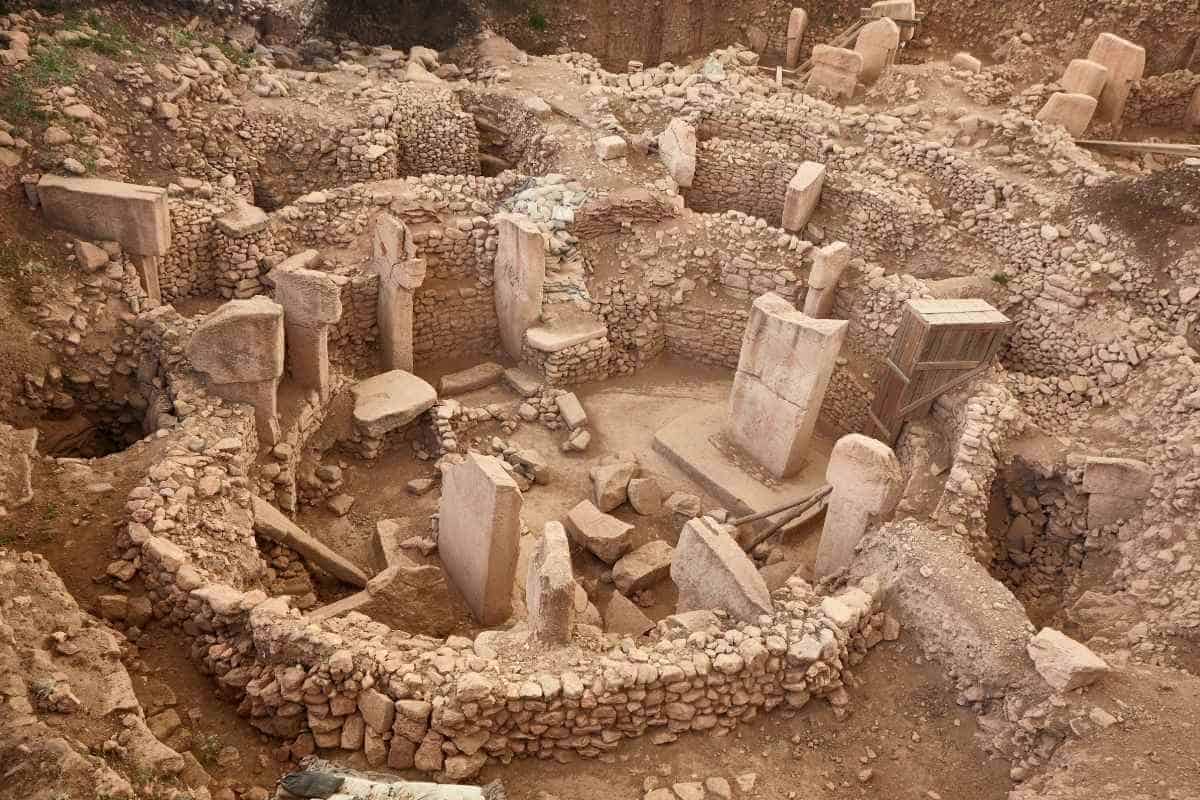
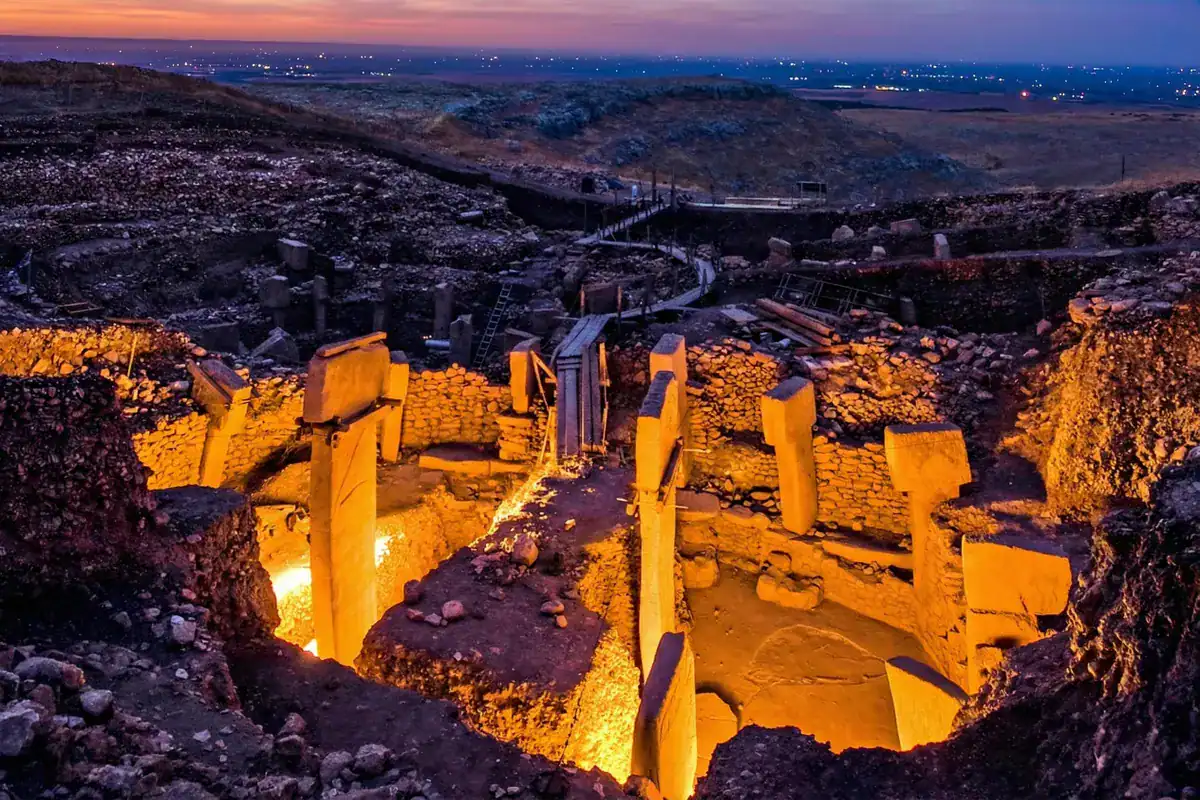
Göbekli Tepe, near Şanlıurfa in southeastern Turkey, is widely recognized as one of the most consequential prehistoric sites ever excavated. Its monumental circular and oval enclosures include large T-shaped limestone pillars, several decorated with relief carvings of animals, birds, insects, and abstract symbols.
What makes the site so compelling is its antiquity. The principal structures date to the early Neolithic period, long before writing, metal tools, or the great urban civilizations that many travelers associate with the ancient world. Göbekli Tepe has encouraged scholars to reconsider older assumptions that large-scale ceremonial architecture could only appear after agriculture and permanent villages were fully established.
For visitors, this is not a conventional Roman city with streets, baths, theaters, and temples. Much of the site remains under archaeological study, and the experience centers on elevated walkways, protected excavation zones, information panels, and carefully managed views of the enclosures. That distinction matters: come expecting an archaeological landscape and a story still being researched, rather than a fully reconstructed monument.
What You’ll Actually See
The best-known features are the tall central pillars within the enclosures. Their shapes are often interpreted as stylized human forms, with some showing arms, hands, belts, and garments. Animal carvings add another layer of interest, but it is worth resisting the urge to treat every image as having a settled meaning. Archaeology at Göbekli Tepe continues to develop, and responsible guides will distinguish between established evidence and scholarly interpretation.
The protective roof over key excavation areas is an essential part of the modern visit. It helps preserve fragile stonework while allowing visitors to see the site from above. Bring a camera, but allow time to put it down and absorb the scale of the pillars in relation to the surrounding landscape.
How to Plan a Visit from Şanlıurfa
Şanlıurfa is the practical base for visiting Göbekli Tepe. It offers accommodation, restaurants, local transport connections, and important cultural stops that make the archaeological visit easier to understand. Rather than arriving and leaving on the same day, most travelers will have a better experience by staying at least one night in the city.
Your exact transport plan will depend on arrival point, season, group size, and whether you prefer a private transfer, local taxi arrangement, rental vehicle, or guided excursion. Road conditions, pickup times, and local access arrangements should be confirmed close to travel, especially if you are arriving on a domestic flight or connecting from another Turkish city.
A Sensible Day Structure
A well-paced Göbekli Tepe day usually starts early enough to avoid feeling hurried. Visit the archaeological site first, then return to Şanlıurfa for lunch and museum time. If your schedule permits, add the city’s old quarters or local religious and cultural landmarks without trying to turn the day into a checklist.
| Travel Style | Best For | What to Plan Carefully |
|---|---|---|
| Independent visit | Confident travelers who enjoy setting their own pace | Transport, return timing, entrance procedures, and museum scheduling |
| Private guided visit | Couples, families, small groups, and archaeology-focused travelers | Guide credentials, vehicle timing, exact stops, and what is included |
| Broader southeastern Turkey itinerary | Travelers with several days for Şanlıurfa and nearby heritage sites | Overland route logic, hotel nights, and realistic travel time between stops |
For a broader first trip, it can help to compare Göbekli Tepe with Turkey’s better-known classical sites. This look at what to see in Turkey in five days is useful for understanding why a southeastern extension needs dedicated time rather than being added casually to an Istanbul-Cappadocia-Ephesus route.
Practical tip: Do not schedule Göbekli Tepe on the same day as a tight domestic flight unless you have a generous buffer. The site deserves unhurried time, and transfer arrangements should allow for normal travel variables.
Pair the Site with Şanlıurfa’s Museum and Food Culture
Göbekli Tepe makes the most sense as part of a wider Şanlıurfa visit. The city provides the historical context that an open-air archaeological site alone cannot always deliver. Museum collections and local exhibits can help visitors recognize the importance of the region’s Neolithic communities, stonework, and material culture.
Şanlıurfa is also a strong destination for travelers who plan trips through food as well as history. Local dishes often feature lamb, bulgur, peppers, herbs, and regional spice traditions. Ask your hotel, guide, or host for current restaurant suggestions based on where you are staying and any dietary needs. Popular meals and opening patterns can vary, especially during holidays or local events.
Travelers with a particular interest in ancient religious landscapes may also want to read about the history of Ephesus. Ephesus and Göbekli Tepe are separated by thousands of years and very different historical settings, but seeing both on one Turkey trip offers a striking perspective on the country’s archaeological range.
What Not to Expect
It is important to manage expectations. Göbekli Tepe is not a place for wandering freely among monuments, and visitors should respect barriers, marked paths, and any photography restrictions in force on the day. The excavation is protected because its scientific value depends on careful conservation.
It is also not a site where every question has a final answer. That is part of its appeal. A good visit leaves room for curiosity about how people gathered, built, organized labor, and expressed belief in a period far earlier than written history.
Best Time to Visit and What to Bring
Southeastern Turkey can experience strong seasonal weather, so comfort depends heavily on when you go and how prepared you are. Cooler parts of the year are generally easier for extended outdoor sightseeing, while warmer periods call for careful pacing, sun protection, and water. Conditions can shift during the day, so check the local forecast shortly before your visit.
Wear comfortable walking shoes with good grip. The site is managed for visitors, but you will still be outdoors on uneven archaeological terrain and exposed walkways. A light layer, sun hat, sunglasses, refillable water bottle, and rain protection when forecast are sensible additions. Travelers who use mobility aids or have limited walking tolerance should ask about current accessibility arrangements before confirming transport and tickets.
Opening hours, ticket systems, security procedures, closures, and access rules should always be verified with official local sources or your travel coordinator close to departure. This is especially important around public holidays, religious holidays, major weather events, and peak travel dates.
How Göbekli Tepe Fits into a Turkey Itinerary
Göbekli Tepe works best for travelers willing to give southeastern Turkey its own place in the itinerary. It is not naturally on the same short route as Istanbul, Cappadocia, the Aegean coast, or Pamukkale. Trying to include all of them in a very short trip can create too many transfers and leave little time at each destination.
For many first-time visitors, the most practical approach is to choose between two clear trip styles:
- Classic Turkey route: Istanbul, Cappadocia, and western archaeological sites such as Ephesus, suited to travelers with limited time.
- History-focused extended route: a classic route plus dedicated time in Şanlıurfa and southeastern Turkey, suited to travelers drawn to archaeology, early civilizations, and less rushed travel.
Travelers who want help balancing these choices may find the Complete Turkey Travel Guide useful for broader route planning. Before booking flights, review the sequence of cities rather than choosing individual attractions first. Efficient routing often matters more than adding one extra stop.
Should You Visit Independently or with a Guide?
An independent visit can be a good fit if you are comfortable arranging transport locally, following site interpretation in English, and keeping your day flexible. It gives you control over pace and allows time for an extended museum visit or a long lunch in Şanlıurfa.
A guided visit is usually the stronger choice if Göbekli Tepe is a priority rather than a casual stop. The site becomes far more meaningful when someone can explain the pillars, the excavation sequence, the regional Neolithic context, and the difference between archaeological evidence and theory. It can also simplify pickup timing and the practical connection between the site and city stops.
Before booking, verify the precise pickup location, expected driving time, whether entrance fees are included, the guide’s language, the amount of time at the site, meal arrangements, and the cancellation terms for your chosen service. If you are combining Göbekli Tepe with other Turkish regions, confirm domestic flight schedules and hotel check-in timing before finalizing the route.
For travelers who prefer structured planning elsewhere in the country, Turkey tour options can provide a starting point for a wider itinerary, while a custom plan can reserve proper time for Şanlıurfa and Göbekli Tepe.
Choose your next step
Recommended the main destination in the title tours
These verified options are the closest available matches for this article’s destination, route intent, and trip length.

5-Day Ancient Turkey Tour: Ephesus, Pamukkale, Pergamon, Troy & Gallipoli
A 5 days Cultural & Heritage Tour route covering Turkey, Ephesus and 3 more destinations.
View tour details →
2-Day Cappadocia Tour from Istanbul: Flights, Cave Hotel & Meals
A 2 days Historical & Cultural Tour route covering Cappadocia, Istanbul.
View tour details →
2 Days Cappadocia Red & Green Tour from Istanbul with Flights
A 2 days Historical & Cultural Tour route covering Cappadocia, Istanbul.
View tour details →
2-Day Cappadocia Adventure with Sunrise Hot Air Balloon Ride
A 2 days Historical & Cultural Tour route covering Cappadocia.
View tour details →Common Questions About Visiting Göbekli Tepe
How much time should I allow for Göbekli Tepe?
Allow enough time to use the viewing areas and read the interpretation without rushing. For most travelers, Göbekli Tepe works best as part of a half-day or full-day plan from Şanlıurfa, particularly when paired with museum time.
Is Göbekli Tepe suitable for travelers who are not archaeology experts?
Yes. You do not need academic knowledge to appreciate the site, but a guide, museum visit, or advance reading adds meaningful context. Its significance becomes clearer when you understand how early the structures are and why they changed archaeological discussions.
Can Göbekli Tepe be visited on a short Turkey trip?
It can, but only if you build the itinerary around a dedicated southeastern Turkey segment. On a short first trip focused on Istanbul, Cappadocia, and the Aegean, adding Şanlıurfa may create too much travel time.
What should I confirm before arranging transport?
Confirm the current site access arrangements, pickup and return locations, waiting time, vehicle type, entrance procedures, and your plan for reaching or leaving Şanlıurfa. Recheck these details shortly before travel.
Make Göbekli Tepe a Meaningful Stop
Göbekli Tepe rewards travelers who slow down, stay in Şanlıurfa, and treat the visit as part of a wider regional story rather than a quick detour. Give yourself enough time for the site, museum context, and reliable transport planning, and you will leave with a far clearer sense of why this archaeological landscape matters.
If you would like help building a practical Turkey route that includes Şanlıurfa alongside other destinations, plan your trip with One Nation Travel. Our team can help coordinate the itinerary, bookings, and local services around the pace and interests that suit your trip.