
The quick answer: Turkey’s Turquoise Coast is best for travelers who want beach time without giving up ancient sites, good food, and scenic road or boat days. Base yourself in Antalya for easy access to Roman cities and city comforts, or choose the Fethiye–Kaş side for coves, boat trips, and the Lycian coastline. May, June, September, and early October are usually the most balanced months.
The Turquoise Coast, also called the Turkish Riviera, stretches across southwestern Turkey’s Mediterranean shore. Its appeal is not simply the color of the water. You can swim from a pine-fringed bay, visit a Roman theater before lunch, and end the day in an old harbor town without spending hours in transit.
The main planning decision is choosing how much ground to cover. Travelers with four or five days are generally better off picking one base. Those with a week or longer can sensibly combine Antalya with the Fethiye, Kalkan, or Kaş area, allowing room for both beach days and archaeological sites.
At a Glance
- Best all-around timing: May–June and September–October bring warmer swimming conditions with more comfortable temperatures for ruins and hikes.
- Best first base: Antalya is the easiest choice for flights, hotels, the old town, and day trips to Perge, Aspendos, and Side.
- Best for coves and boats: The Fethiye–Kaş stretch suits travelers prioritizing Ölüdeniz, Patara, Kekova, and gulet outings.
- Don’t overpack the itinerary: Coastal roads are beautiful but slow. A beach, a boat day, and a major ruin do not always fit comfortably into one day.
- Plan summer days around the heat: Visit exposed ancient sites early or late, then reserve midday for swimming, lunch, or a shaded museum.
- Build a wider route carefully: Antalya works especially well with Cappadocia, Pamukkale, and Ephesus when domestic flights or coordinated transfers are used.
Where Is Turkey’s Turquoise Coast?
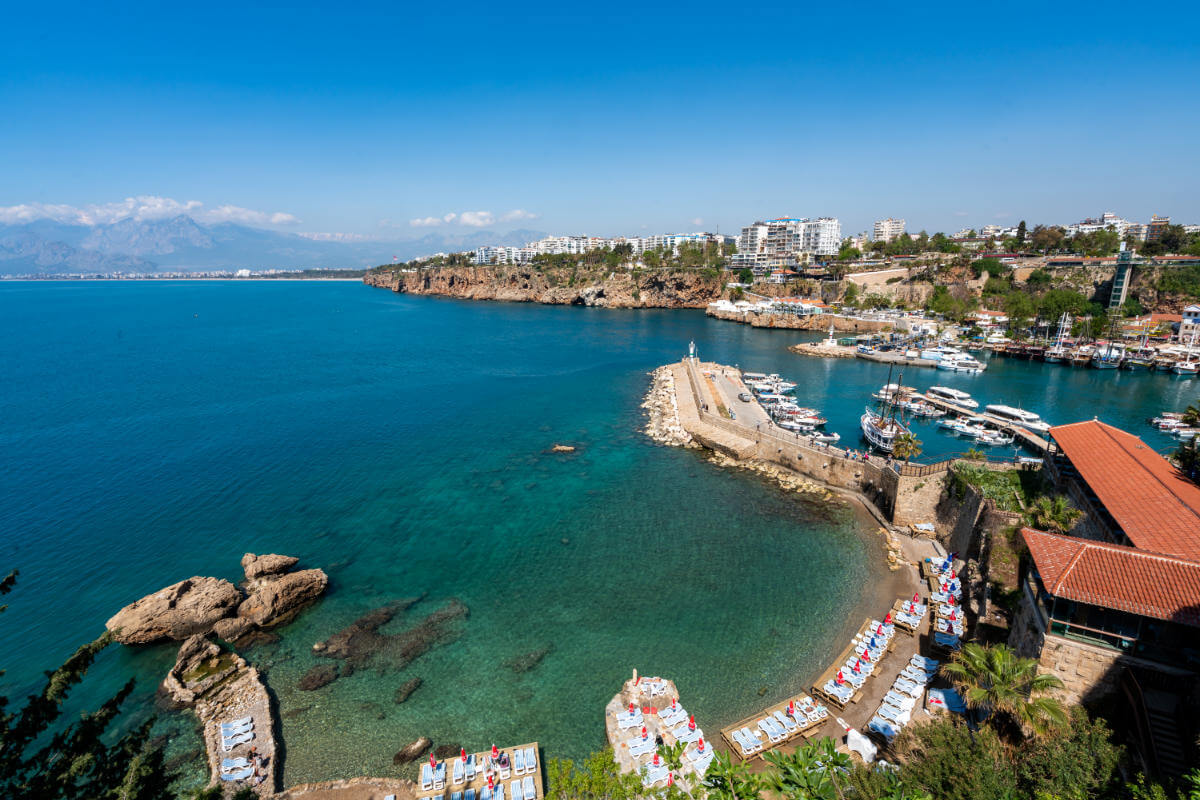
The Turquoise Coast broadly refers to the Mediterranean and Aegean-facing southwest of Turkey, from the Bodrum area through Fethiye, Ölüdeniz, Kaş, Kalkan, Demre, Olympos, and Antalya. Exact boundaries vary, but travelers usually use the term for the dramatic shoreline between Dalaman and Antalya airports.
Antalya is the practical eastern gateway. It has a major airport, a wide choice of accommodations, and the walkable historic quarter of Kaleiçi. It is also the strongest base for travelers who want to see major Roman-era sites without changing hotels every night.
Further west, Fethiye, Kalkan, and Kaş have a more small-town, outdoors-oriented feel. This part of the coast is better for boat excursions, swimming coves, the Lycian Way, and western Lycian sites. It can be less convenient for a short first trip because transfers between towns take time, especially in high season.
Which Beaches Are Worth Planning Around?
The coast has sandy beaches, pebbled coves, broad city beaches, and boat-only swim stops. The “best” one depends on whether you want easy access, shallow water, a scenic setting, or space to spread out.
Ölüdeniz and the Blue Lagoon
Ölüdeniz is the postcard beach: bright water, a sheltered lagoon, and paragliders overhead from Babadağ. It is a strong choice for a first visit, but it is also one of the busiest places on the coast. Arrive early in summer if you want a quieter swim and easier parking. Families often prefer the calmer lagoon side, while swimmers looking for a more open-sea feel may prefer the main beach.
Patara Beach
Patara is a long, dune-backed beach near the ruins of ancient Patara. It is a better fit for travelers who prefer space and a more natural setting over beach clubs and resort infrastructure. Because it is a protected sea-turtle nesting area, access conditions and facilities can vary by season; check local rules before making evening plans.
Kaputaş Beach
Kaputaş is the compact, vividly colored cove on the road between Kalkan and Kaş. It is spectacular, but it is not the place to expect a relaxed full-day beach setup in peak summer. There are steep stairs, limited space, and crowds at the middle of the day. Visit early, later in the afternoon, or treat it as a scenic swim stop while traveling between towns.
Çıralı and the Olympos Coast
Çıralı is a quieter alternative with a long beach, a low-rise atmosphere, and access to the ruins of Olympos. It suits couples, families, and hikers who want to slow down. From here, travelers can also visit the Chimaera flames after dusk; use proper shoes and bring a light, as the trail is uneven.
Antalya’s City Beaches
For convenience, Antalya’s Konyaaltı and Lara beaches are useful rather than remote. Konyaaltı is known for its pebbled shore and mountain backdrop, while Lara has more sand and larger resort areas. They make sense for an afternoon swim around a sightseeing itinerary, particularly if you are staying in the city.
For a more detailed look at access and beach styles, see the top beaches in Antalya.
Ancient Ruins That Justify Leaving the Beach
The Turquoise Coast was central to ancient Lycia, Pamphylia, and later the Roman world. The strongest sites are not all near one another, so choose based on your route rather than trying to collect every ruin in a single trip.

Perge, Aspendos, and Side from Antalya
Travelers based in Antalya can combine Perge, Aspendos Theater, and Side in a well-organized day, though it is a full one. Perge is valued for its broad colonnaded streets and stadium; Aspendos for its exceptionally preserved Roman theater; and Side for ruins integrated into a working seaside town.
If you enjoy artifacts and context, allow time for the Antalya Museum. It is particularly worthwhile before visiting the sites, as it helps connect scattered temples, statues, sarcophagi, and urban remains to the places you will see outdoors.
Phaselis for a Ruins-and-Swim Day
Phaselis is one of the most satisfying stops for travelers who do not want to choose between sightseeing and swimming. The ancient harbor city sits among pine trees, with ruins near several bays. Bring swimwear, water, sun protection, and footwear that can handle uneven stone paths. It is an easy place to underestimate: the setting encourages a slower visit than a quick photo stop.
Myra, Patara, and the Lycian Coast
Near Demre, Myra is known for its rock-cut tombs and Roman theater, as well as the Church of St. Nicholas. Patara combines a significant ancient site with its neighboring beach. These stops work best as part of a western coastal route rather than as rushed day trips from Antalya.
Practical note: Entry fees, opening times, restoration work, and payment arrangements at archaeological sites can change. Confirm current conditions shortly before travel, especially if a specific ruin is a non-negotiable part of your itinerary. In summer, aim for the first opening hours or late afternoon; Perge and Aspendos have little shade.
Boat Trips, Blue Cruises, and the Lycian Way
A boat day is one of the best ways to see why this region is called the Turquoise Coast. Day boats typically depart from places such as Fethiye, Kaş, Kalkan, and Antalya, stopping at coves that are difficult or impossible to reach by road. They are a good choice for travelers with limited time who still want clear-water swimming and a coastal perspective.
Multi-night gulet cruises are better for travelers who can slow down. These traditional wooden boats generally follow sheltered routes with swim stops, shared meals, and overnight anchorages. A cruise is not ideal for someone who wants museums, nightlife, or daily independent exploring; it is ideal for travelers who value time on the water and do not mind a flexible, weather-dependent rhythm.
The Lycian Way is another way to experience the coast, but it should not be approached like a casual beachfront walk. Select a day section rather than attempting the full route unless you have proper preparation. Spring and fall are the sensible seasons for hiking. In warmer months, carry ample water, use real hiking shoes, and avoid exposed midday stretches.
When Should You Visit?
- May and June: Usually the best balance of warm weather, increasingly comfortable sea temperatures, and manageable sightseeing conditions. These months work well for a mixed beach-and-ruins itinerary.
- July and August: Best for travelers who mainly want swimming, resorts, and boat days. Expect stronger heat, fuller beaches, and more pressure on transport and accommodation availability.
- September and early October: Often excellent for swimming because the sea has warmed through summer, while daytime conditions become easier for ruins and walking.
- Late fall through early spring: Antalya remains viable for culture, food, and city breaks, but some smaller beach towns, boat departures, and seasonal properties operate on reduced schedules or close.
For broader seasonal planning, read when to take your first Turkey trip and what October weather in Turkey is like.
Choose Your Base: Antalya or the Fethiye–Kaş Coast?
There is no universal winner. The right choice depends on how you want to spend your days and whether this is your first trip to the region.
| Choose Antalya if you want… | Choose Fethiye, Kalkan, or Kaş if you want… |
|---|---|
| More flight options, city conveniences, and a broad hotel selection. | A smaller-scale coastal stay with coves, boat trips, and a slower pace. |
| Easy access to Perge, Aspendos, Side, and Kaleiçi. | Better access to Ölüdeniz, Patara, Kaputaş, Kekova-area boating, and Lycian Way sections. |
| A compact four- to five-day trip without frequent hotel changes. | A week or more, or an itinerary focused primarily on water, walking, and scenic drives. |
| A practical connection to other Turkish destinations by air. | A more road-trip-style experience, with longer transfers between highlights. |
If you have only a few days, avoid trying to stay in Antalya while day-tripping all the way to Kaş or Fethiye. The map can make the coast look compact, but winding roads, swim stops, and summer traffic turn an ambitious route into a rushed one. Before booking, verify airport arrival time, transfer duration, whether luggage moves with you on touring days, site entry arrangements, and the amount of unstructured beach time you will actually have.
For travelers combining regions, Antalya connects naturally with Pamukkale, Ephesus, and Cappadocia. A coordinated route is generally easier than self-booking a series of separate transfers and domestic flights. For more route ideas, see the Complete Turkey Travel Guide.
How to Fit the Coast Into a Wider Turkey Itinerary
A short trip can work well as Istanbul plus Antalya: spend time in Istanbul, then fly south for several nights in Antalya. This is the most straightforward option for travelers who want a reliable mix of historic landmarks, a beach afternoon, and Roman sites.
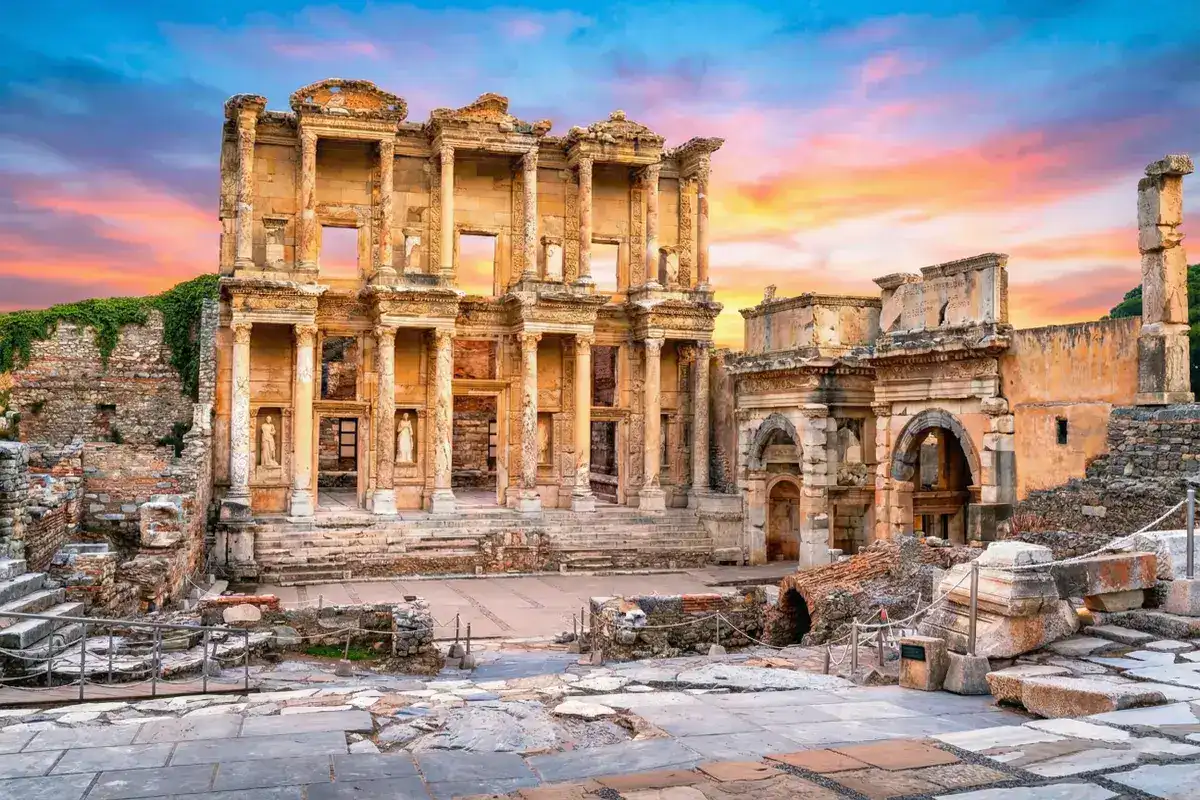
With a week or more, add Cappadocia or move west from Antalya toward Pamukkale and Ephesus. Cappadocia and the coast are a strong contrast—fairy-chimney landscapes and sunrise balloon flights followed by Mediterranean water—but the connection should be planned around realistic flight schedules and transfer times. Travelers interested in a longer overland arc can also consider Antalya, Pamukkale, and Ephesus, although this means less downtime at the beach.
The common mistake is assuming every day must include a headline attraction. Build in at least one unscheduled afternoon for a beach, harbor walk, or boat trip. The coast is at its best when there is time to enjoy it, not just photograph it.
Useful Practical Tips Before You Go
- Use flights for long internal jumps. Turkey is large, and an Istanbul-to-Antalya or Antalya-to-Cappadocia plan is usually far more comfortable by air than by overnight bus.
- Pack for pebbles as well as sand. Water shoes can make swimming more comfortable at coves and beaches with rocky entrances.
- Carry a little Turkish lira. Cards are widely accepted in major cities and established hotels, but cash remains useful for small cafés, local transport, and beach services.
- Respect sun and heat. A hat, refillable water bottle, sunscreen, and an early start matter more here than a packed sightseeing schedule.
- Keep mosque visits in mind. Beachwear is appropriate at the shore, but bring a light cover-up and clothing that covers shoulders and knees when visiting mosques.
- Book the right level of structure. A guided itinerary can reduce the coordination burden when combining several regions; an independent stay may be better when your priority is simply beach time and flexibility.
Choose your next step
Recommended Turkey tours
These verified options are the closest available matches for this article’s destination, route intent, and trip length.
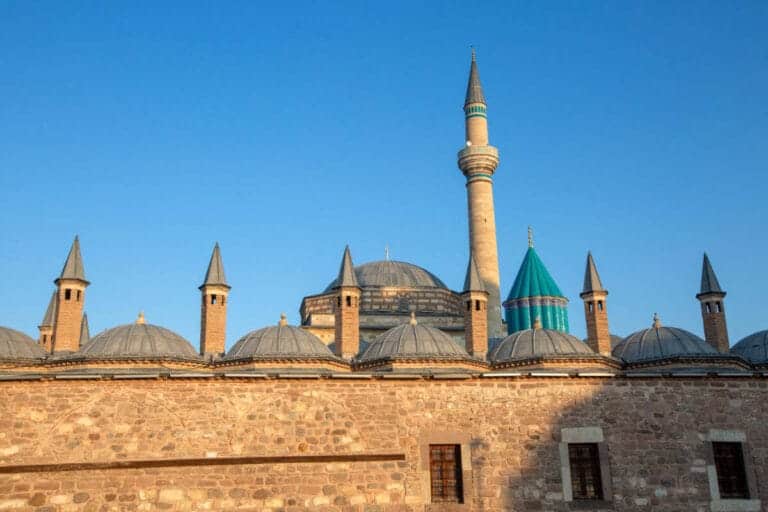
3-Day Cappadocia & Konya Tour from Istanbul
A 3 days Historical & Cultural Tour route covering Cappadocia, Konya and 1 more destination.
View tour details →
2-Day Cappadocia Adventure with Sunrise Hot Air Balloon Ride
A 2 days Historical & Cultural Tour route covering Cappadocia.
View tour details →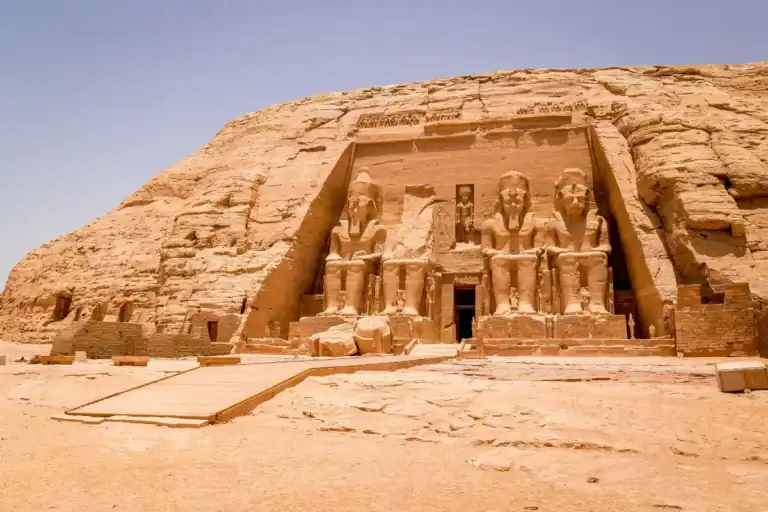
17-Day Türkiye, Egypt & Jordan Highlights Tour
A 17 days Cultural & Heritage Tour route covering Turkey, Egypt and 1 more destination.
View tour details →
2-Day Cappadocia Tour from Istanbul by Plane with Hot Air Balloon
A 2 days Historical & Cultural Tour route covering Cappadocia, Istanbul.
View tour details →Common Questions About the Turquoise Coast
How many days do you need on the Turquoise Coast?
Four days can cover Antalya, a major ruins day, and some beach time. Allow seven days or more if you want to add Fethiye, Kaş, a boat trip, or several Lycian sites without rushing.
Is Antalya or Fethiye better for a first visit?
Antalya is generally easier for a first visit because it has strong flight connections, more accommodation choices, and nearby Roman sites. Fethiye is better if Ölüdeniz, boat outings, and the western coast are your main priorities.
Can you swim in Turkey in October?
Often, yes—especially during the first part of October along the Mediterranean coast. Sea conditions and weather vary year to year, so pack layers for evenings and do not rely on summer heat.
Is the Turquoise Coast suitable for families?
Yes. Antalya’s beaches and facilities are convenient for families, while calmer areas around Ölüdeniz and Çıralı can suit travelers wanting a quieter stay. Choose boat trips carefully, checking duration, shade, swimming-stop conditions, and child policies before booking.
Plan a Coast Trip That Matches Your Pace
The Turquoise Coast works best when you decide what matters most: ancient cities, quiet coves, a gulet cruise, family beach time, or a larger Turkey route that includes Cappadocia and Ephesus. Antalya is the sensible short-trip base; the Fethiye–Kaş side rewards travelers who can give it more time.
For help matching flights, transfers, guided visits, and beach days to your available dates, share your preferences through Plan My Trip. One Nation Travel can help coordinate an itinerary with the right balance of structure and free time.