
The practical answer: the Seven Churches of Revelation are spread across western Turkey, and most travelers visit them on a 6- to 7-day overland route beginning and ending in Izmir. A private driver-guide arrangement is the simplest option for a pilgrimage-focused trip; independent travelers can do it with a rental car and careful hotel planning. Spring and fall are generally the most comfortable times for outdoor ruins.
The Seven Churches—Ephesus, Smyrna, Pergamon, Thyatira, Sardis, Philadelphia, and Laodicea—are not seven intact church buildings. They are historic Christian communities addressed in Revelation 1–3, represented today by archaeological sites, city remains, museums, and modern towns. The key decision is whether you want a spiritually focused pilgrimage with historical interpretation or a flexible self-drive route that combines the churches with other western Turkey highlights.
What Was Istanbul Called in Bible Times, and Who Is Buried at Ephesus?
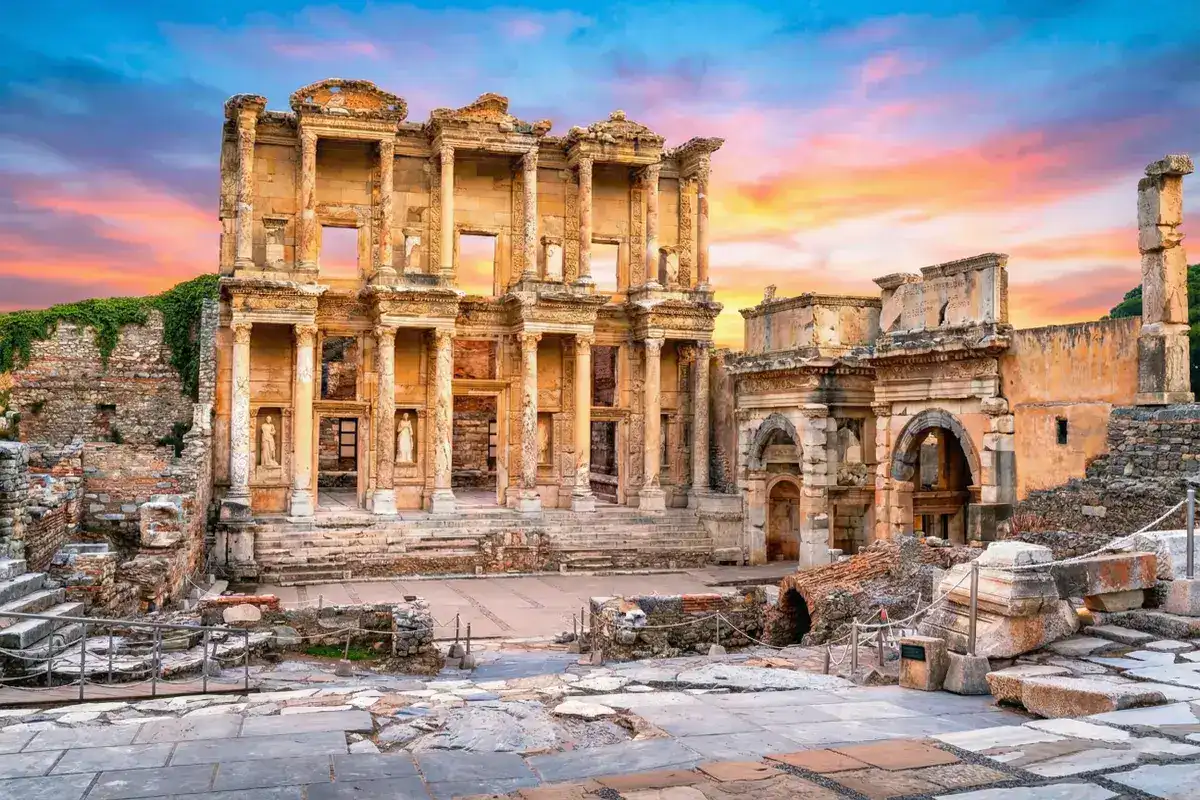
In New Testament times the city we now call Istanbul was Byzantium; it was refounded as Constantinople in AD 330 and is never named in the Bible under any of those names. Ephesus is different: it is one of the seven cities addressed in Revelation. Christian tradition holds that the Apostle John spent his final years in Ephesus and was buried on Ayasuluk Hill in Selçuk, where a marble slab inside the Basilica of Saint John still marks the traditional tomb. Mary has no tomb at Ephesus: the House of the Virgin Mary marks the spot where tradition says she lived, not a burial place.
What to Know Before Planning
- Most travelers fly into and out of Izmir, which is well positioned for Smyrna, Pergamon, Ephesus, and the inland church sites.
- Allow at least six full touring days for all seven churches. Seven days is more comfortable if you want time for museums, worship, reflection, or Pamukkale.
- Several locations, especially Thyatira and Philadelphia, have limited visible ruins compared with Ephesus, Sardis, Pergamon, and Laodicea. A knowledgeable local guide can add important context.
- A rental car offers independence, but a driver-guide arrangement reduces navigation, parking, language, and timing pressure on a route with multiple overnight stops.
- Budget separately for flights, hotels, site admissions, meals, guide services, transport, and any optional visits such as Pamukkale or the House of the Virgin Mary.
- For comfortable walking at archaeological sites, aim for April through June or September through October when possible; summer heat can make exposed ruins demanding.
Where Are the Seven Churches of Revelation?
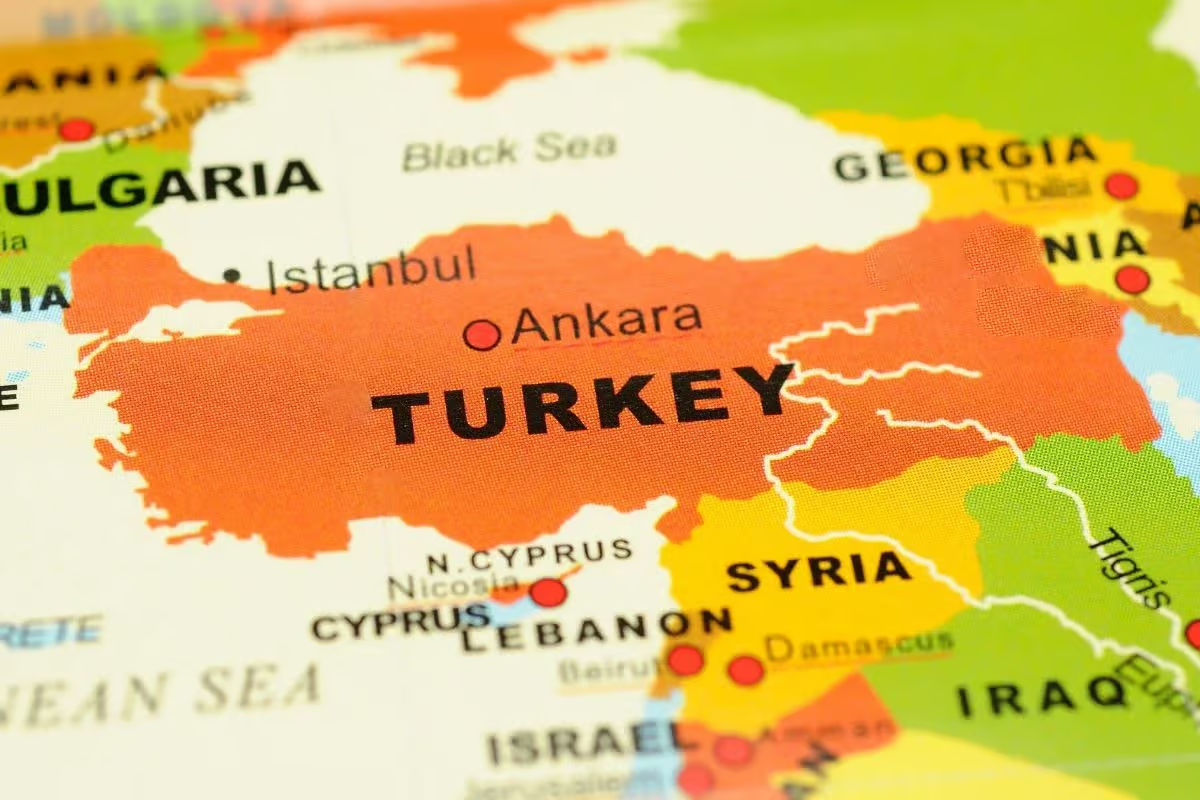
All seven churches are in modern Turkey, mainly across the Aegean region and the inland valleys east of Izmir. Their ancient names and modern locations are:
| Church in Revelation | Modern Location | What Travelers See Today |
|---|---|---|
| Ephesus | Selçuk | Major Roman-era city ruins, early Christian sites, museum collections, and nearby pilgrimage locations |
| Smyrna | Izmir | Ancient agora remains within a modern coastal city |
| Pergamon | Bergama | Hilltop acropolis, theater, temples, and the healing sanctuary of Asclepion |
| Thyatira | Akhisar | Small archaeological remains incorporated into a modern town |
| Sardis | Near Salihli | Large gymnasium-bath complex, synagogue, temple area, and ancient road remains |
| Philadelphia | Alaşehir | Limited visible remains, including surviving Byzantine-era columns and church traces |
| Laodicea | Near Denizli | Extensive excavated city remains, churches, streets, stadium, and public buildings |
Because the route crosses both cities and rural Anatolian landscapes, it is better treated as a road journey than a series of day trips from one base. Izmir works well for the opening and closing nights, but Bergama, Salihli or Alaşehir, Pamukkale, and Selçuk are useful overnight areas along the way.
A Practical 7-Day Seven Churches Route
Day 1: Arrive in Izmir and visit ancient Smyrna
Begin in Izmir, ancient Smyrna, where the old city is now part of a large modern metropolis. The Agora of Smyrna is the central archaeological stop, while Kadifekale and the waterfront offer a better sense of the city’s geography. Travelers interested in the early church may also wish to discuss the legacy of Polycarp with their guide and check local opening arrangements for religious sites before arrival.
Stay in Izmir for the night. It is a sensible arrival base with a broad choice of hotels and restaurants, and it gives you time to recover before the longer road days ahead.
Day 2: Pergamon from Izmir or Bergama
Travel north to Bergama, ancient Pergamon. The dramatic acropolis is one of the most visually powerful stops on the route, with sweeping views and a steep hillside setting. Allow time for the Asclepieion of Pergamon, an important ancient healing sanctuary that helps explain the city’s status in the Roman world.
Revelation refers to Pergamon as the place “where Satan’s throne is.” That phrase is theological language, not a label for one confirmed monument. A good guide should distinguish between the biblical text, traditional interpretations, and what archaeology can actually establish.
Practical tip: Pergamon’s acropolis is exposed and uneven underfoot. Bring water, sun protection, and supportive shoes, especially from late spring through early fall.
Day 3: Thyatira and Sardis
Continue southeast toward Akhisar, ancient Thyatira. This is one of the quieter church stops. Its remains are comparatively modest and close to the modern town center, so expectations matter: Thyatira is most rewarding for travelers who value the biblical sequence and historical setting rather than monumental ruins.
After Thyatira, proceed toward Sardis near Salihli. Sardis deserves more time than many first-time visitors expect. The monumental gymnasium and bath complex, synagogue, ancient road, and Temple of Artemis area reveal the scale and wealth of the old Lydian capital. Revelation’s message to Sardis—“wake up”—takes on greater weight when considered against the city’s former importance.
Overnight near Salihli or Alaşehir. This positioning keeps the next day manageable and avoids unnecessary backtracking.
Day 4: Philadelphia and the road to Laodicea
Visit Alaşehir, ancient Philadelphia, known in Revelation as the church associated with perseverance and an “open door.” The visible remains are limited, but surviving columns and church traces provide a meaningful stop when interpreted alongside the biblical text and the city’s location in the fertile valley.
Then continue south toward Denizli and Laodicea. Depending on your pace, you can visit Laodicea late in the day or save the major site visit for the following morning. An overnight in Pamukkale or Denizli is practical, particularly if you want to add the thermal terraces and Hierapolis without rushing.
Day 5: Laodicea, Hierapolis, and Pamukkale
Laodicea is the final church named in Revelation and one of the more substantial archaeological sites on the route. Its excavated streets, public structures, stadium, and early church remains help visitors understand why the city was an important commercial and religious center. The familiar “lukewarm” imagery in Revelation is often discussed in relation to the region’s water systems, though interpretations should be presented carefully rather than as absolute fact.
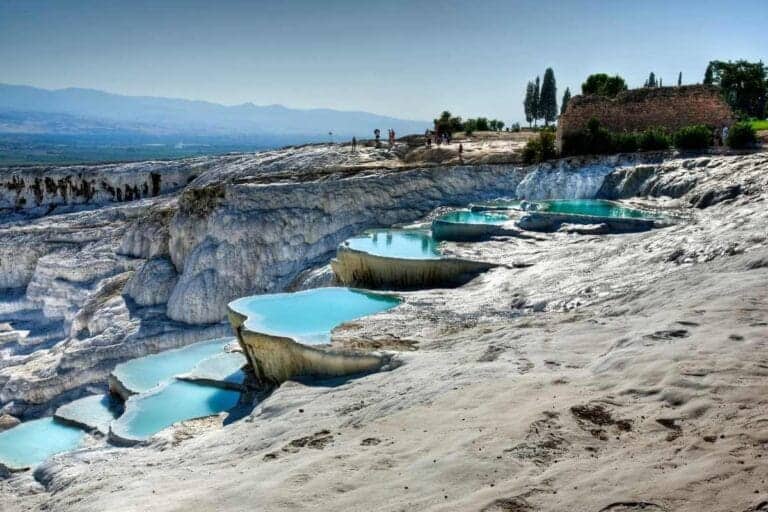
Nearby, the white terraces of Pamukkale and the ruins of Hierapolis-Pamukkale make a worthwhile extension. This is not one of the Seven Churches, but it adds Roman, Christian, and natural history to the journey. Travelers who prefer a more contemplative church itinerary can limit the Pamukkale visit; those who enjoy archaeology should allow several hours.
Day 6: Ephesus and Selçuk
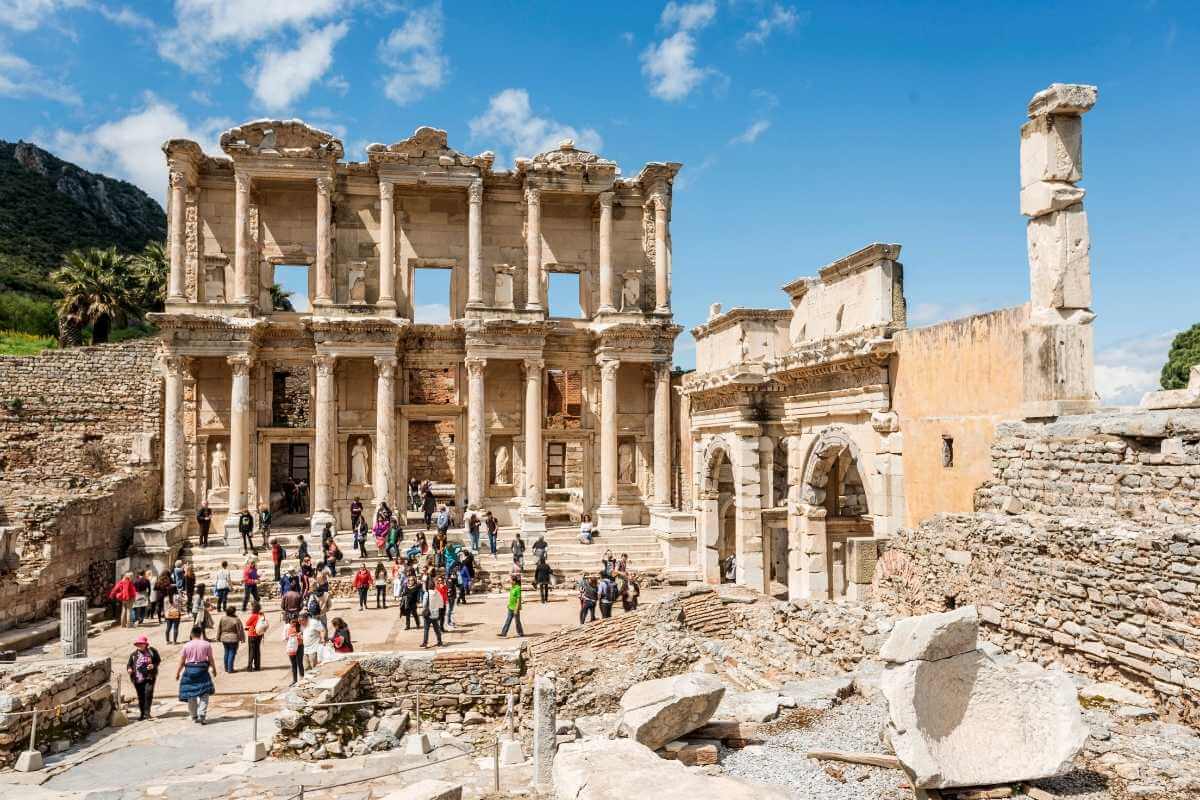
Travel west to Selçuk for Ephesus Ancient City Ruins, the best-known and often most emotionally resonant stop on a Seven Churches tour. The city’s marble streets, commercial areas, library facade, terraced slopes, and theater make it easier to imagine the urban setting of early Christianity.
Important related stops include the Great Theatre of Ephesus, the House of the Virgin Mary, the Basilica of Saint John, and Isa Bey Mosque. Not every group needs all of them. Prioritize Ephesus itself if time is limited, then choose related sites according to your devotional interests and energy level.
Stay in Selçuk or return to Izmir. Selçuk is better for an early, uncrowded start at Ephesus, while Izmir is convenient for an early departure flight.
Day 7: Return to Izmir and depart
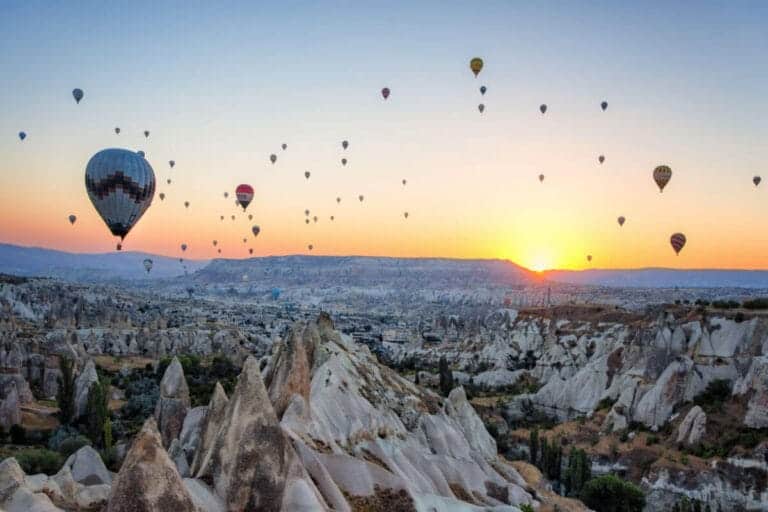
Finish the route with a transfer to Izmir airport or an additional night in the city. If you are continuing elsewhere in Turkey, Ephesus also connects naturally with an Istanbul stay, Cappadocia, or a broader western Anatolia itinerary.
How Much Does a Seven Churches Trip Cost?
There is no single reliable price for a Seven Churches pilgrimage because the total depends heavily on travel style, group size, hotel category, season, domestic or international flights, and whether you use a guide and private vehicle. Site admissions, museum access, meals, tips, and optional religious services can also change the total.
For a useful planning budget, separate your expenses into these categories:
- International and domestic transportation: flights to Izmir or Istanbul, plus any domestic connection needed for your wider Turkey itinerary.
- Ground transportation: rental vehicle and fuel, or a vehicle with driver and guide for the full route.
- Accommodation: expect several overnight locations if you follow the route efficiently rather than returning to Izmir every day.
- Licensed guiding: particularly valuable at sites where the remains are limited or biblical context needs explanation.
- Admissions and optional experiences: archaeological sites, museums, Pamukkale, and any special religious or cultural visits.
Before booking, ask for a written list of what is included and excluded, the planned hotel towns, how many hours of guiding are provided each day, and whether entrance fees are included. This avoids the common mistake of comparing a transport-only quote with a fully guided package.
Should You Travel Independently or Book a Guided Route?
Independent rental-car route
A self-drive itinerary suits confident travelers who enjoy setting their own pace, researching the biblical and historical background in advance, and making spontaneous detours. It can be a good choice for couples or small groups who want flexible meal stops and extra time at Ephesus, Sardis, or Pamukkale.
The trade-off is planning effort. You will manage navigation between smaller towns, parking near sites, hotel changes, opening hours, and the interpretation of locations where little remains above ground. Build in buffer time; trying to cover too many churches in one day is the most common self-drive mistake.
Private driver-guide or tailored pilgrimage
This option is best for church groups, multigenerational families, travelers with limited time, and visitors who want the biblical narrative explained in context. A well-planned private route can also match hotel locations to the daily drive rather than forcing long returns to Izmir.
Before confirming, verify the guide’s language, daily driving limits, hotel standard and location, entrance-fee policy, group size, accessibility needs, and whether the route includes all seven churches in the order you expect. If your plans change, provide notice at least 5 days before the tour starts. Non-refundable flight and bus ticket costs are deducted from the paid balance; with less than 5 days notice, or for a no-show, the full payment is non-refundable.
Adding Cappadocia or Istanbul
If this is your first trip to Turkey, adding Istanbul or Cappadocia can make the journey feel more complete, but it also changes the pace. Add at least two extra nights for Cappadocia rather than treating it as a rushed detour. Travelers deciding between organized and private arrangements may find our comparison of group tours and private tours in Turkey helpful.
Choose your next step
Recommended Turkey tours
These verified options are the closest available matches for this article’s destination, route intent, and trip length.

2-Day Cappadocia Tour from Istanbul: Flights, Cave Hotel & Meals
A 2 days Historical & Cultural Tour route covering Cappadocia, Istanbul.
View tour details →
17-Day Türkiye, Egypt & Jordan Highlights Tour
A 17 days Cultural & Heritage Tour route covering Turkey, Egypt and 1 more destination.
View tour details →
2-Day Cappadocia Adventure with Sunrise Hot Air Balloon Ride
A 2 days Historical & Cultural Tour route covering Cappadocia.
View tour details →
2-Day Cappadocia Tour from Istanbul by Plane with Hot Air Balloon
A 2 days Historical & Cultural Tour route covering Cappadocia, Istanbul.
View tour details →Questions Travelers Often Ask
Can I visit all Seven Churches in five days?
It is possible with long driving days and a tightly managed schedule, but six or seven days is more realistic. A shorter route works best for travelers who are comfortable limiting time at Thyatira, Philadelphia, or Pamukkale.
Do I need to be Christian to enjoy this route?
No. The trip is equally rewarding for travelers interested in Roman cities, archaeology, ancient trade routes, and the history of early Christianity. A guide can adapt the emphasis to faith, history, or both.
What should I wear at the sites?
Wear comfortable walking shoes with grip, light layers, a hat, and sun protection. Many ruins have uneven stone surfaces and little shade. Carry respectful clothing for active religious sites and any planned church visits.
When is the best time of year for a Seven Churches pilgrimage?
Spring and fall are usually the easiest seasons for outdoor touring. Summer can be very hot at exposed archaeological sites, while winter may bring rain and shorter daylight hours but often fewer visitors.
Make the Route Work for Your Travel Style

The best Seven Churches itinerary is not the fastest one; it is the one that gives each stop enough context. Ephesus, Pergamon, Sardis, and Laodicea reward unhurried exploration, while Thyatira and Philadelphia become more meaningful when their place in the Revelation sequence is clearly explained.
For broader planning, review our Complete Turkey Travel Guide, practical advice on choosing the best month for a first Turkey trip, and our guide to how many days you need in Turkey. When you are ready to shape the route around your dates, group, interests, and preferred pace, plan your Turkey trip with One Nation Travel.