
Kaymakli Underground City and Derinkuyu Underground City are the two most visited subterranean complexes in Cappadocia, Turkey — and choosing between them is one of the most common dilemmas travelers face. Kaymakli is wider, with a sprawling horizontal layout across four open levels, while Derinkuyu is deeper, descending eight floors approximately 85 meters (280 feet) below the surface. Both date back thousands of years and served as massive refuges for early Christian communities.
If you only have time for one underground city during your Cappadocia trip, the right choice depends on your physical comfort level, time constraints, and what kind of experience you’re after. This guide breaks down both sites with honest, side-by-side comparisons so you can make a confident decision before booking your tour.
Whether you’re planning a full week in Turkey or a quick 2-day Cappadocia visit, understanding these two underground cities will help you prioritize your itinerary. Both are UNESCO-recognized within the Göreme National Park region, yet each delivers a distinctly different experience underground.
What Are Cappadocia’s Underground Cities?
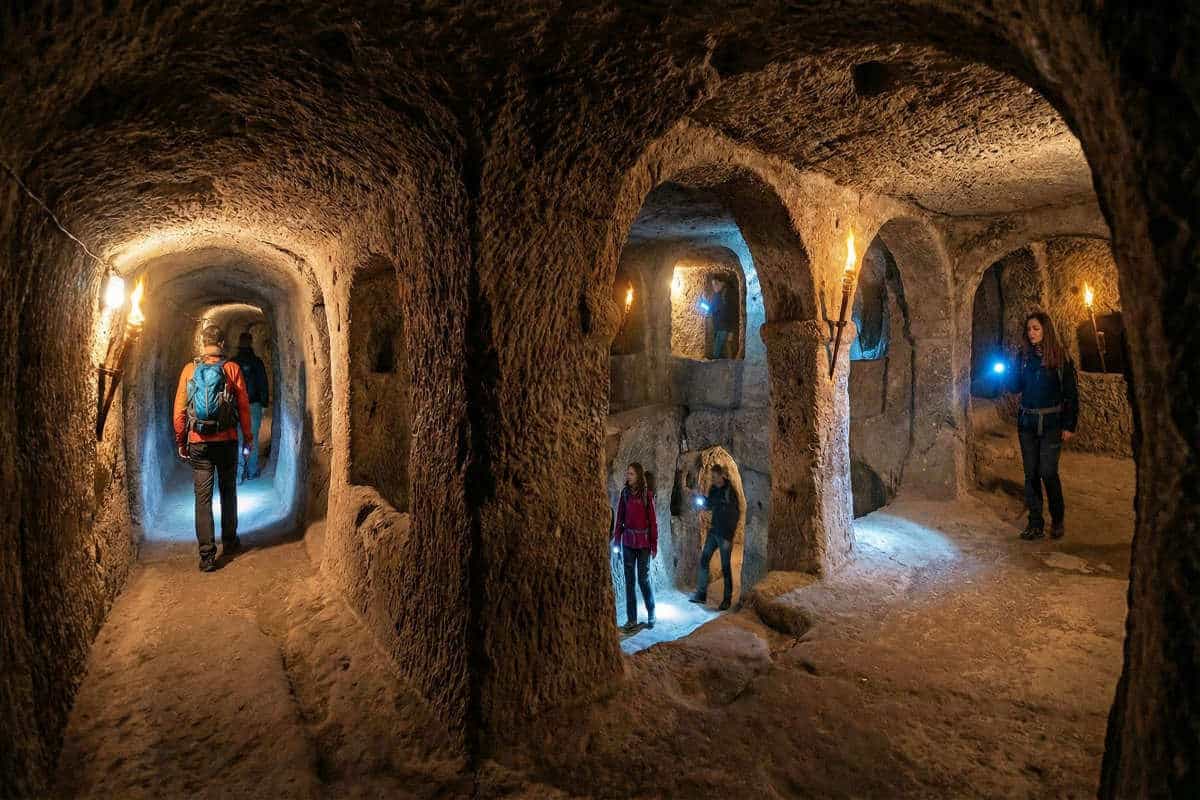
Cappadocia’s underground cities are massive multi-level tunnel networks carved into the region’s soft volcanic tuff rock. Geologists estimate the rock formed from volcanic ash deposits millions of years ago, creating a material soft enough to carve with hand tools yet strong enough to support multi-story subterranean structures. Over 200 underground cities have been identified across Cappadocia, though only a handful are open to the public.
The earliest tunnels are believed to have been started by the Hittites around 1200 BCE, though major expansion occurred during the Byzantine era (6th–10th centuries CE) when Christian communities used them as hiding places during Arab raids. These weren’t simple caves — they contained ventilation shafts, water wells, food storage rooms, wineries, churches, schools, and rolling stone doors weighing up to 500 kilograms that could seal off entire floors.
Why Were They Built?
The underground cities served primarily as defensive shelters. When enemy forces invaded the region, entire populations — sometimes numbering in the thousands — would retreat underground with their livestock, seal the entrances, and survive for months using stored provisions and internal water supplies. The engineering is remarkable: ventilation shafts reached the surface to provide fresh air, and narrow corridors were designed so that only one person could pass at a time, making the tunnels nearly impossible to attack from within.
Kaymakli Underground City: What to Expect
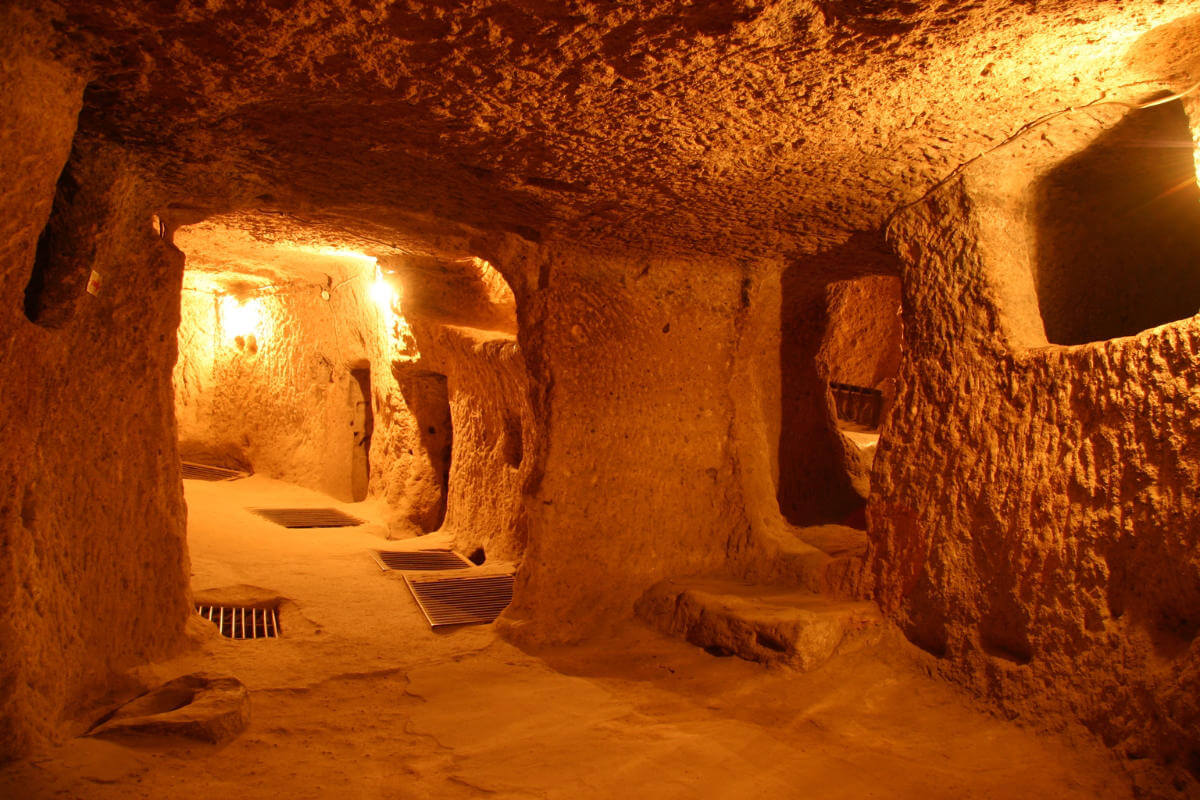
Kaymakli is located about 20 kilometers (12 miles) south of Göreme and is the most visited underground city in Cappadocia. It was opened to the public in 1964 and currently allows visitors to explore four of its estimated eight levels. What makes Kaymakli distinct is its horizontal layout — the rooms and tunnels spread outward across wider spaces rather than plunging straight down.
Layout and Key Features
- Depth: Approximately 20 meters (65 feet) across four open levels
- Highlights: Storage rooms, a church, communal kitchen with blackened ceilings from cooking fires, wine presses, and a stable area on the first level
- Tunnel width: Generally wider and more navigable than Derinkuyu, though some sections still require ducking
- Estimated capacity: Could shelter approximately 3,500 people
- Visit time: 30–45 minutes for a standard guided tour
Kaymakli’s wider corridors make it a slightly more comfortable experience for travelers who are uneasy in tight spaces. The horizontal spread means you spend less time climbing steep staircases and more time moving through connected rooms at similar depths. The kitchen areas with their carved stone benches and storage niches give you a tangible sense of daily life underground.
Who Should Visit Kaymakli?
Kaymakli is the better choice for families with children, older travelers, or anyone with mild claustrophobia. The wider passages and shallower depth make it less physically demanding. It’s also the underground city included on most standard Cappadocia Green Tour itineraries, so if you’re joining a group tour, there’s a good chance you’ll visit Kaymakli by default.
Derinkuyu Underground City: What to Expect
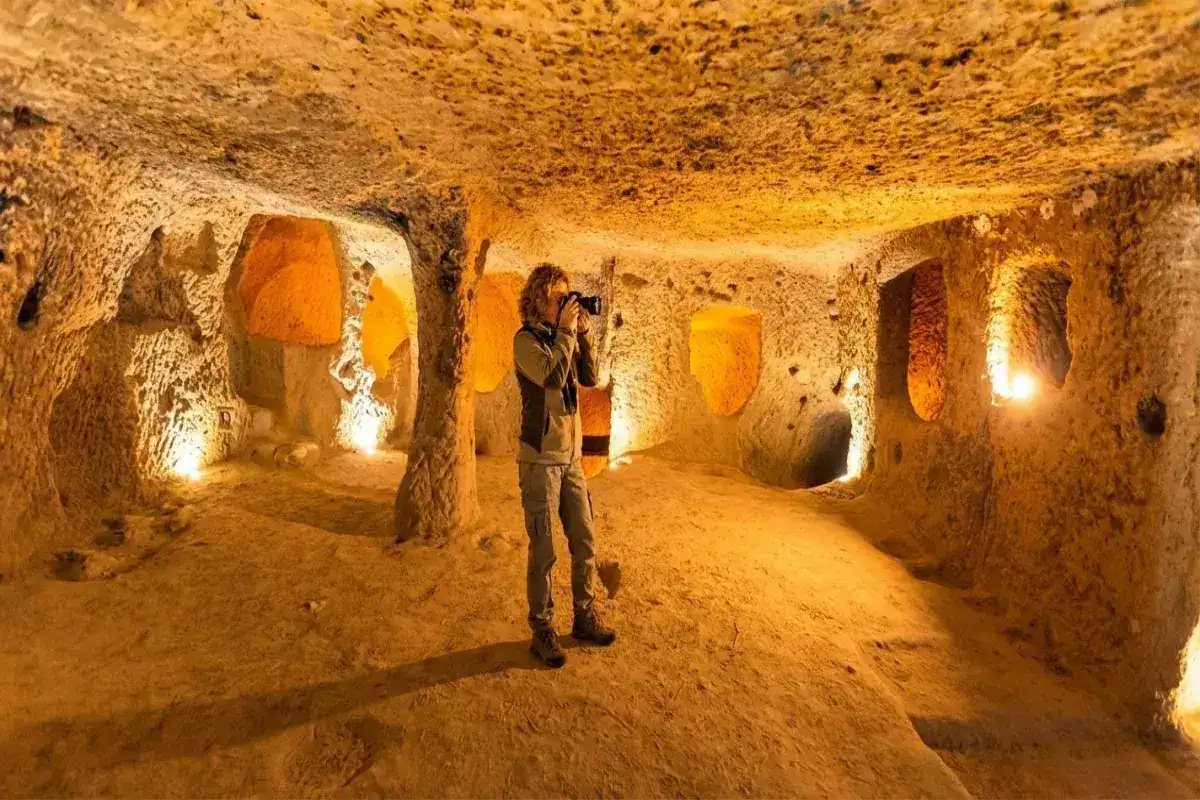
Derinkuyu sits about 10 kilometers (6 miles) south of Kaymakli and roughly 30 kilometers from Göreme. Opened to the public in 1969, it is the deepest excavated underground city in Cappadocia and arguably the most impressive from an engineering standpoint. Visitors can currently descend through eight levels, reaching approximately 85 meters (280 feet) below the earth’s surface.
Layout and Key Features
- Depth: Approximately 85 meters (280 feet) across eight open levels
- Highlights: A cruciform church on the lowest accessible floor, a missionary school, an arsenal room, a large ventilation shaft visible from multiple levels, and rolling stone doors
- Tunnel width: Narrower and steeper than Kaymakli, with some sections requiring you to crouch and navigate single-file
- Estimated capacity: Could shelter approximately 20,000 people with livestock and supplies
- Visit time: 45–60 minutes for a thorough guided tour
The sheer scale of Derinkuyu is what leaves the strongest impression. Standing at the bottom level and looking up the 55-meter ventilation shaft — which also served as a well — gives you a genuine appreciation for what ancient engineers accomplished without modern tools. The cruciform church carved into the rock at depth is unlike anything at Kaymakli, and the tight, descending staircases create a more immersive (and more intense) experience. For a deeper look at what awaits inside, check out our detailed guide on exploring Turkey’s deepest underground city.
Who Should Visit Derinkuyu?
Derinkuyu is ideal for history enthusiasts, adventurous travelers, and anyone who wants the most dramatic underground experience Cappadocia offers. However, it requires a reasonable level of fitness — the steep staircases and narrow corridors can be challenging for those with mobility issues or severe claustrophobia. If you’re comfortable in tight spaces and want to understand the full engineering genius of these ancient refuges, Derinkuyu delivers.
Kaymakli vs. Derinkuyu: Side-by-Side Comparison
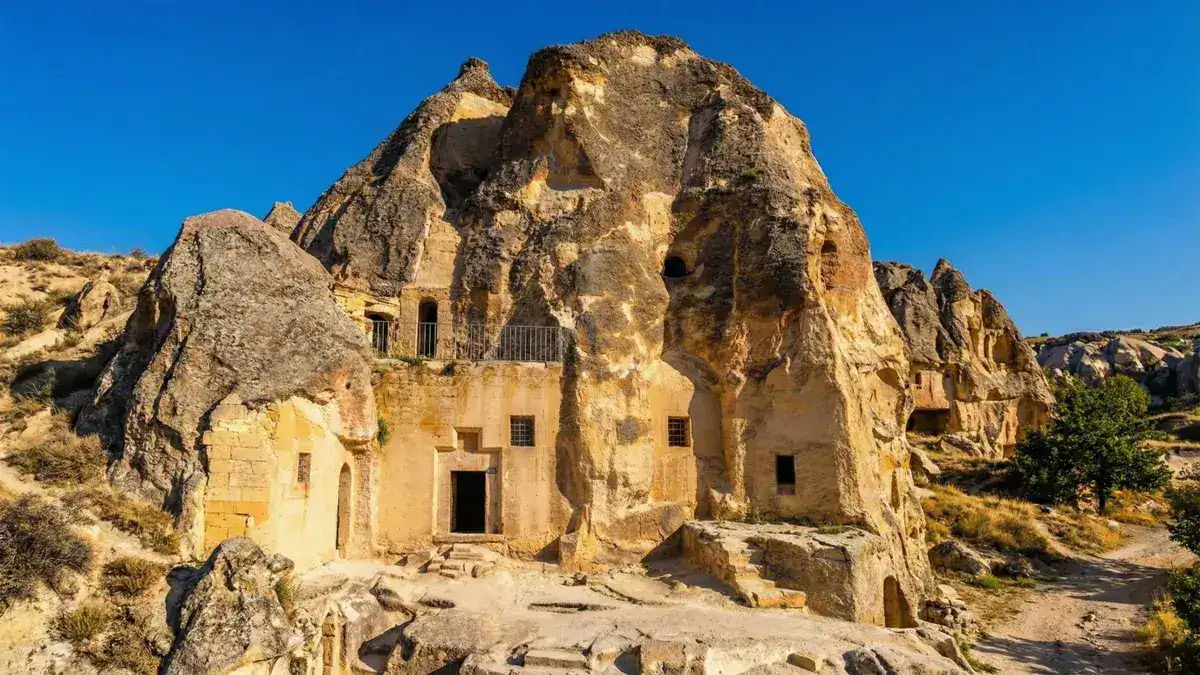
Here’s a direct comparison to help you decide:
- Depth: Kaymakli — 20 meters (4 open levels) | Derinkuyu — 85 meters (8 open levels)
- Capacity: Kaymakli — ~3,500 people | Derinkuyu — ~20,000 people
- Crowd levels: Kaymakli tends to be busier (more tour groups stop here) | Derinkuyu is slightly less congested
- Physical difficulty: Kaymakli — moderate | Derinkuyu — moderate to challenging
- Entrance fee (2025): Both approximately 400–500 Turkish Lira (~$12–15 USD), though prices update periodically with the Ministry of Culture
- Best for: Kaymakli — families, accessibility | Derinkuyu — depth, drama, engineering
- Distance from Göreme: Kaymakli — 20 km | Derinkuyu — 30 km
Expert Tip: If your schedule allows, visit both. They’re only 10 kilometers apart, and experiencing both gives you a complete picture of how these underground communities varied in design. Many private Cappadocia tours can arrange a combined visit in a single half-day.
Can You Visit Both Underground Cities in One Day?
Yes, and it’s easier than most travelers expect. Since Kaymakli and Derinkuyu are just a 15-minute drive apart, combining both into a single morning or afternoon is entirely practical. Most visitors spend 30–45 minutes at Kaymakli and 45–60 minutes at Derinkuyu, making the total outing roughly 3 hours including travel time from Göreme.
If you’re on the Full-Day Cappadocia Green Tour, your itinerary typically includes one underground city along with other south Cappadocia highlights. For travelers wanting to visit both, a private tour or rental car gives you the flexibility to add the second site without rushing.
Practical Tips for Visiting Cappadocia’s Underground Cities
- Wear sturdy, closed-toe shoes. The staircases are steep and can be slippery from condensation.
- Arrive early. Both sites open at 8:00 AM. Visiting before 10:00 AM helps you avoid the largest tour bus crowds.
- Bring a light jacket. Temperatures underground hover around 13–15°C (55–59°F) year-round, regardless of surface weather.
- Skip the selfie stick. Narrow tunnels make selfie sticks impractical and annoying for other visitors.
- Hire a guide. Without narration, you’ll walk through anonymous stone rooms. A knowledgeable guide transforms the visit by explaining what each room was used for and how the defense systems worked.
- Museum Pass Turkey covers entrance to both underground cities and can save money if you’re visiting multiple Turkish sites.
Claustrophobia check: If tight spaces bother you, try Kaymakli first. Its wider corridors are a good test. If you handle Kaymakli comfortably, you’ll likely be fine at Derinkuyu.
What Else to See in Cappadocia Beyond Underground Cities
The underground cities are just one piece of Cappadocia’s extraordinary landscape. After exploring below ground, head above it to experience the region’s iconic fairy chimneys, the cave churches of the Göreme Open-Air Museum, and the panoramic views from Uchisar Castle. For a complete overview of activities, see our guide to unforgettable things to do in Cappadocia beyond hot air balloons.
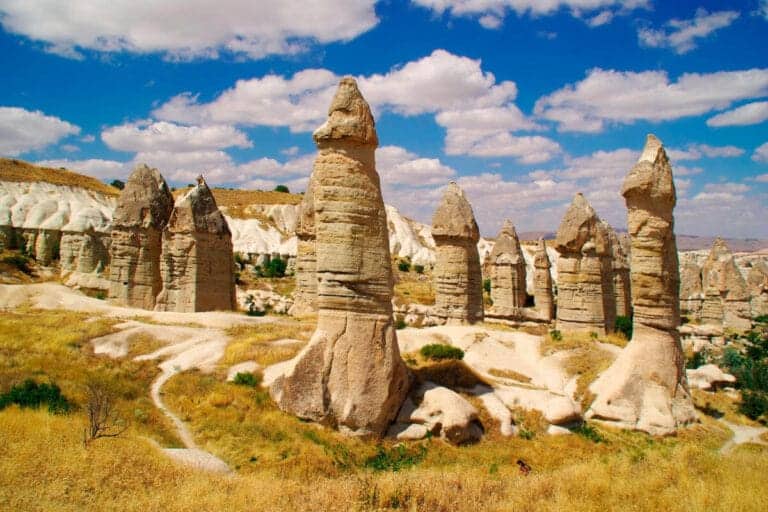
And of course, a Cappadocia hot air balloon ride at sunrise over the valleys remains one of Turkey’s most iconic experiences. You can also wander through Pasabag Monks Valley and Love Valley for some of the most photographed rock formations in the world.
Recommended Tours That Include Underground Cities
These curated Cappadocia tour packages include underground city visits along with the region’s top highlights:
- Private Cappadocia Tour from Istanbul (2 Nights / 3 Days) — A focused private itinerary with flights from Istanbul, covering the underground cities, open-air museum, and fairy chimneys.
- 4-Day Cappadocia Tour from Istanbul (Domestic Flights Included) — Four days with domestic flights, giving you time for both the Red and Green tour routes including Kaymakli or Derinkuyu.
- 2-Day Cappadocia Tour from Istanbul with Hot Air Balloon — A compact option that pairs a balloon ride with key Cappadocia landmarks including an underground city visit.
For travelers combining Cappadocia with other Turkish destinations, the 7-Day Turkey Tour: Istanbul, Cappadocia, Ephesus, Pamukkale is one of our most popular routes covering Turkey’s essential highlights in a single week.
Frequently Asked Questions
Is Kaymakli or Derinkuyu better for first-time visitors?
For most first-time visitors, Derinkuyu offers the more memorable experience due to its depth and dramatic architecture. However, if you have mobility concerns or travel with young children, Kaymakli’s wider passages and shallower layout make it the more practical choice. Both are well-maintained and safe for visitors of all ages.
How much time should you spend at each underground city?
Plan 30–45 minutes for Kaymakli and 45–60 minutes for Derinkuyu. If you’re visiting with a knowledgeable guide who provides historical context, allow time at the upper end of those ranges. Rushing through either site means missing the details that make them remarkable.
Are Cappadocia’s underground cities safe for people with claustrophobia?
Mild claustrophobia is manageable at Kaymakli, where corridors are wider and the depth is minimal. Derinkuyu’s narrow, descending staircases may be more challenging. In both cities, you’re never far from an exit or wider chamber, and guides are experienced in helping nervous visitors. You can always turn back at any point.
What is the best time of year to visit the underground cities?
Underground temperatures remain constant at 13–15°C (55–59°F) year-round, so the cities themselves are comfortable in any season. For the best overall Cappadocia experience, visit between April and June or September and October, when surface weather is pleasant and hot air balloon flights have the highest launch rates. For detailed seasonal planning, read our complete Cappadocia weather and travel guide.
Do you need a guide for the underground cities?
A guide isn’t required for entry, but it’s strongly recommended. Without one, you’ll see stone rooms and tunnels with minimal signage. A guide explains the purpose of each chamber, demonstrates how the rolling stone doors worked, and shares the historical context that transforms a walk through carved rock into a fascinating journey through 3,000 years of human survival.
Final Verdict: Which Underground City Should You Choose?
If you can only visit one, choose Derinkuyu for its depth, scale, and the visceral impact of descending eight floors into the earth. If accessibility and comfort are priorities, choose Kaymakli for its wider corridors and more relaxed pace. If you have half a day, visit both — they complement each other perfectly and together reveal the full scope of Cappadocia’s extraordinary subterranean world.
Either way, an underground city visit belongs on every Turkey itinerary. These are engineering achievements that rival anything from the ancient world, and standing inside them is an experience no photo or video can replicate.
Ready to explore Cappadocia’s underground cities with expert local guides? Plan your trip with One Nation Travel and we’ll build a personalized itinerary that includes the best of Cappadocia — above ground and below it.