
Things to Do in Gallipoli
Walk through history on the Gallipoli Peninsula and explore the pivotal battlefields of the Dardanelles Campaign. Discover sacred ANZAC sites, Turkish memorials, and stunning coastal landscapes that shaped the course of the conflict.
· Reviewed by One Nation Travel Experts
A practical guide to Gallipoli’s battlefields and memorials
Start with the ANZAC sector if this is your first visit; add the southern memorials or Troy when you have more time. Gallipoli is a landscape of remembrance, with coastal landing places, ridgeline positions, cemeteries and Turkish memorials spread across the peninsula.
A conventional battlefield tour links stops by vehicle, with walking at individual sites. It is a different experience from a full-day battlefield hike. Choose the places most relevant to you and leave time to understand their setting.
Reviewed October 17, 2026. Current tour routes were checked against the linked product programmes; access and museum arrangements should be reconfirmed before travel.
Gallipoli, Gelibolu, Eceabat and Çanakkale: know the difference
Gallipoli Peninsula is the European-side landmass beside the Dardanelles. Gelibolu is also the name of a town farther north; arriving in that town does not put you at ANZAC Cove. The best-known battlefield circuit is around Eceabat, while Çanakkale city sits across the strait on the Asian side.
Troy is another separate destination on the Asian side, south of Çanakkale. A plan combining Gallipoli and Troy must allow for travel between the two areas as well as sightseeing.
The present protected area is administered as the Çanakkale Wars Gallipoli Historic Site; its former national-park status changed in 2014. The battlefield zones are on Türkiye’s UNESCO Tentative List, rather than being an inscribed World Heritage property.
ANZAC-sector highlights: places to see first
These stops help explain the relationship between the landing beaches and the contested ridges inland. A good visit connects the terrain with the events of 1915, rather than treating the memorials as isolated photo stops.

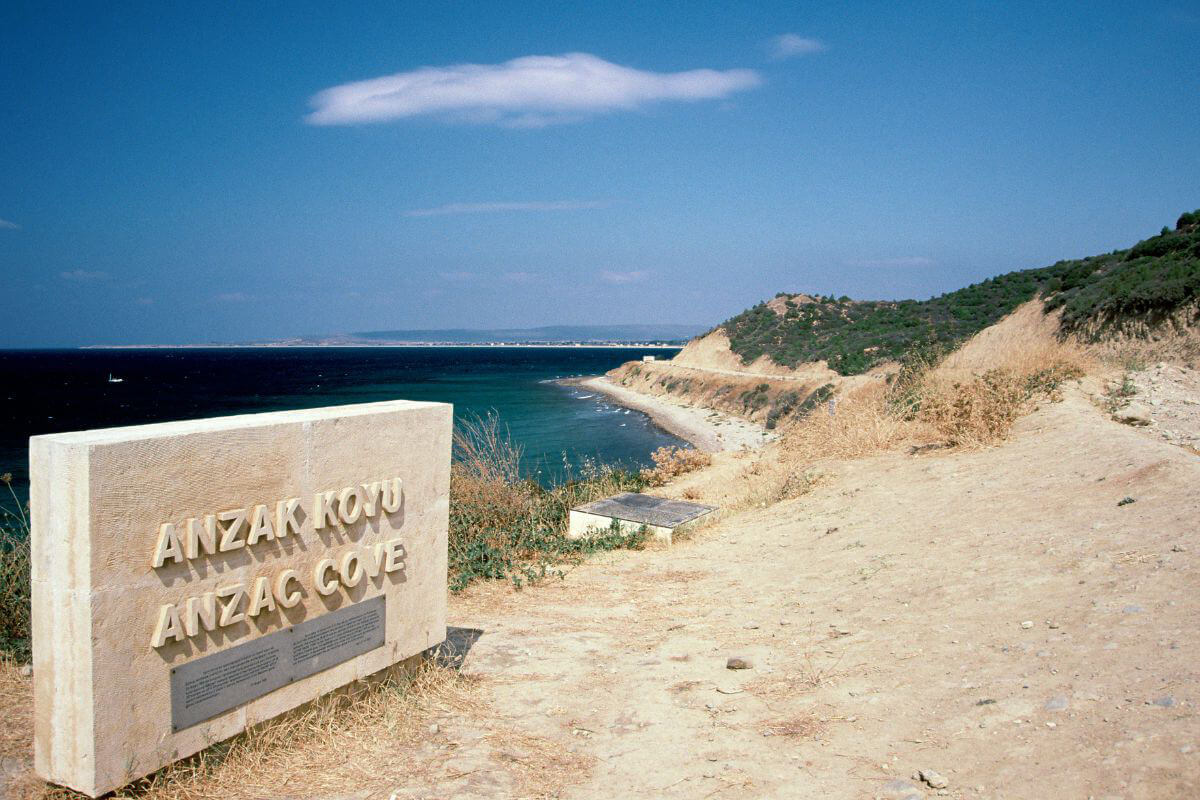
ANZAC Cove and Ari Burnu
The shoreline around ANZAC Cove helps you understand the landings of April 25, 1915 and the steep terrain confronting the troops. Take time to look from the coast towards the inland ridges. This is the Aegean side of the peninsula, not a separate “Gallipoli Strait”.
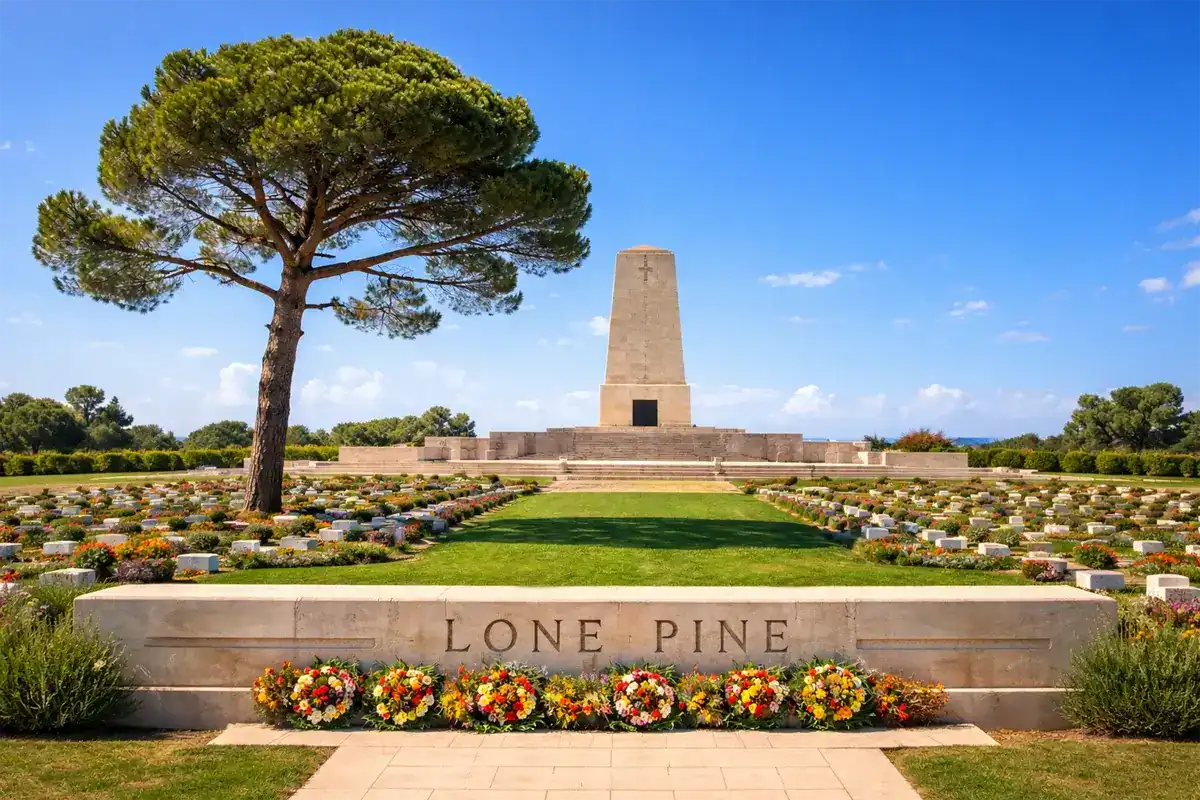
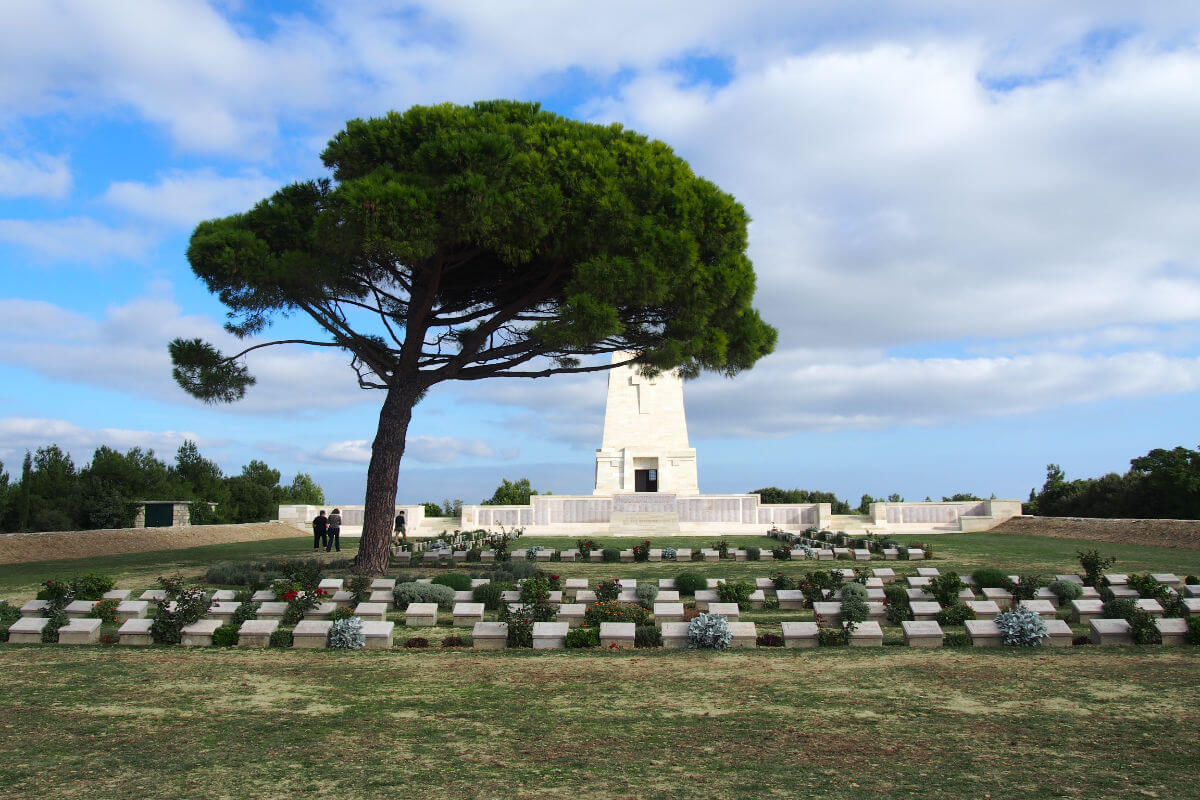
Lone Pine Cemetery and Memorial
Lone Pine brings the human cost of the August fighting into focus. The memorial commemorates Australian and New Zealand servicemen with no known grave, alongside those remembered in the cemetery. Allow time to read the memorial panels and cemetery inscriptions.
Chunuk Bair / Conkbayırı
This strategic height is closely associated with New Zealand’s August offensive and Ottoman counterattacks. The memorials and views help explain why control of the ridge mattered. The ridgeline viewpoint connects the New Zealand and Ottoman stories.
The Nek
The narrow ridge gives context to the attack of August 7, 1915 by the 8th and 10th Light Horse regiments. They fought dismounted. The cemetery and nearby landscape invite a quiet stop to consider the fighting and those commemorated here.
Brighton Beach and the coastal landscape
Brighton Beach was the intended landing area to the south of where the first ANZAC troops came ashore. Compare its terrain with the coastline at ANZAC Cove. Treat this coast as part of the historical landscape and follow local signs and access rules.
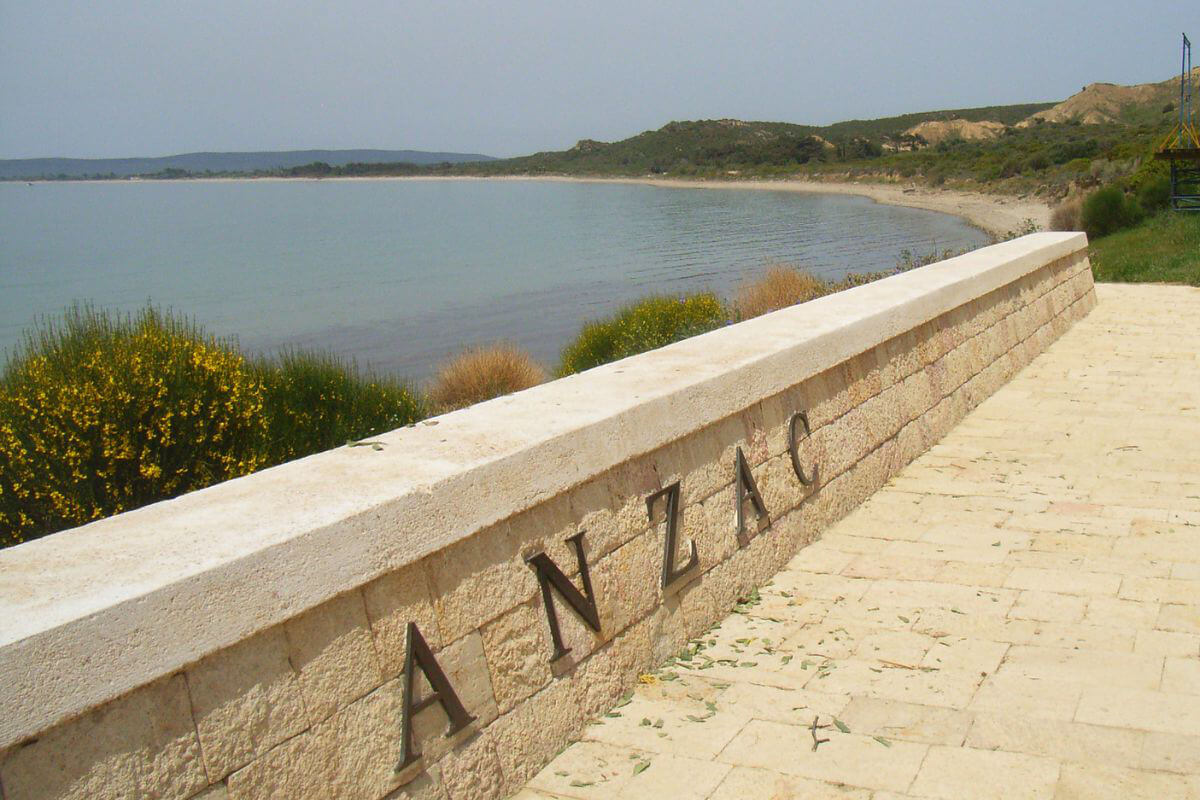
Read the landscape with a guide
The distances between beach, gullies, trench positions and ridges are central to understanding the campaign. Use marked visitor paths and ask a guide to connect the sites. A longer walking route needs its own time allowance and should not be assumed part of a conventional vehicle tour.
Turkish memorials and the southern battlefield sector
57th Infantry Regiment Memorial
This memorial introduces the Ottoman defence and the role of the 57th Regiment. The visitor cemetery is symbolic; it should not be presented as the actual burial place of all the regiment’s fallen. See the official 57th Regiment site description.
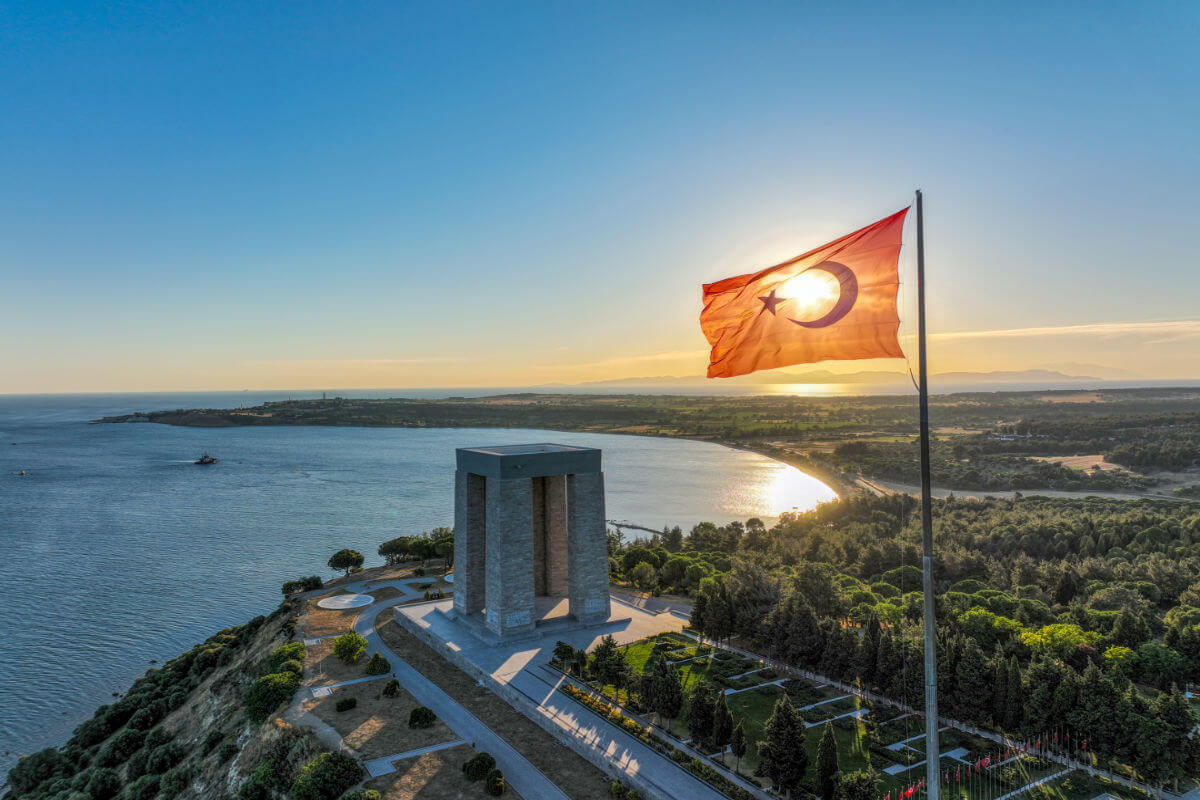
Çanakkale Şehitler Abidesi / Turkish Martyrs’ Memorial
The large memorial near Morto Bay belongs to the southern part of the peninsula. It commemorates Ottoman soldiers who lost their lives in the campaign; its commemorative cemetery is symbolic. Allow a separate detour from the familiar ANZAC-sector circuit. Consult the Historic Site Directorate’s memorial guide.
Helles Memorial and Seddülbahir
Helles is another important southern-sector stop, commemorating Commonwealth losses in the campaign. It broadens a visit beyond the ANZAC sector and should be planned with the southern memorials, rather than assumed to sit beside Lone Pine. Read the official Helles Memorial record.
Check the itinerary before booking. A standard ANZAC-sector programme does not automatically include the Turkish Martyrs’ Memorial, Helles or the Kabatepe interpretation centre. If one is essential to you, request confirmation of the exact stop and time allowance.
Kabatepe: add context at the interpretation centre
The Çanakkale Destanı Tanıtım Merkezi is near Kabatepe on the peninsula. It is separate from Lone Pine and from museums in Çanakkale city. The centre uses a sequence of presentation rooms and simulation to explain the campaign; the directorate describes a programme lasting roughly an hour.
Admission is paid, sessions have capacity limits, and advance reservation is recommended. Check the current opening days, session language, tickets and availability with the official interpretation-centre information before building it into your day. Allow time for arrival and your session as well as travel to the next battlefield stop.
Transport, admission and practical access
Getting to the battlefields from Istanbul
A return day trip from Istanbul is a long travel day with an early start and a late finish. The road journey is separate from the guided battlefield visit. Compare the stated pickup area, transport arrangements and return plan; do not read a four-hour local sightseeing programme as a four-hour trip from Istanbul.
Independent travellers should choose their arrival point carefully. Eceabat gives access to the peninsula; staying in Çanakkale involves planning the strait crossing and onward transport. Check GESTAŞ ferry schedules close to travel. Gelibolu town and the 1915 Çanakkale Bridge do not eliminate the onward journey to the principal memorial sites.
Our Istanbul to Gallipoli transport guide explains arrival choices and transfer planning in more detail.
What is free, and what costs extra?
The outdoor memorials and Commonwealth cemeteries are generally visited without an individual entrance ticket. Transport, guiding, meals, parking and ticketed museums or interpretation centres are separate services. Check each venue’s current policy and the tour’s inclusions rather than treating a package price as a memorial entrance fee.
Walking and mobility
Vehicle-based tours normally combine driving with walking at stops. Extended battlefield walks are a separate choice. Surfaces, gradients and steps vary, so give the operator your specific needs and ask about vehicle access, walking distances and toilets.
Accessibility varies by location. The official Lone Pine record says wheelchair access is possible through the main entrance. This does not establish that every trench, trail or memorial has the same access.
Weather and respectful visiting
Spring and autumn often suit outdoor sightseeing; summer brings exposed, hot stops, while winter can be wet and windy. Check the forecast rather than relying on a fixed seasonal temperature. Bring water, sun protection, a weather layer and comfortable shoes suitable for uneven ground.
Keep voices low at cemeteries, leave graves and memorials undisturbed, and follow marked paths and current site instructions. Leave space in your day for reflection and for the interests of other visitors.
How to plan one or two days in Gallipoli
| Your time | A realistic focus | What to confirm |
|---|---|---|
| One day from Istanbul | A selected ANZAC-sector battlefield circuit with long return road transfers | Pickup location, sightseeing stops, local guide coverage and late return |
| One full local day | ANZAC-sector highlights, with extra stops only if travel time permits | Starting town, vehicle, museum session and individual priorities |
| Two days nearby | First day in the ANZAC sector; second day for southern sites or a separate Troy visit | Which second-day route your booked package actually includes |
A first-day ANZAC-sector outline
Use the coast around Brighton Beach, ANZAC Cove and Ari Burnu to understand the landings, then connect the story with Lone Pine, The Nek and Chunuk Bair. The 57th Regiment Memorial can add the Ottoman perspective when included in your route. Stop order depends on your starting point, access and the booked programme.
Choose your second-day priority
For a deeper battlefield visit, plan the Turkish Martyrs’ Memorial and Helles in the southern sector, potentially with a museum stop if sessions allow. For a different historical period, cross to the Asian side and visit Troy. Do not assume an overnight Gallipoli–Troy package also includes a full southern-peninsula circuit.
Visiting around ANZAC Day, April 25
ANZAC Day has special remembrance services and visitor arrangements. The Dawn Service takes place at the Anzac Commemorative Site at North Beach, distinct from ANZAC Cove. A regular battlefield tour booking is separate from admission to a commemorative event.
Check the Australian Department of Veterans’ Affairs event guidance for your attendance year. Passes, identification, security screening, traffic controls and permitted belongings can affect the visit. Do not rely on a permanent service start time or assume normal sightseeing routes will operate unchanged.
Book accommodation and suitable transport early if you plan to attend, and allow for a different schedule from an ordinary sightseeing day.
Choose a tour by route and pace
The four recommendations below focus on the ANZAC-sector battlefields. They do not list the Turkish Martyrs’ Memorial, Helles or the Kabatepe simulation centre as included stops. The two-day tour visits Troy on its second day; the same-day private combination fits Troy and Gallipoli into one demanding day.
Hotel pickup coverage, guide hours, meals and admission inclusions belong to each product. A local sightseeing guide does not necessarily accompany the Istanbul road transfers. For any special memorial or family-history visit, confirm the exact stop before booking.
Book the experience
Recommended Gallipoli Tours
Live prices and exact inclusions come from each tour page.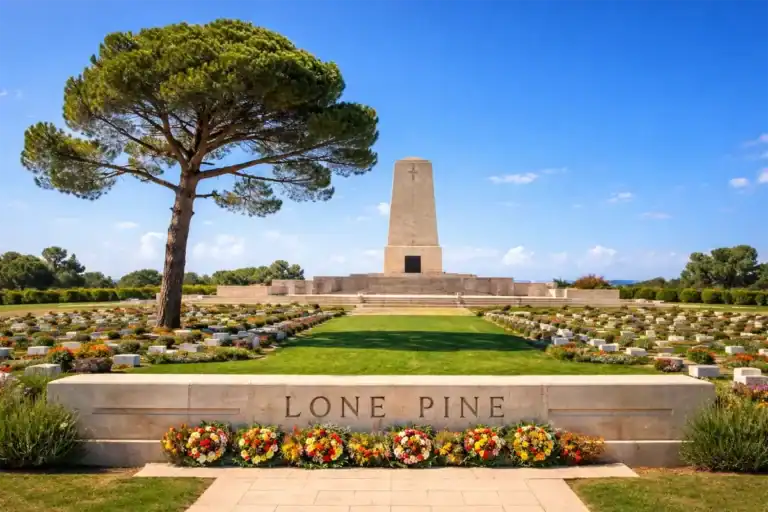
Shared day trip from Istanbul
Gallipoli Day Trip from Istanbul
A very long return day for the ANZAC-sector highlights. Local battlefield guiding starts in Eceabat; the Istanbul road transfers are transport legs. Check your hotel pickup area and the late return schedule.

Private Gallipoli day tour
Private Gallipoli Day Tour from Istanbul
Private vehicle and a local battlefield guide who joins and finishes in Eceabat. Request any essential memorial stop in advance. Cruise pickup needs prior agreement; the driver handles the Istanbul road transfers.
Two days · one hotel night
2-Day Gallipoli and Troy Tour from Istanbul
Gallipoli on Day 1, one hotel night in Çanakkale, then Troy on Day 2 before the evening return. Guiding covers sightseeing rather than every transfer or free-time period. Day 2 lunch is excluded.

Private Troy & Gallipoli · same day
Troy & Gallipoli Day Tour from Istanbul
Troy in the morning and the Gallipoli ANZAC sector in the afternoon. This is a demanding, very long return day from Istanbul. Choose it when seeing both in one day matters more than a slower pace.
Frequently asked questions about Gallipoli
What are the best things to do in Gallipoli on a first visit?
Begin with a selected ANZAC-sector circuit linking ANZAC Cove, Ari Burnu, Lone Pine, The Nek and Chunuk Bair. Add Turkish memorials, southern sites or museums according to your interests and available time; every stop is not included in every tour.
Is Gallipoli the same place as Çanakkale or Gelibolu town?
No. Gallipoli is the peninsula on the European side of the Dardanelles, and Gelibolu is also the name of a town farther north. Many familiar battlefield stops are around Eceabat. Çanakkale city is across the strait on the Asian side.
Can I visit Gallipoli as a day trip from Istanbul?
Yes, but plan for a very long day with early pickup and a late return. Most of the trip includes road travel, with a separate local battlefield programme. Check the product’s pickup area, guide coverage, exact stops and return arrangements.
Are Gallipoli memorials free to enter?
Outdoor memorials and Commonwealth cemeteries are generally visited without an individual entry ticket. Museums and interpretation centres can charge admission. Transport, guiding and meals are separate services; check current venue rules and the inclusions of your chosen tour.
Do Gallipoli tours involve six to eight hours of hiking?
A conventional vehicle tour connects sites by road with walking at individual stops. Extended battlefield walks are a separate activity. Ask about your particular route, walking distances, surfaces and gradients rather than assuming continuous hiking.
Can visitors with limited mobility visit Gallipoli?
Access varies by site. The official Lone Pine record says wheelchair access is possible through its main entrance, while trails, trenches and other stops can have uneven ground, slopes or steps. Confirm the proposed route and vehicle arrangements for your needs.
Can I see Troy and Gallipoli in one day?
A private same-day combination is available, but it is a demanding day from Istanbul. Troy is on the Asian side and Gallipoli is on the European side. An overnight combination separates Gallipoli and Troy across two days; check the exact programme.
Does a standard Gallipoli tour include the Turkish Martyrs’ Memorial or Helles?
Do not assume so. Many programmes concentrate on the ANZAC sector. The four tours recommended here do not list the Turkish Martyrs’ Memorial, Helles or Kabatepe interpretation centre as included stops. Confirm any essential site before booking.
Where is the Gallipoli Dawn Service held?
The Dawn Service is held at the Anzac Commemorative Site at North Beach, distinct from ANZAC Cove. Check the official guidance for your attendance year for event passes, identification, security, transport and service times.
Is the Gallipoli battlefield an inscribed UNESCO World Heritage Site?
The Çanakkale and Gallipoli battle zones are on Türkiye’s UNESCO Tentative List, submitted in 2014. Tentative listing is different from inscription on the World Heritage List.
Is there a museum at Lone Pine?
Lone Pine is a cemetery and memorial stop. The Kabatepe interpretation centre is a separate venue on the peninsula, with paid sessions and its own opening and reservation arrangements.
How many days should I allow?
One full local day can cover a selected battlefield circuit. Two days allow a more detailed visit, a southern-sector route or a separate Troy day. From Istanbul, include the long road transfers when comparing packages and available sightseeing time.
Plan a Gallipoli visit around the sites that matter to you
Share your travel dates, starting point and any essential memorial or family-history stop. We can help you compare the listed programmes and confirm whether a private arrangement is needed.
Official sources and further reading
Visitor information was reviewed on October 17, 2026 using the Gallipoli Historic Site Directorate, the Australian Government’s Anzac Walk resource, New Zealand’s Ministry for Culture and Heritage and the official records linked above. Recheck time-sensitive access, museum and event information before travel.