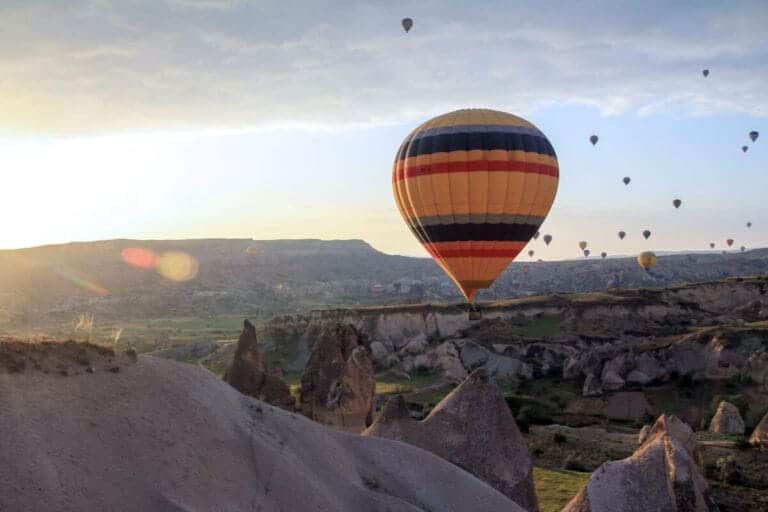

The practical answer: Turkey is easy to enjoy when you plan around its size, seasons, and regional differences. Check your entry requirements before booking, carry a mix of cards and Turkish lira, dress respectfully at religious sites, and avoid trying to cover Istanbul, Cappadocia, Ephesus, Pamukkale, and the coast in only a few rushed days. A well-paced route makes the trip far more rewarding.
Turkey suits travelers who want major cities, ancient sites, distinctive food, and dramatic landscapes in one trip. The most important planning decision is not simply where to go—it is how much ground you can realistically cover. Istanbul and Cappadocia are a strong first-trip pairing, while Ephesus, Pamukkale, and Antalya work best when you have additional time or are comfortable with domestic flights and longer road transfers.
What to Keep in Mind Before You Go
- Confirm visa and passport rules for your nationality through official Turkish government and embassy sources before purchasing flights.
- Turkey is larger than many first-time visitors expect; use domestic flights or a guided route rather than trying to travel between distant regions every day.
- Cards are common in cities, but Turkish lira is useful for taxis, small purchases, markets, tips, and public restrooms.
- Spring and fall are generally the easiest seasons for a multi-stop itinerary; summer can be very hot inland, while winter brings cold conditions in Cappadocia.
- Dress casually in most places, but bring clothing that covers shoulders and knees for mosque visits and be prepared to remove your shoes.
- Book high-demand elements, especially Cappadocia balloon flights and short domestic-flight connections, early enough to leave room for weather or schedule changes.

Entry Rules, Passports, and Travel Documents
Entry rules depend on the passport you hold, the purpose of your visit, and the length of stay. Some visitors may be eligible for an e-Visa, while others may be visa-exempt for short tourism stays or need to apply through a Turkish diplomatic mission. Requirements can change, so confirm the details through an official government source before making non-refundable travel arrangements.
Check your passport validity carefully. Airlines can refuse boarding when travel documents do not meet the destination’s rules, even if you expect to resolve the issue on arrival. Keep digital and printed copies of your passport, visa approval if applicable, travel insurance information, hotel confirmations, and onward or return travel details.
Practical tip: Use the name on your booking exactly as it appears in your passport. A small spelling mismatch can become a serious issue for domestic flights.
Money, Cards, and What Turkey Actually Costs
The local currency is the Turkish lira (TRY). Major hotels, restaurants, museums, and retailers in Istanbul and popular tourism areas often accept cards, but cash still matters. Carry smaller lira notes for markets, taxis, tips, snacks, and purchases in smaller towns.
Costs vary sharply by city, travel season, hotel standard, transport choice, and whether tours include meals, entry tickets, or domestic flights. Istanbul has options at many price points, while Cappadocia can become more expensive during popular ballooning periods. Coastal destinations can also rise in price during the summer holiday season.
Smart payment habits
- Use bank ATMs where possible and review the exchange rate and withdrawal fee before confirming.
- Ask whether a restaurant or shop accepts card payment before ordering or selecting an item.
- When a card terminal offers to charge you in your home currency, compare carefully; paying in Turkish lira is often the clearer option.
- Keep a backup card separately from your main wallet.
- Agree on taxi pricing or ensure the meter is used before departure where applicable.
At bazaars, bargaining can be part of the experience, especially for souvenirs, textiles, and decorative goods. It is not expected at supermarkets, museums, pharmacies, or most fixed-price stores. A friendly negotiation is normal; pressure to buy is a good reason to walk away.
Culture, Dress, and Everyday Etiquette
Turkey is modern, varied, and regionally diverse. Visitors will find relaxed dress in many city neighborhoods and resort areas, alongside more conservative customs around religious sites and in some smaller towns. Courtesy goes a long way: greet people politely, accept or decline tea graciously, and avoid assuming that the same norms apply everywhere.
When visiting a mosque such as the Hagia Sophia Grand Mosque or the Blue Mosque, wear modest clothing, remove your shoes, and follow instructions about visitor areas and prayer times. Women may be asked to cover their hair, so carrying a lightweight scarf is useful. Everyone should avoid entering during restricted times or obstructing worshippers.
A few Turkish words help
- Merhaba — hello
- Teşekkür ederim — thank you
- Lütfen — please
- Evet / Hayır — yes / no
English is widely used in major visitor areas, hotels, and organized tours, but less consistently outside them. Download offline maps and a translation app before traveling. For more practical preparation, see Turkey Travel Tips 2026: 20 Things to Know Before You Go.
When Is the Best Time to Visit Turkey?
For a first trip that includes several regions, April through June and September through October are often the most comfortable windows. Temperatures are usually more manageable for walking through ruins, exploring Istanbul, and spending time outdoors in Cappadocia. These periods can still be busy, so popular flights and tours should not be left to the last minute.
| Season | Best for | What to plan for |
|---|---|---|
| Spring | City sightseeing, ancient sites, Cappadocia landscapes | Variable temperatures and busy holiday periods |
| Summer | Antalya and coastal stays | Strong heat inland, crowded resorts, higher seasonal demand |
| Fall | Balanced multi-city itineraries and outdoor exploration | Popular dates can sell quickly, especially in Cappadocia |
| Winter | Istanbul museums, quieter travel, snowy Cappadocia scenery | Cold weather, shorter daylight, possible weather-related disruptions |
Cappadocia balloon flights operate according to weather conditions, not simply the calendar. If a balloon ride is important to you, schedule it for the first suitable morning of your stay rather than the last. This gives you a better chance of moving the activity if conditions prevent a flight.
For a closer look at seasonal trade-offs, read When Is the Best Month for Your First Turkey Trip?.
How Many Days Do You Need?
Turkey rewards travelers who resist overpacking the itinerary. Istanbul deserves at least three nights for its major landmarks, neighborhoods, food, and ferry views. Cappadocia is more satisfying with two nights, particularly if you want to allow for a sunrise balloon flight, valley visits, and an underground city. Add more time for the Aegean archaeological sites, Pamukkale, or the Mediterranean coast.
A realistic first-trip framework
- 4 to 5 days: Choose Istanbul and Cappadocia, or focus on Istanbul with one additional region.
- 6 to 7 days: Combine Istanbul, Cappadocia, and either Pamukkale or Ephesus with careful flight planning.
- 8 to 10 days: Add Ephesus, Pamukkale, and Antalya at a more comfortable pace.
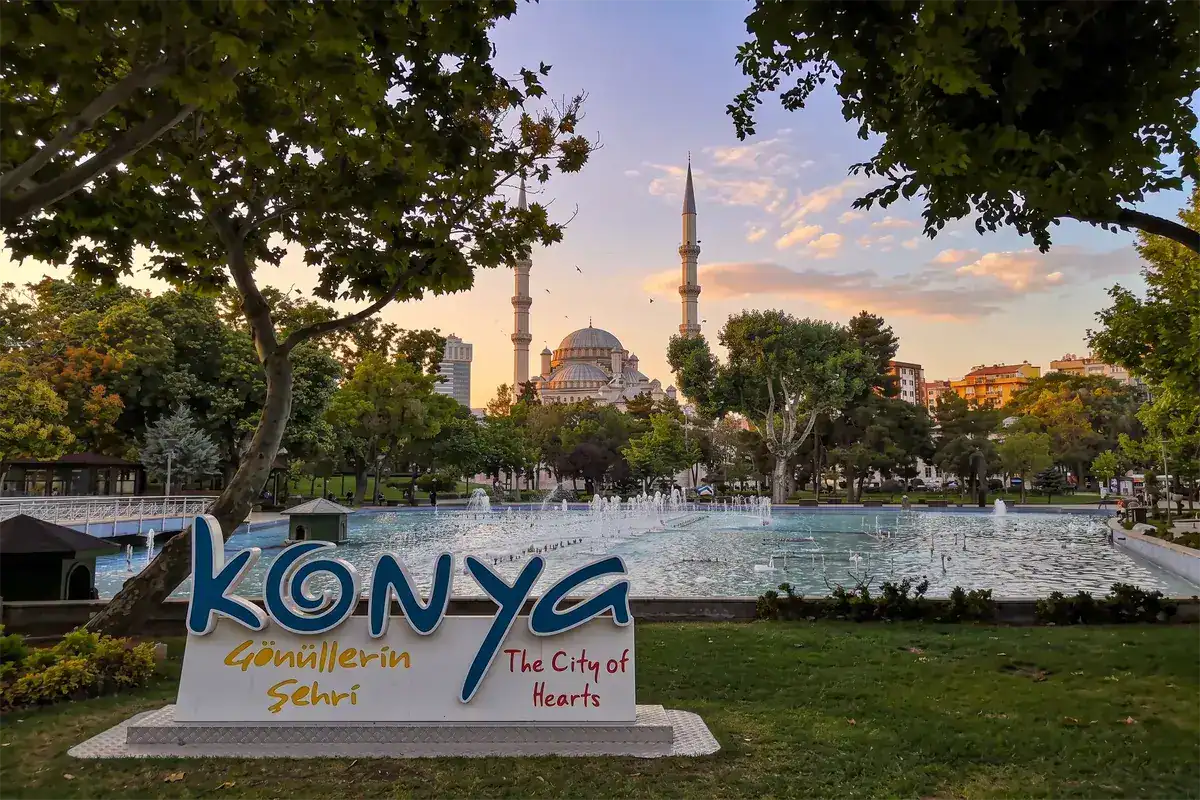
- 13 days or more: Consider Gallipoli, Troy, Pergamon, Konya, or additional coast and archaeological stops.
A common mistake is treating Turkey’s landmarks as if they are all a short drive apart. They are not. A route involving Istanbul, Cappadocia, Ephesus, and Pamukkale needs deliberate transport planning. Domestic flights can save time, but airport transfers, baggage rules, and check-in time still count as travel time.
For route inspiration based on trip length, see How Many Days Do You Need in Turkey? and the Complete Turkey Travel Guide 2026.

Getting Around Turkey Without Losing Too Much Time
Domestic flights are usually the most practical option for travelers connecting Istanbul with Cappadocia or covering several far-apart regions. Intercity buses can be comfortable and useful for budget-conscious travelers, but they require more time and may involve overnight travel. Within Istanbul, trams, metro lines, ferries, and walking are often more efficient than road transport during busy periods.
Choose transport by itinerary, not by price alone
- Domestic flights: Best for limited vacation time and multi-region routes. Confirm baggage allowances and airport transfers.
- Intercity buses: Best for travelers with flexible schedules who are comfortable with longer journeys.
- Private transfers: Useful when a route has no convenient flight or when traveling with family, luggage, or a small group.
- Public transit in Istanbul: Best for central sightseeing days around the historic peninsula, ferry terminals, and major neighborhoods.
Build a buffer before international departure flights. Do not plan a long transfer, an archaeological visit, and a same-day international departure unless the timing has been checked carefully. The same caution applies when booking separate domestic tickets: a low fare is less useful if a missed connection creates an expensive problem.
Places Worth Prioritizing on a First Visit
There is no single “must-do” route for every traveler, but several places consistently work well together. In Istanbul, allow time for historic monuments, neighborhood walks, and a ferry or Bosphorus cruise, rather than trying to rush through every museum in one day. The Topkapi Palace Museum, Grand Bazaar, and waterfront districts each need more time than many schedules allow.
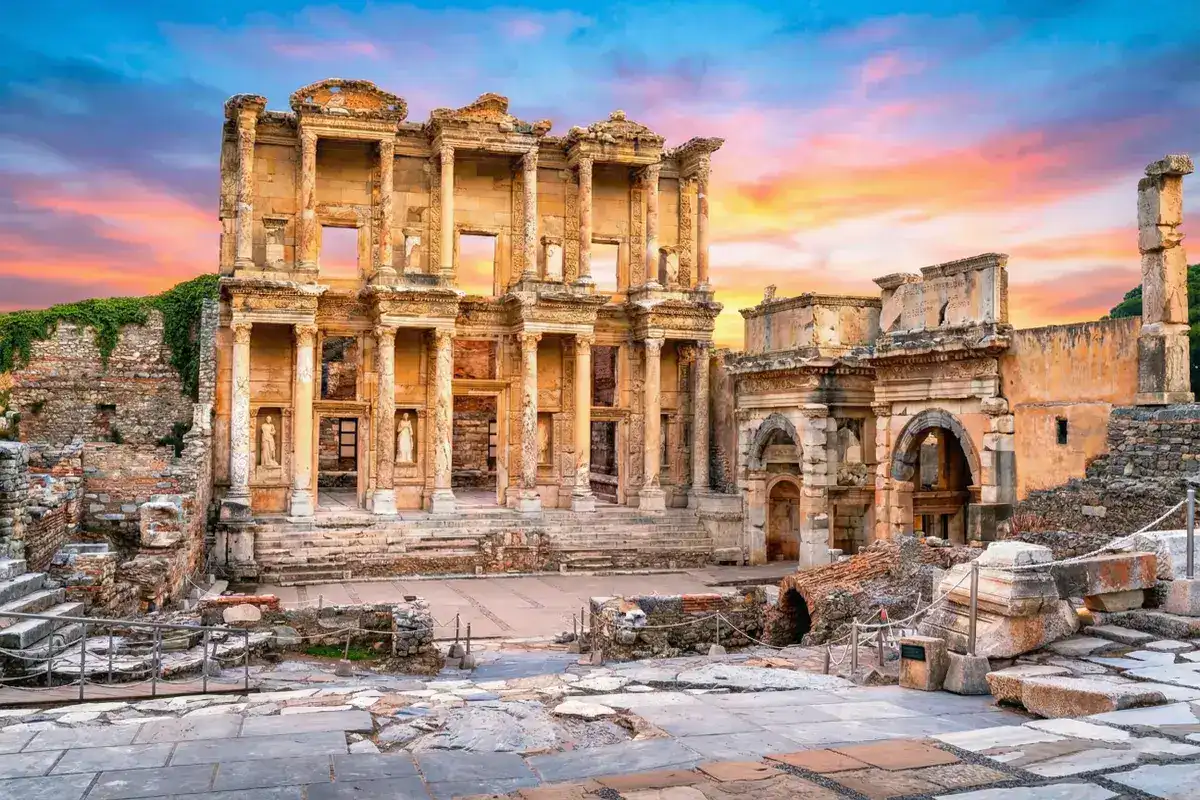
Cappadocia offers more than balloon photographs. Visit valley viewpoints, see the fairy chimneys of Pasabag Monks Valley, and consider an underground-city visit if you are comfortable in enclosed spaces. At Ephesus, plan for uneven stone paths, sun exposure, and a slower pace through the ancient city. At Pamukkale, combine the white terraces with the ruins of Hierapolis-Pamukkale.
Travelers with 8 to 10 days can add the Mediterranean around Antalya, especially if they want beaches, Roman-era sites, and a less urban finish after Istanbul.
Should You Travel Independently or Choose a Guided Route?
The right choice depends on how much coordination you want to manage. Independent travel gives you more freedom with hotels, restaurants, and pacing, and it works well if you are staying in one or two regions. A guided multi-stop route can be more practical when you want to connect airports, hotels, museum visits, local transport, and several destinations without spending vacation time solving logistics.
Independent travel is a good fit if you:
- Want several unscheduled days in Istanbul or along the coast.
- Are comfortable managing domestic flights, local transfers, and changing hotels.
- Prefer to choose restaurants and daily sightseeing at your own pace.
A guided itinerary is often a better fit if you:
- Have limited time and want Istanbul, Cappadocia, Ephesus, and Pamukkale arranged in a logical order.
- Would rather have local transport and site visits coordinated between destinations.
- Want support when schedules change or a transfer needs reconfirming.
Before booking any package, verify the exact hotel category, domestic-flight arrangements, airport transfers, meals, site-entry costs, group size, and whether a balloon flight is included or optional. A two-night Cappadocia stay is generally safer than a one-night stay if ballooning is a priority. Travelers looking for a short Cappadocia extension can compare the 2-Day Cappadocia Tour from Istanbul: Flights, Cave Hotel & Meals with longer Turkey itineraries based on the time they have available.
If you need to cancel or change dates, notice must be given at least 5 days before the tour starts; non-refundable flight and bus ticket costs are deducted from the paid balance; with less than 5 days notice, or for a no-show, the full payment is non-refundable.
Choose your next step
Recommended Turkey tours
These verified options are the closest available matches for this article’s destination, route intent, and trip length.
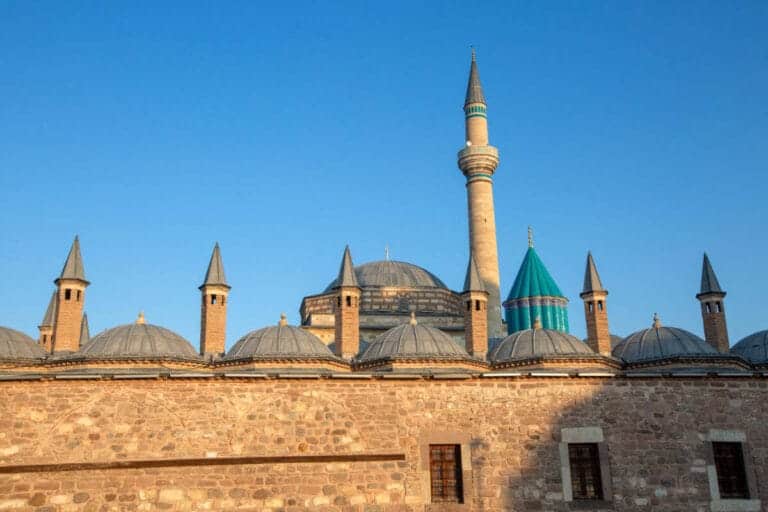
3-Day Cappadocia & Konya Tour from Istanbul
A 3 days Historical & Cultural Tour route covering Cappadocia, Konya and 1 more destination.
View tour details →
4-Day Cappadocia Tour from Istanbul by Bus (1 Night Hotel, 2 Nights Bus)
A 2 days Historical & Cultural Tour route covering Cappadocia, Istanbul.
View tour details →
17-Day Türkiye, Egypt & Jordan Highlights Tour
A 17 days Cultural & Heritage Tour route covering Turkey, Egypt and 1 more destination.
View tour details →
2-Day Cappadocia Adventure with Sunrise Hot Air Balloon Ride
A 2 days Historical & Cultural Tour route covering Cappadocia.
View tour details →Common Questions Before Traveling to Turkey
Is Turkey safe for tourists?
Popular visitor areas are widely traveled, but standard precautions still apply. Watch personal belongings in crowded places, use licensed transport where possible, follow local rules at religious and historic sites, and check your government’s current travel advisory before departure.
Can I drink tap water in Turkey?
Many travelers choose bottled or filtered water for drinking, particularly when moving between regions. Tap water is generally suitable for washing and brushing teeth, but follow local guidance from your hotel or tour representative if you have concerns.
What should I pack for Turkey?
Bring comfortable walking shoes with good grip, layers for changing temperatures, sun protection, a scarf or modest cover-up for mosques, a universal adapter, and a small day bag. Add a warm layer for Cappadocia mornings, even outside winter.
How much should I tip in Turkey?
Tipping is customary for good service, but amounts depend on the setting and service level. Keep small lira notes for drivers, guides, porters, and restaurant staff, and ask your tour coordinator for current local guidance when joining a multi-day trip.
Plan a Turkey Trip That Leaves Room to Enjoy It
Turkey is at its best when your route matches your available time. Start with Istanbul and Cappadocia if this is your first visit, then add Ephesus, Pamukkale, Antalya, or other regions only when the itinerary allows for them. Build in breathing room for weather, domestic transport, and the simple pleasure of staying longer in a place you enjoy.
When you are ready to compare routes, timing, and the right level of support for your trip, plan your Turkey trip with One Nation Travel.