
The quick answer: July is one of Turkey’s hottest, driest, and busiest months. It’s excellent for swimming on the Aegean and Mediterranean coasts, sunset dining, and long beach stays, but midday sightseeing in places such as Ephesus, Pamukkale, and Antalya can be intense. Plan outdoor touring early or late, reserve popular services well ahead, and choose your route based on how much heat you enjoy.
July suits travelers who want reliable sunshine, warm water, and lively summer energy. The main decision is whether to build your trip around the coast and slower days, or combine beaches with inland highlights such as Cappadocia, Istanbul, and ancient sites. Both work well, but they require different pacing.
What to Know Before Booking July Travel
- July is peak summer season in Turkey, especially along the Aegean and Mediterranean coasts.
- Coastal afternoons are often hot, while inland destinations can have more comfortable mornings and noticeably cooler nights.
- Schedule ruins, city walks, and outdoor excursions for the morning; use the hottest hours for lunch, a museum, a pool, or the beach.
- Sea conditions are usually at their most inviting in July, making it a strong month for swimming, boating, and coastal stays.
- Flights, centrally located hotels, beach properties, and balloon rides can be harder to secure during school vacation periods, so earlier planning matters.
- July is not the easiest month for travelers who dislike heat, crowds, or long outdoor days without shade. May, June, September, and October are often more forgiving for a history-focused trip.

What Is Turkey Weather Like in July?
Turkey is a large country with several climate zones, so July weather depends heavily on your route. The broad pattern is dependable: long sunny days, limited rainfall, hot afternoons, and warm evenings in most major destinations. Heat can feel stronger in historic sites with pale stone, little shade, and uneven walking surfaces.
On the Mediterranean and Aegean coasts, daytime highs commonly reach the upper 80s to mid-90s Fahrenheit, and hotter spells are possible. Inland cities and central Anatolia are also warm during the day, though dry air and cooler evenings can make the heat feel more manageable. Istanbul is generally less extreme than the southern coast, but humidity can make afternoon sightseeing tiring.
July rain is uncommon in many popular areas, but it should not be treated as impossible. Weather can change locally, particularly in mountain areas. Check the forecast shortly before departure, but pack for sun first: breathable clothes, a refillable water bottle, high-SPF sunscreen, sunglasses, and shoes with grip for archaeological paths.
Regional July Conditions at a Glance
| Region | Typical July Feel | Best Fit | Practical Planning Note |
|---|---|---|---|
| Istanbul | Warm to hot, sometimes humid | Culture, food, Bosphorus views | Start major sights early and save waterfront areas for evening. |
| Cappadocia | Hot, dry days; cooler mornings and nights | Landscapes, balloon flights, hiking | Layer for sunrise, then expect strong sun by late morning. |
| Aegean Coast | Hot, dry, and beach-friendly | Swimming, sailing, relaxed stays | Book beach towns and transportation early in peak weeks. |
| Mediterranean Coast | Very hot, sunny, warm sea | Beach time, boat trips, resort breaks | Limit midday ruins and choose air-conditioned breaks. |
| Ankara and Central Anatolia | Dry, sunny, hot afternoons | City stops and overland routes | Evenings can be more comfortable than on the coast. |
For a broader seasonal comparison before committing to dates, see when to take your first trip to Turkey and the practical perspective in Complete Turkey Travel Guide 2026.
Where Should You Go in Turkey in July?
July rewards travelers who match the destination to the season rather than trying to sightsee at full speed everywhere. A coast-first itinerary is the simplest choice for a summer vacation, while a mixed route works best when sightseeing is deliberately timed around the heat.
Istanbul: Plan Around the Middle of the Day
Istanbul is still a rewarding July stop, particularly for first-time visitors, but a packed all-day walking plan is rarely pleasant. Visit the Hagia Sophia Grand Mosque, Blue Mosque, and Topkapi Palace Museum as early as practical. Reserve the late afternoon and evening for neighborhoods, dinner, or a Bosphorus cruise, when the breeze can make a real difference.
Modest clothing is appropriate for mosque visits, and visiting hours or access arrangements can change around worship times. Build a little flexibility into your Old City schedule rather than assuming every landmark can be visited in one continuous loop.
Cappadocia: Better for Sunrise Than Midday
Göreme National Park and the surrounding valleys are striking in July, especially at dawn. Balloon flights operate only when conditions permit, so they should be viewed as weather-dependent rather than guaranteed. If a balloon ride is important, schedule it for your first suitable morning and leave another morning open as a backup.
Morning walks, viewpoints, and underground sites are more comfortable than exposed valley hikes in the afternoon. The Cappadocia Underground City can also be a useful midday stop, though travelers with mobility limitations or claustrophobia should ask about the specific route before booking.

The Aegean and Mediterranean: July’s Strongest Match
For pure summer weather, the coast is hard to beat. Antalya offers a practical base for combining beach time with history, while the old-town streets of Kaleiçi are especially pleasant after sunset. Nearby Perge Ancient City and Aspendos Theater are worthwhile, but start early and carry more water than you think you will need.
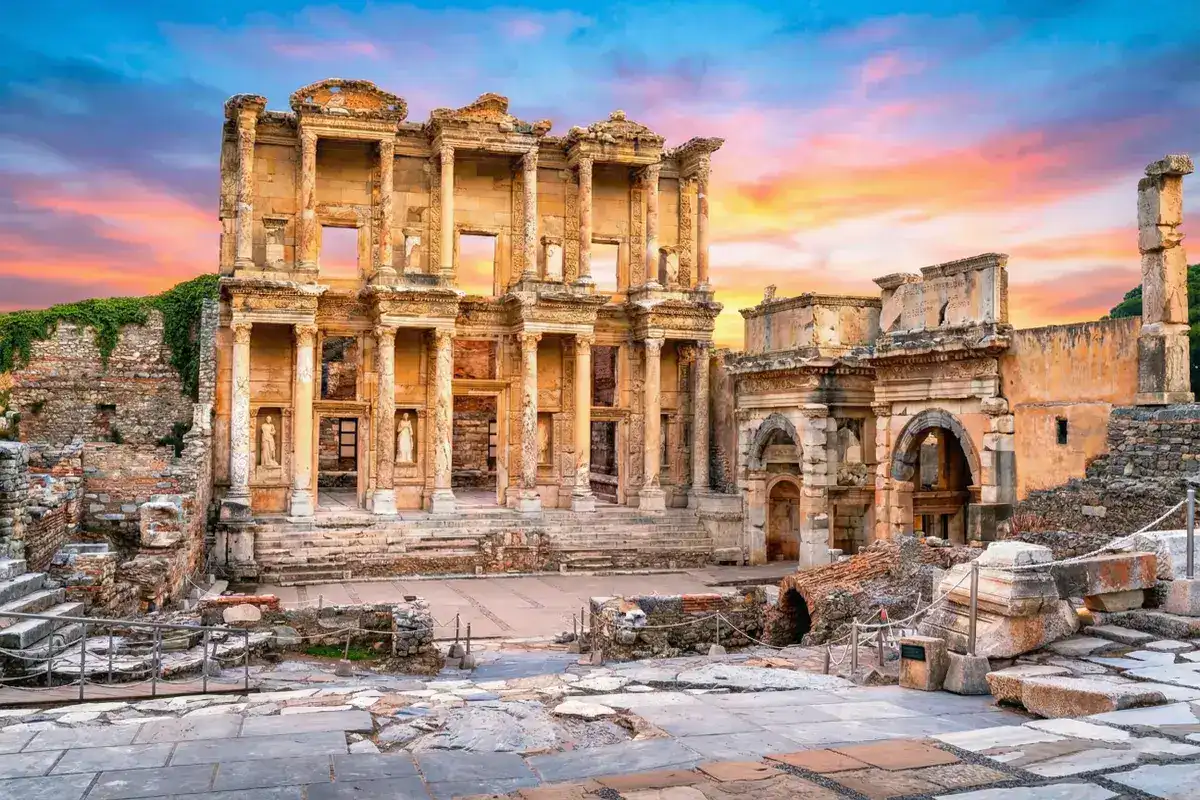
On the Aegean side, Ephesus and Pamukkale are iconic but exposed. Visit Ephesus close to opening time, then move on before the hottest hours. At Hierapolis-Pamukkale, the white terraces reflect sunlight strongly; footwear, sun protection, and a realistic walking pace matter.
How to Structure a July Itinerary Without Burning Out
The most common July planning mistake is treating a summer itinerary like a spring itinerary. Travelers often underestimate the cumulative effect of heat, airport transfers, hotel changes, and full-day touring. A better approach is to alternate active mornings with lighter afternoons and avoid changing cities every night.
- Use the early hours well: Book archaeological sites, city walks, and outdoor tours before late morning whenever possible.
- Protect one slower day: A beach day, hotel pool afternoon, or relaxed neighborhood day can prevent the trip from becoming exhausting.
- Build in travel buffers: Domestic flights, road transfers, and summer traffic can compress a schedule more than expected.
- Choose fewer bases: Two or three nights in each destination is generally more restful than a rapid sequence of one-night stops.
- Keep dinners flexible: In July, evening is often the best time for street life, waterfront walks, and open-air restaurants.
Practical tip: Carry water before you feel thirsty, especially at ruins and viewpoints. Shade can be limited, kiosks may not be exactly where you need them, and a long walk back to the entrance can feel very different at 2:00 p.m. than it did at 9:00 a.m.
For travelers with five to seven days, it is often smarter to choose Istanbul plus Cappadocia, or Istanbul plus one coastal region, rather than attempt every headline destination. The route ideas in this 7-day Turkey itinerary can help narrow the choice. Those with more time can include Ephesus, Pamukkale, Antalya, or the Gallipoli area without turning every other day into a transfer day.
July Costs, Crowds, and What to Reserve First
July is high season, so it is sensible to expect higher demand for flights, accommodation, coastal transportation, and popular excursions. Exact costs vary by departure city, room type, travel dates, and itinerary, so avoid relying on a single “average Turkey cost” found online. Ask for the current price and what it includes before comparing options.
For an organized route, compare the number of nights, internal transportation, sightseeing inclusions, hotel category, meals, and whether admission fees are included or paid locally. A lower headline price can be less useful if it leaves out the transfers or activities you would otherwise need to arrange separately.
Current starting prices can provide a rough planning reference, not a final quote. The 6-Day Best of Turkey Tour from Istanbul starts from USD 1,150, while the 13-Day Turkey Highlights Tour starts from USD 2,580. Prices may change, so review the live itinerary and inclusions for your preferred date before making a decision.
Reserve these first if they matter to your trip:
- International flights and summer hotel stays, particularly on the coast.
- Cappadocia balloon flights, ideally with a backup morning available.
- Private transfers or internal transport on a multi-stop route.
- Specialized activities, boat trips, and limited-capacity experiences.
Which July Turkey Trip Is Right for You?
Choose Istanbul and Cappadocia if you want culture and landscapes, are comfortable with early starts, and do not need daily beach time. This pairing works well for a shorter first trip, but afternoon pacing is essential.
Choose the Aegean or Mediterranean coast if swimming, boat time, and relaxed evenings are the priority. Antalya is particularly useful for travelers who want beaches plus accessible ancient sites, while a slower coastal stay suits families and travelers who prefer fewer hotel changes.
Choose a longer highlights route if Turkey is a once-in-a-lifetime trip and you have enough days to avoid rushing. A route covering Istanbul, Cappadocia, Pamukkale, Ephesus, and the coast makes more sense over 10 days or longer than it does in one week.
Consider postponing to fall if your priority is archaeological touring, long hikes, or spending most days outdoors. July can still work, but September or October often offers an easier balance of warmth and daytime comfort; see Turkey weather in October for that comparison.
Before booking, verify the departure point, hotel locations, transport mode between destinations, physical demands of included visits, free time, and whether any key activity is weather-dependent. These details have more impact on a July trip than a generic list of attractions.
Choose your next step
Recommended Turkey tours
These verified options are the closest available matches for this article’s destination, route intent, and trip length.

13-Day Turkey Highlights Tour
A 13 days Cultural & Heritage Tour route covering Turkey.
View tour details →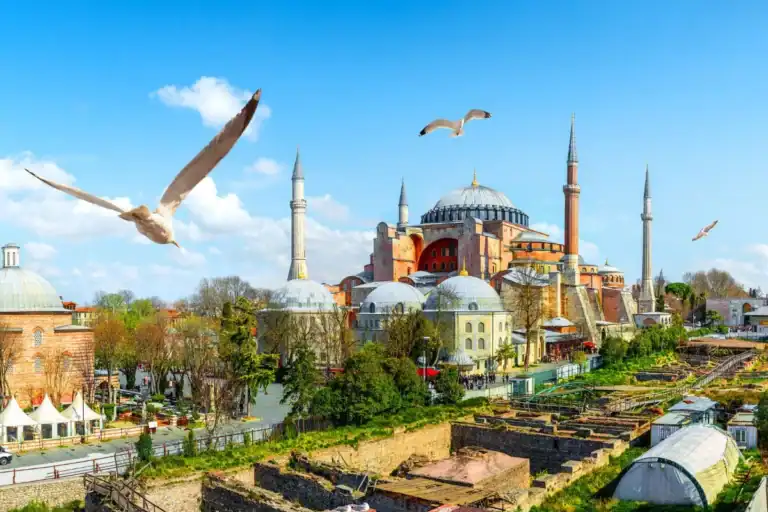
15-Day Grand Turkey Tour
A 15 days Cultural & Heritage Tour route covering Turkey.
View tour details →
6-Day Best of Turkey Tour from Istanbul
A 6 days Cultural & Heritage Tour route covering Turkey, Istanbul.
View tour details →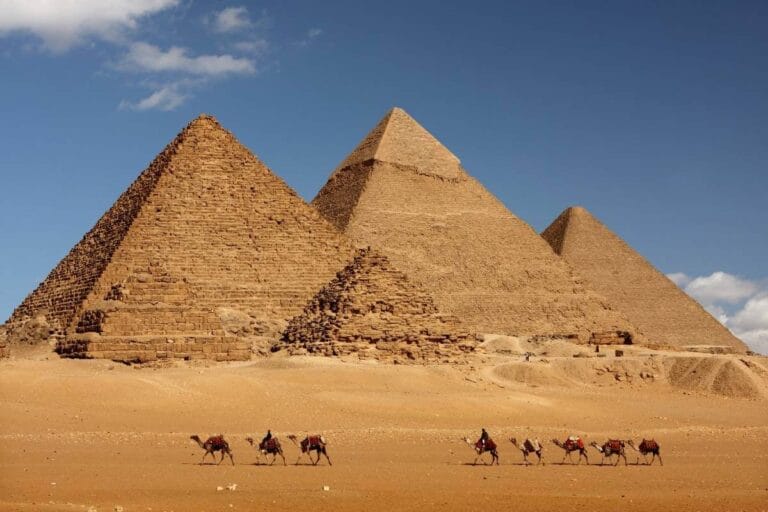
10-Day Turkey & Egypt Tour Package
A 10 days Cultural & Heritage Tour route covering Turkey, Egypt.
View tour details →Common Questions About Turkey in July
Is July too hot for Turkey?
Not if you plan for the heat. July is ideal for coastal vacations and manageable for sightseeing when major outdoor visits happen early. It can feel too hot for travelers who prefer full-day walks, exposed ruins at midday, or active hiking without shade.
Can you swim in Turkey in July?
Yes. July is one of the best months for swimming along the Aegean and Mediterranean coasts, where sea temperatures are usually comfortably warm. Water conditions can vary by beach and weather, so follow local safety guidance.
What should I pack for Turkey in July?
Pack lightweight breathable clothing, a hat, sunglasses, sunscreen, a refillable water bottle, swimwear, and supportive walking shoes. Add a light layer for Cappadocia mornings, air-conditioned transport, and occasional evening breezes.
Is Cappadocia worth visiting in July?
Yes, especially for sunrise balloon flights and early-day sightseeing. The key is to avoid scheduling long exposed hikes during the hottest part of the afternoon and to leave flexibility in case balloon flights are weather-canceled.
How far ahead should I book a July Turkey trip?
Book as early as your travel dates allow, especially if you need specific hotels, a balloon flight, private arrangements, or a coastal itinerary. Confirm the actual availability for your dates rather than assuming a listed experience can be added later.
Make July Work for Your Travel Style
Turkey in July is at its best when the itinerary follows the season: early starts for culture, slower afternoons, and evenings reserved for the coast, city life, and outdoor dining. Choose the coast for a classic summer break, choose Cappadocia for dry landscapes and sunrise experiences, or allow enough days to combine both without rushing.
If you would like help matching destinations, pacing, and transportation to your travel dates, submit your preferences through One Nation Travel’s trip-planning form. The planning team can help coordinate a route that makes practical sense for July conditions.