
The short version: Istanbul is famous for its position between Europe and Asia, monumental landmarks from the Byzantine and Ottoman eras, the Bosphorus, historic markets, and one of Turkey’s best food scenes. Most first-time visitors come for Hagia Sophia, the Blue Mosque, Topkapi Palace, ferries and cruises, then find that neighborhood walks, tea stops, and everyday street food become just as memorable.
Istanbul suits travelers who want major history without spending every day in museums, and city energy without giving up waterfront views. The key planning decision is how to divide your time: reserve one full day for Sultanahmet’s headline sights, then leave room for the Bosphorus, markets, and at least one neighborhood beyond the old city.
What to Know Before You Go
- Istanbul’s famous sights are concentrated, but not effortless. Hagia Sophia, the Blue Mosque, the Hippodrome, and Topkapi Palace are close together, yet security lines, prayer times, and museum queues can slow a day down.
- The Bosphorus is not just a view. Taking a ferry or cruise is one of the clearest ways to understand Istanbul’s geography and see its European and Asian shores in context.
- Markets are best treated as experiences, not errands. The Grand Bazaar and Spice Bazaar reward unhurried browsing; compare quality and prices before buying higher-value items.
- Food is a major reason to visit. Build in time for Turkish breakfast, simit, meze, fish sandwiches, desserts, and tea rather than trying to eat only at landmark stops.
- Three to five days is a practical first visit. Three days covers the essentials; four or five days allows for a slower pace, neighborhood exploration, and a Bosphorus outing.
Why Istanbul Feels Different From Other Major Cities
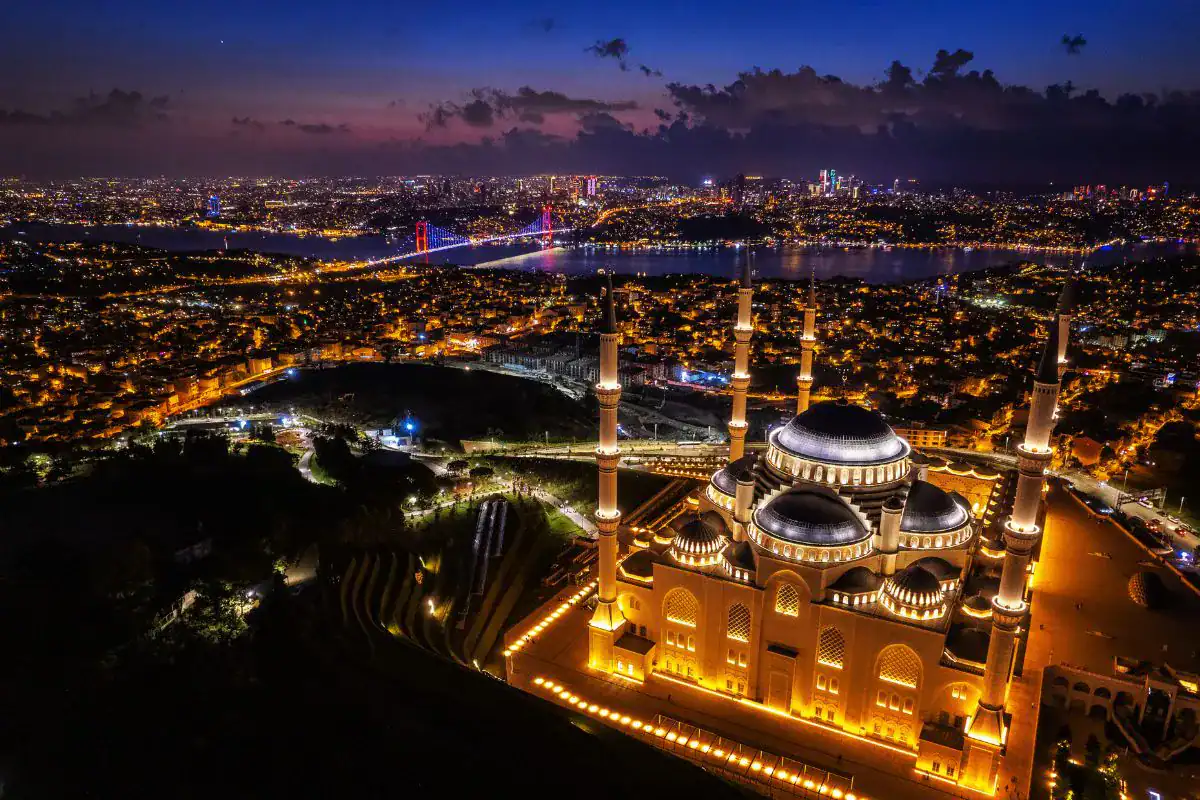
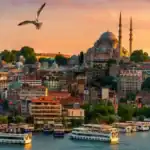
Istanbul sits on both sides of the Bosphorus, with the historic peninsula facing the meeting point of the Bosphorus, Golden Horn, and Sea of Marmara. Its geography explains much of what visitors notice: ferries are part of ordinary commuting, minarets and church-era monuments share the skyline, and a short crossing can take you from Europe to Asia.
The city was once known as Byzantium and Constantinople before becoming Istanbul. That layered past is visible rather than abstract. A morning can move from a former Byzantine church to an Ottoman palace, followed by lunch in a modern neighborhood and a ferry ride across the strait.
For first-time visitors, it helps to think of Istanbul as several connected cities rather than one compact old town. Sultanahmet is the historical core. Eminönü and Karaköy are lively waterfront areas around the Golden Horn. Beyoğlu offers galleries, dining, and shopping streets. Üsküdar and Kadıköy on the Asian side provide a different rhythm, with local markets, cafés, and broad water views.
The Landmarks Istanbul Is Best Known For
Hagia Sophia: Istanbul’s defining monument
Hagia Sophia Grand Mosque is often the first image travelers associate with Istanbul. Built as a church in the sixth century, it later became a mosque, then a museum, and now functions as a mosque again. Its vast dome, changing light, calligraphic roundels, and surviving Byzantine details make it unusually powerful even for visitors who are not architecture enthusiasts.
Plan for a modest dress code and be prepared for security procedures and access arrangements that can change. Because it is an active place of worship, visiting conditions may differ around prayer times. Go early if this is a priority, and avoid treating it as a quick photo stop between other appointments.
The Blue Mosque and Sultanahmet Square
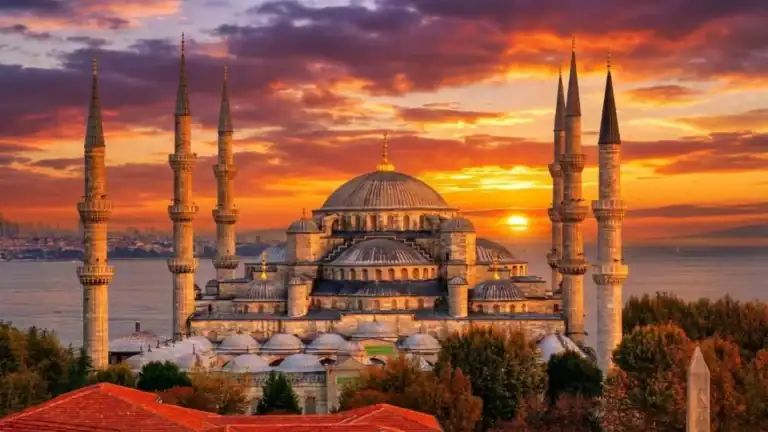
Across the square, the Blue Mosque is known for its six minarets and blue İznik-style tilework. It is also an active mosque, so visitors should dress respectfully, follow entry instructions, and allow for temporary closures during prayer periods.
Between Hagia Sophia and the Blue Mosque lies the former Byzantine Hippodrome, once Constantinople’s arena for chariot races and public ceremonies. The square is easy to overlook because it is open and free to walk through, but it gives essential context to the surrounding monuments.
Topkapi Palace: Ottoman court life and imperial views
Topkapi Palace Museum was the principal residence and administrative center of Ottoman sultans for centuries. Its appeal is not one grand room but a sequence of courtyards, pavilions, collections, and views toward the Bosphorus. Travelers interested in Ottoman history should allow several hours, especially if they plan to visit the Harem section where available.
Trying to do Hagia Sophia, the Blue Mosque, Topkapi Palace, and every nearby museum in one rushed morning is one of the most common first-visit mistakes. Choose two major interiors for a single day and leave time to walk the area.
Other historic stops worth fitting in
- Süleymaniye Mosque offers a calmer hilltop setting and broad views over the Golden Horn.
- Chora Museum is especially rewarding for travelers drawn to Byzantine art and religious history; check visitor access before building a day around it.
- Galata Tower is a visual landmark of the Beyoğlu side, with the surrounding lanes often more enjoyable than a tightly timed visit to the top.
The Bosphorus: The View That Explains Istanbul
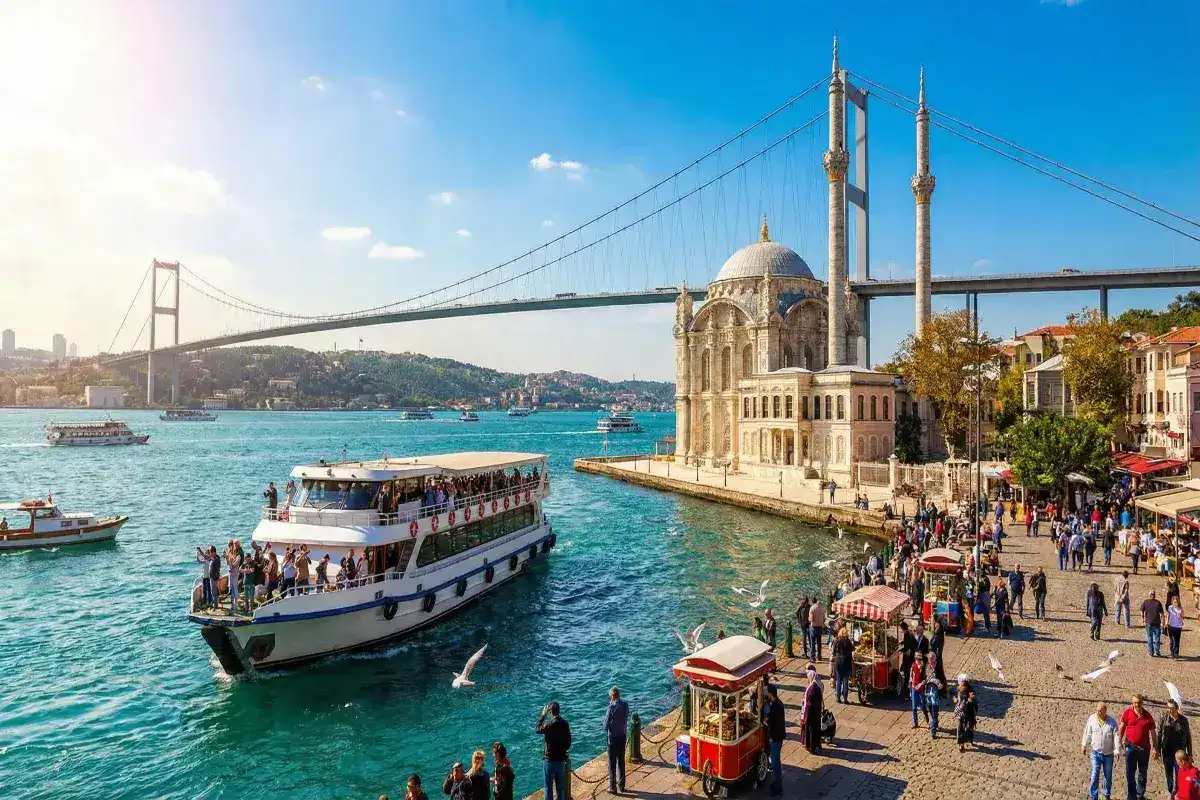
The Bosphorus is one of the city’s defining experiences because it turns Istanbul’s geography into something you can see and feel. From the water, the city’s hills, mosques, waterfront mansions, bridges, and former palaces make more sense than they do on a street map.
A dedicated Bosphorus cruise can be a good fit when you want a guided overview and a fixed outing. A public ferry is better for travelers who prefer flexibility, want to cross to the Asian side, or simply want to see the water as locals do. Neither is automatically “better”; the right choice depends on how much explanation, structure, and free time you want.
Look for Rumeli Fortress, Ottoman-era waterfront architecture, and the silhouette of Maiden’s Tower. Sunset can be beautiful but is predictably popular. A daytime sailing or ferry ride is often easier for photography and less stressful for travelers with a packed schedule.
Practical tip: Do not schedule your only Bosphorus outing for the final hours before an airport transfer or intercity departure. Weather, traffic, and boarding time can turn a relaxing plan into an unnecessary rush.
Markets, Shopping, and the Art of Browsing
Grand Bazaar and Spice Bazaar
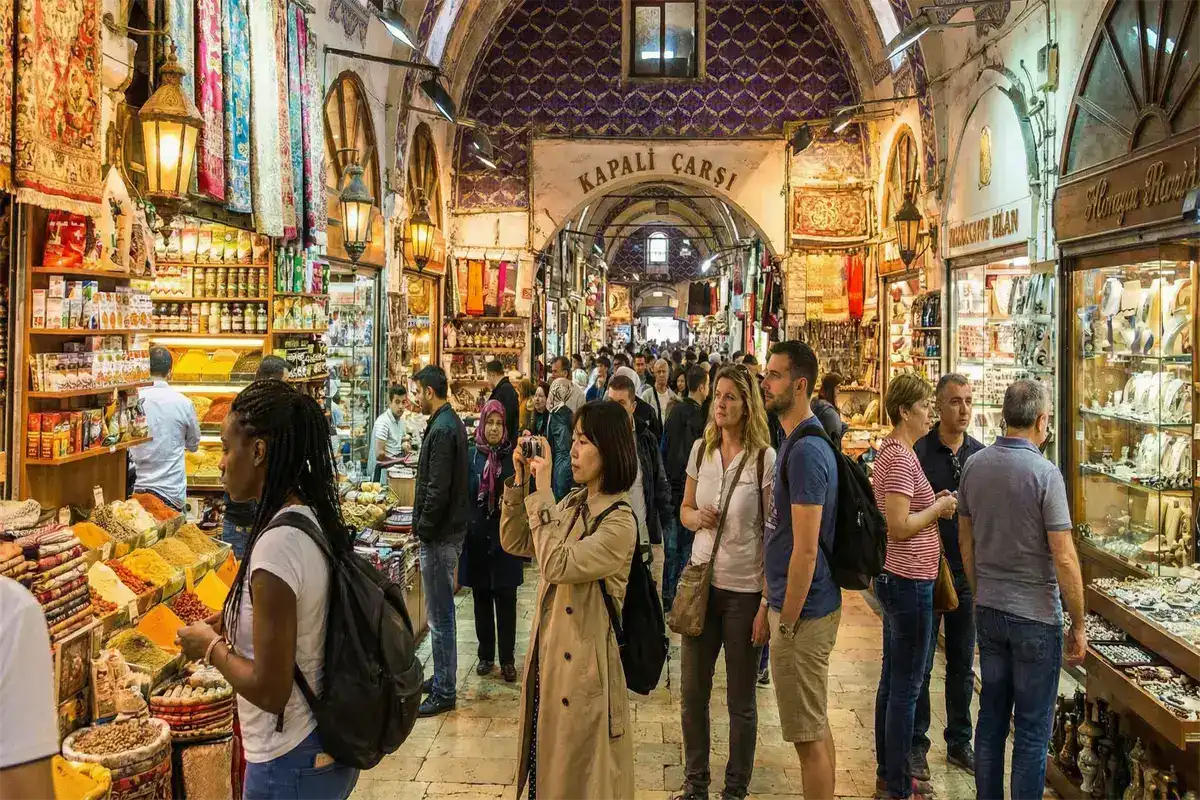
The Grand Bazaar is famous for its covered lanes, lamps, ceramics, jewelry, textiles, and souvenir shops. Its scale can feel overwhelming, so it works best when you arrive with curiosity rather than a strict shopping mission. If you are considering carpets, antiques, fine jewelry, or other costly goods, take your time, compare shops, ask for documentation where relevant, and understand shipping, customs, and return terms before paying.
Near Eminönü, the Spice Bazaar is smaller and easier to combine with the waterfront, ferry docks, and nearby food stops. It is a good place to see spices, dried fruit, teas, Turkish delight, and other edible gifts. Pack food purchases carefully and check your home country’s import restrictions before buying agricultural products.
For a less formal market experience, walk through Karaköy or take a ferry to Kadıköy. These areas are better for cafés, bakeries, small shops, and observing daily city life than for completing a souvenir checklist.
What Food Is Istanbul Famous For?
Istanbul’s food culture reflects the city’s position as a meeting point for regional Turkish cooking, Ottoman culinary traditions, Black Sea ingredients, and contemporary restaurant life. There is no single “must-eat” dish, but a first visit should include a mix of street food, casual local meals, and one unhurried sit-down dinner.
- Simit: a sesame-crusted bread ring sold from street carts and bakeries, ideal with tea for a quick breakfast or snack.
- Balık ekmek: grilled fish sandwiches associated with the Eminönü waterfront. Eat one when you are already exploring the area rather than crossing the city solely for it.
- Döner and kebabs: choose busy, established places and pay attention to turnover, especially for a quick meal.
- Meze: small shared plates that pair well with seafood, vegetables, yogurt dishes, and a relaxed evening meal.
- Turkish breakfast: usually a generous spread of cheeses, olives, eggs, breads, preserves, tomatoes, and tea. It can easily replace lunch.
- Baklava, Turkish delight, Turkish coffee, and tea: classics for a dessert stop or a gift to bring home.
Travelers with dietary restrictions should not assume every dish is vegetarian, vegan, halal, or allergen-safe because a familiar name can be prepared differently from place to place. Ask directly about meat stock, dairy, nuts, and cross-contact. In tourist-heavy areas, read menus carefully before sitting down; a view can be worthwhile, but it should not be the only reason to choose a restaurant.
Neighborhoods That Show Istanbul Beyond the Postcard
Sultanahmet for first-time history
Sultanahmet is where to stay or start if your priority is the city’s major monuments. It is convenient for early access to Hagia Sophia and the Blue Mosque, though dining in the immediate landmark zone can be more visitor-oriented than elsewhere.
Eminönü and the Golden Horn for movement and flavor
Golden Horn waterfront areas connect ferries, markets, the Galata Bridge, and the Spice Bazaar. This is a practical area for a half-day of eating, people-watching, and crossing between districts.
Galata and Beyoğlu for city life
Galata’s steep streets, cafés, independent shops, and older buildings make it a strong counterpoint to the formal historic core. Continue toward Istiklal Avenue if you want shopping, restaurants, and a livelier evening atmosphere. Wear shoes with grip: hills and uneven pavement are part of the experience.
Üsküdar and Kadıköy for the Asian side
Crossing to the Asian side is worthwhile even for travelers who do not have much time. Üsküdar is known for waterfront views and a more traditional atmosphere, while Kadıköy has markets, restaurants, and a strong local café culture. A ferry crossing makes the trip feel like part of the sightseeing rather than a detour.
How Many Days Do You Need in Istanbul?
| Available time | Best use of it | Who it suits |
|---|---|---|
| 2 days | Sultanahmet highlights, one market area, and a short Bosphorus experience | Travelers adding Istanbul to a larger Turkey itinerary |
| 3 days | Historic core, Bosphorus, and one or two neighborhoods beyond Sultanahmet | Most first-time visitors |
| 4–5 days | A slower landmark schedule, Asian side ferry trip, food stops, museums, and shopping time | Travelers who enjoy cities and do not want to rush |
For route ideas, see this detailed Istanbul travel guide with a four-day route. If you are choosing between independent sightseeing and a more structured visit, the comparison of private versus group tours in Istanbul may also help.
Choosing the Right Way to Experience Istanbul
A self-guided visit works well if you enjoy navigating public transportation, can be flexible with museum and mosque access, and are comfortable deciding your own pace. It gives you more time to linger in neighborhoods, choose restaurants spontaneously, and use ferries as transportation rather than scheduled activities.
A guided tour makes more sense when your time is limited, you want historical context at major monuments, or you would rather avoid coordinating a tightly packed first day. It can be especially useful for families, multigenerational groups, and travelers arriving after a long-haul flight. The trade-off is less freedom to pause where you like or change plans at the last minute.
For an Istanbul-focused stay, the 5-Day Istanbul Tour Package with Hagia Sophia and Bosphorus Cruise is a practical option for travelers who prefer a planned cultural itinerary. Its listed starting price is From USD 783, subject to change. If you want to add another major Turkish destination, consider whether travel time is worth sacrificing city time: the Istanbul to Cappadocia travel guide explains the main planning considerations.
Before booking any organized trip, verify the current itinerary, hotel category, airport arrangements, entry fees, meals, flight terms, guide language, group size, and what happens if schedules change. One Nation Travel coordinates planning and bookings with selected local providers; guide, driver, and service assignments can vary by destination and date.
Choose your next step
Recommended Istanbul tours
These verified options are the closest available matches for this article’s destination, route intent, and trip length.
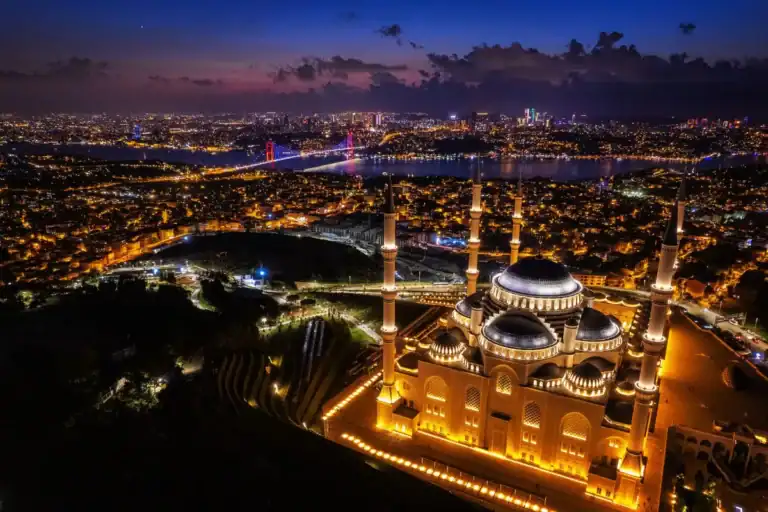
5-Day Istanbul Tour Package with Hagia Sophia and Bosphorus Cruise
A 5 days Cultural & Heritage Tour route covering Istanbul.
View tour details →
7-Day Istanbul, Pamukkale, Ephesus & Cappadocia Tour with Flights
A 7 days Historical & Cultural Tour route covering Istanbul, Pamukkale and 2 more destinations.
View tour details →
4-Day Istanbul & Ephesus Tour with Round-Trip Flights
A 4 days Cultural & Heritage Tour route covering Istanbul, Ephesus.
View tour details →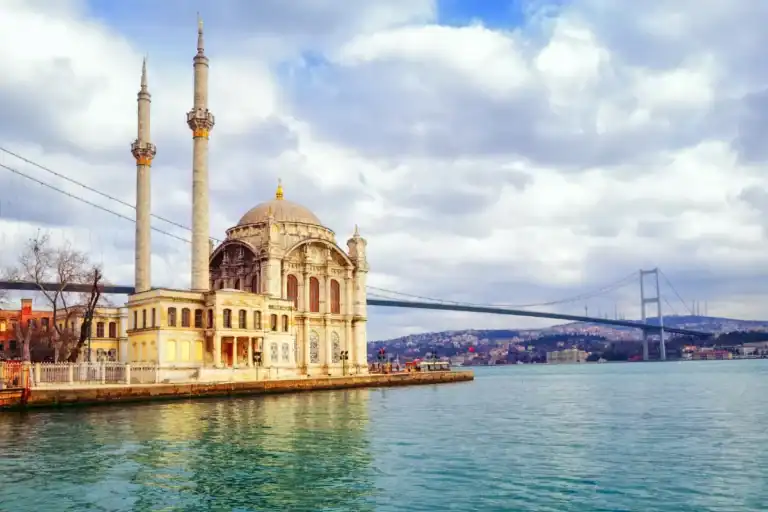
5-Day Istanbul and Ankara Highlights Tour
A 5 days Cultural & Heritage Tour route covering Istanbul, Ankara.
View tour details →Common Questions About Istanbul
What is Istanbul most famous for?
Istanbul is most famous for Hagia Sophia, the Blue Mosque, Topkapi Palace, the Bosphorus, historic bazaars, and its rare location across both Europe and Asia. Its food and ferry culture are equally important parts of a well-rounded visit.
What is the best time of year to visit Istanbul?
Spring and fall are often the most comfortable for sightseeing because daytime temperatures are generally milder than in peak summer. Summer brings long days and a fuller city, while winter can be appealing for lower-key museum and food-focused trips, though weather may be wet or cold.
Is Istanbul walkable for tourists?
Many landmark areas are walkable, especially around Sultanahmet, Eminönü, and Galata, but the city is large and hilly. Plan to combine walking with trams, ferries, taxis, or other local transit rather than expecting to cover every district on foot.
Should first-time visitors stay on the European or Asian side?
The European side is usually more convenient for a first trip centered on Sultanahmet, museums, and classic sightseeing. The Asian side can be an excellent choice for repeat visitors or travelers who prefer a more residential atmosphere and do not mind ferry crossings.
Can Istanbul be combined with other parts of Turkey?
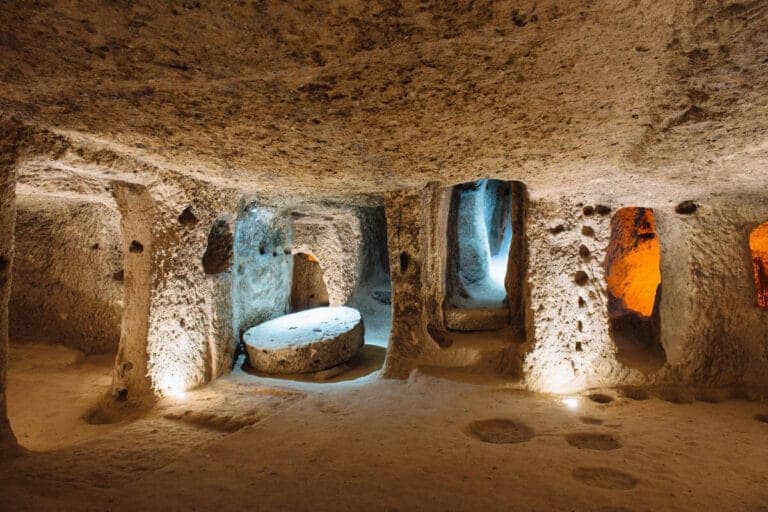
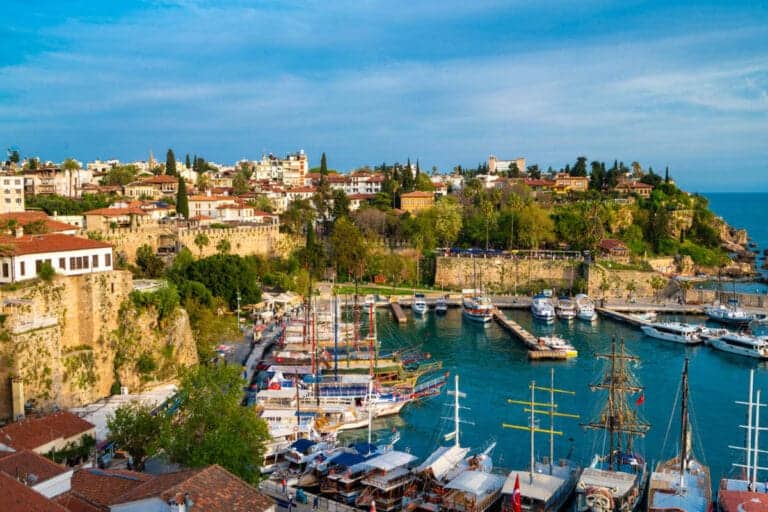
Yes. Istanbul combines well with Cappadocia, Ephesus, Pamukkale, Ankara, Gallipoli, and Antalya, but each added stop changes the pace of the trip. Travelers with about a week often find that two or three destinations are more enjoyable than trying to cover the whole country.
Make Istanbul the Right Kind of First Stop
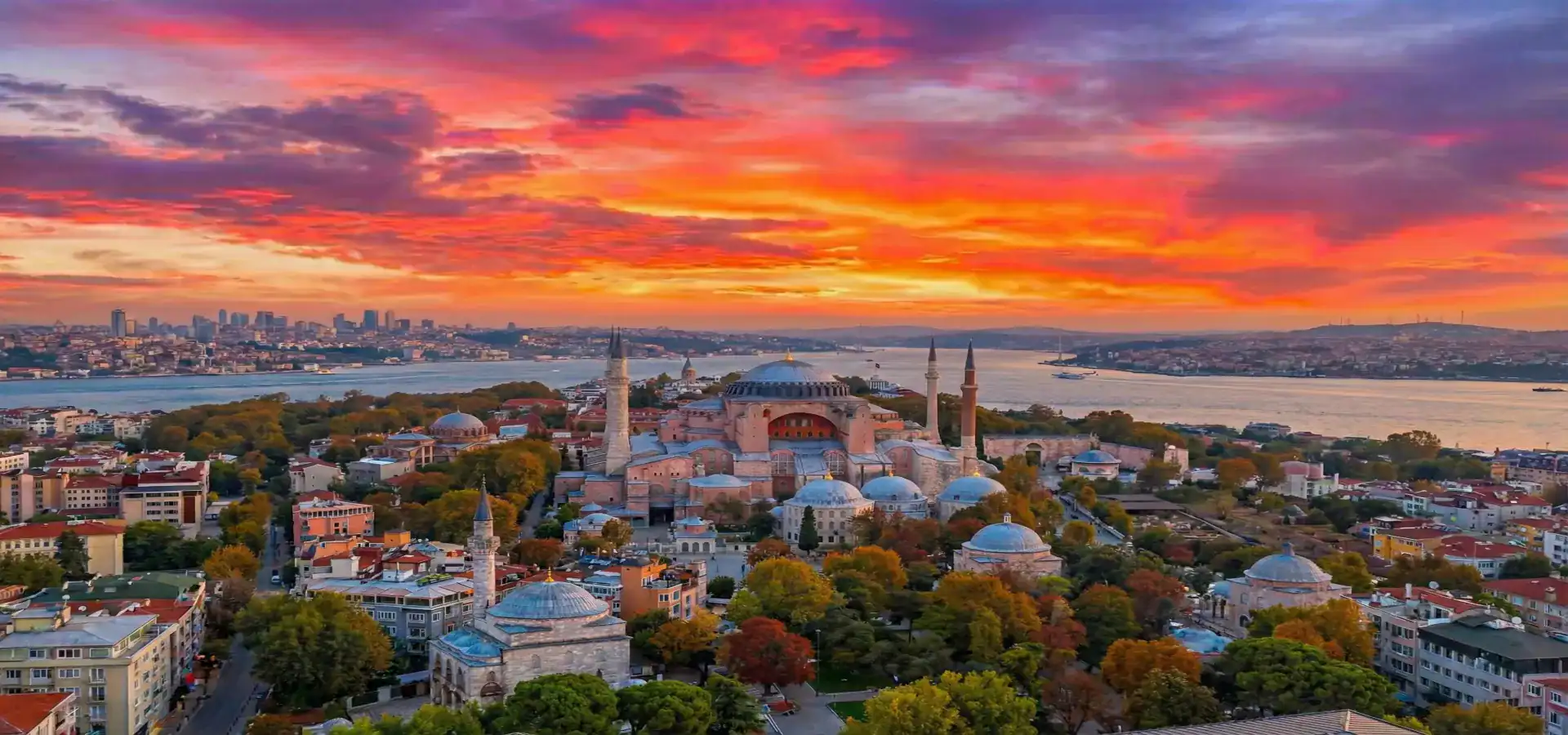
Istanbul is famous because it offers more than a checklist of famous buildings. Give yourself time to stand in Sultanahmet after the crowds thin, ride the Bosphorus when you are not racing to another appointment, and eat somewhere chosen for the food rather than the view alone. That balance turns a landmark visit into a real city break.
If you would like help matching Istanbul with the right route, pace, and travel style, plan your trip with One Nation Travel.