
What to Wear in Morocco
Complete 2026 guide to clothing, dress codes, and packing essentials for your Morocco trip.
Morocco is conservative outside tourist areas, but there is no legal dress code for tourists. Cover shoulders and knees in medinas, souks and cities. The Sahara Desert requires warm layers for freezing nights and full sun protection during the day. In beach towns like Essaouira and Agadir, dress codes are more relaxed.
What to Pack by Season
Spring
March – May
12–28°C / 54–82°F- Light layers: long-sleeve shirts and cotton trousers
- Light jacket or cardigan for cool mornings
- Comfortable closed-toe shoes for medina cobblestones
- Scarf for sun, dust, and respect
- Rain layer for occasional spring showers
Summer
June – August
25–45°C / 77–113°F- Lightest breathable fabrics: cotton and linen
- Loose long-sleeve tops and long pants (sun protection)
- Wide-brimmed hat and quality sunglasses
- Swimwear for beach towns and hotel pools
- Bandana or scarf for Sahara sand protection
Autumn
September – November
15–32°C / 59–90°F- Light layers: t-shirt + long-sleeve shirt + jacket
- Comfortable long trousers
- Closed-toe walking shoes with grip
- Warm fleece for Sahara nights and Atlas Mountains
- Light scarf for multiple uses
Winter
December – February
5–20°C / 41–68°F- Warm winter coat or insulated jacket
- Thermal base layers for Sahara nights and mountains
- Warm sweaters, fleece and long-sleeve shirts
- Waterproof boots or shoes
- Gloves, warm hat and thick scarf
Packing Essentials Checklist
Clothing
- ✓ Loose long-sleeve shirts (3-4) Essential
- ✓ Long trousers or maxi skirts (2-3) Essential
- ✓ Light cardigan or pullover Essential
- ✓ Warm fleece or jacket for desert nights Essential
- ✓ Long pants for camel riding (prevents chafing) Essential
- ○ Swimwear for hotels and beach towns Optional
- ○ Swimsuit bottoms or disposable underwear for hammam Optional
Shoes
- ✓ Comfortable closed-toe shoes with grip (medina cobblestones) Essential
- ○ Sturdy hiking boots for Atlas Mountains Optional
- ○ Sandals for hotel and beach Optional
- ○ Slip-on shoes for easy removal Optional
Accessories
- ✓ Lightweight scarf or shawl (versatile essential) Essential
- ✓ Wide-brimmed sun hat Essential
- ✓ Sunglasses with UV protection Essential
- ✓ Crossbody bag or anti-theft bag (medinas) Essential
- ✓ Headscarf or turban for Sahara sand Essential
- ✓ Daypack for excursions Essential
Toiletries & Protection
- ✓ Sunscreen SPF 50+ Essential
- ✓ Lip balm with SPF Essential
- ✓ Moisturiser (dry climate) Essential
- ✓ Reusable water bottle (min 1L) Essential
- ✓ Hand sanitiser Essential
- ○ Insect repellent (oasis areas) Optional
- ○ Anti-diarrhoea medication Optional
- ✓ Tissue packets (public toilets often lack paper) Essential
Electronics & Documents
- ✓ Power adapter — Type C or Type E Essential
- ✓ Portable power bank (Sahara camps have no electricity) Essential
- ✓ Passport + printed copies Essential
- ✓ Travel insurance documents Essential
- ○ Headlamp or small torch for Sahara camps Optional
What to Wear by Activity
Mosque Visits
Women
Non-Muslims are generally not allowed inside mosques in Morocco, with one exception: the Hassan II Mosque in Casablanca. If visiting, cover your head, arms and legs fully. Loose-fitting, opaque clothing only.
Men
Long trousers, shirt covering shoulders. No shorts or sleeveless shirts.
Medina & Souk Exploration
Women
Cover shoulders and knees. Loose-fitting clothing reduces attention. A crossbody bag is strongly recommended — medina alleys are narrow and crowded. Avoid dangling jewellery that can be grabbed.
Men
Long pants and t-shirt with sleeves. Comfortable closed-toe shoes — medina cobblestones are slippery, uneven, and sometimes wet from drain water.
Sahara Desert
Women
Long pants are essential for camel riding — shorts cause painful thigh chafing on the saddle. Loose long-sleeve shirts in light colours, closed-toe shoes for walking on hot sand. A headscarf or turban for sand and wind protection.
Men
Same approach — long pants for camel riding, long sleeves for sun, headscarf for sand. Closed-toe shoes. At night, full warm layers including thermal base layer, fleece and jacket.
Beach Towns (Essaouira / Agadir)
Women
More relaxed than inland cities. Swimwear is fine at hotel pools and main tourist beaches. Cover up when walking through town. Essaouira is windy — bring a windbreaker.
Men
Swim trunks at beaches, casual clothing in town. Standard beach town dress code.
Atlas Mountain Hiking
Women
Sturdy hiking boots with ankle support. Breathable hiking trousers, moisture-wicking layers. In winter, full cold-weather hiking gear — the High Atlas gets snow from November to April.
Men
Same hiking gear. Strong boots, layering system, rain jacket. Walking sticks recommended for steep trails.
Hammam (Traditional Bath)
Women
Traditional hammams are single-sex. Most provide disposable underwear, or bring your own swimsuit bottoms. Go topless or bring a bikini top — follow what other women do. Bring flip-flops for the wet floors.
Men
Wear swim trunks or shorts. Towels are usually provided. Bring flip-flops.
Pro Tips
Long Pants for Camels
This is the tip most travellers wish they knew earlier. Shorts cause painful inner-thigh chafing on camel saddles during Sahara rides. Wear long, loose trousers — even in summer heat.
Scarf Is Your Most Versatile Item
A lightweight scarf serves as sun protection, sand shield in the Sahara, mosque cover, evening shawl in cold desert nights, and a modesty cover in conservative areas. Buy a beautiful one in the souks.
Medina Shoes Matter
Medina cobblestones are ancient, uneven, and often slippery from water and animal traffic. Open-toe sandals and heels are dangerous. Wear comfortable closed-toe shoes with good grip.
Pack for Two Climates
Morocco has dramatic climate variation. Marrakech can be 40°C while the Atlas Mountains 2 hours away are 15°C. The Sahara swings 30°C between day and night. Pack for both extremes.
Buy Local — Pack Light
Moroccan souks sell excellent quality leather goods, scarves, kaftans and babouche slippers at very good prices. Pack light and leave room in your suitcase for shopping.
Modest Dress Reduces Hassle
This applies especially to women. Covering shoulders and knees in cities significantly reduces verbal attention and makes medina exploration more comfortable. It is not required by law but makes a practical difference.
Bring a Headlamp for the Desert
Sahara desert camps have no electricity. A headlamp or small torch is essential for navigating the camp at night, finding the toilet tent, and preparing for the sunrise camel ride.
Recommended Morocco Tours
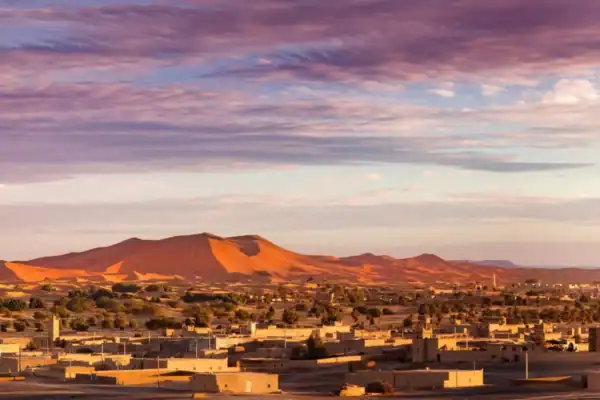
3-Day Private Desert Tour from Errachidia to Marrakech via Merzouga
$972 /person
View Details →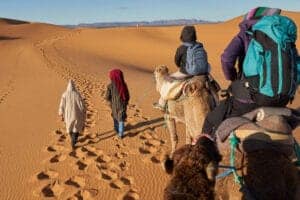
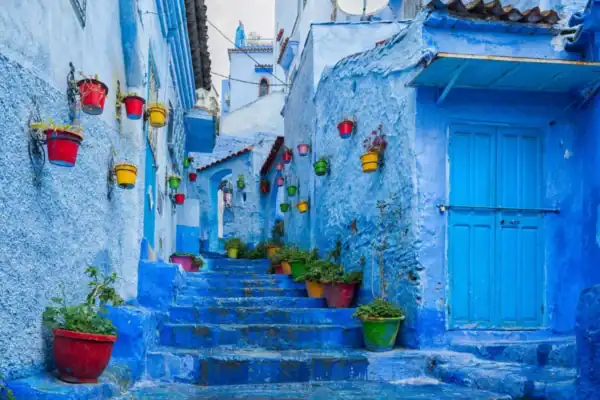
9-Day Morocco Tour: Marrakech, Sahara Desert, Fez & Chefchaouen
$3,160 /person
View Details →Frequently Asked Questions
Ready to Explore Morocco?
Now that you know what to pack, browse our hand-curated Morocco tours and start planning your trip.