
The practical answer: Most visits to Turkey are trouble-free, but popular visitor areas can attract a handful of avoidable scams. The best protection is simple: agree on prices before accepting services, check your card terminal and receipts, use official transport channels, and politely decline invitations from strangers to bars, shops, or “special” deals.
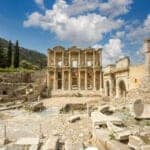
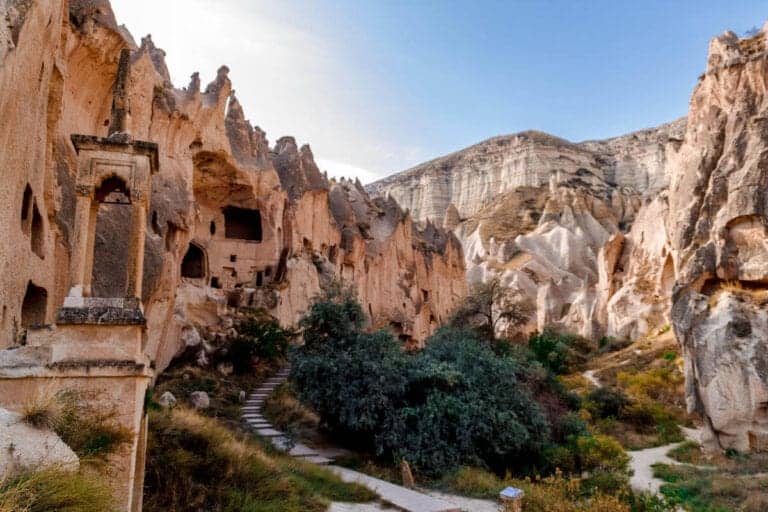
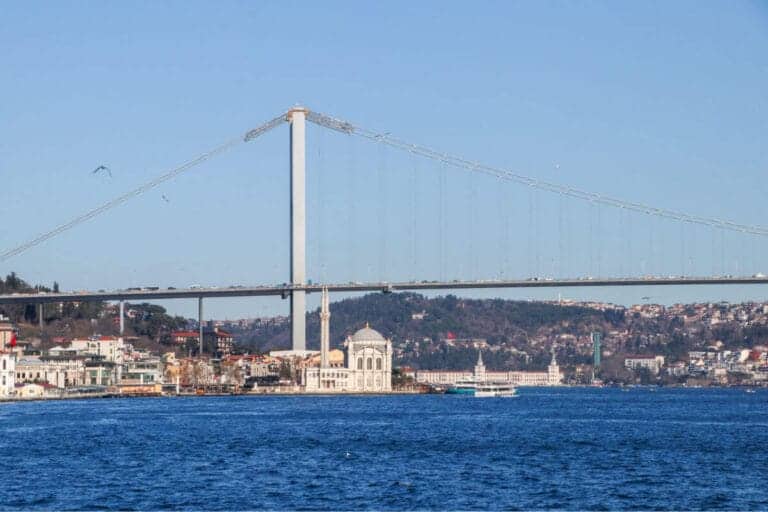
Turkey is welcoming, affordable by many international travel standards, and remarkably easy to enjoy once you know where to be alert. These situations are not a reason to avoid Istanbul, Cappadocia, Ephesus, or other major stops. They are a reason to travel with a little more intention—especially if this is your first trip, you are arriving late, or you are navigating busy tourist districts independently.
What Smart Travelers Do Differently
- Use a metered taxi or a reputable ride-hailing app, and confirm the route on your own map before the ride begins.
- Photograph restaurant menus and check whether water, bread, meze, service charges, and currency are clearly priced.
- Do not follow a stranger to a second location, even if the conversation starts warmly or the invitation sounds harmless.
- Keep your bank card in view, cover your PIN at ATMs, and confirm the amount and currency on every payment terminal.
- Buy souvenirs from established retailers and never purchase purported antiquities, old coins, or archaeological objects from street sellers.
- For guided visits, book through a known agency or attraction-approved channel rather than accepting an unsolicited offer outside a landmark.
How to Read the Risks Without Letting Them Spoil Your Trip
The most common traps rely on distraction, urgency, or embarrassment. Someone wants to help with an ATM, invites you for one drink, claims a fare must be paid immediately, or puts food on your table before you have ordered it. The goal is often to make you act before you have time to check details.
A calm pause is usually enough. Ask for the printed menu, look at the taxi meter, read the card terminal screen, or say, “No, thank you.” You do not need to argue, explain your plans, or accept a service simply because it has already begun.
A useful rule: If a deal, favor, or invitation starts on the street and quickly requires you to hand over cash, a card, or your time, decline and continue on your way.
1. The Dropped Shoe-Shine Brush
This classic street setup is most associated with central Istanbul. A shoe shiner appears to drop a brush near you. After you return it, they offer a shoe shine as a thank-you, then request far more money than you expected once the service is finished.
The simplest response is not to engage. If you notice a brush being dropped, keep walking. If someone begins polishing your shoes without a clearly agreed price, stop the interaction immediately and move toward a busier public area.
This is less about being rude than avoiding an unsolicited transaction. A genuine service provider should be able to state a clear price before starting work.
2. Taxi Problems: Meter Refusals, Route Padding, and Cash Confusion
Taxis remain useful in Istanbul, particularly when public transit is inconvenient, you have luggage, or weather makes walking unpleasant. But transport is one area where travelers should be deliberate.
What can go wrong
- No meter: A driver says the meter is not working and offers a high flat rate.
- An unnecessarily long route: A visitor unfamiliar with the city may not notice detours.
- Cash-note confusion: A driver may dispute the denomination handed over or claim that a larger note was not received.
- Unclear airport or hotel pickup pricing: A quoted transfer can become vague if it was not arranged through a confirmed booking channel.
Before getting in, look for a functioning meter and open a navigation app so you can follow the general route. If the driver refuses to use the meter or demands an unreasonable fare, choose another taxi where practical. Ride-hailing apps can provide an additional record of the journey, though you should still confirm the payment method and final amount.
For cash payments, hand over notes one at a time and say the denomination aloud. Keep smaller bills available for short rides. If you want a fixed-price airport transfer, arrange it in advance through your hotel or travel coordinator and keep the written confirmation accessible.
3. The “Let’s Have a Drink” Bar Scam
This scam deserves special attention because it can become expensive and intimidating. It often begins around nightlife areas such as Istiklal Avenue and Taksim, where a friendly stranger starts a conversation in English and suggests a nearby bar, club, or “local place.”
At the venue, drinks or companion charges may be added without clear pricing. The traveler is then presented with an inflated bill and may feel pressured to pay quickly.
Do not follow a stranger to a bar, nightclub, or restaurant you did not choose yourself. If you would like to go out, select a venue from your hotel’s recommendation, a current map listing with substantial independent feedback, or a place you have already researched. Keep your card with you, request an itemized bill, and leave if pricing is unclear before ordering.
4. Restaurant Menu Swaps and Unrequested Extras
Most restaurants are straightforward, especially away from the most concentrated visitor zones. Still, near major sights and heavily trafficked streets, it pays to confirm prices before you sit down.
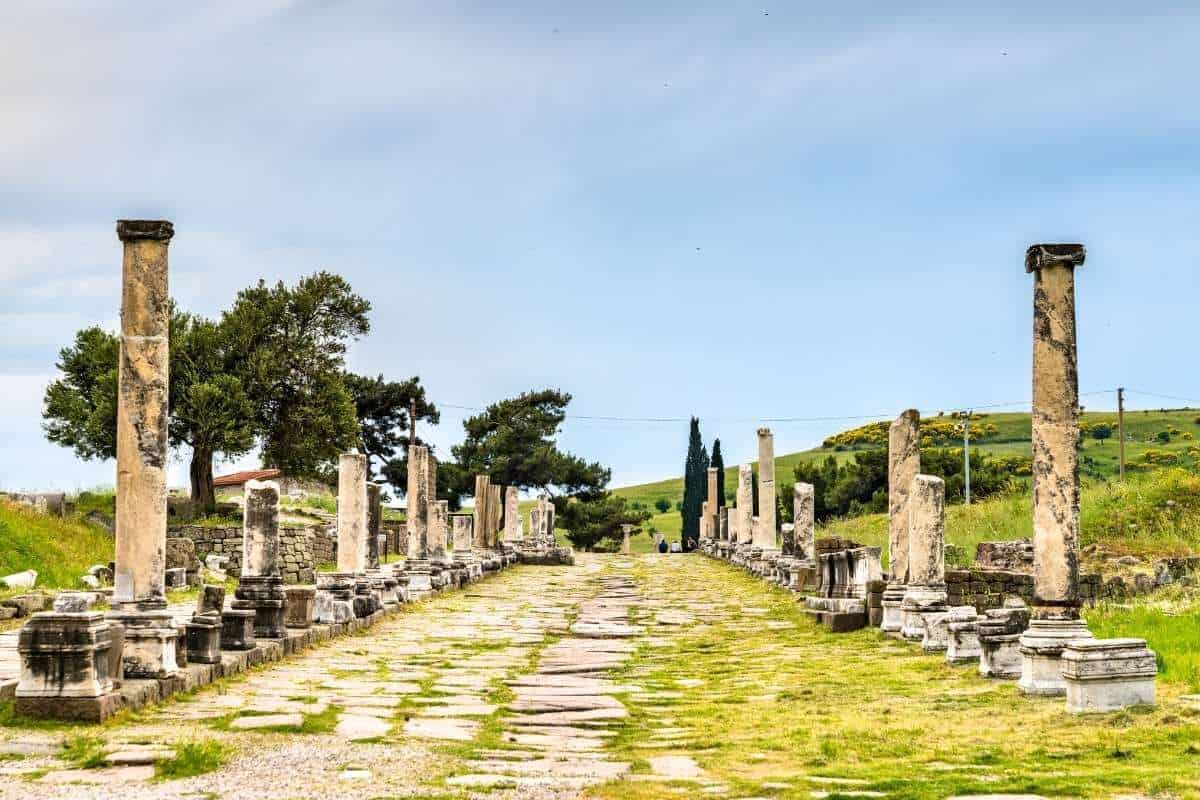
The warning signs are simple: no visible menu, prices missing from the menu, staff who avoid answering direct questions, or plates of meze and bottled water placed on the table without explanation. Those items may not be complimentary.
How to protect yourself at the table
- Ask to see the full menu with prices before ordering.
- Take a quick photo of the menu if a price seems important or unusual.
- Ask whether bread, water, meze, cover charges, and service are included.
- Request an itemized bill before paying and compare it with what you ordered.
- Do not be embarrassed to question a charge politely before your card is processed.
Restaurants that depend on repeat customers and recommendations generally have no problem explaining their prices. If the conversation becomes evasive, it is reasonable to eat elsewhere.
5. The Helpful Stranger Who Leads to a Carpet or Leather Shop
Near the Grand Bazaar, the Spice Bazaar, and other visitor areas, someone may offer directions, conversation practice, tea, or a recommendation. The interaction can gradually turn into a visit to a relative’s carpet, leather, jewelry, or ceramics shop.
Shopping itself is not a problem. Turkey has excellent craftspeople and reputable retailers. The issue is high-pressure selling after you have been led to a business you did not intend to visit.
If you are not actively shopping, decline the detour immediately. If you are interested in rugs or higher-value goods, compare several stores, ask about materials and return arrangements, retain written documentation, and do not make a rushed purchase because tea has been served. Hospitality does not obligate you to buy.
6. Fake Antiquities, Coins, and “Museum Finds”
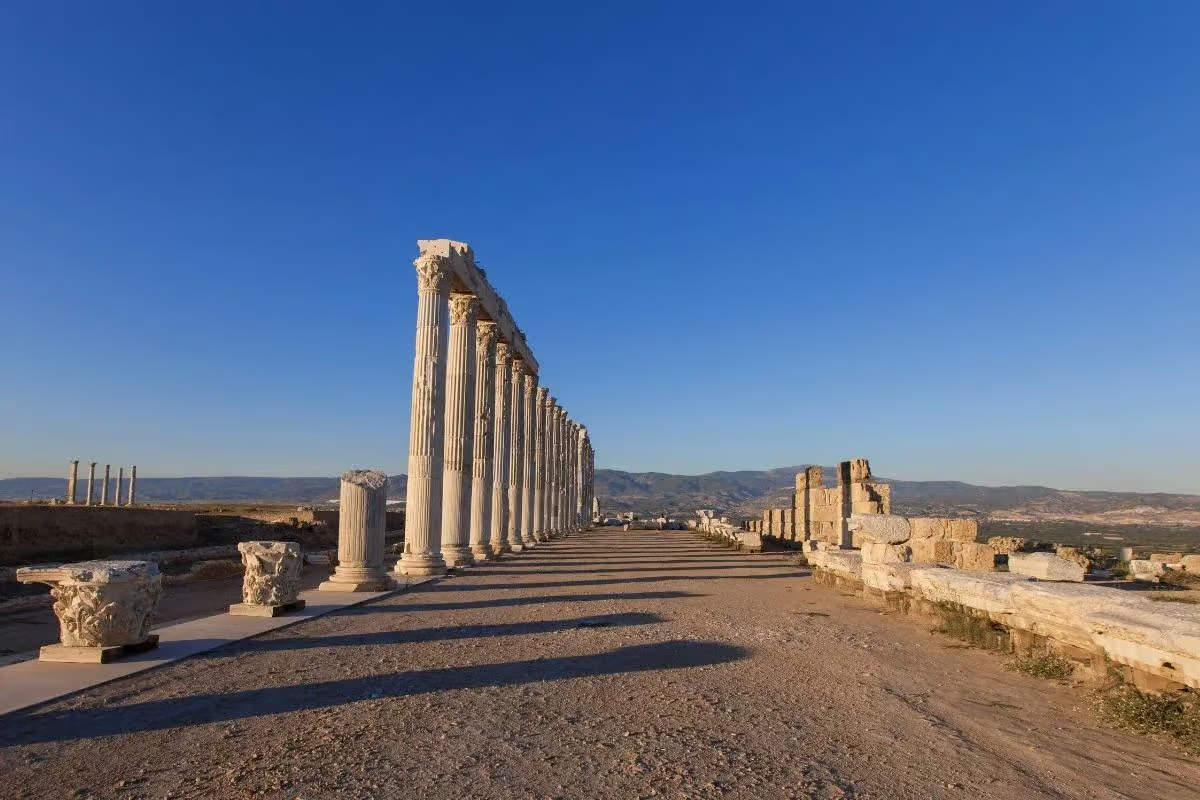
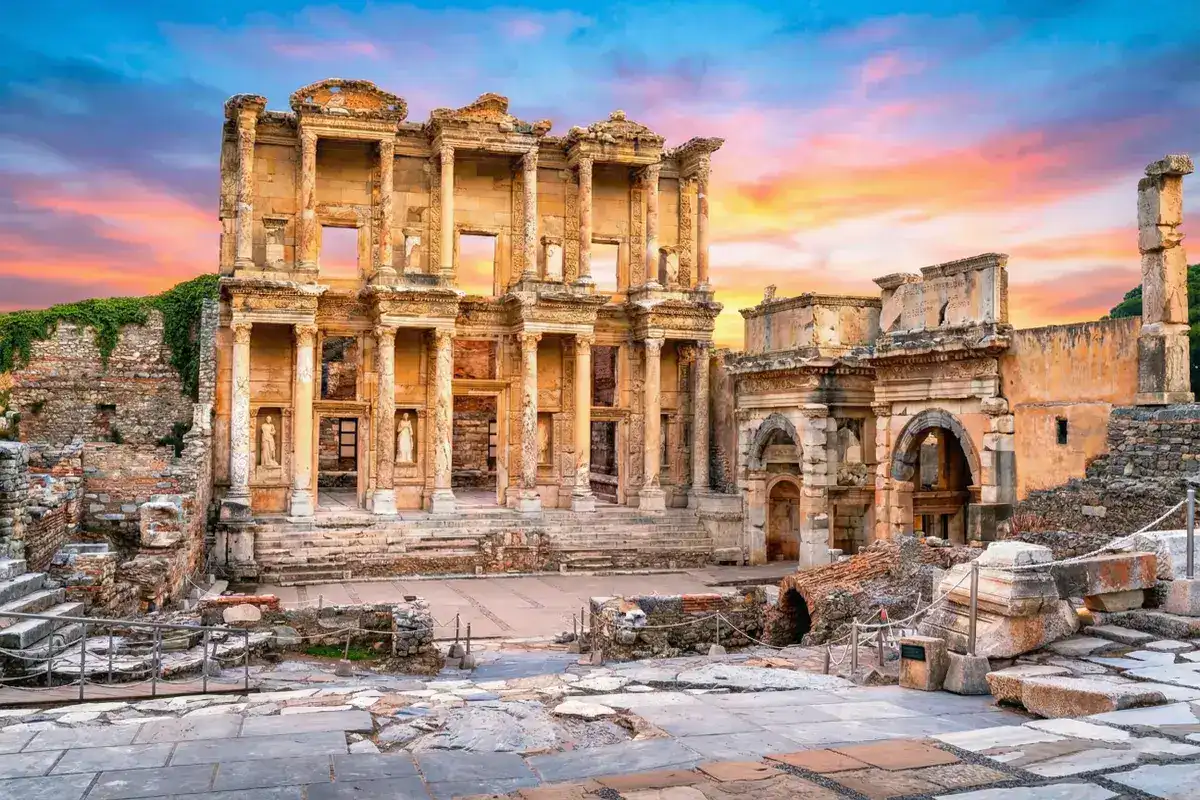
At historic areas such as Ephesus, sellers may offer “ancient” coins, Byzantine objects, or artifacts said to have come from an excavation. Treat these claims with caution.
The objects may be modern reproductions. More importantly, Turkish cultural-property rules are serious, and the export of genuine archaeological material can lead to confiscation and legal problems. An item that looks old is not automatically legal to take out of the country.
Skip street-sold antiquities entirely. For decorative souvenirs, choose licensed shops and keep receipts. If you are considering an expensive collectible, seek expert advice and official documentation before buying; a verbal assurance from a seller is not enough.
7. Card Terminal Currency Tricks and Dynamic Currency Conversion
When paying by card, look carefully at the payment terminal before you tap, insert, or enter a PIN. The displayed amount should match the bill, and the currency should be Turkish lira unless you knowingly chose another option.
A merchant may offer to charge you in U.S. dollars, USD, or another home currency. That option is often called dynamic currency conversion. It can be convenient for seeing a familiar number, but the exchange rate may be less favorable than having your card issuer convert the transaction from Turkish lira.
Check the screen yourself rather than relying on a verbal total. If the amount or currency is wrong, ask the staff member to cancel and re-enter the transaction before approving it. Save the receipt and review card notifications promptly.
8. The “Helpful” ATM Stranger
Use bank-operated ATMs in well-lit locations where possible, rather than accepting help from anyone hovering nearby. A stranger who offers to guide you through the language options may be trying to see your PIN, distract you, or create an opportunity to interfere with your card.
Cover the keypad, never share your PIN, and cancel the transaction if someone crowds your space. If an ATM retains your card, contact your bank promptly and use the number displayed on the machine only if it clearly belongs to the bank. Avoid handing your card to anyone who claims they can retrieve it for you.
When the ATM offers a conversion rate, compare the options carefully. Declining the ATM’s conversion may allow your own card provider to handle the exchange rate, but travelers should check their bank’s foreign-transaction policies before departure.
9. Unofficial Guides and “Skip-the-Line” Offers
Outside landmarks such as Hagia Sophia Grand Mosque, Topkapi Palace Museum, and the Byzantine Hippodrome, you may be approached by people offering immediate tours, special access, or line-skipping.
Some may simply be persistent salespeople; others may not be appropriately authorized for the service offered. The risks are unclear pricing, inaccurate information, rushed visits, or later demands for more money.
Book guides and tickets through established providers, official channels, or a travel agency that confirms the details in writing. Before booking, ask what is included: entrance fees, transportation, guiding, meal stops, pickup arrangements, and whether the itinerary is private or shared. A credible provider should answer those questions clearly.
Independent Exploring or Pre-Arranged Touring: Which Is the Better Fit?
There is no single right way to see Turkey. The best choice depends on how much time you have, how comfortable you are with local logistics, and whether you prefer flexibility or coordinated support.
| Travel style | Usually suits | What to verify |
|---|---|---|
| Independent day-by-day travel | Confident travelers with time to research neighborhoods, transport, tickets, and restaurants | Airport transfer plan, hotel location, attraction entry rules, transport payment methods, and realistic daily pacing |
| Small-group or scheduled tour | First-time visitors who want key logistics organized but are comfortable sharing a timetable | Group size, hotel standard, included entrances and meals, domestic flights or bus segments, and free time |
| Private itinerary | Families, couples, multi-generational groups, or travelers with specific pace and accessibility needs | Exact transfer arrangements, guide availability, flexibility for stops, cancellation terms, and what is not included |
A pre-arranged trip does not mean you should stop checking details. Review the day-by-day itinerary, read what is included, and confirm pickup points before you travel. One Nation Travel can plan and coordinate transportation, accommodations, touring, and support with selected local providers; guide, driver, and service assignments may vary by destination and day.
If Cappadocia is part of your route, reserve any balloon experience through a known provider rather than an unidentified street seller. A standalone Cappadocia sunrise hot air balloon ride can be a practical fit for travelers who have already arranged their own hotel and ground itinerary. Weather can affect balloon operations, so confirm the provider’s cancellation and rescheduling process before booking.
Travelers comparing formats may also find our guidance on group tours versus private tours in Turkey useful. For broader trip planning, review these practical Turkey travel tips and the advice on how to choose a Turkey tour company.

Choose your next step
Recommended Turkey tours
These verified options are the closest available matches for this article’s destination, route intent, and trip length.

3-Day Cappadocia & Konya Tour from Istanbul
A 3 days Historical & Cultural Tour route covering Cappadocia, Konya and 1 more destination.
View tour details →
2-Day Cappadocia Adventure with Sunrise Hot Air Balloon Ride
A 2 days Historical & Cultural Tour route covering Cappadocia.
View tour details →
2-Day Cappadocia Tour from Istanbul by Plane with Hot Air Balloon
A 2 days Historical & Cultural Tour route covering Cappadocia, Istanbul.
View tour details →
Private Cappadocia Tour from Istanbul (2 Nights / 3 Days)
A 3 days route covering Cappadocia, Istanbul.
View tour details →Common Questions Before a Turkey Trip
Is it safe to take taxis in Istanbul?
Yes, many travelers use taxis without issues. Use a functioning meter, follow the route on your map, keep smaller cash notes if paying cash, and leave if the fare arrangement is unclear before the trip begins.
What should I do if a restaurant bill looks wrong?
Stay calm and ask for an itemized bill. Compare it with the menu and ask about unfamiliar charges before paying. If the explanation is unsatisfactory, avoid escalating alone and seek help from your hotel, travel coordinator, or local authorities as appropriate.
Should I accept help from strangers in tourist areas?
Use judgment. Casual friendliness is part of daily life, but decline unsolicited help involving ATMs, taxis, shopping detours, bars, or payment. You can always ask staff at your hotel, a museum desk, or an official transport point instead.
Can I buy old coins or antiques as souvenirs in Turkey?
Do not buy purported antiquities from street vendors. Their authenticity is uncertain, and genuine cultural objects may be restricted from export. Choose clearly legal, modern souvenirs from established retailers and keep your receipt.
Travel Alert, Not Travel Afraid
The overwhelming majority of people you meet in Turkey will be helpful, professional, and pleased to welcome visitors. A few predictable tourist traps should not overshadow that experience. They are easiest to avoid when you slow down around payments, transportation, nightlife invitations, and high-pressure shopping.
For travelers who would rather have the main arrangements confirmed before arrival, plan your Turkey trip with One Nation Travel. Our team can help match the route, pace, and touring style to your travel dates while coordinating the details with selected local providers.