
The honest answer: Pamukkale is worth visiting if you want a rare combination of bright white mineral terraces, warm spring water, and the substantial ruins of Hierapolis in one stop. It can disappoint travelers expecting every terrace to be full and private, especially at midday. Go with realistic expectations, allow enough time for the archaeological site, and it becomes one of the most memorable stops in Turkey.
Pamukkale is often called Turkey’s “Cotton Castle,” but the name can create the wrong expectation. This is not a resort with endless swimming pools. It is a protected natural and archaeological landscape where water flow, visitor access, and crowds can change the experience from one section to another.
It is a particularly good choice for travelers who enjoy scenery and ancient history in equal measure. If your priority is a quiet thermal spa day, a coastal beach, or a quick photo stop with no walking, you may need to plan more carefully—or choose a different kind of visit.
What to Know Before You Go
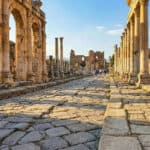
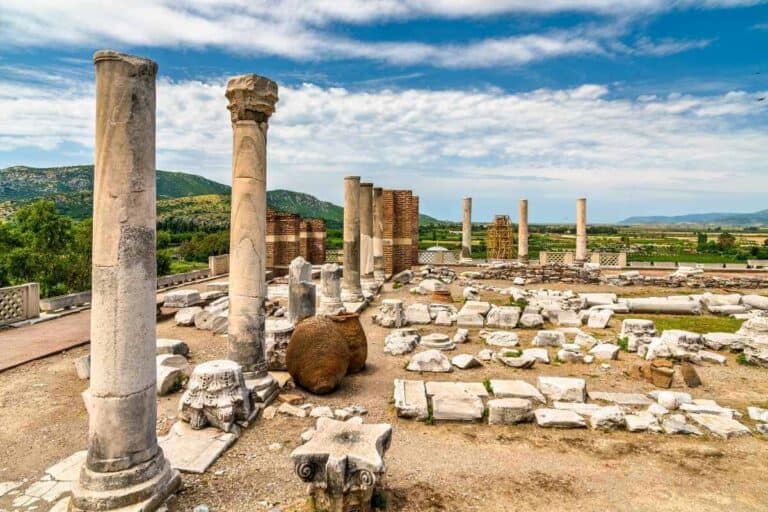
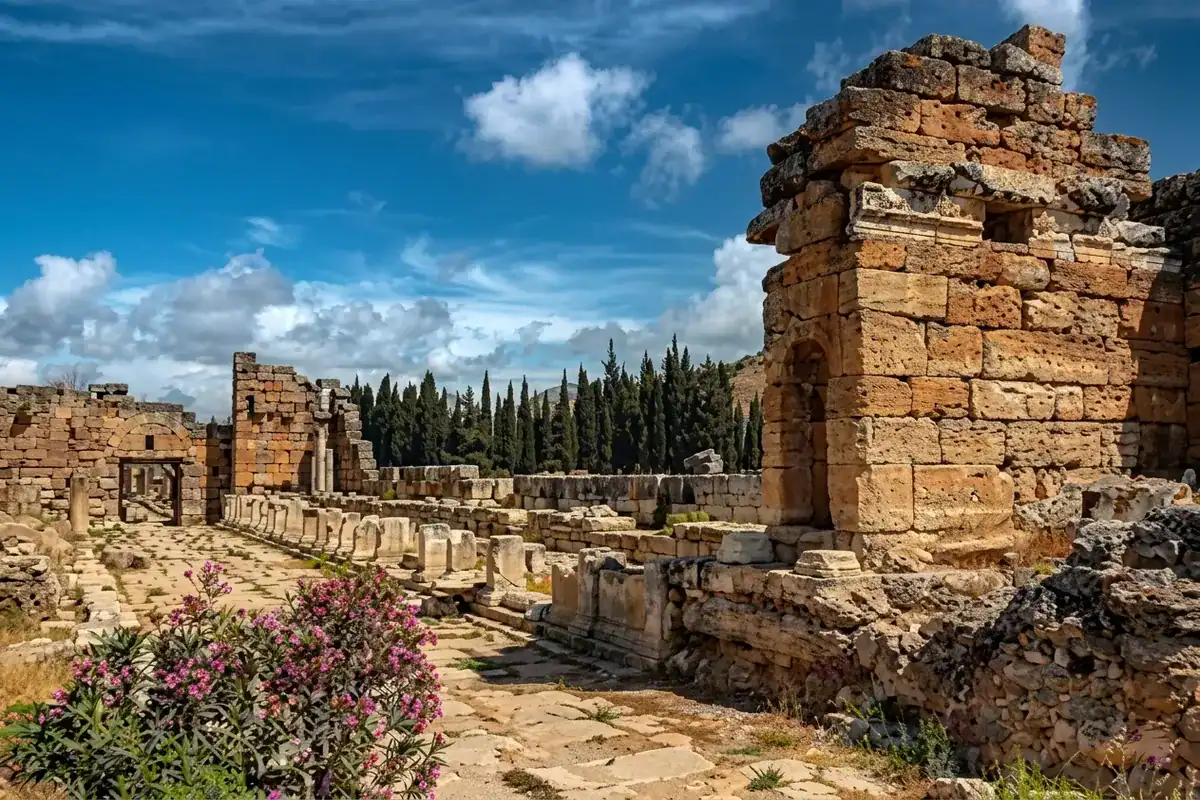
- Pamukkale is more than the terraces. Your visit should include time for Hierapolis-Pamukkale, where ancient streets, baths, a theater, and a large necropolis sit above the travertines.
- Not every pool is full every day. Water is managed across the terraces for conservation, so dry or shallow sections are normal and do not mean the site has “closed” or disappeared.
- Arrive early or stay late. Midday brings stronger glare, hotter surfaces, and the largest tour groups. Earlier and later visits are generally more comfortable for walking and photographs.
- Bring sunglasses, water, and shoes that are easy to remove. Visitors must go barefoot on designated terrace routes, and wet calcium surfaces can be slippery.
- Allow at least several hours. A rushed terrace-only stop misses the best context of the site and can make the journey feel less worthwhile.
- Combine Pamukkale strategically. It pairs well with Ephesus from Izmir or Kuşadası, while travelers coming from Istanbul should consider whether a day trip, overnight, or multi-stop route best fits their schedule.
What Pamukkale Is Actually Like
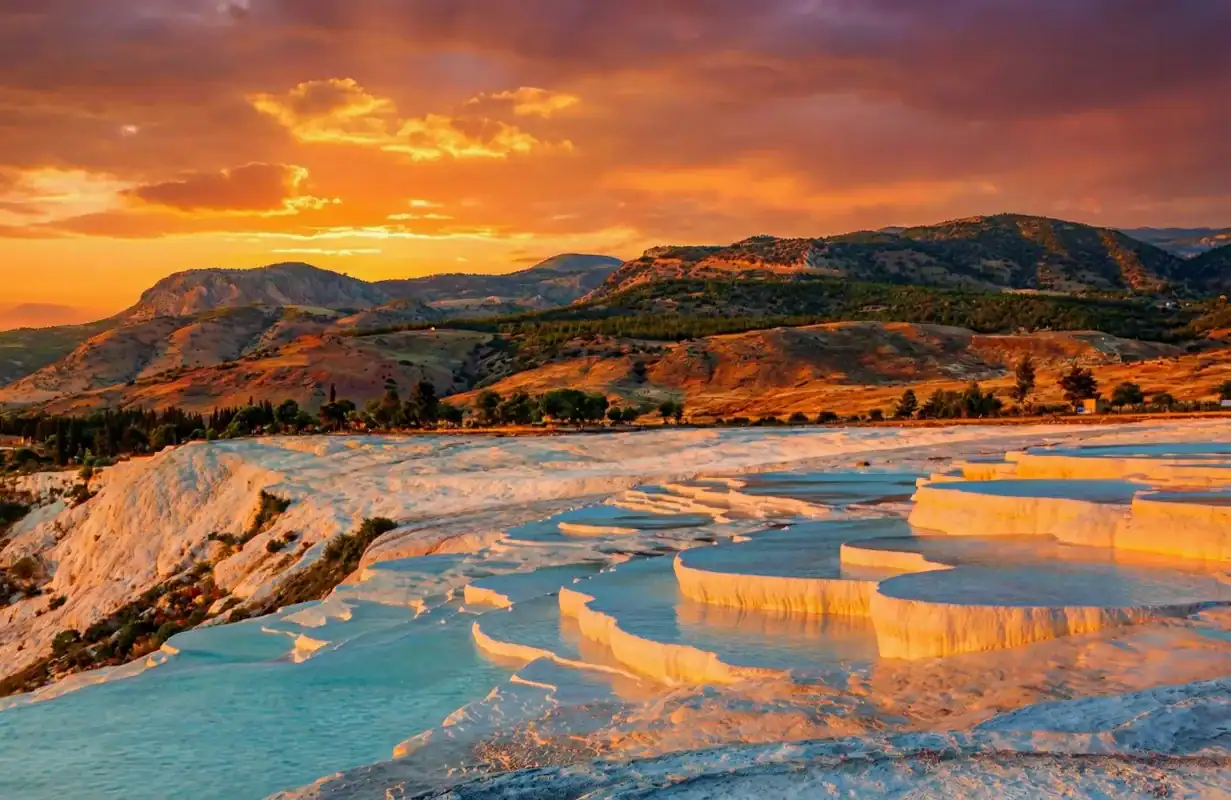
The famous white slope is formed by mineral-rich thermal water depositing calcium carbonate over thousands of years. The result is a series of pale terraces, shallow basins, and channels that can look brilliantly white in direct sun. The most recognizable viewpoint is the main terrace slope, where visitors walk barefoot through designated areas and may find warm water flowing through some pools.
The site is visually striking, but it is not uniformly turquoise or overflowing from top to bottom. Seasonal conditions, conservation work, natural water flow, and the authorities’ water-management decisions all affect what you see. Some basins can be dry, while others have enough water for wading. That variation is part of visiting a protected landscape rather than a constructed attraction.
Will the terraces look like the photos?
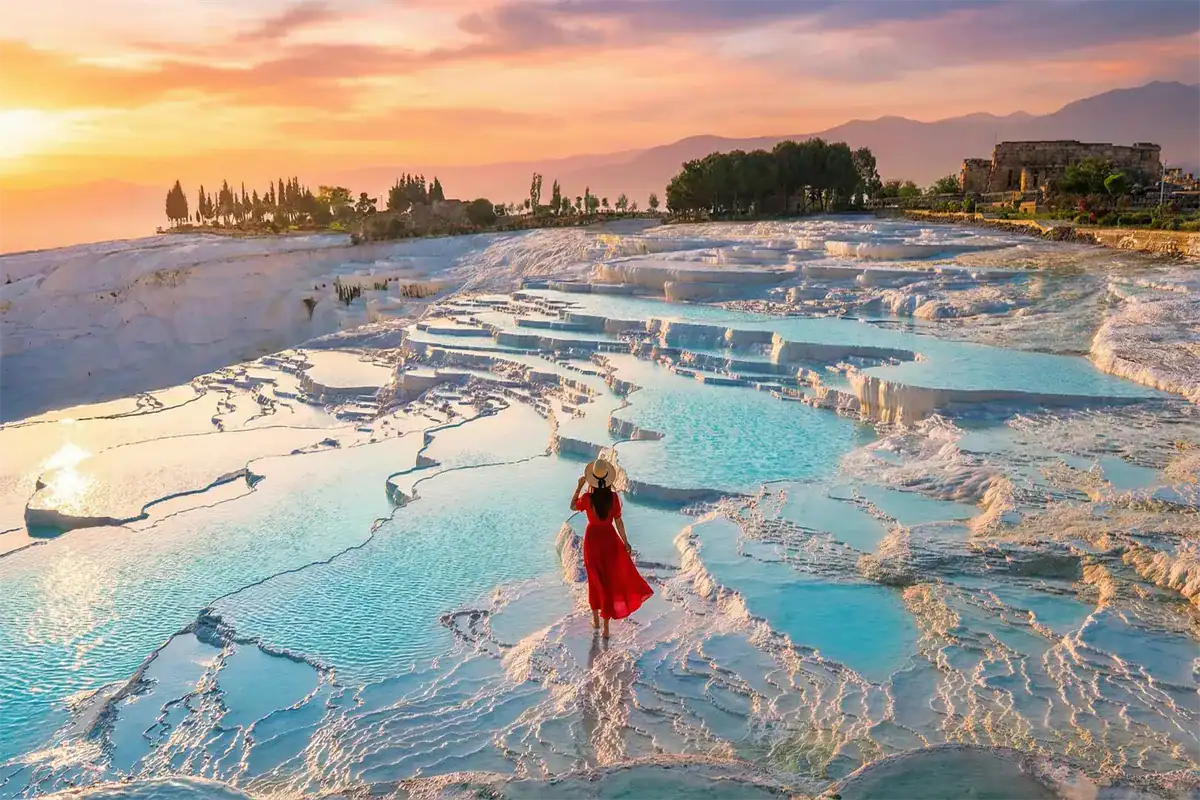
They can look spectacular, especially in clear weather, but professional photographs often show the fullest pools, ideal light, and carefully framed sections. Go expecting white terraces, changing water levels, and a busy visitor route—not an empty landscape of private infinity pools.
Travelers who tend to be happiest are those who treat the terraces as one part of a larger UNESCO-listed visit. The contrast between the mineral landscape and the ruins above it is what makes Pamukkale distinctive.
Can you walk in the water?
Yes, visitors can usually walk barefoot through the designated travertine route and wade in certain shallow sections. Access rules can change, so follow posted signs and staff direction on the day. Shoes are not permitted on the protected white terraces, both to protect the surface and to limit discoloration.
Practical tip: Carry a lightweight bag for your shoes, keep your phone secure, and move slowly. The wet mineral surface can be uneven and slick, particularly where water is flowing.
Why Hierapolis Makes Pamukkale Worth the Journey
Many visitors come for the terraces and discover that Hierapolis is the part they remember most. This ancient Greco-Roman spa city developed around the same thermal springs that formed Pamukkale. It gives the landscape scale and meaning: people have traveled here for bathing and wellness for centuries.
Do not make the common mistake of arriving late in the day and spending all your time at the lower terraces. The archaeological area requires walking, but it rewards anyone who gives it proper time.
Hierapolis highlights worth prioritizing
- The ancient theater: The restored theater sits on the hillside and offers broad views over the valley. It is one of the most impressive places to pause after the busy terrace route.
- The Necropolis of Hierapolis: This extensive burial ground shows just how important the ancient spa city became. It is best appreciated by travelers who do not rush the site.
- The Roman Baths of Hierapolis: The remains help explain the city’s long connection to thermal bathing and healing traditions.
- Cleopatra’s Pool: Also known as the Antique Pool, this separate swimming area contains warm mineral water and submerged ancient fragments. Swimming requires an additional on-site payment beyond general site entry.
Cleopatra’s Pool is optional, not essential. It suits travelers who genuinely want a thermal soak and are comfortable paying separately. If your time is limited, the theater and terrace walk are usually the stronger priorities.
When Is the Best Time to Visit Pamukkale?
Pamukkale is open year-round, but the best time depends on whether you value mild weather, lighter crowds, or dramatic seasonal atmosphere. Spring and fall are often the most balanced choices for walking around Hierapolis and enjoying the terraces without peak summer heat.
| Season | What It Feels Like | Best For | Planning Watch-Out |
|---|---|---|---|
| Spring | Milder temperatures and greener surroundings | First-time visitors, walkers, and combined itineraries | Popular travel period; book transport and tours ahead |
| Summer | Strong sun, bright glare, and hot afternoons | Travelers who can start early and handle heat | Bring water, sun protection, and avoid planning only a midday visit |
| Fall | Comfortable touring weather and softer light | Photography, history, and slower-paced trips | Demand can remain high through early fall |
| Winter | Cooler air, fewer visitors, and occasional steam from warm water | Travelers who prefer quieter sites | Shorter daylight and weather can affect the pace of a road-based itinerary |
For the best balance, plan to enter early in the morning or visit later in the afternoon. The white surface reflects sunlight intensely, and midday crowds can make the barefoot route feel more congested than the rest of the archaeological area.
If you are building a wider itinerary, see our practical advice on choosing the best month for a first Turkey trip and the broader Turkey travel guide.
How Much Time Do You Need at Pamukkale?
A quick stop can be done, but it rarely does justice to the site. The right amount of time depends on how you arrive and whether you plan to swim.
- Two to three hours: Enough for the designated travertine route, a few photographs, and a brief look at Hierapolis. This is the minimum for travelers on a tightly timed day tour.
- Four to five hours: A better first visit. You can explore the terraces, theater, necropolis, and archaeological landscape at a more comfortable pace.
- Most of a day: Best if you want to add Cleopatra’s Pool, take breaks in the shade, or visit without feeling pressured by a group schedule.
If Pamukkale is your main reason for traveling to the region, consider staying nearby rather than forcing a long same-day return journey. A slower visit gives you better light and more flexibility around the hottest or busiest hours.
Getting to Pamukkale: The Route Logic That Matters
Pamukkale is near Denizli, so your best route depends on where you are starting. The key question is not simply whether you can reach it in one day; it is whether the travel time leaves enough energy and daylight for the site itself.
From Izmir or Kuşadası
This is one of the most practical ways to visit. Pamukkale combines naturally with the ancient ruins of Ephesus, although seeing both in one day can feel rushed depending on transport and your preferred pace. Travelers based in Izmir who want a focused day out can review the detailed Pamukkale day trip guide.
From Istanbul
A same-day visit from Istanbul is possible through an organized itinerary, but it is a long day with limited room for delays or leisurely exploration. An overnight or multi-day plan is generally a better fit for travelers who want to see both Pamukkale and Hierapolis properly. For route options and timing considerations, read how to get to Pamukkale from Istanbul.
From Antalya or Cappadocia
Pamukkale can work as part of a wider inland route, especially for travelers connecting the Mediterranean coast, central Anatolia, and the Aegean. The trade-off is transit time. These routes suit travelers with several days available, not those trying to fit every major Turkish destination into a short vacation.
Should You Visit Independently, on a Day Trip, or on a Multi-Day Tour?
The right choice comes down to your starting point, tolerance for long travel days, and whether Pamukkale is a priority or one stop among several.
Choose an independent visit if you want flexibility
Independent travel suits travelers who want to choose their own arrival time, spend longer in Hierapolis, or stay overnight nearby. It requires more coordination for transport, transfers, entry, and timing. Before booking, confirm your arrival and departure connections, the location of your accommodation, and whether you will have enough daylight for the site.
Choose a day trip if you are based in Izmir or Kuşadası
A day trip makes sense when you want the logistics handled and do not need an unhurried swim or long museum-style visit. It is best for travelers with limited vacation time. Check the actual pickup point, total road time, site time, meals, entrance arrangements, and whether Cleopatra’s Pool is included or paid separately.
Choose a multi-day route if you are coming from Istanbul, Antalya, or Cappadocia
A multi-day itinerary is usually the better value in experience, not necessarily the lowest upfront cost. It reduces the pressure of a very long out-and-back day and can combine Pamukkale with Ephesus or Cappadocia in a logical sequence. Confirm which transport segments are included, whether flights or local bus travel are used, how much free time is available, and the accommodation standard shown on the specific booking page.
Current starting prices can help compare options, but they are not the whole decision. For example, a Pamukkale day trip from Izmir starts from USD 160, while longer routes add transport, overnight planning, and additional destinations. Prices can change, so always review the live tour page before booking.
Choose your next step
Recommended Pamukkale tours
These verified options are the closest available matches for this article’s destination, route intent, and trip length.

3-Day Pamukkale and Ephesus Tour from Istanbul with Flights
A 3 days Cultural & Heritage Tour route covering Pamukkale, Ephesus and 1 more destination.
View tour details →
Pamukkale Day Trip from Izmir
A 12 hours Cultural & Heritage Tour route covering Pamukkale, Izmir.
View tour details →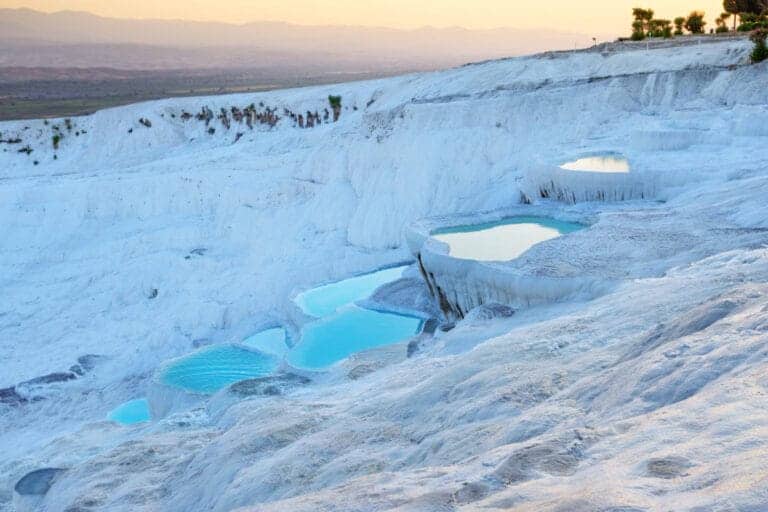
4-Day Pamukkale and Cappadocia Tour from Antalya
A 4 days Cultural & Heritage Tour route covering Pamukkale, Cappadocia and 1 more destination.
View tour details →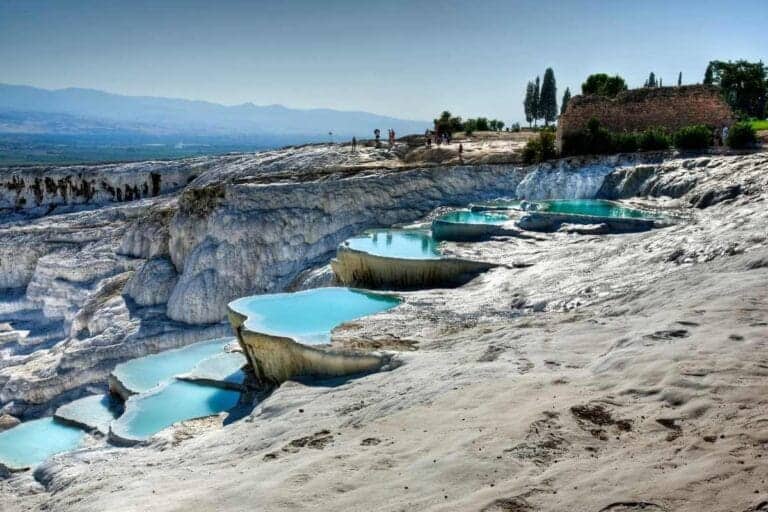
2-Day Pamukkale & Ephesus Tour from Cappadocia (With Overnight Local Bus)
A 3 days Cultural & Heritage Tour route covering Pamukkale, Ephesus and 1 more destination.
View tour details →Common Pamukkale Questions
Are the Pamukkale pools dry?
Some sections may be dry or have limited water during your visit because water is directed and rotated across the terraces for conservation. This is normal. Designated visitor areas may still have flowing or shallow warm water, but conditions vary.
Is Pamukkale suitable for children and older travelers?
Yes, with sensible pacing. The main concerns are glare, heat, barefoot walking, and slippery or uneven wet surfaces. Families and travelers with mobility concerns should allow extra time, use shaded rest stops, and avoid rushing through the terrace route.
Do you need swimwear at Pamukkale?
Bring swimwear if you may use Cleopatra’s Pool or want to wade comfortably in designated terrace areas. A towel, sunscreen, sunglasses, and a secure bag for shoes are also useful.
Is Cleopatra’s Pool included with Pamukkale entry?
General access to the Pamukkale and Hierapolis complex does not automatically include swimming at Cleopatra’s Pool. Swimming is normally charged separately on-site, so verify the current amount and operating conditions on the day of your visit.
Is one day enough for Pamukkale and Ephesus?
It can be done, particularly from the Izmir or Kuşadası area, but it is a full and active day. Travelers who enjoy archaeology, photography, or a slower pace will usually get more from an overnight or two-day plan.
Final Verdict: Is Pamukkale Worth It?
Yes—Pamukkale is worth it for most first-time visitors to Turkey, provided you arrive with the right expectations. Go for the unusual landscape, the barefoot terrace walk, and the ancient city of Hierapolis rather than expecting a full day of swimming in postcard-perfect pools.
It is most rewarding when you avoid a rushed midday stop, give yourself time above the terraces, and choose transport that fits your overall route. If you would like help matching Pamukkale with Ephesus, Antalya, Cappadocia, or Istanbul, plan your Turkey trip with One Nation Travel and request an itinerary built around your available days and preferred travel pace.