
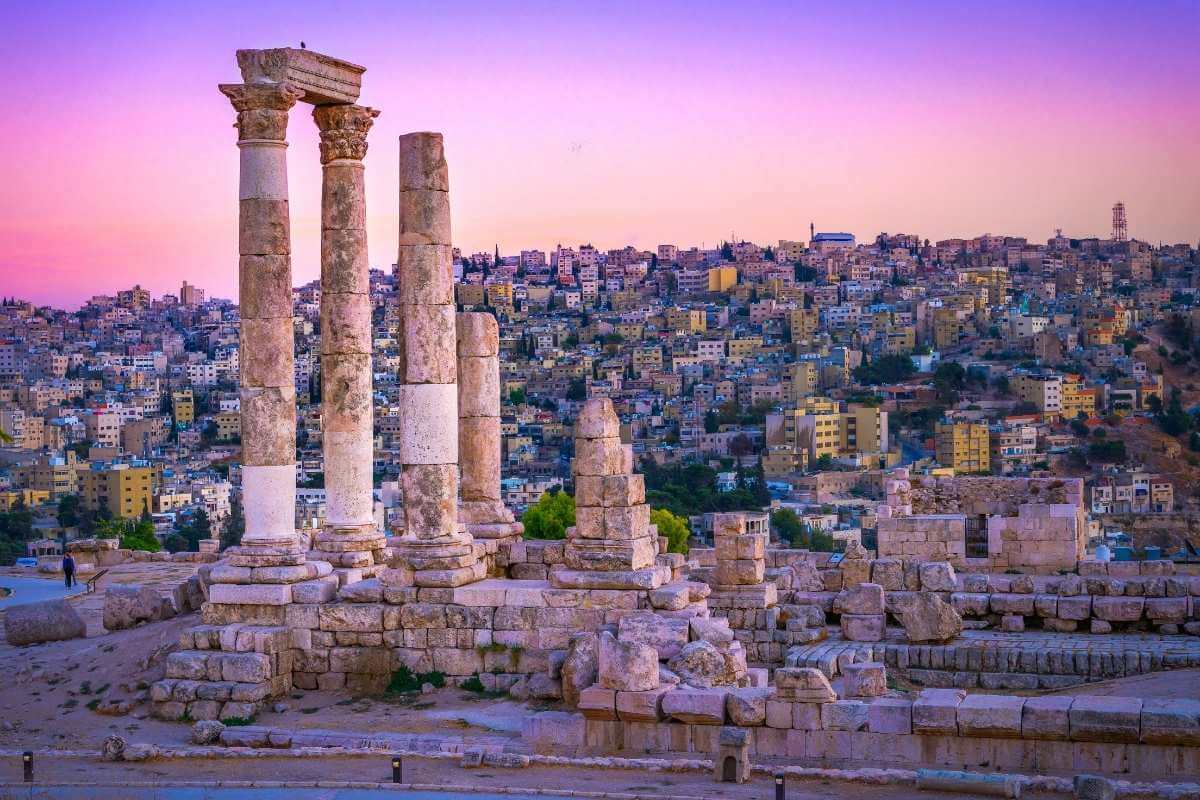
Amman rises from pale limestone hills in a sweep of sunlit rooftops, Roman columns, call to prayer, and the scent of cardamom coffee drifting through busy streets. In Jordan’s capital, ancient ruins share space with modern cafés and markets, creating a city that feels both deeply rooted and confidently alive.
Historical and Cultural Context
Amman has been inhabited for thousands of years, with evidence of settlement dating back to the Neolithic period. In the 13th century BC, it was known as Rabbath Ammon, the capital of the Ammonites. Later, under Hellenistic rule, the city was renamed Philadelphia after Ptolemy II Philadelphus. During the Roman period, it became one of the cities of the Decapolis, a league of influential Greco-Roman cities across the region.
Its layered past is visible across the city: Bronze Age remains, Roman theaters, Byzantine churches, Umayyad palaces, and Ottoman-era neighborhoods all coexist within the modern capital of Jordan. Few cities in the Middle East reveal their history so openly across hilltops and streets.
What to See and Experience
Begin at the Amman Citadel, perched on Jabal Al Qala’a, where wind moves through stone columns and the city stretches in every direction. The site includes the Temple of Hercules, built during the Roman period, and the elegant remains of the Umayyad Palace, whose domed audience hall hints at the city’s early Islamic importance.
Below the citadel, the Roman Theater cuts dramatically into the hillside. Built in the 2nd century AD, it once held around 6,000 spectators. Sit on the worn stone steps and imagine the roar of ancient performances echoing against the surrounding hills. Nearby, downtown Amman offers spice shops, bakeries, gold merchants, and lively streets where locals gather over mint tea and fresh falafel.
Amman also makes an excellent starting point for exploring Jordan’s greatest landmarks, including Petra and the Dead Sea.
Practical Visitor Tips
The best time to visit Amman is in spring, from March to May, or fall, from September to November, when temperatures are comfortable for walking. Summer can be hot, especially at exposed archaeological sites, so early morning visits are recommended.
Plan at least one full day to explore the citadel, Roman Theater, museums, downtown markets, and local dining. If you enjoy photography, arrive at the citadel near late afternoon, when the limestone buildings glow gold in the soft desert light.
Plan Your Visit
Plan the next step
Recommended Tours for Your Jordan Visit
Compare tours for Amman by starting point, duration and itinerary. A listed stop can change with local access conditions; check the current program before booking.
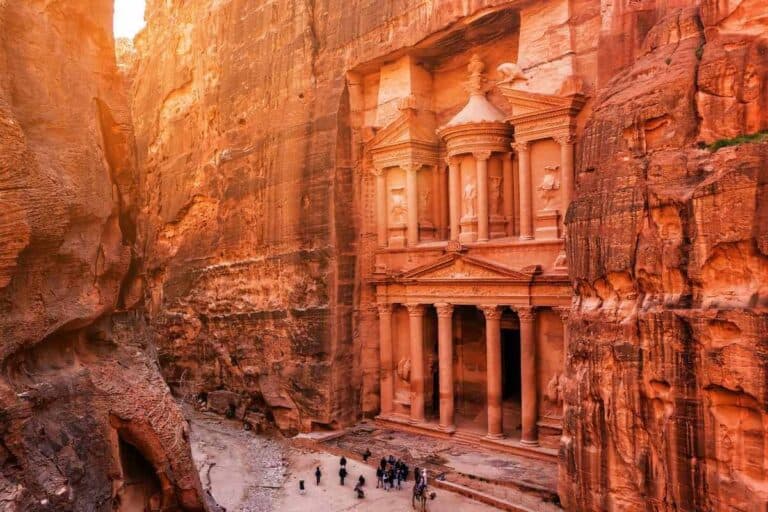
Petra Day Trip from Amman
Explore Petra, the ancient Nabatean city and UNESCO World Heritage Site, on a full-day trip from Amman. This guided experience…
View Tour Details
4 Day Jordan Tour from Amman
Discover Jordan's top sites on our 4 Day Jordan Tour from Amman. Visit Petra, Wadi Rum & the Dead Sea.…
View Tour Details
3-Day Dead Sea, Petra, Wadi Rum Tour from Amman
Book the 3-Day Dead Sea, Petra, Wadi Rum Tour from Amman with One Nation Travel for expert guidance, organized transfers,…
View Tour Details