
The practical answer: Egypt in July is very hot, especially in Cairo, Luxor, and Aswan, but it can still work well for travelers who plan around the heat. Expect dry, sunny days, air-conditioned breaks, and early starts for major sights. July suits travelers prioritizing lower-season availability, Red Sea swimming, or a carefully paced Cairo-and-Nile itinerary—not those hoping to spend long afternoons outdoors.
July is one of Egypt’s most demanding months for sightseeing, but it is not a month when travel stops. The important decision is whether you are comfortable organizing your day around the sun: archaeological sites early, an indoor or hotel break at midday, then dinner or a city walk after sunset. For many travelers, that trade-off is worthwhile for quieter monuments and a more flexible travel pace across Egypt tours.
What matters most for Egypt in July
- July is hot and almost completely dry throughout Egypt, with the strongest heat in Upper Egypt around Luxor and Aswan.
- Cairo is hot but manageable with early sightseeing, regular water breaks, and air-conditioned transport or museums during the afternoon.
- Luxor and Aswan are best for travelers who can handle very high daytime temperatures and accept a deliberately slower schedule.
- Alexandria and the Red Sea coast generally feel less severe than inland Egypt, although humidity can be higher on the coast.
- Book accommodations with reliable air conditioning and avoid building an itinerary that requires several hours outdoors between late morning and late afternoon.
- July prices and availability can vary by hotel category, domestic flights, and school-holiday demand, so confirm what is included before comparing tour totals.
What is the weather like in Egypt in July?
July sits at the height of Egypt’s summer. Rain is exceptionally unlikely in the main tourist areas, skies are usually clear, and direct sun is the defining factor. Even travelers accustomed to warm weather can find the combination of bright sun, stone monuments, open desert landscapes, and limited shade tiring.
Conditions vary considerably by region. Cairo has a warmer urban feel and can be humid at times, while southern Egypt is hotter but usually drier. Mediterranean and Red Sea destinations offer water, breezes, and more opportunities to cool down, though they are still firmly summer-hot.
| Area | Typical July conditions | Best approach |
|---|---|---|
| Cairo and Giza | Often around the mid-90s°F in daytime; evenings are warmer than many visitors expect. | Visit outdoor sites at opening time, then schedule museums, lunch, or rest during peak heat. |
| Luxor and Aswan | Frequently above 104°F, with some days hotter; very dry and intensely sunny. | Choose dawn starts, short site visits, shaded pauses, and an afternoon break. |
| Alexandria | Usually cooler than the interior, with Mediterranean humidity and a possible sea breeze. | Good for travelers who prefer a coastal city pace and later-day sightseeing. |
| Red Sea coast | Hot days, warm sea temperatures, and generally sunny beach weather. | Plan swimming, snorkeling, diving, and pool time around the hottest hours. |
Exact temperatures change from year to year, so check the short-range forecast shortly before departure. More important than any single forecast number is designing an itinerary that does not depend on midday outdoor walking.

Is July too hot for Cairo, Luxor, and Aswan?
For some travelers, yes. July is not the easiest month for a first trip built entirely around temples and tombs. It can still be a sensible choice if you are realistic about the rhythm of the day and do not treat heat management as an afterthought.
Cairo and Giza: manageable with timing
Cairo gives you more ways to escape the heat than Upper Egypt. Plan the Pyramids of Giza, the Great Sphinx, and nearby open-air areas first thing in the morning. A later afternoon can be better spent in the Egyptian Museum, at a café, or back at your hotel before an evening meal.
Travelers sometimes make the mistake of scheduling Giza, Saqqara, Memphis, and central Cairo in one uninterrupted July day. It is possible only with a very early start, a private vehicle or well-coordinated transfers, and a willingness to shorten the plan if the heat becomes too much. Consider separating the day instead of rushing sites such as the Saqqara Necropolis and Memphis.
Luxor and Aswan: spectacular, but demanding
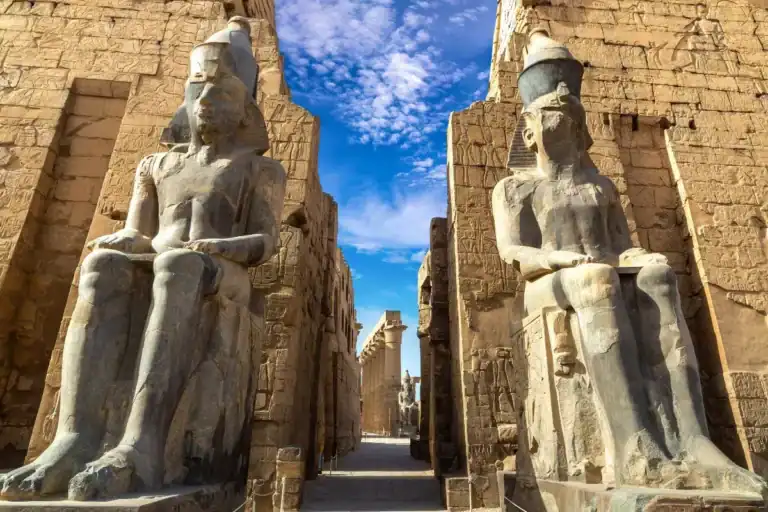
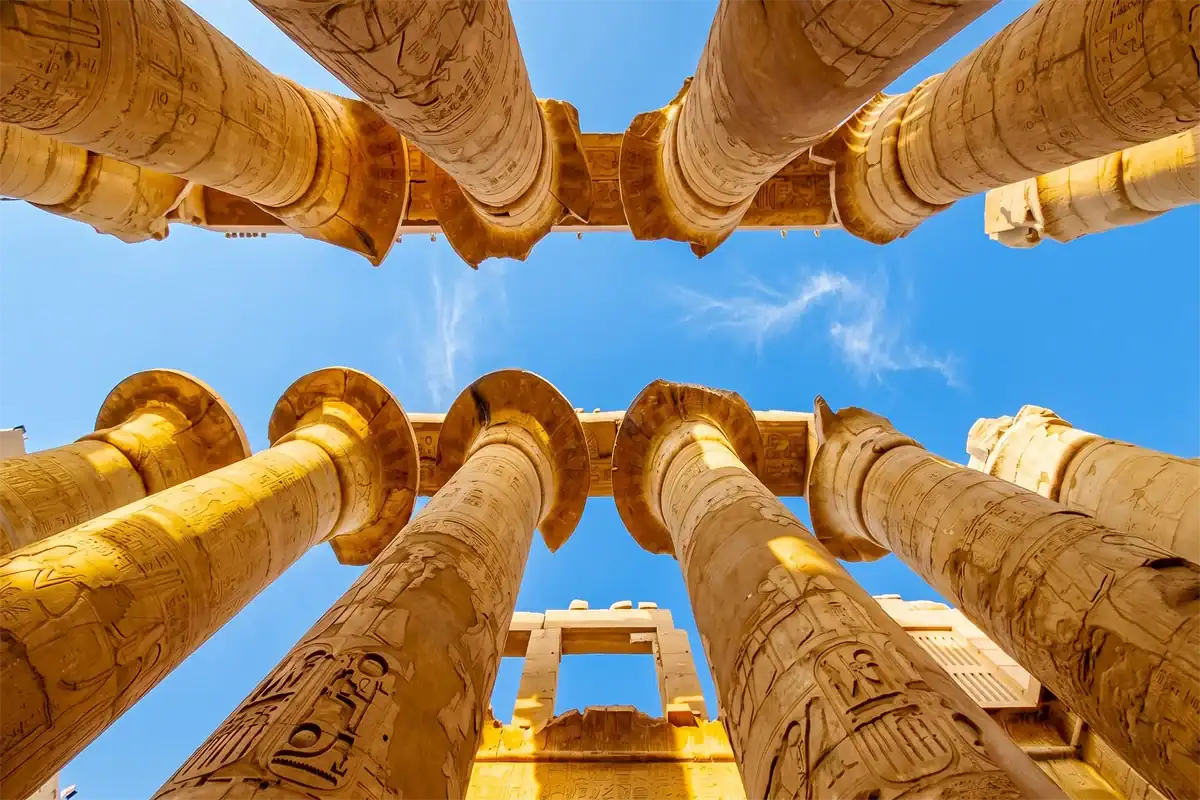
Luxor and Aswan reward travelers with Egypt’s most important ancient landscapes, but July heat is often extreme. The Valley of the Kings, Temple of Hatshepsut, Karnak Temple, and Luxor Temple should be organized in the coolest available windows, not simply fit around breakfast and dinner.
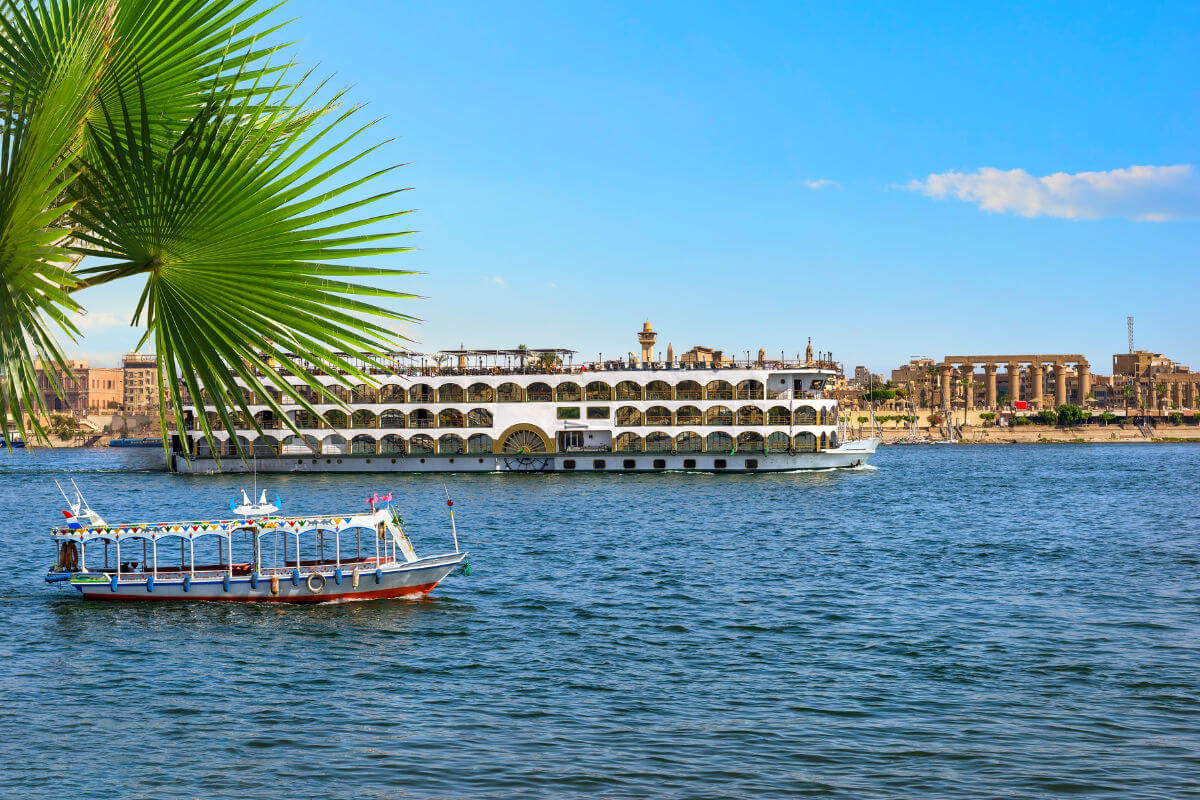
In Aswan, boat rides and visits to the Temple of Philae can feel more comfortable than exposed inland touring, but there is still very little protection from the midday sun. A Nile cruise can be a practical July choice because it creates built-in downtime in an air-conditioned cabin or shaded common area between guided visits. It does not make the outdoor stops cool, so a good itinerary still needs early departures and realistic pacing.
Heat-smart rule: If an itinerary lists back-to-back outdoor visits from late morning through mid-afternoon, ask how much shade, driving time, water access, and rest time are actually built into the day.
Where is best to go in Egypt in July?
The right July destination depends on whether you want history, water, or a combination of both. A balanced trip generally works better than trying to cover every major Egyptian region at high speed.
For first-time history travelers: Cairo plus a short Luxor stay
A Cairo-and-Luxor route is the most efficient way to see headline monuments without committing to a long overland journey in summer. Allow enough time in Cairo to avoid forcing every site into one day, then use a flight-based connection for Luxor when that is part of your arrangement. For a fuller sense of route options and sensible trip lengths, see how many days to spend in Egypt.
For a more relaxed summer trip: Alexandria or the Red Sea
Alexandria offers a Mediterranean alternative to the inland heat. It is still warm in July, but its waterfront setting and evening atmosphere can make it a comfortable add-on after Cairo. If you are considering a day visit, an organized Alexandria day trip from Cairo can simplify transport and sightseeing timing.
For travelers whose priority is swimming, snorkeling, or diving, the Red Sea is usually a better July fit than a monument-heavy route. Reserve cultural sightseeing for early in the trip or pair a few days in Cairo with several slower coastal days. July’s warm water can be appealing, but use sun protection even while swimming or sitting under an umbrella.
What to wear and pack for Egypt in July
Pack for sun exposure rather than just high temperatures. Light clothing is useful, but very short or revealing clothing can leave you less protected from the sun and may feel out of place at religious or conservative sites. Loose cotton or linen garments that cover shoulders and knees are often more comfortable than tight summer clothes.
- Lightweight shirts, trousers, long skirts, or loose dresses in breathable fabric
- A wide-brimmed hat or cap, sunglasses, and sunscreen with high SPF
- A light scarf or wrap for religious sites, air-conditioned vehicles, and extra sun coverage
- Broken-in walking shoes with a secure sole for uneven stone, steps, and dusty paths
- Sandals for hotel, pool, or beach time—not as your only sightseeing footwear
- A refillable water bottle, electrolyte packets if you use them, and any essential medication in your day bag
- A swimsuit and quick-drying cover-up if your itinerary includes a Nile cruise or the Red Sea
Do not rely on a small handheld fan as your main heat strategy. Shade, water, a hat, air-conditioned breaks, and a lighter daily schedule make a much bigger difference. Carry water consistently, but also eat regular meals; exhaustion in dry heat can arrive before you feel seriously thirsty.
How to plan a July sightseeing day
July rewards travelers who protect the middle of the day. A workable pattern is an early start, outdoor touring until late morning, lunch and rest in air conditioning, then one lighter activity or an evening walk. Not every attraction has to be visited in one day to make the trip worthwhile.
A practical daily rhythm
- Early morning: Pyramids, temples, tombs, or any site with long exposed walking.
- Late morning to mid-afternoon: Lunch, museum visit, hotel rest, pool time, or travel between cities.
- Late afternoon and evening: Short city sightseeing, a Nile-side walk, shopping, or dinner.
If you visit Khan El Khalili Bazaar in Cairo, going later in the day can be more pleasant than arriving at noon. Likewise, Luxor Temple is often a better evening stop than an exposed afternoon visit. Opening hours, access rules, and any special event schedules should always be reconfirmed locally.
July is also a month to be conservative about optional desert activities. A desert excursion may sound appealing on paper, but it should include clear information on transport, shade, water, timing, and the physical demands involved. Do not assume every activity is suitable simply because it operates in summer.
Costs, availability, and booking considerations in July
July is commonly considered part of Egypt’s lower international travel season, but “lower season” does not automatically mean every part of a trip is inexpensive. International airfare, domestic flight schedules, hotel category, private versus shared touring, and school-holiday travel can all affect the final total.
Compare itineraries by what they actually arrange: airport transfers, domestic flights, hotel nights, guiding, entry tickets, meals, cruise accommodation, and gratuities are not always handled the same way. For a clearer overview of the cost factors travelers should compare, read Egypt tour cost: what Americans typically pay for Cairo, Luxor, and a Nile cruise.
A few verified examples may help establish the level of planning available. The 4-Day Best of Cairo Tour starts from USD 1,049, while the 4-Day Egypt Tour: Cairo & Luxor starts from USD 1,160. These are starting prices and may change; review the live tour page for the itinerary and current inclusions before booking.
Which July Egypt trip is right for you?
| If you are… | Best July choice | Why it works | What to verify before booking |
|---|---|---|---|
| Visiting Egypt for the first time with limited time | Cairo plus Luxor | It covers the major ancient sites without adding too many hotel changes. | Domestic-flight arrangements, early tour starts, hotel air conditioning, and entrance fees. |
| Comfortable with heat and especially interested in temples | Luxor, Aswan, and a Nile cruise | It provides a focused Upper Egypt experience with downtime between visits. | Daily sightseeing times, cabin air conditioning, meals, and whether flights are included. |
| Traveling with children, older relatives, or anyone sensitive to heat | Cairo with Alexandria or a Red Sea extension | It reduces the number of high-heat archaeological days and adds easier cooling options. | Transfer lengths, pace of guided visits, pool or beach access, and room configuration. |
| Looking for a short cultural add-on from Cairo | A dedicated Luxor trip or Alexandria day trip | It avoids trying to force a full multi-city itinerary into a few days. | Flight timing for Luxor, pickup times, included sites, and realistic return timing. |
For July, the best itinerary is usually the one with fewer ambitious daytime commitments. Ask for the expected start time, the longest outdoor segment, and what happens if a traveler needs to pause. A well-coordinated plan should leave room for heat, traffic, and a slower walking pace rather than treating every hour as fixed sightseeing time.
Choose your next step
Recommended Egypt tours
These verified options are the closest available matches for this article’s destination, route intent, and trip length.


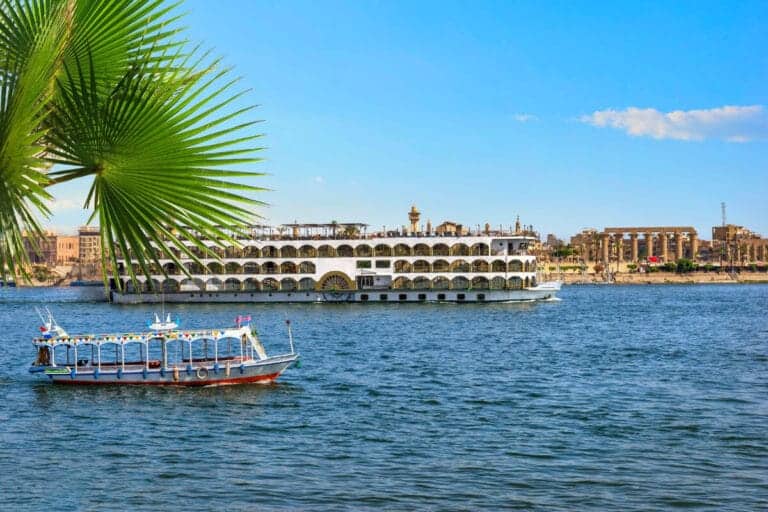
4-Day Nile Cruise from Cairo by Air: Aswan to Luxor
A 4 days Cultural & Heritage Tour route covering Egypt.
View tour details →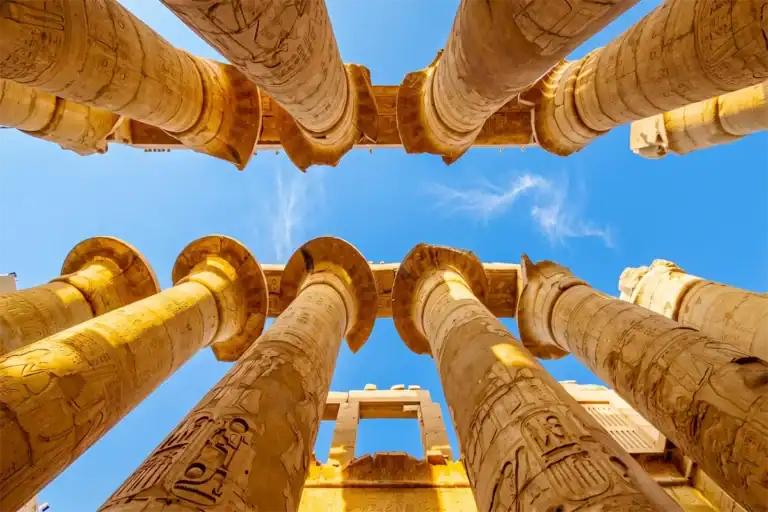
2-Day Luxor Tour from Cairo (Flights Included)
A 2 days Cultural & Heritage Tour route covering Egypt.
View tour details →Common questions about Egypt in July
Can you visit the Pyramids of Giza in July?
Yes. Start as early as possible, wear sun-protective clothing, bring water, and avoid scheduling another long outdoor activity immediately afterward. The site is exposed, so the difference between an early and midday visit is substantial.
Is a Nile cruise worth it in July?
It can be, especially for travelers who want Luxor and Aswan without frequent hotel changes. The cruise offers a place to rest between stops, but temple visits still need to be timed for cooler hours.
Should I choose Alexandria or Luxor in July?
Choose Alexandria if you want a comparatively gentler coastal pace and are sensitive to extreme heat. Choose Luxor if ancient temples and tombs are the priority and you are prepared for dawn starts and hot afternoons.
What is the biggest July planning mistake?
Overloading every day. A route that is comfortable in November can become exhausting in July if it includes several open-air sites, long drives, and no hotel break during the hottest hours.
Should you book Egypt for July?
Book July if you can travel at a slower, heat-aware pace and want to combine Egypt’s historic sites with restful afternoons, a Nile cruise, Alexandria, or the Red Sea. If your ideal vacation means full-day outdoor touring with little downtime, another season may be a better fit. For help matching the route, pace, and service arrangements to your dates, use the Plan My Trip form and request an itinerary designed around July conditions.