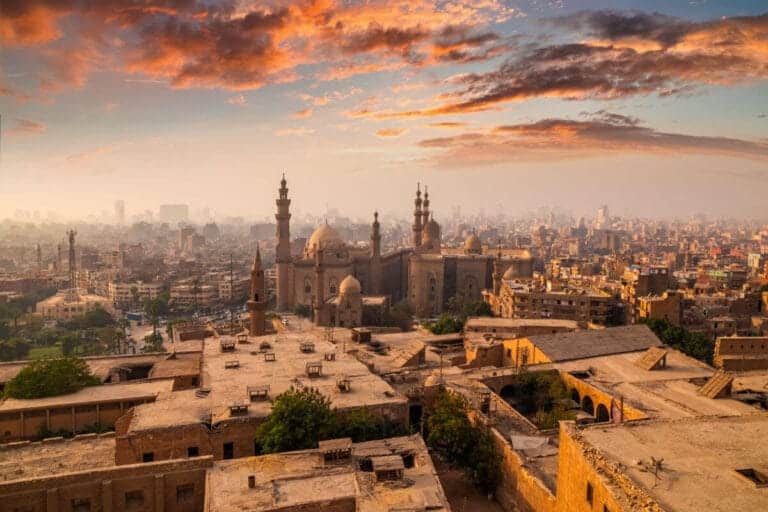

Short answer: The ten things worth your time in Cairo are the Pyramids of Giza and the Sphinx, the Egyptian Museum, Islamic Cairo with Khan El Khalili, the Citadel and Mosque of Muhammad Ali, a Nile boat ride, Coptic Cairo, Al-Azhar Park, a Sufi whirling performance at Wekalet El Ghouri, the Northern Cemetery, and Zamalek’s galleries and cafés. Three full days covers all of it comfortably.
Cairo rewards planning more than most capitals. The sights themselves aren’t hard to see, but traffic, midday heat, and Friday prayer timings decide whether you get four good stops in a day or two rushed ones. This guide is for first-time visitors with two to four days in the city who want the famous sites plus a few quieter places most tour buses skip — and who need to know how the pieces fit together before they lock in a route.
Key Takeaways
- Give Giza a full morning, not a two-hour stop — the plateau is large and entry inside a pyramid is a separate ticket bought on site.
- Museum plans changed with the opening of the Grand Egyptian Museum near Giza, so confirm which museum holds the Tutankhamun collection on your travel dates before buying tickets.
- Cairo traffic, not distance, is your real constraint. Cluster sights by district: Giza, Downtown, Islamic Cairo, Coptic Cairo, Zamalek.
- Fridays are quieter in the morning but mosques restrict visits around midday prayers; Khan El Khalili comes alive after dark.
- Tipping (baksheesh) is normal for guides, drivers, restroom attendants, and anyone who helps with photos — keep small bills in Egyptian pounds.
- Three days handles Cairo well; a fourth day buys you Saqqara and Memphis or a day trip to Alexandria.
1. Stand Beneath the Pyramids of Giza and the Sphinx
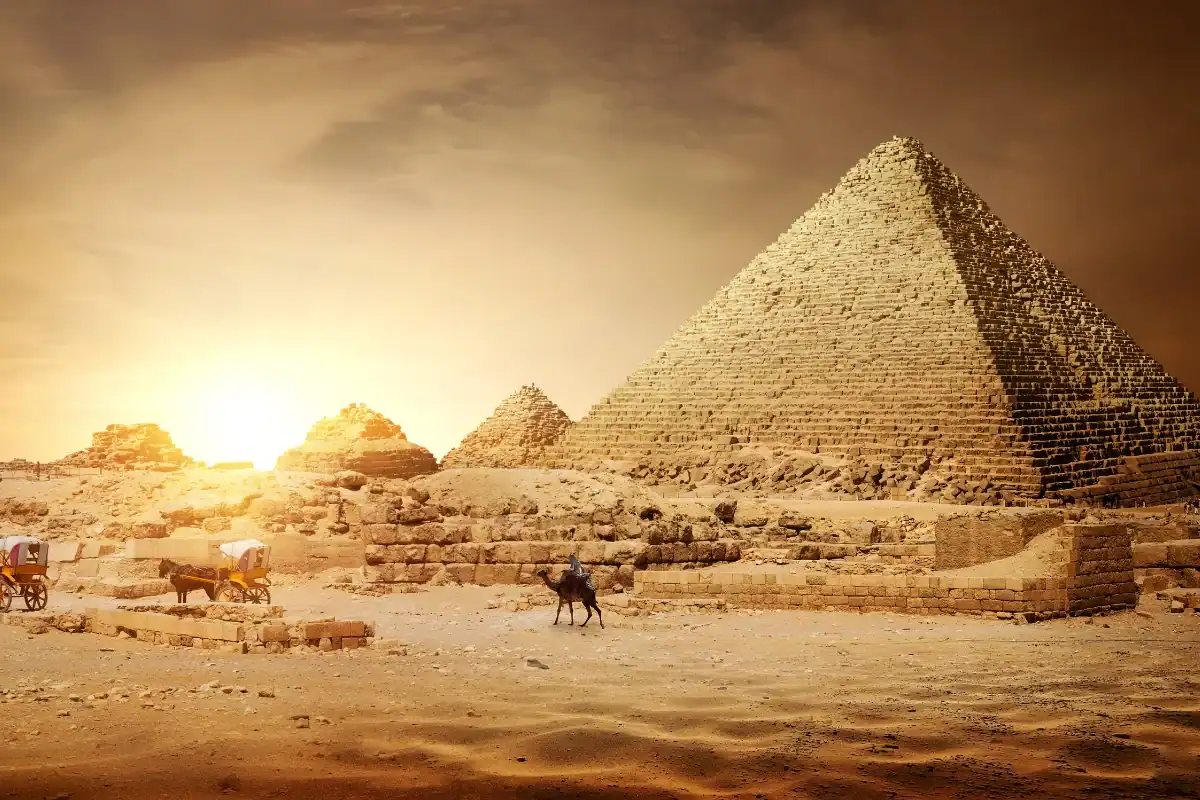
The Pyramids of Giza are the reason most people come, and they deserve more than a photo stop. The plateau holds three major pyramids — the Great Pyramid of Cheops, the Pyramid of Chephren, and the smaller Pyramid of Menkaure — plus the panoramic viewpoint and the Great Sphinx down at the valley temple.
Arrive at opening if you can. By late morning the light flattens, the crowds thicken, and in summer the heat on open sand becomes genuinely draining. Entry inside a pyramid chamber costs extra and is bought separately at the site; the passage is steep, narrow, and unventilated, so skip it if you’re claustrophobic or have knee trouble. There’s nothing to see inside beyond bare stone — the appeal is the sensation, not the decoration.
Tip: agree on the price and duration of any camel or horse ride before you get on, in writing if possible, and expect a tip on top. Riders who quote suspiciously low prices usually make it up at the end.
2. Give the Museums a Proper Half-Day
Cairo’s museum picture has shifted. The Egyptian Museum in Tahrir Square still holds an enormous collection of statuary, sarcophagi, and everyday objects, while the Grand Egyptian Museum near the Giza plateau now displays the Tutankhamun material in purpose-built galleries. Which pieces sit where has been moving in stages, so verify current arrangements when you book rather than relying on older guidebooks.
Practical read: if you have limited time and want Tutankhamun’s treasures, pair the Grand Egyptian Museum with your Giza morning — they’re close together, which saves a cross-city drive. If you love dense, old-school collections and rooms packed floor to ceiling, keep Tahrir on the list too. Hiring an Egyptologist guide changes the experience more here than anywhere else in Cairo; without one, most visitors drift past labels and leave tired.
3. Wander Islamic Cairo and Khan El Khalili Bazaar
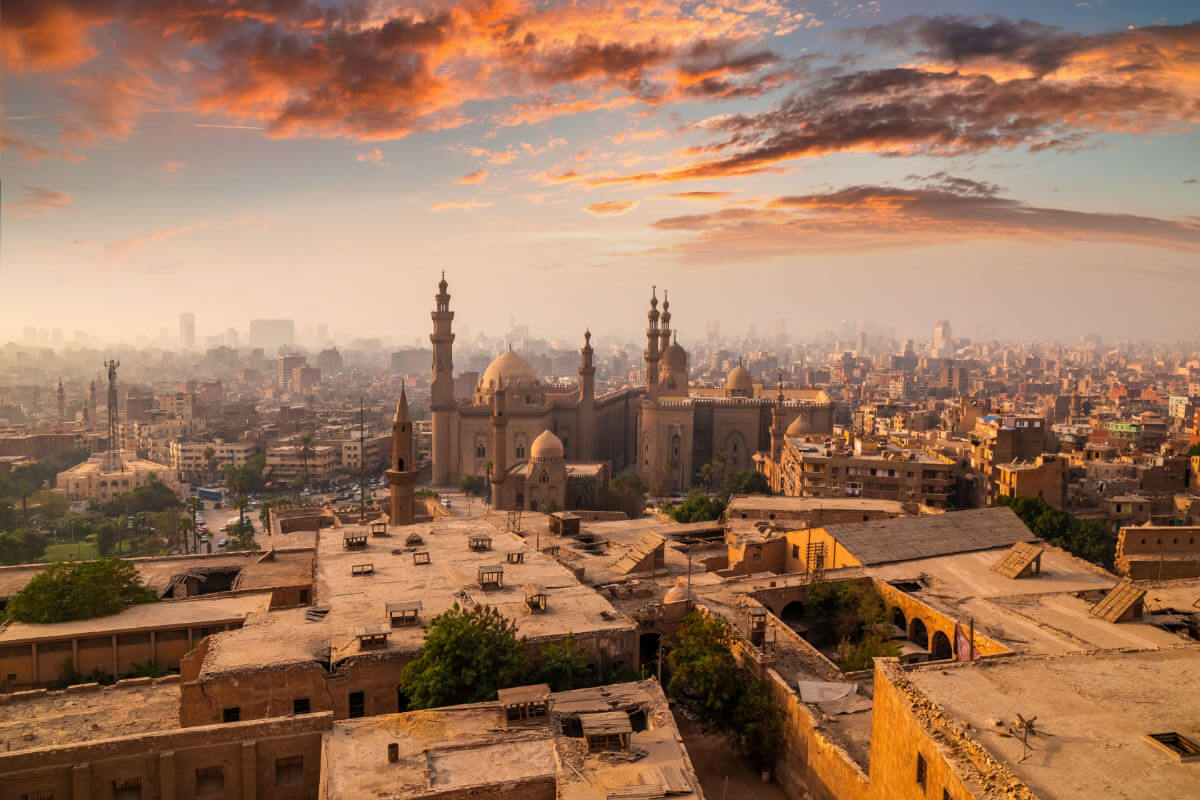
The medieval core is a UNESCO World Heritage Site and the most atmospheric walking in the city. Start at Al-Azhar Mosque, work up Al-Muizz Street past the Qalawun complex and the Sabil-Kuttab of Katkhuda, then finish in Khan El Khalili Bazaar. Climbing the minaret at Bab Zuweila for the rooftop view over the old city is one of Cairo’s best-value hours.
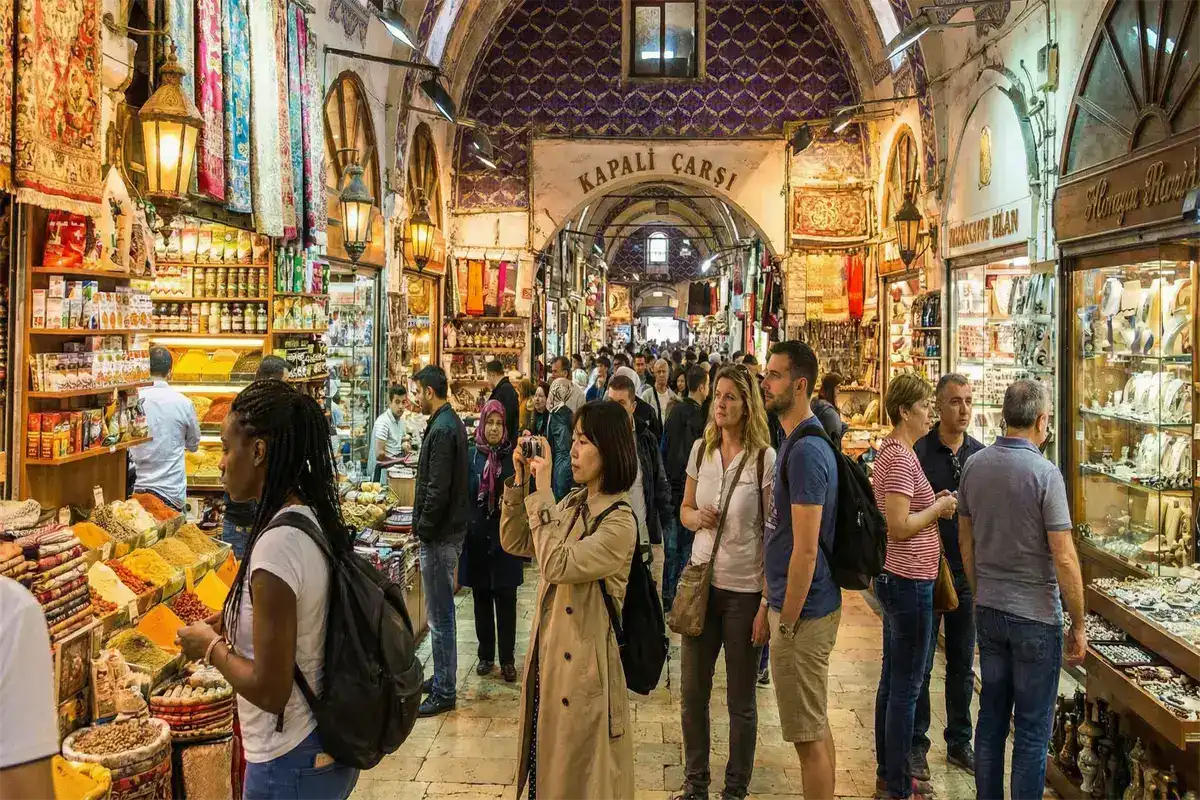
Shop with patience. Prices are negotiable, opening quotes to visitors run high, and the quality gap between the tourist alleys and the workshops one street back is large. Spices, hand-blown glass, and copperwork are worth carrying home; “alabaster” figurines at bargain prices usually aren’t. Late afternoon into evening is the best window — cooler, better lit, and the coffeehouses fill up.
4. Climb to the Citadel for the City View
Saladin’s 12th-century Cairo Citadel sits on high ground with a wide view over the rooftops toward Giza on clear days. The showpiece inside is the Ottoman-style Mosque of Muhammad Ali, with its alabaster courtyard and layered domes. Nearby, the Mosque-Madrasa of Sultan Hassan and Al-Rifai Mosque face each other across a small square and are quieter than the Citadel itself.
Dress modestly: shoulders and knees covered, and women should carry a scarf for mosque interiors. Shoes come off at the door. Visibility for that famous view depends on haze more than season, so if the air is clear on your first morning, consider moving the Citadel up in your schedule.
5. Get on the Nile
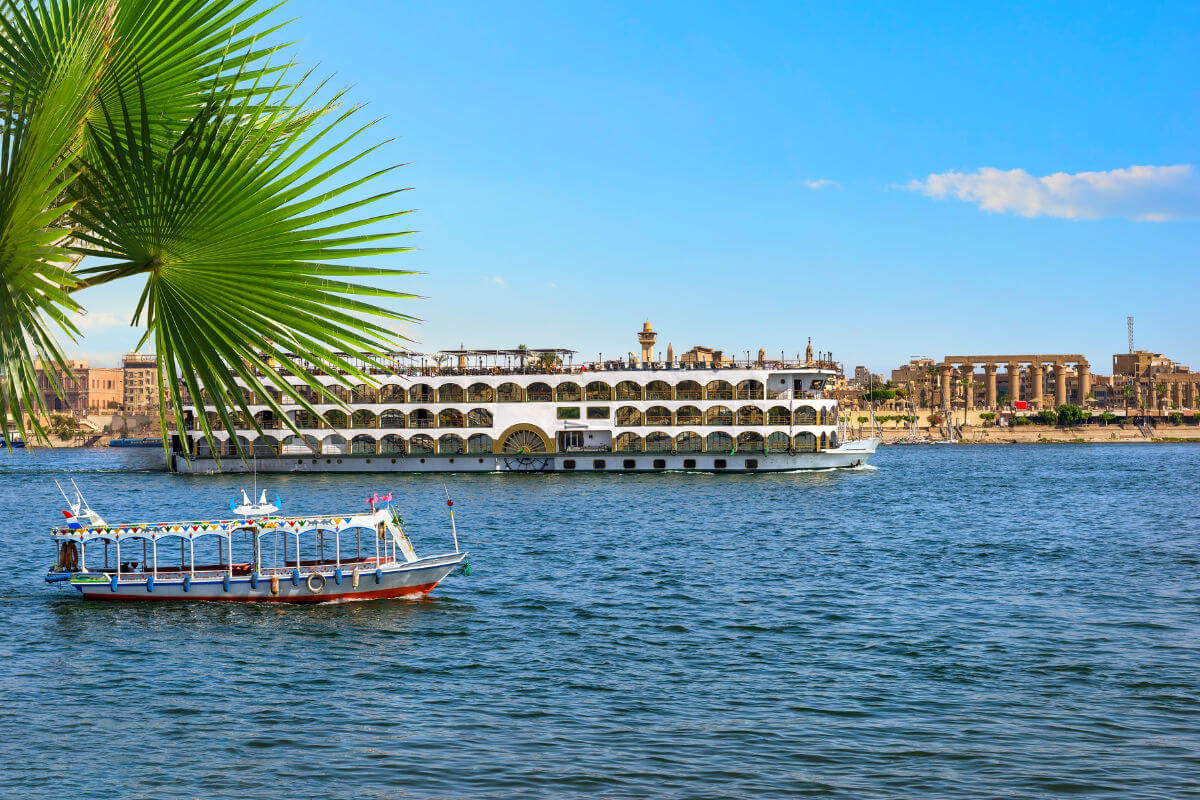
Cairo makes more sense from the water. A traditional felucca at sunset is the simple version — an hour of quiet with the skyline sliding past. Dinner cruises with music and a folkloric show are the louder version, popular with families and easy to arrange through your hotel or tour operator.
Don’t confuse this with a multi-day Nile cruise, which operates far to the south between Luxor and Aswan and is a separate trip requiring a domestic flight or train. If you’re weighing that add-on, our breakdown of what a Cairo and Nile cruise package actually includes explains where the extra costs land.
6. Walk Through Coptic Cairo
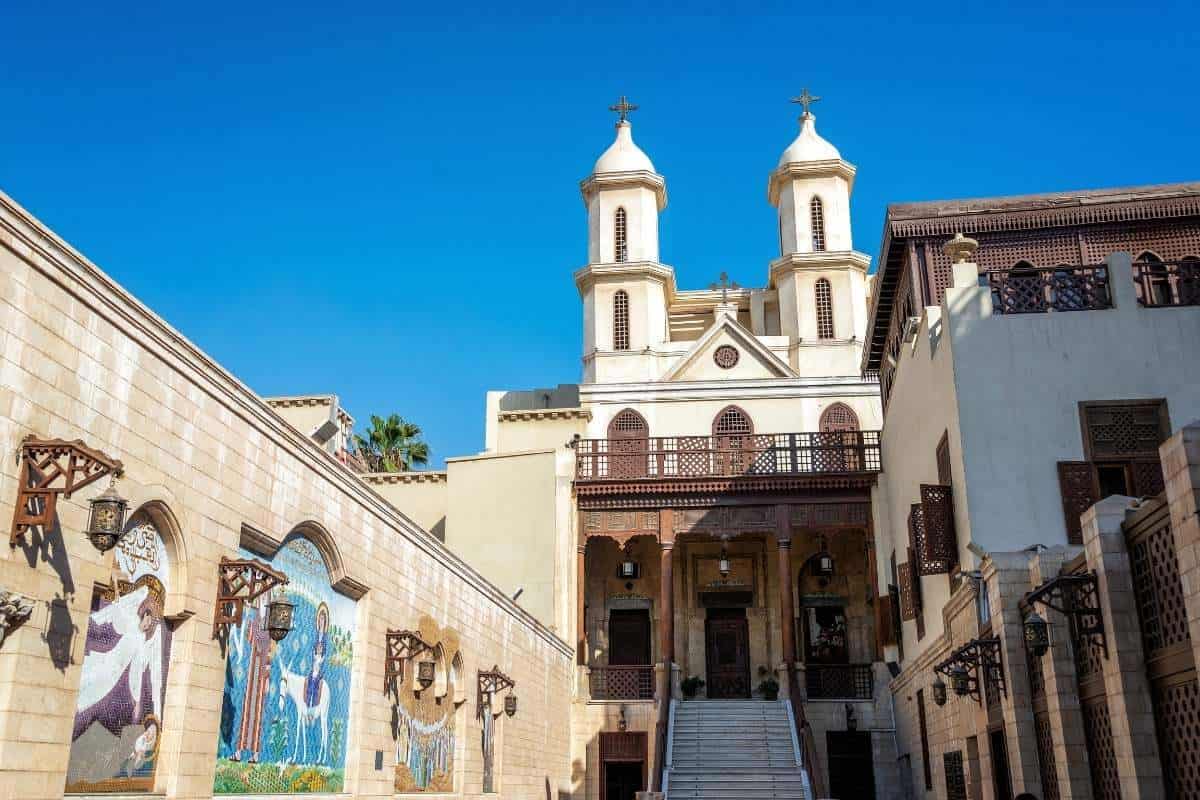
A compact, shaded quarter that takes about two hours and offers real relief from the noise. The Hanging Church is suspended over the gatehouse of a Roman fortress; the Church of St. Sergius and Bacchus marks a site tied to the Holy Family’s flight into Egypt; and Ben Ezra Synagogue is traditionally linked to the place where the infant Moses was found. The Coptic Museum next door is small, well curated, and often nearly empty.
The Mar Girgis metro stop drops you at the entrance, which makes this one of the few Cairo districts where public transport genuinely beats a car. Photography rules vary by building — ask before shooting inside.
7. Take a Break at Al-Azhar Park
Thirty hectares of landscaped gardens built on what was once a rubble mound, with Fatimid-inspired water channels and a hilltop restaurant terrace looking straight at the Citadel and the minarets of the old city. It’s the most pleasant place in Cairo to sit still for an hour, and it pairs naturally with an Islamic Cairo walk since they’re adjacent.
Weekend evenings are busy with local families, which is part of the appeal. Small entry fee, cash preferred.
8. See a Sufi Whirling Performance at Wekalet El Ghouri
The Al-Tannoura ensemble performs Sufi-influenced whirling and folk music in a restored 16th-century caravanserai in the old city. It’s free or near-free, the courtyard setting is remarkable, and seating is limited — arrive well before the start time and expect to stand if you’re late. Performance nights change with seasons, holidays, and Ramadan, so confirm the current schedule locally the day before rather than trusting a date you read online.
9. Visit the Northern Cemetery (City of the Dead)
Not a morbid curiosity so much as a lesson in how Cairo lives. The Northern Cemetery is a long belt of Mamluk mausoleums and family tomb enclosures where communities have settled among the monuments for generations. The architectural highlights — the funerary complex of Sultan Qaytbay chief among them — are genuinely first-rate and get a fraction of the visitors that Al-Muizz Street gets.
Go with a guide who knows the lanes and can ask permission where it’s needed. This is a residential area, not an exhibit; photograph buildings freely, people only when invited. Mornings are better than late afternoon.
10. Slow Down in Zamalek
The island district of Zamalek is where residents go for good coffee, secondhand bookshops, small galleries, and tree-lined streets with early 20th-century apartment blocks. It’s the natural counterweight to a day of ancient sites — no tickets, no queues, just a neighborhood worth a couple of unhurried hours. Downtown Cairo’s belle-époque cafés and passageways serve a similar purpose if your hotel is closer to Tahrir.
How Many Days Does Cairo Need?
Two days covers the essentials if you’re efficient. Three is the comfortable number. Four lets you add the step pyramid at Saqqara and the open-air ruins at Memphis, or a long day trip to the Mediterranean coast.
| Day | Morning | Afternoon / Evening | Why it works |
|---|---|---|---|
| 1 | Giza plateau and the Sphinx | Grand Egyptian Museum, then dinner near Giza | Keeps you on one side of the river, avoids two rush-hour crossings |
| 2 | Citadel and Sultan Hassan Mosque | Al-Azhar Park, then Al-Muizz Street and Khan El Khalili after dark | Sights are within a short drive of each other; bazaar is best in the evening |
| 3 | Coptic Cairo by metro | Zamalek or Downtown, sunset felucca | Light day to recover, easy to shift if a flight or train intervenes |
| 4 (optional) | Saqqara, Dahshur, Memphis | Return to Cairo, free evening | Half-day drive south; pyramids without the crowds |
If you’re building a longer route, how many days to spend in Egypt maps out where Cairo sits within 3- to 14-day itineraries.
Should You Do Cairo Independently, on a Group Tour, or Privately?
Independently works better in Cairo than its reputation suggests. Ride-hailing apps are widely used and cheap by American standards, museum and site tickets are bought at the gate or online, and the metro is fast for Coptic Cairo and Downtown. The costs are time and friction: negotiating at Giza, decoding unlabeled museum cases, and losing an hour or two a day to traffic guesswork. Best for repeat visitors, budget travelers, and anyone who enjoys the puzzle.
Small-group tours spread the cost of a licensed Egyptologist and a driver across a group. You get context and door-to-door logistics for less than a private car, but you accept fixed departure times, shared pacing, and usually a shopping stop or two. Best for solo travelers and first-timers who want structure without paying private rates.
Private tours buy control: your start time, your lunch, your decision to spend ninety minutes in one gallery or skip it entirely. That flexibility matters most at Giza, where being first through the gate changes the whole morning. For couples it’s a premium; split across four people, the per-person gap narrows a lot. Our comparison of private versus group tours in Egypt goes deeper on the math.
What to verify before you book anything: whether site entrance fees are included or paid separately; whether the guide is a licensed Egyptologist or a driver-escort; whether “Nile cruise” means a Cairo dinner boat or a multi-day sailing between Luxor and Aswan; whether domestic flights are ticketed or quoted; and how tips are handled. For realistic budgeting, the full Egypt tour cost breakdown shows what typically sits outside the headline price.
One more thing worth reading before you commit: our notes on how to read current Egypt travel advisories, since blanket warnings often cover regions nowhere near Cairo, Luxor, or the Nile Valley.
Choose your next step
Recommended Egypt tours
These verified options are the closest available matches for this article’s destination, route intent, and trip length.

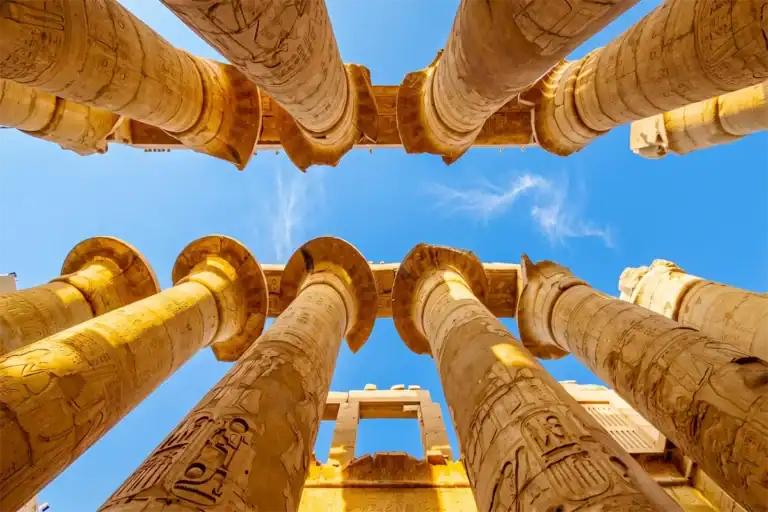
2-Day Luxor Tour from Cairo (Flights Included)
A 2 days Cultural & Heritage Tour route covering Egypt.
View tour details →
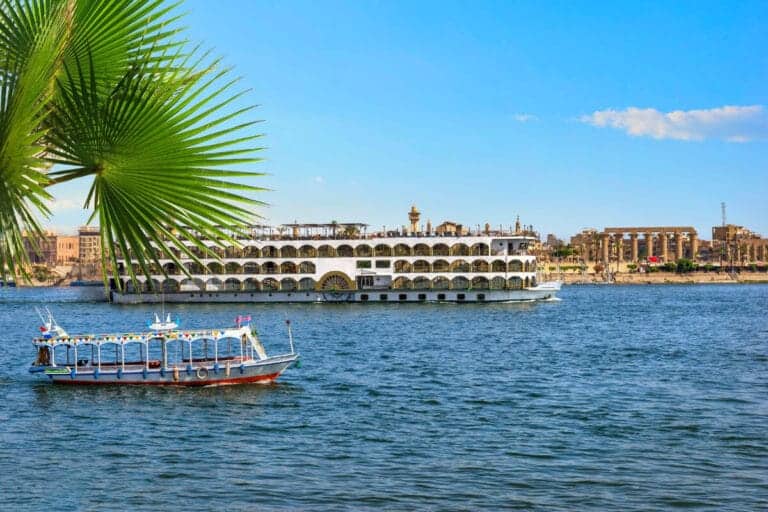
4-Day Nile Cruise from Cairo by Air: Aswan to Luxor
A 4 days Cultural & Heritage Tour route covering Egypt.
View tour details →Cairo Planning Questions
When is the best time to visit Cairo?
October through April is the comfortable window, with December to February the coolest and busiest. May through September brings serious heat — sightseeing is still possible if you start at sunrise and rest through midday, and prices tend to be lower. Ramadan dates shift each year and change opening hours, restaurant service, and evening atmosphere, so check before fixing dates.
How much cash should I carry, and is tipping really expected?
Yes, baksheesh is part of daily life. Carry a stack of small Egyptian pound notes for restroom attendants, porters, drivers, and site staff who help you. Cards work at hotels, better restaurants, and major ticket counters, but bazaars, taxis, and small cafés often want cash. Withdraw from ATMs at banks or hotels rather than street machines.
Is Cairo safe for tourists?
Visitors generally find the tourist areas well policed and Egyptians welcoming. The realistic annoyances are aggressive vendors around Giza and Khan El Khalili, overcharging by unmetered taxis, and chaotic street crossings — not violent crime. Use a ride-hailing app, agree on prices in advance, dress modestly at religious sites, and keep an eye on your belongings in crowds.
What can I add to Cairo if I have one extra day?
Two strong options. Saqqara, Dahshur, and Memphis make a half-day loop south with far fewer visitors than Giza. Or head north to the coast — an Alexandria day trip from Cairo (from USD 180, about 8 hours) covers the catacombs, Qaitbay Citadel, and the corniche, though it’s a long drive each way. If Luxor is the priority instead, a 2-day Luxor trip with flights starts at USD 649.
What are the cancellation terms if my plans change?
Cancellations and date changes must be requested at least 5 days before the tour starts; non-refundable flight and bus ticket costs are deducted from the paid balance. With less than 5 days’ notice, or for a no-show, the full payment is non-refundable.
Putting It Together
If you only take one piece of advice from this list, make it the sequencing: Giza early, Islamic Cairo late, and everything grouped by district so traffic doesn’t eat your days. Three days gives you all ten of these experiences without a single rushed morning. Add a fourth for Saqqara or Alexandria, and treat any Nile cruise as a separate southern chapter rather than a Cairo activity.
Our team arranges Cairo itineraries with licensed Egyptologist guides and local drivers, and we’re happy to tell you when a shorter, simpler plan will serve you better than a packed one. Browse the full range of Egypt tours or tell us your dates and we’ll build the route around them.