
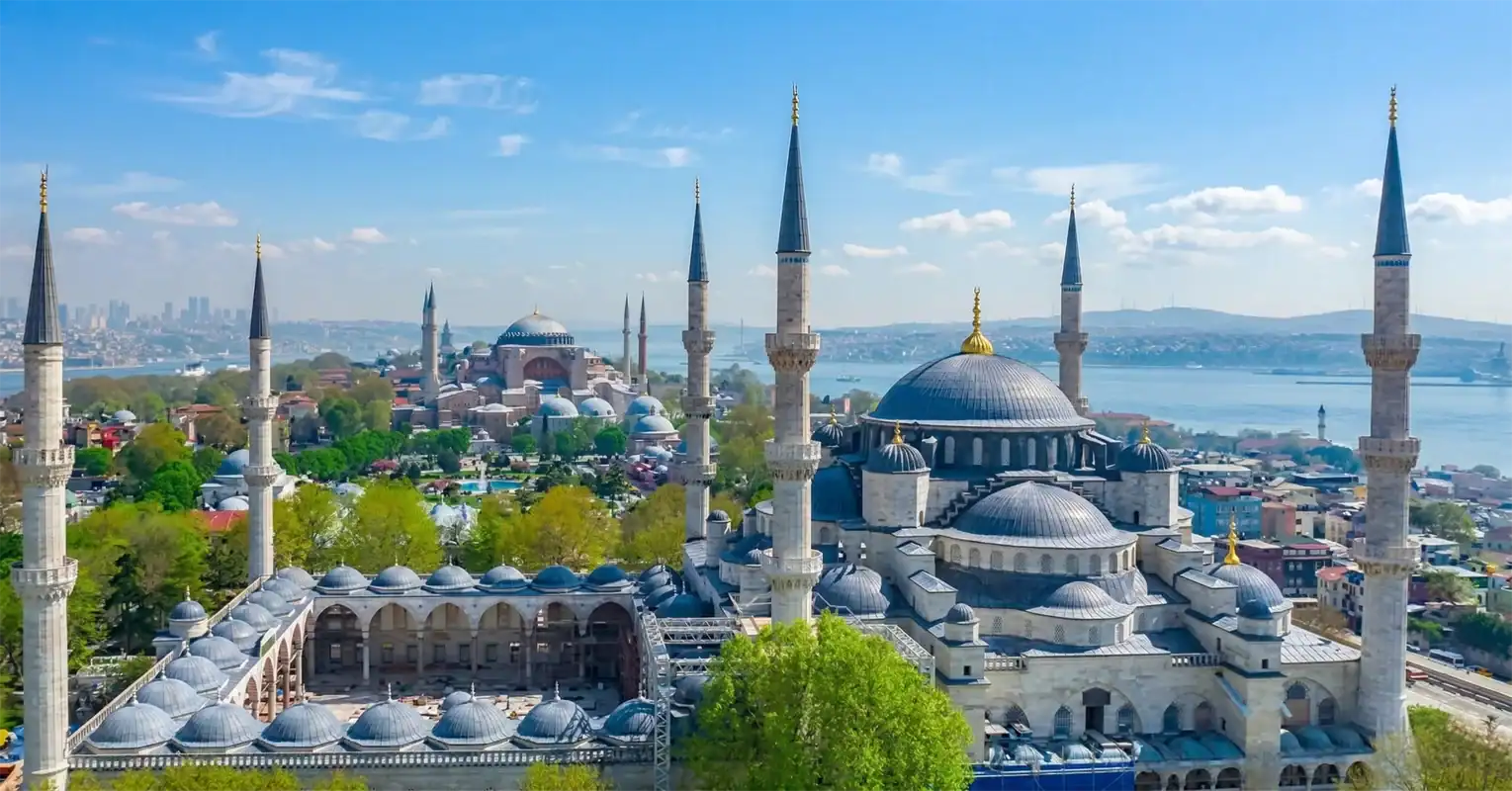
The practical answer: visit Hagia Sophia and the Blue Mosque together in Sultanahmet, ideally early in the day and outside prayer periods. They face one another across Sultanahmet Square, but they offer very different experiences: Hagia Sophia is the older Byzantine landmark with a visitor route and layered religious history, while the Blue Mosque is an active Ottoman mosque best appreciated for its tilework, courtyard, and prayer hall.
For first-time visitors to Istanbul, these are usually the two essential stops in the Old City. The most important planning decision is not whether to see both—it is how to time them around worship, crowds, and the other major sights within a short walk, including Topkapi Palace, the Basilica Cistern, and the Hippodrome.
What Matters Most Before You Go
- Hagia Sophia and the Blue Mosque are directly opposite each other in Sultanahmet, so plan them as one sightseeing stop rather than separate journeys.
- Both remain places of worship. Visitor access may pause or be restricted around prayer times, particularly on Fridays.
- The Blue Mosque is generally free to enter as a mosque, while Hagia Sophia’s visitor-entry arrangements and charges can change; confirm current access rules before setting out.
- Modest clothing is expected at both sites. Bring clothing that covers shoulders and knees, plus a scarf if you may need one.
- Allow roughly two to three hours for both mosques, longer if you want photographs, a guided explanation, or time in Sultanahmet Square.
- Start early, then continue to nearby landmarks before the midday crowds and prayer-related access pauses affect your schedule.
Hagia Sophia: Why It Is Different From Every Other Stop in Istanbul
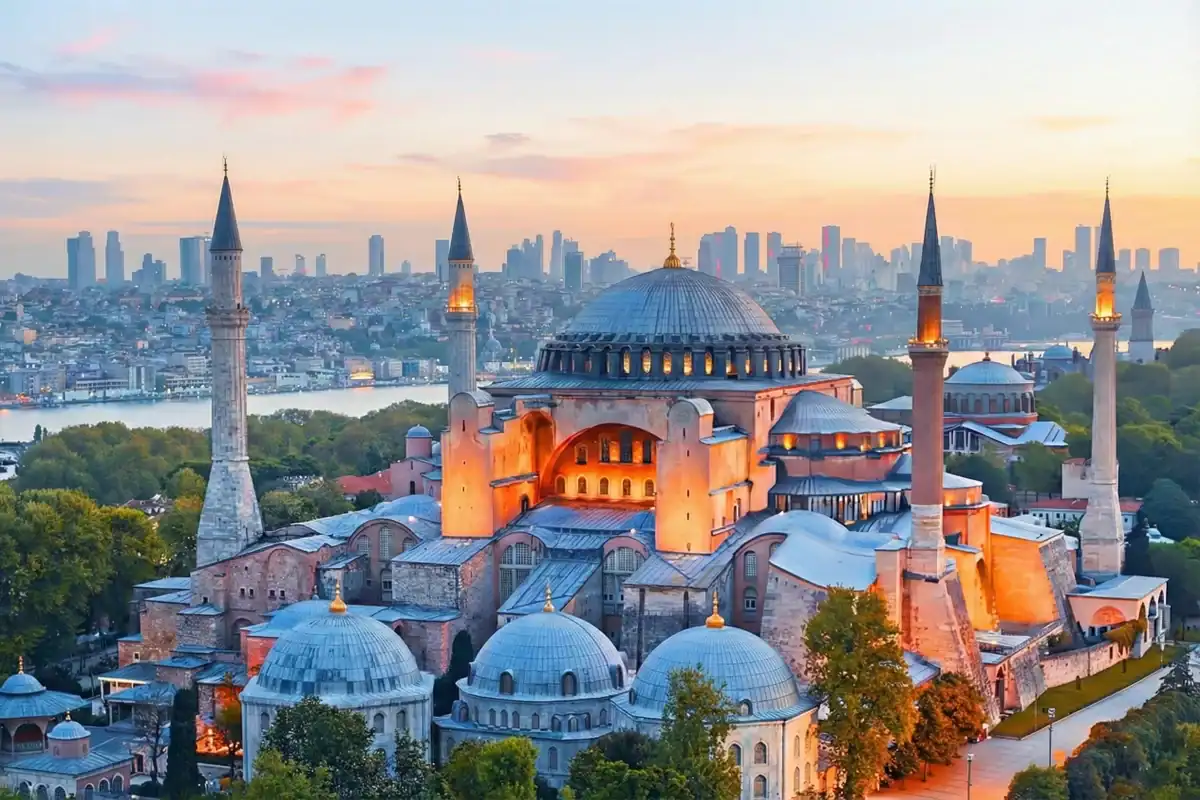
Hagia Sophia Grand Mosque was completed in 537 during the reign of Byzantine Emperor Justinian I. It was the principal church of Constantinople for centuries, became an imperial mosque after the Ottoman conquest of 1453, served as a museum during much of the modern era, and now functions again as a mosque.
That changing role is visible inside. The building combines a vast Byzantine dome, marble revetment, Christian mosaics, Ottoman calligraphy panels, a mihrab facing Mecca, and later additions made across many centuries. It is not simply a museum-like monument with a fixed route; it is an active religious space with visitor procedures that may be adjusted for worship, conservation, or crowd management.
What to look for inside Hagia Sophia
- The central dome: Its apparent weightlessness comes from the ring of windows at its base and the structural system of pendentives beneath it. The current dome reflects major repairs after earthquakes over the centuries.
- The marble interior: Look at the veined wall panels and columns rather than only upward. Many surfaces were selected and arranged to create symmetrical patterns.
- Christian mosaics: Access to particular mosaics and viewing angles can depend on the current visitor route and religious arrangements. Do not assume every upper-gallery area will be open on your visit.
- Ottoman additions: The mihrab, minbar, minarets, and large round calligraphy medallions are central to understanding Hagia Sophia’s life as a mosque.
- The Imperial Gate and Omphalion: These details help explain the building’s former role in Byzantine imperial ceremony.
Hagia Sophia rewards a little context. Travelers who enter only for a quick photograph often miss the scale of its historical change. A guided visit can be worthwhile if you want help distinguishing Byzantine architecture from Ottoman-era features, especially when parts of the building are not accessible independently.
Practical tip: Do not build a tightly timed itinerary around a guaranteed entry hour. Prayer periods, security procedures, maintenance, and crowd controls can alter the visitor flow. Check the latest entry rules on the day you plan to visit, and keep a nearby stop—such as the Basilica Cistern or Sultanahmet Square—as a backup.
The Blue Mosque: What Makes the Sultan Ahmed Mosque Special
Across the square stands the Blue Mosque, officially the Sultan Ahmed Mosque. Built for Sultan Ahmed I and completed in the early 17th century, it was designed as an Ottoman imperial statement facing Hagia Sophia. Seeing the two buildings together is one of the clearest ways to understand how Istanbul’s Byzantine and Ottoman identities share the same skyline.
The nickname “Blue Mosque” comes from the blue-and-turquoise İznik tiles used throughout the interior. However, its effect is not only blue. Daylight, stained-glass windows, floral tile patterns, calligraphy, and the layered ceiling of domes and semi-domes make the room feel brighter and more open than its exterior suggests.
What to notice at the Blue Mosque
- Six minarets: Their number was unusual for an Ottoman mosque and remains the feature most easily recognized from Sultanahmet Square.
- The prayer hall: Four immense supporting piers carry the dome system. Look beyond the pillars to see how smaller domes distribute the structure’s weight.
- İznik tiles: The floral designs include tulips, carnations, roses, and cypresses. The mosque contains many more colors than its nickname implies.
- The courtyard: This is one of the best places to study the mosque’s proportions and take exterior photographs without interrupting worshippers.
- The Sultan Ahmed complex: The mosque was historically part of a larger charitable and religious complex, not an isolated building.
Visitor access is typically through a designated entrance rather than the main worship entrance. Shoes must be removed before entering the prayer area. Dress respectfully, keep your voice low, and avoid photographing people at prayer. Women may be asked to cover their hair; coverings may be available, but bringing your own light scarf is more convenient.
How to Visit Both Mosques Without Wasting Half a Day
The two mosques are separated by Sultanahmet Square, making the walk between them only a few minutes. The challenge is not distance; it is timing. Prayer schedules shift throughout the year, Fridays attract larger congregations, and the busiest visitor periods tend to fall from late morning through midafternoon.
A sensible Sultanahmet route
| Time of day | Best use of your time | Why it works |
|---|---|---|
| Early morning | Arrive in Sultanahmet, check current access conditions, and visit the site with the clearer visitor queue first. | Security lines are often easier before large groups arrive. |
| Midmorning | Visit the second mosque, then walk through the Byzantine Hippodrome. | These stops are adjacent and do not require transport. |
| Midday | Use a prayer-related pause for lunch, the Basilica Cistern, or an exterior photo walk. | You avoid losing sightseeing time waiting at a closed entrance. |
| Afternoon | Continue to Topkapi Palace Museum, the Grand Bazaar, or the Bosphorus. | These stops give the day a natural progression beyond Sultanahmet. |
If you have only one morning in the Old City, prioritize entering both mosques and leave the longer palace visit for another day. If you have two days, give Hagia Sophia and the Blue Mosque a calmer first morning, then return to Sultanahmet Square around sunset for exterior photographs. The façades and minarets are particularly striking as daylight softens.
The T1 tram’s Sultanahmet stop is the most convenient public-transport arrival point for most visitors. From there, follow signs toward Sultanahmet Square. Taxis can be useful for travelers with limited mobility or those arriving from districts without easy tram access, but road congestion around the historic peninsula can make a short ride slower than walking.
Entry Costs, Prayer Times, and Visitor Etiquette
Because both buildings are functioning mosques, respectful behavior matters as much as logistics. The Blue Mosque is ordinarily visited without a standard tourist admission charge, but donations and other arrangements should never be treated as an obligation. Hagia Sophia has had separate visitor-entry procedures in recent years, and access rules, fees, and which areas are open can change. Confirm the latest official information before your visit rather than relying on an older blog post, a social-media video, or a hotel desk’s recollection.
What to wear
- Wear clothing that covers shoulders and knees.
- Bring a scarf or shawl if you may need a head covering.
- Choose shoes that are easy to remove and put back on.
- Avoid very short shorts, sleeveless tops, and clothing that may be considered unsuitable for a place of worship.
Photography and behavior
Photography rules can vary by area and can change without notice. In general, keep flash off, do not use a tripod in crowded spaces, and do not pose in ways that obstruct prayer areas or visitor circulation. Never step in front of someone praying for a photograph. Silence or low conversation is appropriate, and phones should be on silent.
Friday is the least flexible day for a first visit because communal prayers can affect access and increase crowds. If Friday is your only option, visit the square and nearby landmarks first, remain flexible, and avoid planning a paid timed activity immediately afterward.
Should You Visit Independently or Choose a Guided Istanbul Tour?
Independent travelers can comfortably see both mosques because they are close together and easy to reach by tram. This is the right choice if you enjoy setting your own pace, can adapt around prayer times, and are happy to read a little background before arriving. It is also a sensible option if Hagia Sophia and the Blue Mosque are only part of a longer day around Sultanahmet.
A guided visit is more useful when you have limited time, want historical interpretation rather than a quick walk-through, or are unsure how to handle changing access conditions. A guide can put the two monuments into context alongside the Hippodrome, Topkapi Palace, and the Ottoman-era Old City. It does not, however, override mosque rules, prayer closures, security queues, or areas restricted to visitors.
Before booking any Istanbul tour, verify which sites are included, whether entrance charges are included where applicable, how prayer-time interruptions are handled, whether transportation is needed, and whether the itinerary allows enough time inside rather than only a photo stop outside. Private touring suits travelers who want a flexible pace, families, mobility considerations, or a focused architecture-and-history day. A shared group option can be better for travelers who simply want efficient orientation and do not mind a fixed schedule.
For a dedicated private option, consider the Best of Istanbul Private Guided Tour. Travelers who want a broader Old City overview may also compare the Full-Day Historic Istanbul Tour. Confirm the current itinerary and inclusions on the booking page before reserving.
Choose your next step
Recommended Istanbul tours
These verified options are the closest available matches for this article’s destination, route intent, and trip length.
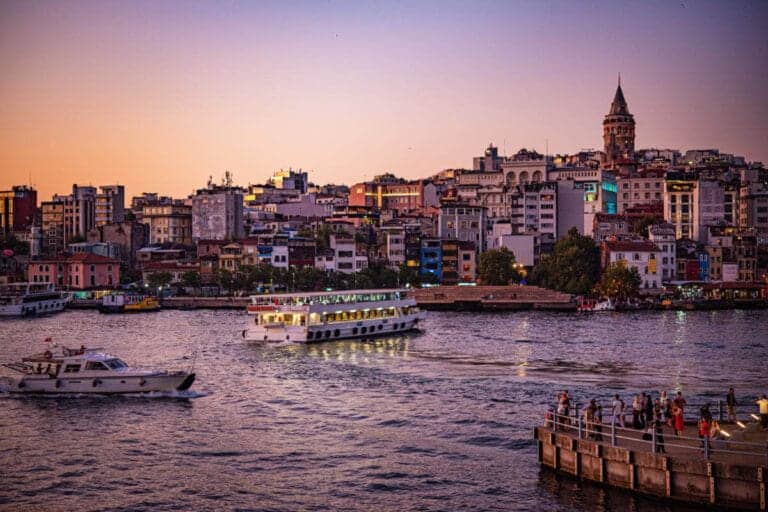
8-Day Istanbul, Cappadocia & Antalya Tour
A 8 days Historical & Cultural Tour route covering Istanbul, Cappadocia and 1 more destination.
View tour details →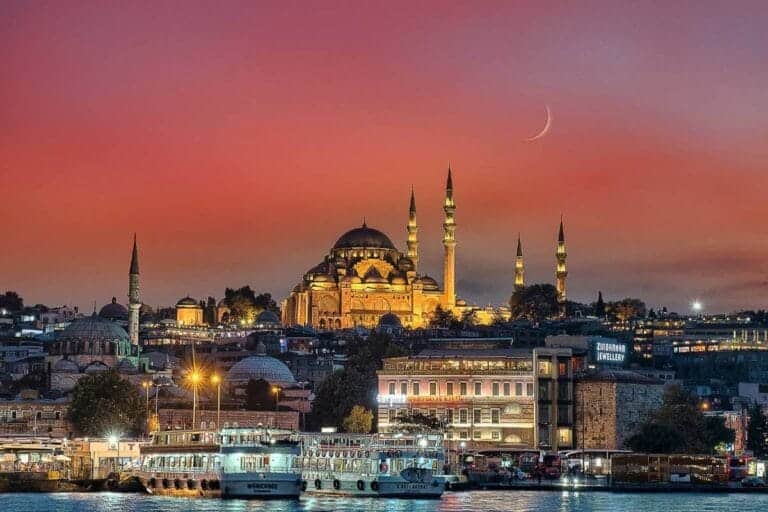
7-Day Istanbul & Cappadocia Tour with Flights
A 7 days Historical & Cultural Tour route covering Istanbul, Cappadocia.
View tour details →
5-Day Istanbul, Pamukkale & Ephesus Tour
A 5 days Cultural & Heritage Tour route covering Istanbul, Pamukkale and 1 more destination.
View tour details →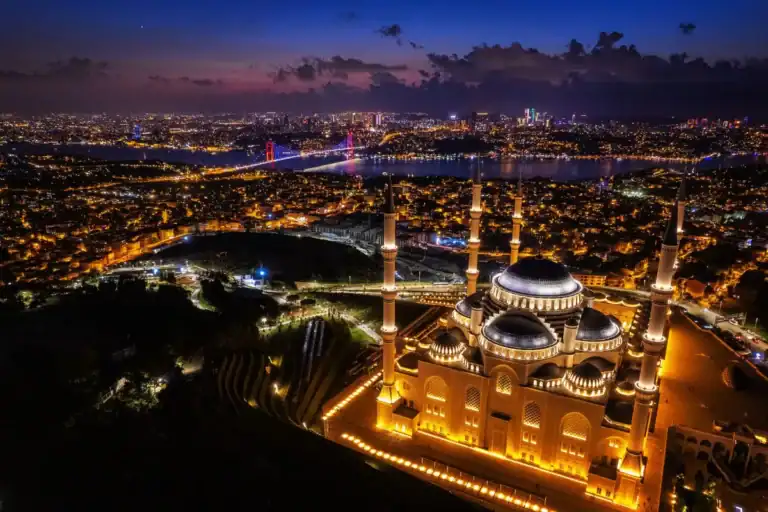
5-Day Istanbul Tour Package with Hagia Sophia and Bosphorus Cruise
A 5 days Cultural & Heritage Tour route covering Istanbul.
View tour details →Common Questions Before Visiting
Can you see Hagia Sophia and the Blue Mosque in one visit?
Yes. They stand on opposite sides of Sultanahmet Square, and most travelers can visit both in two to three hours. Allow extra time for security, shoe removal, crowds, and possible prayer-time pauses.
Which should I visit first?
Check the current access situation when you arrive and enter the site with the shorter queue or clearer visitor access first. If you prefer historical chronology, begin with Hagia Sophia and then cross the square to the Blue Mosque.
Is there a dress code for tourists?
Yes. Both are active mosques. Cover shoulders and knees, remove shoes before entering prayer areas, and carry a scarf in case a head covering is required.
Are the mosques suitable for children?
Yes, provided children are comfortable with quiet indoor spaces and respectful behavior. The open square between the buildings gives families room to pause, but strollers may be inconvenient during busy periods and at shoe-storage areas.
What else should I see nearby?
Pair the mosques with the Topkapi Palace Museum, the Grand Bazaar, or a Bosphorus cruise. For route planning, the Istanbul Travel Guide provides a useful wider-city framework.
Make the Most of Your Sultanahmet Day
Hagia Sophia and the Blue Mosque are best approached as living religious landmarks, not checkboxes on an itinerary. Arrive with flexible timing, dress appropriately, and take enough time to look beyond the domes: Byzantine marble, Ottoman tilework, changing light, prayer, and daily city life all share the same square.
If Istanbul is the first stop on a wider Turkey trip, compare the practical route options in Istanbul to Cappadocia: The Complete Travel Guide for First-Time Visitors or read Hagia Sophia vs. Blue Mosque: Key Differences Explained for a closer comparison. For help coordinating an Istanbul stay with Cappadocia, Pamukkale, Ephesus, or the coast, plan your trip with One Nation Travel.