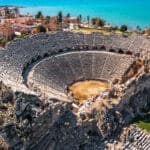

The short answer: Turkey is generally safe for American visitors who use normal travel precautions, stay current with official advisories, and keep their itinerary focused on established tourism areas. Istanbul, Cappadocia, the Aegean coast, Antalya, and Pamukkale are far from the border regions subject to stricter warnings. The practical risks for most visitors are petty theft, traffic, tourist scams, and avoidable planning mistakes—not day-to-day personal security concerns.
For Americans deciding whether to book Turkey, the key question is usually not whether to go, but how to travel comfortably and responsibly. A well-planned route, reliable transfers, sensible city habits, and a little awareness around religious customs will make a substantial difference. Turkey rewards travelers who allow enough time between stops rather than trying to cover Istanbul, Cappadocia, and the coast at a rushed pace.
What American Travelers Should Know
- Most first-time visitors concentrate on Istanbul, Cappadocia, Ephesus, Pamukkale, and Antalya—well-established tourism areas away from the Syrian and Iraqi border regions.
- Check the latest U.S. Department of State guidance before departure, enroll in STEP, and make decisions based on the current advisory rather than social media headlines.
- In cities, the most common concerns are pickpocketing, taxi misunderstandings, uneven sidewalks, traffic, and inflated prices at tourist-oriented businesses.
- Turkey is easy to enjoy independently in major cities, but guided transport can be especially useful when connecting Cappadocia, the Aegean archaeological sites, and Pamukkale.
- Dress respectfully at mosques, carry a small amount of cash, use registered transportation, and keep your passport and payment cards secure.
- Build in recovery time after international flights and do not book tight domestic connections or same-day long-distance sightseeing without confirming the logistics.
How Safe Is Turkey for Americans in Practical Terms?

Turkey is a large country, and safety conditions vary by region. Most American leisure travelers visit the western, central, and Mediterranean parts of the country, including Istanbul, Cappadocia, Ephesus, Pamukkale, and Antalya. These are long-standing visitor destinations with hotels, museums, airports or established transport links, restaurants, and experienced local tourism providers.
The U.S. Department of State has listed Türkiye at Level 2, “Exercise Increased Caution,” while advising against travel to particular areas near the Syrian and Iraqi borders. Advisory levels and regional guidance can change, so travelers should read the full country page—not just a headline—shortly before departure. The important distinction is that the areas covered by the strongest warnings are not part of the standard Istanbul–Cappadocia–Aegean–Mediterranean route.
For most visitors, everyday awareness matters more than fear. Keep valuables out of back pockets, use a crossbody bag in crowded places, avoid unlicensed transport, and do not accept a price without clarifying the currency and total cost. The same habits that make a trip smoother in Rome, Barcelona, or New York are useful in Turkey.
Where should Americans use extra caution?
Follow official guidance for southeastern border areas and avoid adding remote or restricted locations to a leisure itinerary without checking current conditions. In major cities, stay alert in crowded transit stations, nightlife districts, markets, and around popular landmarks. That includes places such as the Grand Bazaar, Spice Bazaar, and Istiklal Avenue, where crowds make it easier for opportunistic theft to occur.
Demonstrations can happen in major cities. They are usually easy to avoid if you remain flexible, keep away from crowds, and follow local instructions. Do not photograph police, military facilities, security checkpoints, or demonstrations.
Before You Leave: Documents, Advisories, and Insurance
Start with the practical foundations. Confirm passport validity, entry requirements for your nationality, airline rules, and the latest official advice before paying for non-refundable arrangements. Requirements can change, and the most reliable source is the government information current at the time of travel.
- Review the U.S. Department of State’s Türkiye country information and sign up for the Smart Traveler Enrollment Program (STEP).
- Save copies of your passport, travel insurance information, accommodation contacts, and onward flight details separately from the originals.
- Choose travel insurance that covers medical treatment, evacuation where appropriate, trip interruption, and the activities you intend to do.
- Tell your bank you will be traveling, bring more than one payment method, and keep a small amount of Turkish lira for local purchases.
- Keep your arrival transfer details readily available, especially if you land late at night or after a long international journey.
Practical tip: A trip can feel much easier when the first night is simple. Avoid scheduling a long cross-country transfer, a balloon flight, or a full-day tour immediately after an overnight international flight.
Health and emergency planning
For medical emergencies in Turkey, dial 112. It is wise to carry the contact information for the U.S. Embassy or nearest U.S. Consulate and to know how your travel insurance assistance line works before you need it. Pharmacies are common in cities and towns, but travelers who take prescription medication should bring enough for the trip in original labeled packaging.
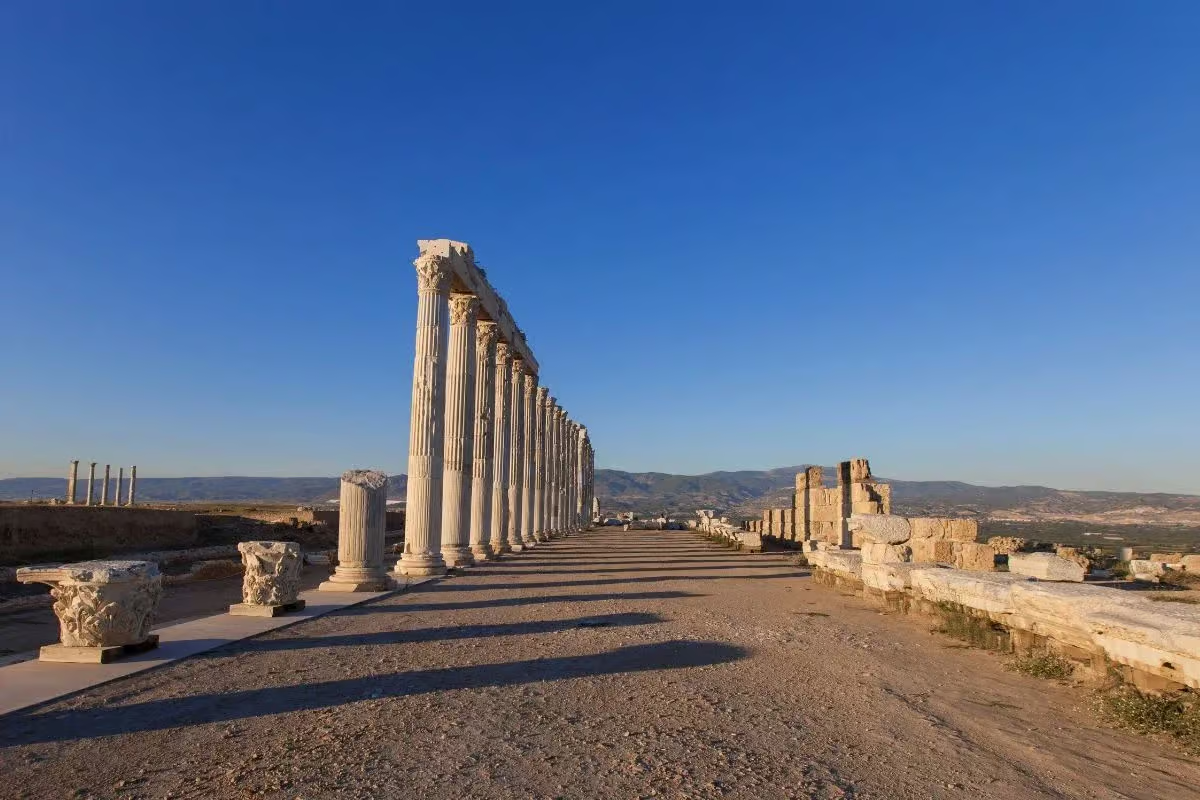
Tap water is treated in many larger cities, but many travelers prefer bottled or filtered water because taste and mineral content vary by location. Hydration matters during summer sightseeing at exposed archaeological sites such as Ephesus Ancient City and the Travertines of Pamukkale.
Staying Safe in Istanbul, on the Road, and at Major Sights
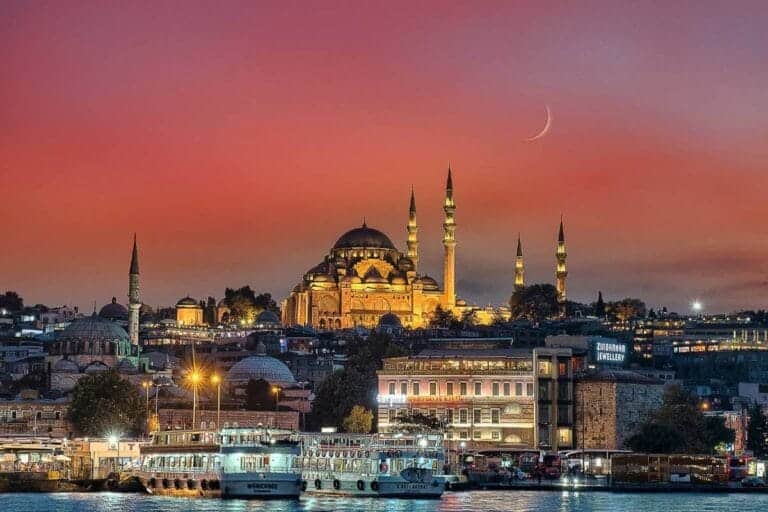
Istanbul is a huge, active city rather than a resort destination. It is generally manageable for tourists, but it deserves big-city habits: stay aware when using transit, avoid displaying expensive jewelry or large amounts of cash, and agree on transportation details before leaving. Use official taxi stands, reputable ride services where available, or prearranged transfers rather than accepting unsolicited rides.
When visiting major landmarks, allow time for security lines and dress requirements. At the Hagia Sophia Grand Mosque, the Blue Mosque, and the Süleymaniye Mosque, modest clothing is appropriate. Visitors should follow posted guidance, remove shoes where required, and be considerate during prayer times.
Transportation is often the bigger risk
Road traffic is one of the most practical safety considerations in Turkey. Pedestrian crossings, lane behavior, and driving styles may feel different from what American visitors expect. Use marked crossings, take extra care at night, and do not assume a vehicle will stop just because you have stepped into the road.
Public transportation in Istanbul—including ferries, metro lines, trams, and buses—is widely used by residents and visitors. It can be an efficient option during the day, although rush hour is crowded. For longer journeys, domestic flights can save substantial time; overnight buses can be economical but are less suitable for travelers who need reliable rest before sightseeing.
Common tourist scams to recognize
Most interactions will be straightforward, but knowing the common patterns helps you decline politely and move on:
- Unrequested assistance: A stranger offers to guide you to a bar, shop, or restaurant, then expects you to pay an inflated bill or commission.
- Taxi confusion: The driver avoids the meter or quotes one amount and requests another at arrival. Use official transport and confirm the fare method first.
- Currency misunderstandings: Check whether a quoted price is in Turkish lira, U.S. dollars, USD, or per person before agreeing.
- Distraction theft: Keep bags closed and phones secure in crowded areas, especially when someone creates an unnecessary commotion.
A firm “No, thank you” is enough. There is no need to argue, explain, or follow anyone to a different venue.
Respectful Travel Makes the Trip Easier
Turkey is modern and diverse, with different social expectations between central Istanbul, beach towns, smaller inland communities, and religious sites. Casual clothing is normal in many visitor areas, but modest dress is the considerate choice in mosques and more conservative towns. Carrying a light scarf or shawl can be useful for women entering religious sites; everyone should avoid shorts or very revealing clothing when a mosque visit is planned.
Turkish hospitality is real, but it should not be mistaken for an obligation to accept every invitation, purchase, or tour offer. Be friendly, use basic courtesies, and maintain sensible boundaries. Ask before photographing people, particularly vendors, worshippers, and families. Learn a few words such as “merhaba” (hello), “teşekkür ederim” (thank you), and “lütfen” (please); even small efforts are appreciated.
For solo travelers, the same practical rules apply: choose central accommodations, share your daily plans with someone you trust, avoid isolated walks late at night, and arrange transportation in advance if arriving after dark. Readers planning independently may also find our solo female travel in Turkey guide useful for destination-specific planning considerations.
Should You Travel Independently or Choose a Guided Route?
Turkey works well for both independent travelers and travelers who prefer coordinated touring. The right choice depends less on safety alone and more on how much time you have, how comfortable you are with changing hotels and transport, and whether you want historical context at sites that are difficult to interpret on your own.
| Travel style | Best for | Advantages | What to verify before booking |
|---|---|---|---|
| Independent city stay | Travelers spending several nights in Istanbul or one region | Flexible pacing, restaurant choice, and time for neighborhoods and museums | Airport transfer plan, hotel location, transit access, and realistic walking distances |
| Self-planned multi-city trip | Confident travelers with at least a week and room for schedule changes | More control over hotel style and how long to stay in each place | Domestic flight or bus timing, baggage rules, transfer time, and what happens if a connection is delayed |
| Guided multi-stop itinerary | First-time visitors or travelers with limited vacation time | Coordinated transport, local guiding, and less time spent managing unfamiliar logistics | Exact inclusions, hotel standards, optional activities, group size or private basis, and pickup details |
For a first Turkey trip, a sensible route is usually Istanbul plus Cappadocia, then an Aegean or Mediterranean extension if time allows. Trying to add every headline destination in four or five days often means more time in airports, on buses, or checking in and out than actually experiencing the country. Our guide to choosing five, seven, or ten days in Turkey explains the pace and cost trade-offs in more detail.
Cappadocia deserves particular planning attention. Hot-air balloon flights operate at sunrise and are weather dependent, so travelers who consider the experience a priority should schedule at least two mornings in the region where possible. A short organized Cappadocia extension can be a practical fit for visitors based in Istanbul, while a longer route suits travelers who want valleys, underground cities, and more relaxed time on the ground. Review the itinerary carefully to understand which transfers, flights, meals, activities, and entrance fees are included.
If you choose a package, One Nation Travel handles planning, booking, customer support, and coordination, while experienced local guides, drivers, and selected local providers deliver services according to the destination and itinerary. Before confirming, check the current itinerary, pickup arrangements, accommodation category, pace, and cancellation terms. For any cancellation or date change, notice must be given at least 5 days before the tour starts; non-refundable flight and bus ticket costs are deducted from the paid balance. With less than 5 days notice, or for a no-show, the full payment is non-refundable.
Choose your next step
Recommended Turkey tours
These verified options are the closest available matches for this article’s destination, route intent, and trip length.
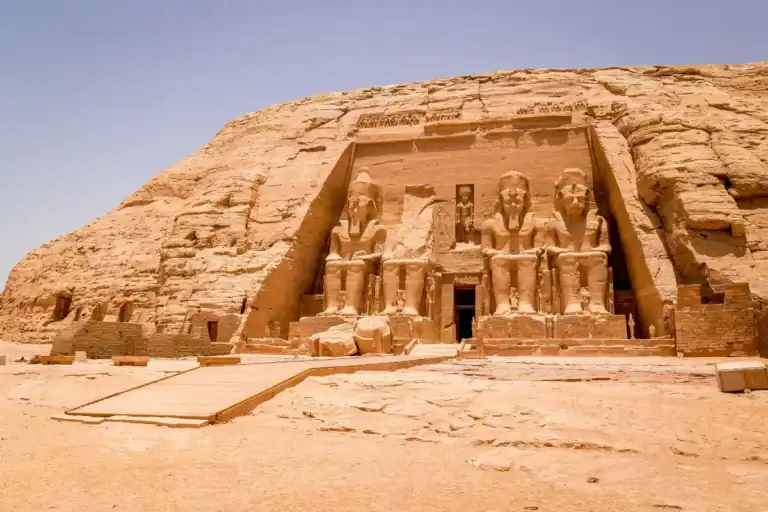
17-Day Türkiye, Egypt & Jordan Highlights Tour
A 17 days Cultural & Heritage Tour route covering Turkey, Egypt and 1 more destination.
View tour details →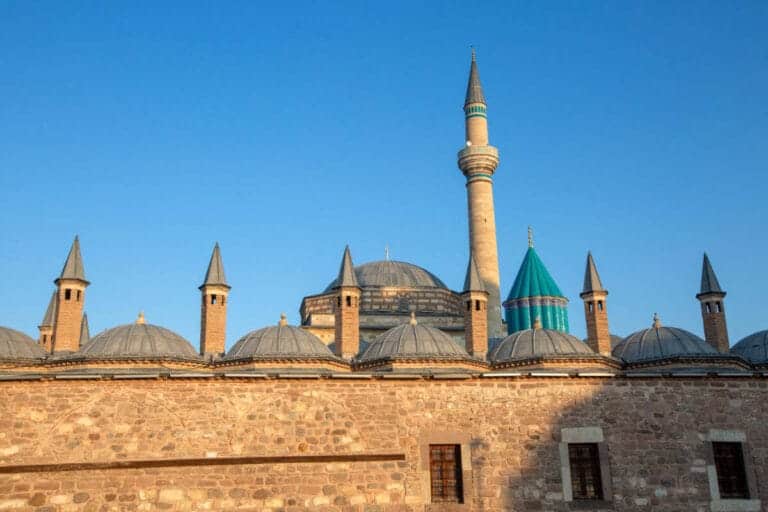
3-Day Cappadocia & Konya Tour from Istanbul
A 3 days Historical & Cultural Tour route covering Cappadocia, Konya and 1 more destination.
View tour details →
2-Day Cappadocia Adventure with Sunrise Hot Air Balloon Ride
A 2 days Historical & Cultural Tour route covering Cappadocia.
View tour details →
2-Day Cappadocia Tour from Istanbul by Plane with Hot Air Balloon
A 2 days Historical & Cultural Tour route covering Cappadocia, Istanbul.
View tour details →Questions Americans Often Ask Before Going to Turkey
Is Turkey safe for solo American travelers?
Generally, yes, particularly on established visitor routes. Solo travelers should use the same precautions they would in other major destinations: book reputable accommodation, avoid isolated areas late at night, secure valuables, and arrange late-night arrivals in advance.
Is Istanbul safe at night?
Popular central districts are active in the evening, but visitors should stay on well-lit main streets, use registered transportation after dark, and avoid walking alone through unfamiliar or quiet areas. Keep an eye on drinks and personal belongings in nightlife venues.
Can Americans use credit cards in Turkey?
Cards are widely accepted at hotels, restaurants, larger shops, and many attractions. Carry some Turkish lira for small purchases, markets, tips, and places where card terminals may not be available. Always check the amount and currency before approving payment.
What is the best time of year for a first Turkey trip?
Spring and fall are often the most comfortable periods for combining city walks, archaeological sites, and Cappadocia. Summer can be very hot at inland ruins and along the Mediterranean, while winter brings lower temperatures and the possibility of weather disruptions in some regions. See our best month for a first Turkey trip guide for seasonal trade-offs.
Travel With Awareness, Not Anxiety

Turkey remains a rewarding destination for Americans who plan thoughtfully, follow current official advice, and treat it as the large, varied country it is. Focus on the established visitor route, leave room for transfers and rest, use good judgment in crowds and traffic, and respect local customs at religious sites.
Whether you want a short Cappadocia escape or a longer route through Istanbul, Ephesus, Pamukkale, and Antalya, a clear plan makes the trip more comfortable from arrival onward. For help matching the right pace, route, and travel style to your dates, plan your Turkey trip with One Nation Travel.
Before departure, cross-check the latest advice from the U.S. Department of State and the Government of Canada travel advisory for Türkiye, as conditions and entry guidance can change.