
The practical answer: Gallipoli is best visited as a full-day battlefield experience, not a quick stop. The peninsula’s cemeteries, trenches, and memorials carry the story of the 1915 campaign from Australian, New Zealand, Turkish, and Allied perspectives. Most visitors come from Istanbul on a guided day trip, while travelers continuing south often combine Gallipoli with Troy, Pergamon, or Ephesus.
Gallipoli is for travelers who want to understand the ANZAC story where it happened, with enough time to absorb the landscape rather than simply photograph monuments. The key planning decision is whether to make a long day trip from Istanbul or build Gallipoli into a multi-day route through western Turkey.
What to Know Before You Go
- Gallipoli’s major sites are spread across the peninsula, so transport and historical context make a substantial difference to the visit.
- A day trip from Istanbul is possible, but expect a very long day; verified guided options currently run about 17 to 18 hours.
- Spring and fall are generally the most comfortable seasons for outdoor battlefield visits. April 25 is especially meaningful but requires advance planning.
- The ANZAC sector is only part of the Gallipoli story. Turkish memorials and the Dardanelles setting are essential to understanding the campaign.
- Travelers continuing toward the Aegean coast should consider combining Gallipoli with Troy, Pergamon, or Ephesus rather than returning to Istanbul.
- Wear proper walking shoes, bring layers, and treat cemeteries and memorials as active places of remembrance.
Where Is Gallipoli and Why Does It Matter?
The Gallipoli Peninsula lies in northwestern Turkey beside the Dardanelles Strait. This narrow waterway was strategically important during World War I because control of it could have opened a sea route toward Constantinople, now Istanbul, and Russia.
In 1915, Allied forces attempted to force the Dardanelles and land on the peninsula. The campaign became a long, costly stalemate fought across difficult ridges, gullies, beaches, and trench lines. Allied troops withdrew in January 1916, but the campaign left an enduring legacy for Australia, New Zealand, Turkey, Britain, Ireland, France, India, Newfoundland, and other participating nations.
For Australians and New Zealanders, Gallipoli is closely connected to the formation of national identity through the ANZAC story. For Turkey, it is a defining account of defense, loss, and leadership during the final years of the Ottoman Empire. A thoughtful visit holds these perspectives together rather than reducing the peninsula to one national narrative.
Understanding the ANZAC Story at Gallipoli
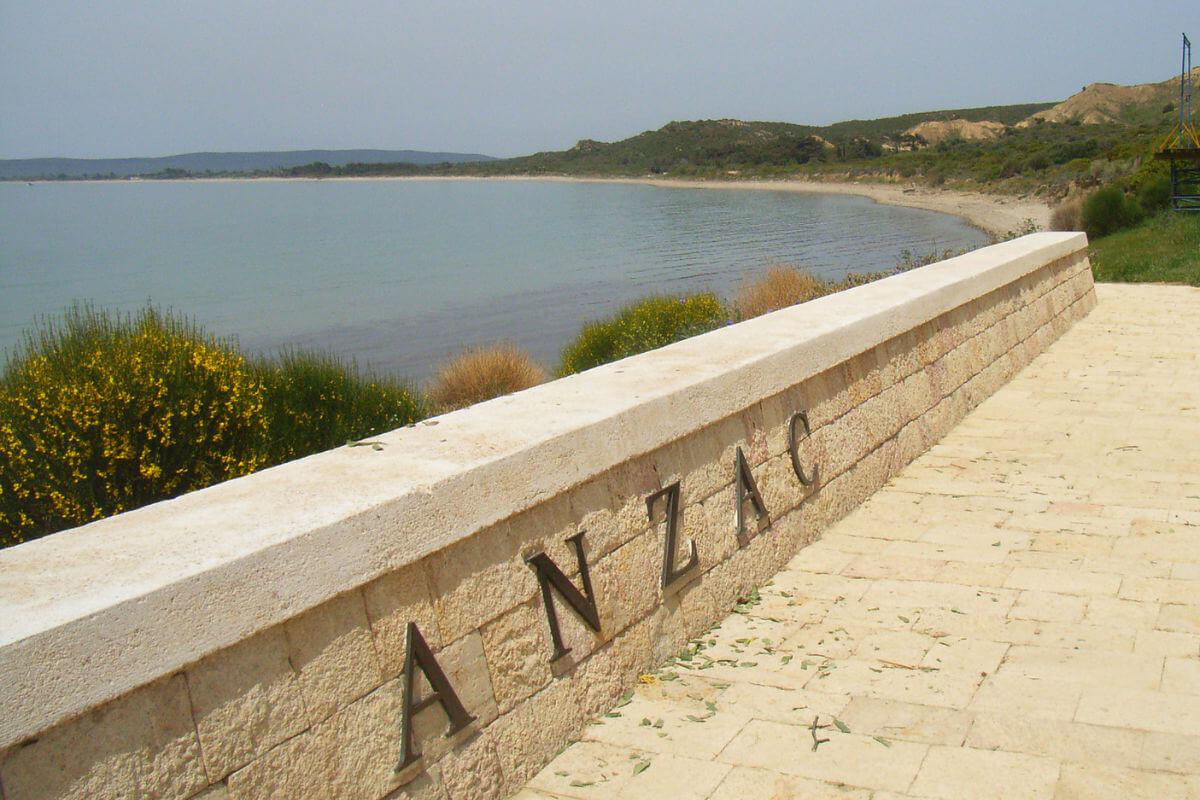
ANZAC stands for Australian and New Zealand Army Corps. On April 25, 1915, ANZAC troops landed on the coast now known as Gallipoli. The landing force faced steep terrain, navigational difficulties, and determined Ottoman resistance. What was expected to become a rapid advance instead developed into months of trench warfare.
The physical terrain explains much of what words alone cannot. From the shoreline, visitors can see how quickly the land rises into ridges and ravines. At battlefield stops, a knowledgeable guide can help distinguish the sequence of events, the positions held by opposing forces, and the human scale behind the memorial inscriptions.
Gallipoli is also a place of reconciliation. The former opponents’ dead are commemorated across the same peninsula, often only a short drive apart. Visitors should approach each site with care, whether it is an Allied cemetery, an Australian memorial, a New Zealand memorial, or a Turkish monument.
Essential Gallipoli Battlefields, Cemeteries, and Memorials
It is difficult to see every Gallipoli site in one visit, but most first-time visitors should prioritize the locations that explain the ANZAC landings, the trench fighting, and the Turkish defense of the peninsula.
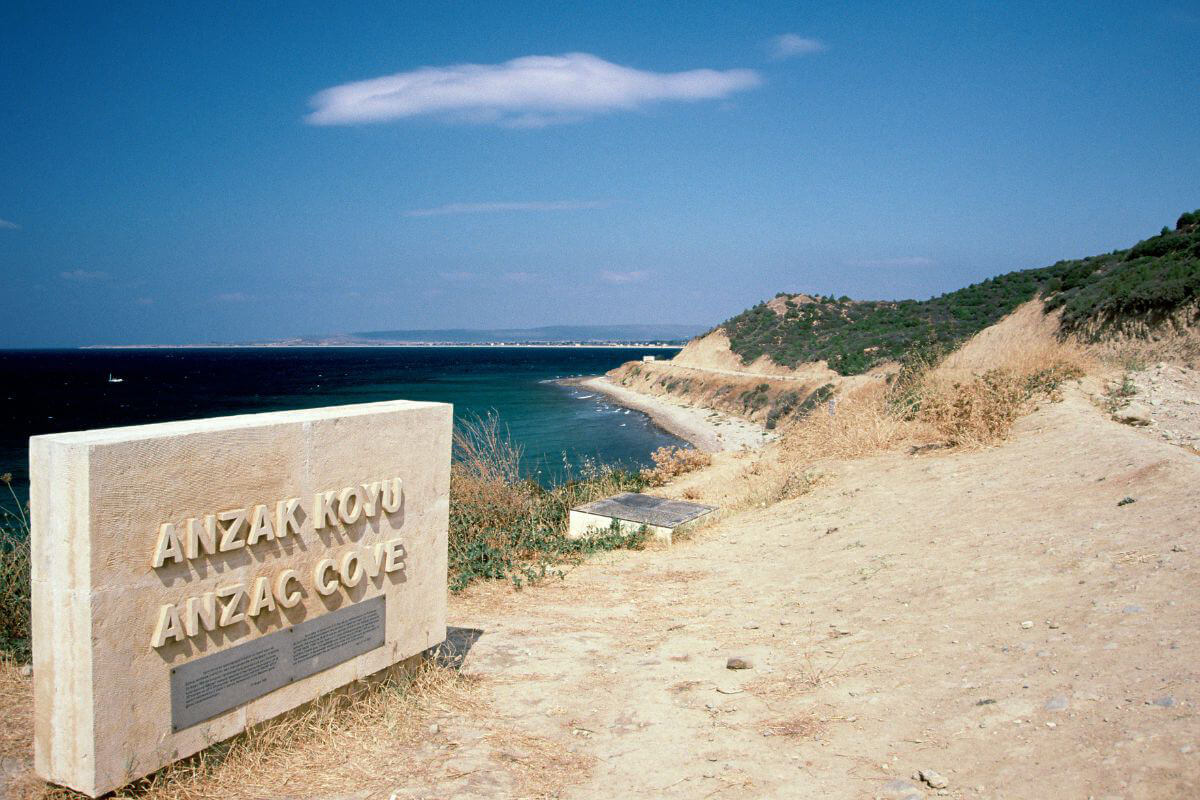
- ANZAC Cove — The coastal area associated with the April 25, 1915 ANZAC landing. It is a powerful starting point for understanding the geography of the campaign.
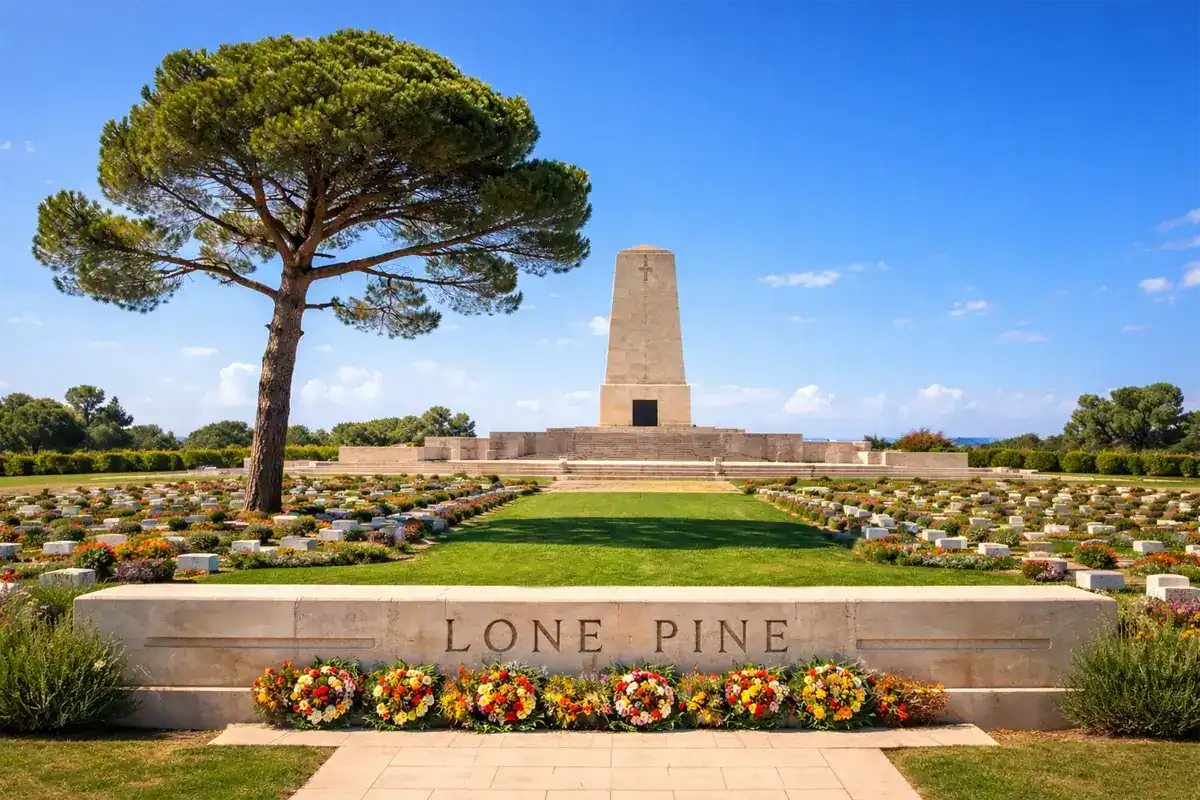
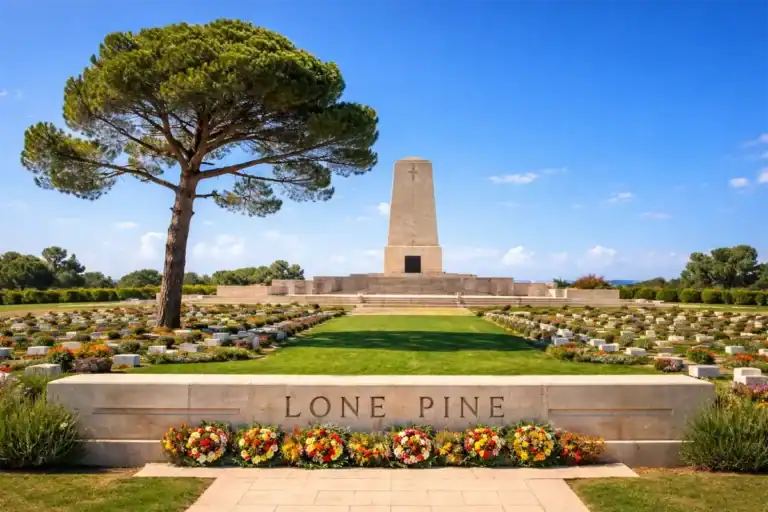
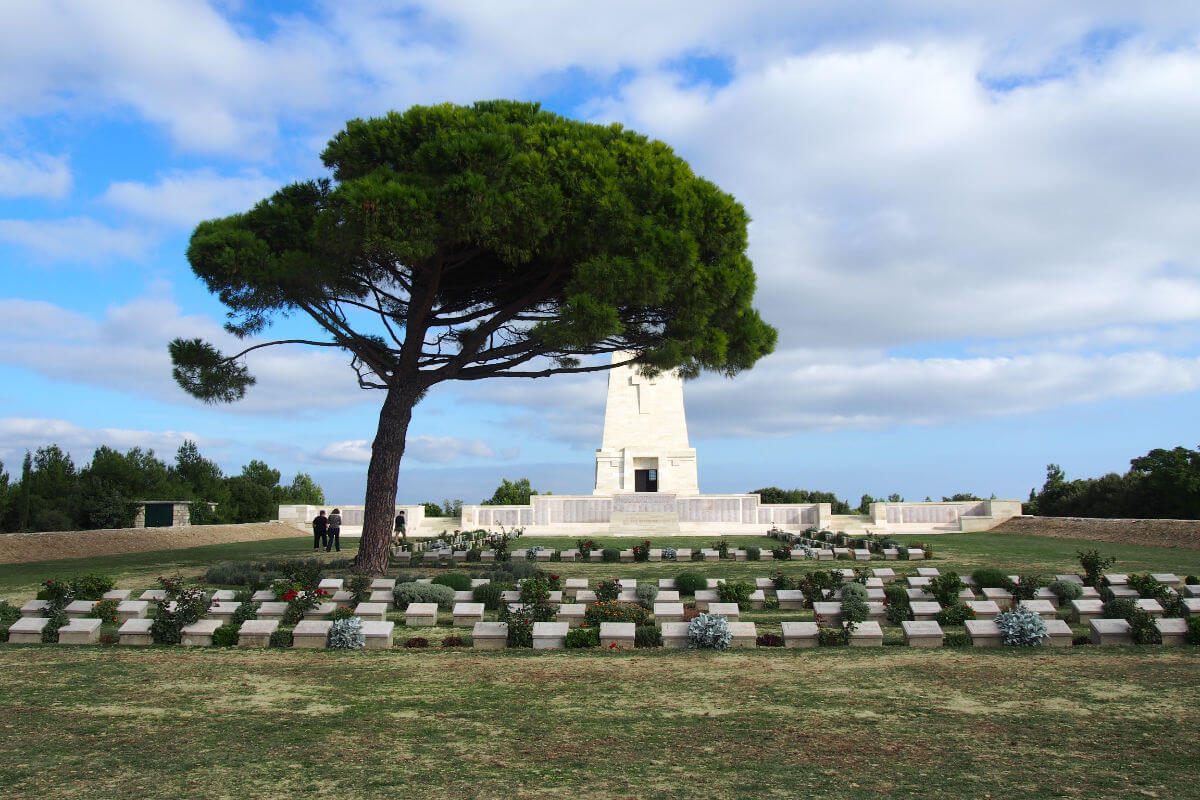
- Lone Pine Monument — An important Australian memorial and battlefield site connected with the August Offensive.
- Johnston’s Jolly — Known for its preserved trench lines, offering a clear sense of how close opposing positions could be.
- The Nek — A narrow ridge remembered for one of the campaign’s most devastating assaults.
- Chunuk Bair — A major New Zealand site on higher ground, central to the August fighting and the attempt to break the stalemate.
- 57th Regiment Turkish Memorial — A key Turkish memorial associated with the Ottoman defense during the early ANZAC landings.
- Beach Cemetery and Ari Burnu Cemetery — Commonwealth war cemeteries where the individual names, ages, and inscriptions often make the losses feel immediate.
Travel-advisor tip: Don’t rush from plaque to plaque. At one or two sites, pause long enough to look at the slope, coastline, and distance between positions. The landscape is one of the clearest explanations of why the campaign unfolded as it did.
How Much Time Do You Need at Gallipoli?
For most visitors, a full day is the minimum worthwhile commitment. The main ANZAC battlefields are not concentrated in a walkable town center, and the experience depends on moving between coastal and ridge-top locations. A half-day visit from nearby Çanakkale or Eceabat can cover selected sites, but it will be more selective.
| Travel Style | Best For | What to Expect |
|---|---|---|
| Day trip from Istanbul | Short Istanbul stays and travelers focused on ANZAC history | A long road day with a concentrated battlefield visit and a return to Istanbul. |
| Half-day from Çanakkale or Eceabat | Independent travelers already staying near the Dardanelles | A more focused route through selected memorials and battlefields. |
| Two- or three-day western Turkey route | Travelers continuing toward the Aegean coast | Combines Gallipoli with ancient sites such as Troy, Pergamon, and Ephesus without backtracking. |
A full-day trip from Istanbul is often the right choice if Gallipoli is a priority and your itinerary is otherwise centered on Istanbul. If you have more time, a southbound route is usually more efficient. For a realistic overview of road logistics, ferry considerations, and why return timing matters, see how to travel from Istanbul to Gallipoli, including real costs and common timing traps.
When Is the Best Time to Visit Gallipoli?
April through June and September through October are generally the most comfortable periods for a Gallipoli visit. The weather is often better suited to walking outdoors than the hotter summer months, and the peninsula can be especially exposed to wind.
ANZAC Day: April 25
ANZAC Day is the most significant date on the Gallipoli calendar. The commemorations are deeply meaningful for many Australians and New Zealanders, but they also require more planning than a standard visit. Accommodation, transport arrangements, registration requirements, security procedures, access rules, and timing can change from year to year. Confirm official event arrangements well before making non-refundable travel commitments.
Summer and Winter Considerations
Summer can be hot, particularly when standing in open memorial areas with limited shade. Carry water, sun protection, and a hat. Winter can be cold, wet, and windy, especially on the ridges. It can still be a moving time to visit, but travelers should dress in layers and expect weather to affect comfort more than the historical experience.
Getting to Gallipoli From Istanbul
Most international visitors begin in Istanbul, then travel by road toward the Dardanelles. A guided itinerary removes the practical work of coordinating pickup timing, road travel, crossing arrangements where applicable, local route planning, and the order of battlefield stops.
Independent travel is possible, especially for travelers comfortable with rental cars, Turkish road conditions, and local navigation. However, a self-drive visit can be less rewarding if you arrive without enough background on what happened at each site. The memorial landscape is quiet and restrained; many locations have limited on-site interpretation compared with a large museum.
Travelers with only one available day should choose a tour that clearly states its departure point, expected duration, key battlefield stops, meal arrangements, and return plan. The verified Gallipoli Day Trip from Istanbul is listed at 18 hours and from USD 148, making it a practical option for travelers who want a guided return trip from Istanbul. Starting prices can change, so check the tour page before booking.
How to Plan a Respectful and Comfortable Visit
- Wear stable footwear. Paths, slopes, gravel, and uneven ground are common around battlefield sites.
- Bring layers. Conditions can feel noticeably different on exposed ridges than near the coast.
- Carry water and sun protection. Do not rely on every memorial stop having shops or shade.
- Keep voices low at cemeteries. These are burial grounds and places of active remembrance, not simply outdoor attractions.
- Use photography thoughtfully. Photos are generally part of a visit, but avoid intrusive behavior around services, graves, and other mourners.
- Allow emotional space. Some travelers find the cemeteries, personal inscriptions, and casualty records more affecting than expected.
Families with older children and teenagers often find Gallipoli educational when the visit is framed around geography, decision-making, and the human consequences of war. For younger children, the long travel day from Istanbul and the solemn subject matter may be less suitable.
Which Gallipoli Tour Style Fits Your Itinerary?
Choose a same-day return from Istanbul if time is limited
This is the simplest option for travelers spending several nights in Istanbul and who do not want to change hotels. It suits visitors whose main goal is the ANZAC battlefields and memorials. The trade-off is the length of the day: the journey is substantial, so this is not the best choice for travelers who dislike early starts or extended road travel.
Choose a tour from Çanakkale or Eceabat if you are already nearby
A locally starting visit gives you more breathing room and avoids the Istanbul return journey. The Gallipoli Tour from Canakkale / Eceabat is listed as a five-hour option from USD 110. It can be a sensible fit if you have arranged your own overnight stay near the Dardanelles and want a focused battlefield route.
Choose a multi-day route if Gallipoli is part of a larger Turkey trip
Travelers heading south should avoid unnecessary backtracking. A two-day itinerary combining Gallipoli with the Ancient City of Troy and Pergamon is a good fit for travelers continuing to Kusadasi or Izmir. Those with an additional day can combine battlefield history with the major classical sites around Ephesus. The 3-Day Gallipoli, Troy, Pergamon and Ephesus Tour from Istanbul is listed from USD 628 and offers that broader route logic.
What to verify before booking
Confirm the departure city, pickup point, estimated end point, whether the itinerary returns to Istanbul or continues toward Izmir/Kusadasi, the main battlefields included, and any accommodation or meal details stated on the booking page. For a private visit, ask how much flexibility is available for family research, specific cemeteries, mobility needs, or longer pauses at memorials.
If you need to cancel or change dates, notice must be given at least 5 days before the tour starts; non-refundable flight and bus ticket costs are deducted from the paid balance; with less than 5 days notice, or for a no-show, the full payment is non-refundable.
Choose your next step
Recommended Gallipoli tours
These verified options are the closest available matches for this article’s destination, route intent, and trip length.
Gallipoli Day Trip from Istanbul
A 18 hours Cultural & Heritage Tour route covering Gallipoli, Istanbul.
View tour details →
2-Day Gallipoli, Troy & Pergamon Tour (starts from Istanbul and ends in Kusadasi/Izmir)
A 2 days Cultural & Heritage Tour route covering Gallipoli, Troy and 2 more destinations.
View tour details →
3-Day Gallipoli, Troy, Pergamon and Ephesus Tour from Istanbul
A 3 days Cultural & Heritage Tour route covering Gallipoli, Troy and 2 more destinations.
View tour details →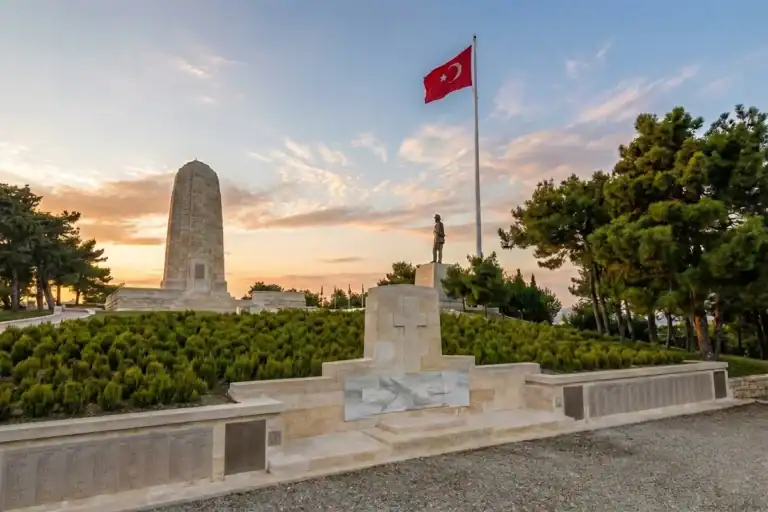
Gallipoli Tour from Canakkale / Eceabat
A 5 hours Gallipoli Tours route covering Gallipoli.
View tour details →Common Gallipoli Travel Questions
Can I visit Gallipoli independently?
Yes. Independent travel works best for travelers staying in Çanakkale or Eceabat, using a rental car or prearranged local transport. A guide is especially valuable on a first visit because many battlefield sites need historical explanation to make sense of the landscape.
Is one day enough for Gallipoli?
One full day is enough to see the principal ANZAC battlefields, cemeteries, and memorials. It is enough for a meaningful first visit, but not for every cemetery, museum, or sector of the wider campaign.
Can Gallipoli and Troy be visited together?
Yes. They are commonly paired on a two-day or longer western Turkey route. It is a particularly efficient choice if you plan to continue toward Pergamon, Selçuk, or Ephesus rather than return directly to Istanbul.
Is Gallipoli suitable for travelers with limited mobility?
Many major memorial areas can be viewed with limited walking, but terrain and access vary by site. Ask about vehicle access, walking distances, steps, and the ability to adjust the pace before reserving a tour.
Make Gallipoli Part of a Thoughtful Turkey Itinerary
Gallipoli deserves more than a rushed stop between destinations. Whether you visit on a long day from Istanbul or continue south through Troy and the Aegean region, give the battlefield landscape enough time and context to speak for itself.
For broader route planning, see the Complete Turkey Travel Guide, practical Turkey travel tips, and comparison of group and private tours in Turkey. When you are ready to match Gallipoli with the right pace, route, and travel style, plan your Turkey trip with One Nation Travel.