
Most travelers treat Amman as a one-night airport stop before rushing south to Petra — and I understand why, because my home in the desert pulls hard. But after years of guiding Americans through Jordan, I’ll tell you plainly: give Amman a full day and one slow evening, and you’ll understand the rest of the country better. The best way to experience Amman is to spend the morning at the Citadel and Roman Theatre, the late afternoon in the cafés of Rainbow Street, and your meals wherever the smell of garlic and grilled meat pulls you off the main road.
This guide is the version I give my own guests over mint tea before we head to Petra and Wadi Rum — practical, honest, and shaped by a Bedouin’s habit of noticing small things.
📋 Quick Facts
| Best Time to Visit | March–May and September–November |
| Time Needed | 1 full day, plus 1 evening |
| Difficulty | Easy, but very hilly — comfortable shoes matter |
| Must-Bring | Light scarf, cash for taxis, modest layers for mosques |
📊 Best Times to Visit
| Time | Crowd Level | Tip |
|---|---|---|
| Early Morning (7-9 AM) | 🟢 Low | Start at the Citadel before tour buses arrive and the hilltop heat builds. |
| Midday (11 AM-2 PM) | 🔴 High | Downtown souks and the Roman Theatre fill up — escape into a shaded café for lunch. |
| Late Afternoon (4-6 PM) | 🟡 Medium | Rainbow Street comes alive as the light softens — perfect for slow walking. |
Is Amman Worth Visiting Before Petra and Wadi Rum?
Yes — and not as an afterthought. Amman is where you adjust to Jordan’s rhythm: the call to prayer rolling across seven hills, the slow ceremony of pouring coffee, the way strangers insist you sit and eat. I tell my guests that skipping Amman entirely is like meeting someone and refusing to learn their name. You can still travel with them, but you’ve missed the introduction.
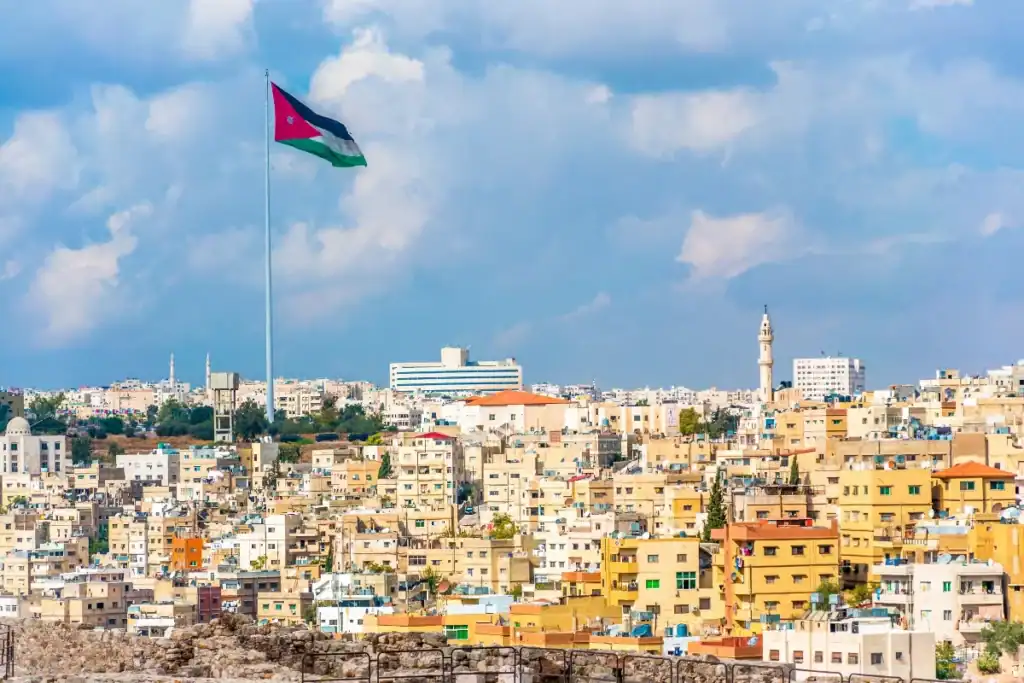
The city carries layers most people don’t expect. Roman ruins sit beside Umayyad palaces, which sit beside modern art galleries. A single afternoon walking between them tells you more about this region’s history than any guidebook chapter. For a fuller sense of how Amman fits into a longer trip, my colleagues’ guide to Jordan tours from the USA lays out how the capital connects to the desert south.
Laila’s Secret
Don’t take the main road up to the Citadel. Climb the old stone staircases that thread between houses in the Jabal al-Qal’a neighborhood instead. You’ll pass open doorways where families are cooking, hear children playing, and arrive at the ruins through the back of real Amman — not the parking lot. I learned these stairs from a falafel seller who let me skip his queue because I asked about his grandmother’s village.
What Are the Best Things to Do in Amman?
Amman rewards travelers who walk slowly and look up. Here’s the order I actually use with my own groups, built around heat, light, and crowds rather than a checklist.
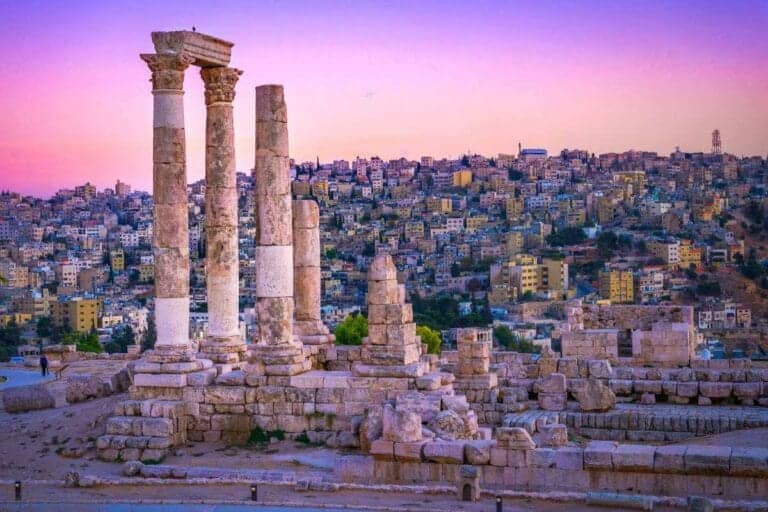
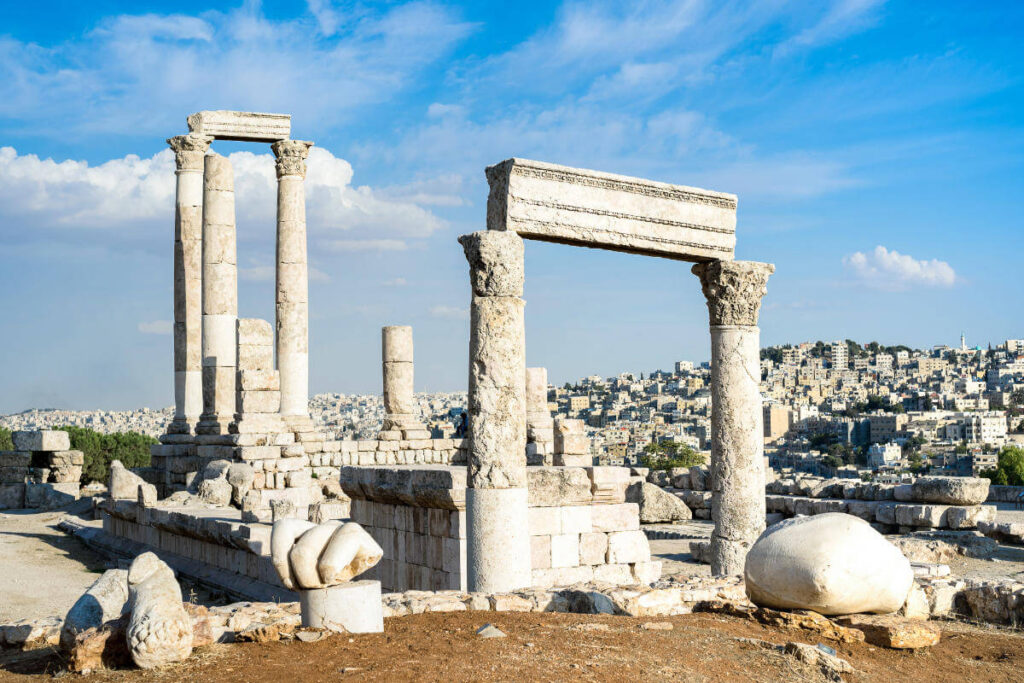
- The Citadel (Jabal al-Qal’a) — Start here at opening. The Temple of Hercules columns and the Umayyad Palace dome frame the entire city below. Morning light is kindest for photos and your patience.
- The Roman Theatre — Carved into the hillside and still used for events, this 6,000-seat amphitheatre is downtown’s anchor. Climb to the top row; the acoustics will surprise you.
- Downtown souks (Al-Balad) — Spice mounds, gold shops, and the rhythmic clatter of the fruit market. This is where you buy za’atar to take home.
- Rainbow Street and Jabal Amman — The city’s café and gallery heart. Late afternoon is the time to linger.
- The King Abdullah I Mosque — Its blue dome is visible across the city. Dress modestly; women are given robes at the entrance.
If you have a second half-day, drive thirty minutes to nearby Jerash, one of the best-preserved Roman provincial cities anywhere. Many of my guests rank its colonnaded streets above sights they paid far more to see elsewhere.

Local Flavor Alert
You cannot leave Amman without eating mansaf — lamb cooked in fermented dried yogurt (jameed) over rice and flatbread, our national dish and the centerpiece of every Bedouin celebration. For something quicker, find Hashem in the downtown alleys: a no-frills falafel and hummus institution where Jordanians, taxi drivers, and even royalty have eaten on plastic stools. A full plate costs less than a coffee back home. Tear bread, scoop, repeat — and accept the second helping they’ll push toward you.
How Many Days Do You Need in Amman?
One full day covers the essentials; two days lets you breathe and add Jerash or the Dead Sea. I rarely recommend more than two unless you genuinely love city wandering, because Jordan’s soul lives south of the capital. The smartest itineraries treat Amman as a confident opening chapter, then push toward the desert.
A common shape my guests follow: one day in Amman, a morning at Madaba and Mount Nebo for the famous mosaics and the view over the Promised Land, then down to the Dead Sea before continuing to Petra. This is roughly the spine of our 6-Day Highlights of Jordan tour.
Pro Tip
Buy the Jordan Pass before you arrive. It bundles your tourist visa fee with entry to over 40 sites — including the Amman Citadel, Jerash, and Petra — and it waives the visa cost entirely if you stay at least three nights. For a multi-stop trip, it pays for itself before you reach the desert.
Where Should You Stay and Eat in Amman?
For first-time visitors, base yourself in Jabal Amman near Rainbow Street. You’ll be walking distance from cafés, galleries, and a short taxi ride from downtown. It feels safe, residential, and alive at night without being loud. Avoid the far western suburbs unless you have a specific reason — they’re polished but soulless, and you’ll spend your evenings in traffic.
For eating, follow two rules I swear by: eat where families eat, and never refuse the first cup of coffee. Beyond mansaf and Hashem’s hummus, seek out knafeh — warm cheese pastry soaked in syrup and crowned with crushed pistachio. Habibah, near the downtown stairs, has been making it for generations, and the lunchtime line moves fast.
Price Alert (2026)
A street-food meal (falafel, hummus, bread) runs about 2–4 JOD. A sit-down dinner with mezze is roughly 12–20 JOD per person. Citadel entry is around 3 JOD (free with the Jordan Pass), and Jerash is about 12 JOD. Airport taxis into the city are fixed — confirm the rate before you get in, and carry small dinars, as drivers rarely break large notes.
🗺 Suggested Route
Morning: Climb the Jabal al-Qal’a stairs to the Citadel (1.5 hrs). Walk down to the Roman Theatre (15 min downhill) and explore the downtown souks (1 hr). Lunch at Hashem. Afternoon: Taxi up to Rainbow Street (10 min), wander the galleries and cafés. Evening: dinner of mansaf in Jabal Amman. Optional next morning: drive to Jerash (50 min north) before heading toward the Dead Sea and Petra.
That single day sets the tone for everything that follows. By the time you reach my desert, you’ll already greet people with “ahlan wa sahlan” and mean it.
About Laila — The Desert Nomad Guide
This article was written by our Petra / Wadi Rum, Jordan local expert, Laila. A warm female guide with Bedouin hospitality running through her veins. Expert in Petra and Wadi Rum, she weaves desert adventures with cultural insights and personal warmth. She whispers Petra’s crowd-escape routes and Bedouin hospitality secrets in a warm, intimate tone.
✈ Recommended Tour
Want Amman as the gateway to the real Jordan? Our 8 Day Jordan Tour Package opens in the capital, then carries you south to Petra’s rose-red canyons, the silence of Wadi Rum, and a float in the Dead Sea — the full arc I’d plan for my own family’s first visit.
Frequently Asked Questions
Is Amman safe for American travelers?
Yes. Amman is one of the calmest, friendliest capitals in the region, and solo travelers — including women — generally feel comfortable. Use normal city sense, dress modestly near mosques, and you’ll be met with genuine warmth rather than hustle.
How do I get from Amman to Petra?
It’s about a three-hour drive south via the Desert Highway, or longer and more scenic on the King’s Highway through Madaba and Karak. Most travelers go by private driver or as part of a guided tour, since public buses are infrequent and inconvenient with luggage.
What is the best time of year to visit Amman?
Spring (March–May) and autumn (September–November) offer warm days and cool evenings. Summer is hot and dry; winter can be surprisingly cold with occasional rain, so pack layers if you visit between December and February.
Do I need to know Arabic to get around?
No. English is widely spoken in hotels, restaurants, and among taxi drivers and guides. Learning a few greetings like “shukran” (thank you) earns warm smiles, but you’ll manage easily without it.
Can I do a day trip to the Dead Sea from Amman?
Absolutely — it’s about an hour’s drive. Many travelers combine it with Madaba and Mount Nebo for a full, rewarding day before continuing south toward Petra.