
The practical answer: the best Cappadocia–Egypt–Petra trip gives each country enough time to feel distinct: Turkey for landscapes and cities, Egypt for the pyramids and Nile Valley, and Jordan for Petra, Wadi Rum, and the Dead Sea. Plan 15–20 days if you want the major highlights without turning the trip into a chain of rushed flights and one-night stops.
This route is for travelers who want more than a checklist of famous landmarks. The big decision is pace: a shorter itinerary can cover Istanbul, Cappadocia, Cairo, Luxor, Petra, and the Dead Sea, but adding a Nile cruise, Wadi Rum overnight, or extra Turkish stops requires more time. A well-sequenced multi-country tour can simplify hotels, internal transport, guiding, and border logistics while still leaving room to experience each place properly.
What to Know Before Planning This Route
- Allow 15–20 days for Turkey, Egypt, and Jordan if you want Cappadocia, Cairo, Luxor or a Nile itinerary, Petra, and the Dead Sea without excessive backtracking.
- Egypt needs the largest share of sightseeing time. Cairo and Giza are only the beginning; Luxor, Aswan, and the Nile temples add the depth many first-time visitors expect.
- Spring and fall are usually the most comfortable seasons for a three-country itinerary, while summer heat can make Egypt and Jordan’s outdoor sites more demanding.
- Flights and border arrangements shape the route. Check the exact arrival city, internal-flight plan, baggage allowance, transfer timing, and visa requirements before committing.
- Starting prices are not total trip budgets. International airfare, optional experiences, meals, visa costs, tips, and travel insurance may affect the final amount.
Why This Three-Country Route Works
Turkey, Egypt, and Jordan make sense together because each delivers a different kind of travel day. Turkey offers dramatic geology, Ottoman and Byzantine heritage, and lively city life. Egypt brings the scale of the pharaohs, from the Pyramids of Giza to the temples lining the Nile. Jordan adds a more compact finale built around Petra, desert scenery, and the Dead Sea.
The route is strongest when it is treated as a sequence of contrasts rather than a race to collect landmarks. Cappadocia’s quiet valleys feel very different from Cairo’s traffic and energy. Luxor rewards early starts and focused sightseeing. Petra is not a quick photo stop: the walk through the Siq, the Treasury area, and higher trails can easily fill a long day.
For travelers coming from North America, the order may vary according to international flight availability and local operating schedules. Don’t choose an itinerary based on the country order alone. Look at the number of hotel nights in each stop, whether domestic flights are included, and whether transfer days are being presented as sightseeing days.
How much time should you allow?
| Trip length | Best for | What to expect |
|---|---|---|
| 12–14 days | Travelers with limited vacation time | A highlights-focused route, usually requiring several internal flights and careful pacing. You may need to choose between broader Turkey coverage and more time in Egypt. |
| 15–17 days | Most first-time visitors | Enough time for Istanbul, Cappadocia, Cairo, Luxor or a Nile segment, Petra, and the Dead Sea, with fewer rushed transitions. |
| 18–20 days | Travelers who prefer a slower pace | More time for Ephesus or Pamukkale in Turkey, a fuller Nile experience, Wadi Rum, or recovery time after long sightseeing days. |
If Egypt is the central reason for the trip, consider giving it at least a week. Our practical guide to how many days to spend in Egypt explains what is realistic for short stays and longer Nile-focused routes.
Turkey: Start with Cappadocia, Then Choose Your Depth
Turkey often provides the easiest visual opening to this itinerary. In Cappadocia, volcanic landscapes, cave churches, underground settlements, and carved valleys create a setting that feels entirely different from the archaeological cities to come. A sunrise balloon flight is a popular optional experience, but it is weather-dependent; travelers should not schedule it for the morning before a non-flexible flight.
Give Cappadocia at least two nights if possible. That creates room for a valley tour or underground city visit as well as a second balloon opportunity if conditions cancel the first morning. For a more detailed first-visit plan, see this practical Cappadocia trip plan.
Istanbul and western Turkey: worthwhile additions, not mandatory detours
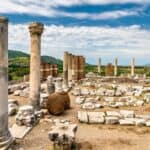
Istanbul works especially well as an arrival or departure city, with major landmarks, neighborhoods, and easy flight connections. Travelers with more time can continue toward Ephesus and the Aegean coast. The Ephesus Ancient Greek Theatre is a compelling stop for travelers interested in Roman history, early Christianity, or ancient urban life.
The planning mistake is trying to include Istanbul, Cappadocia, Ephesus, Pamukkale, Antalya, and Egypt in a short itinerary. Select the Turkish stops that matter most, then protect time for Egypt rather than converting the trip into repeated airport transfers.
Egypt: Give the Pyramids and the Nile Their Due
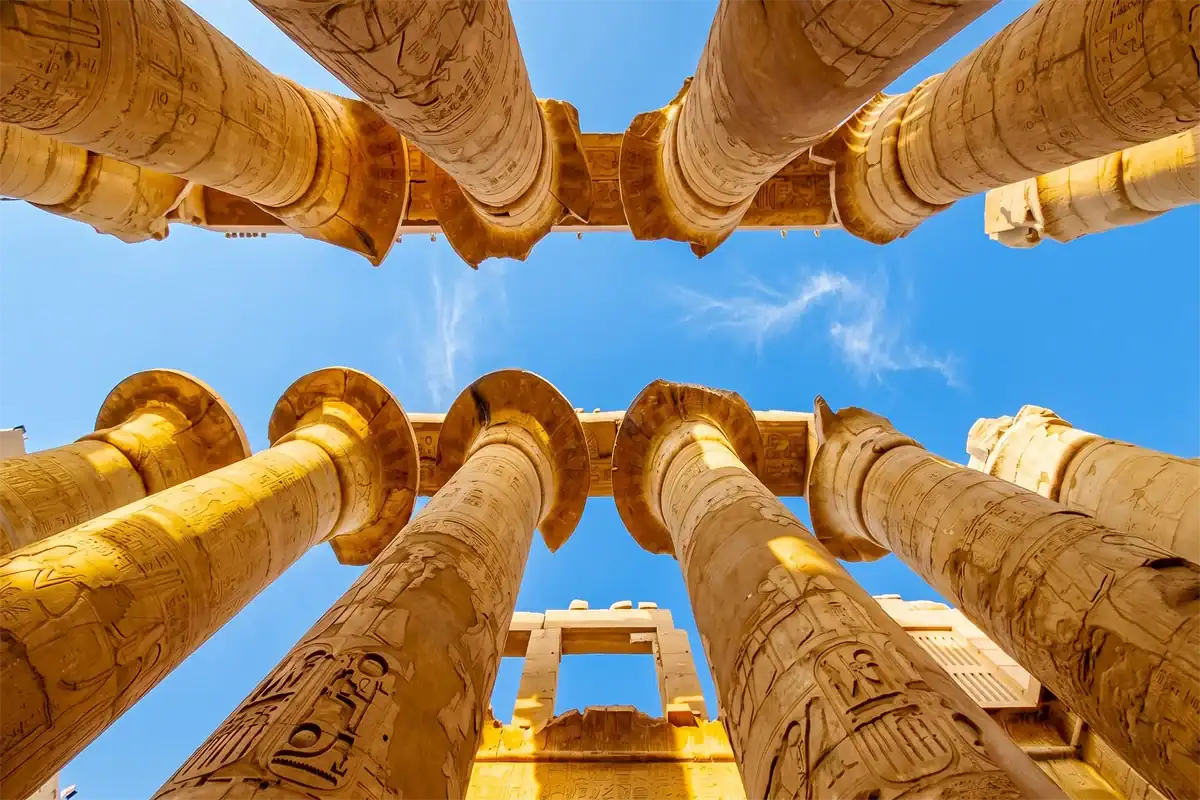
Egypt is the anchor of this route. Cairo introduces the ancient world on an enormous scale, but Luxor and Aswan explain how broad that world really was. The most satisfying Egypt programs combine time around Giza with a focused Nile Valley segment instead of treating the pyramids as the entire destination.
Cairo and Giza: plan for more than one landmark
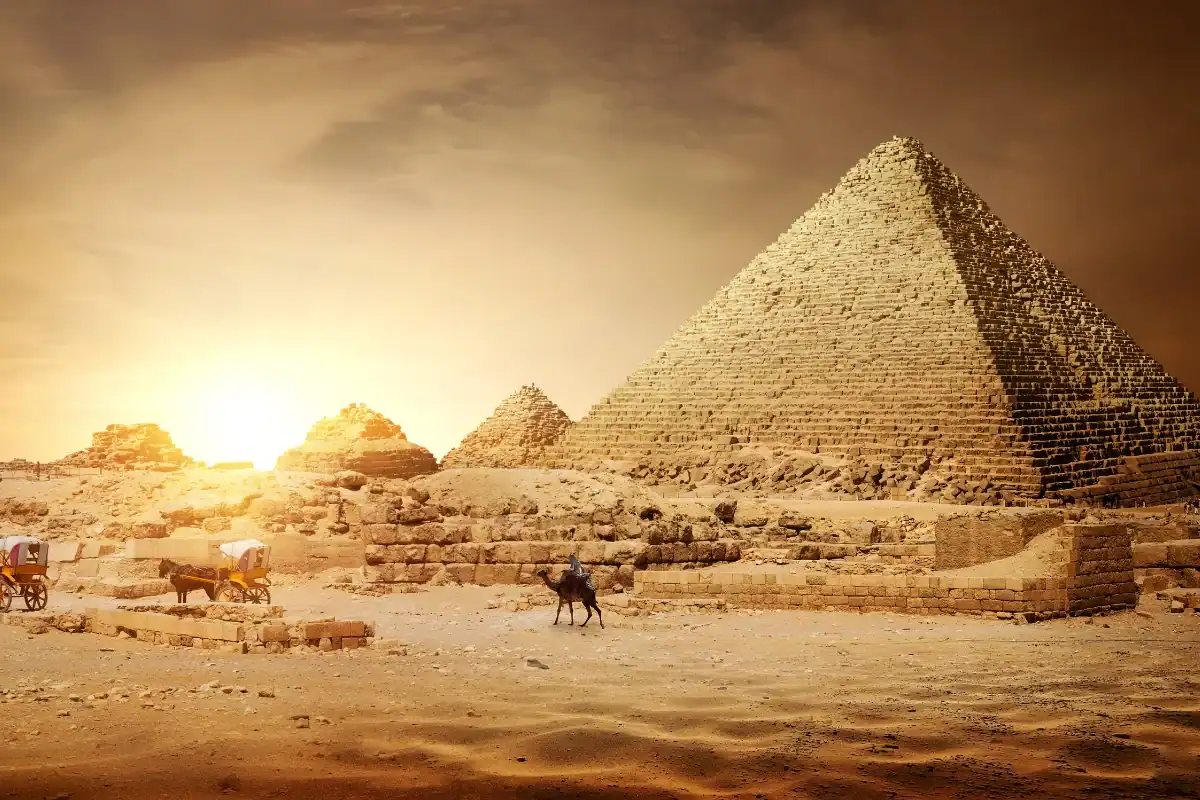
The Giza plateau is where travelers meet the Great Pyramid of Cheops, the Pyramid of Chephren, the Pyramid of Menkaure, and the Great Sphinx. Start early where possible: the site is exposed, walking takes longer than expected, and the heat can build quickly.
Beyond Giza, allow time for Saqqara Necropolis and Memphis if they fit your interests. In central Cairo, museum time and a visit to Khan El Khalili Bazaar offer a useful change of pace from archaeological sites. The bazaar is better approached as a working historic market than a quick souvenir errand; agree on prices before purchasing and allow time to browse without pressure.
Luxor, Aswan, and the Nile: where itinerary design matters most
Luxor holds many of Egypt’s most memorable sites: Karnak Temple, Luxor Temple, the Valley of the Kings, and the Temple of Hatshepsut. These are not interchangeable stops. Luxor’s east bank centers on monumental temple complexes, while the west bank is primarily associated with tombs and funerary monuments.
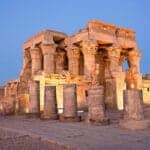
A Nile cruise can make sense when you want a structured way to travel between Luxor and Aswan while seeing the Temple of Edfu, the Temple of Kom Ombo, and Philae Temple. It is less suitable for travelers who want long independent afternoons ashore or who prefer to stay in one hotel. Read how to choose the best Nile cruise for your needs before deciding between a cruise and land-based travel.
Practical tip: Build in a lighter evening after a Luxor west-bank day. Early departures, exposed sites, and several tomb visits can be physically tiring, even for active travelers.
Jordan: Petra Is the Headline, but the Desert Changes the Pace
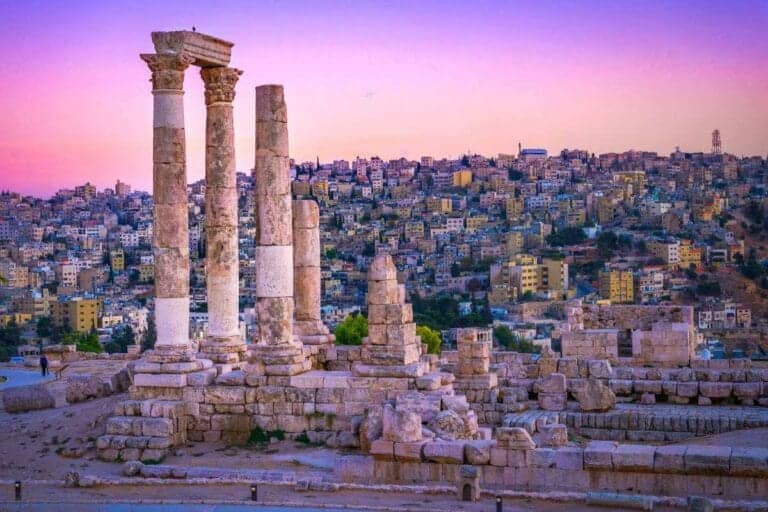
Jordan is a natural final chapter after Egypt. Petra deserves a full day for most visitors, especially if you want to continue beyond the Treasury toward the Royal Tombs, High Place of Sacrifice, or Monastery. Wear reliable walking shoes, carry water, and do not assume that a short map distance means an easy walk; elevation and heat matter.
Wadi Rum is worthwhile for travelers who value open desert landscapes and a quieter overnight setting after city and temple sightseeing. A Dead Sea stay offers a gentler finish, though visitors with cuts or freshly shaved skin may find the salty water uncomfortable. Keep water out of your eyes, follow local guidance, and rinse after floating.
Jordan’s distances can look manageable on a map, but road transfers and border procedures can affect a day’s timing. Confirm whether your itinerary includes Wadi Rum, how long is allocated to Petra, and whether the Dead Sea is an overnight stop or simply a brief visit.
Timing, Weather, and Day-to-Day Comfort
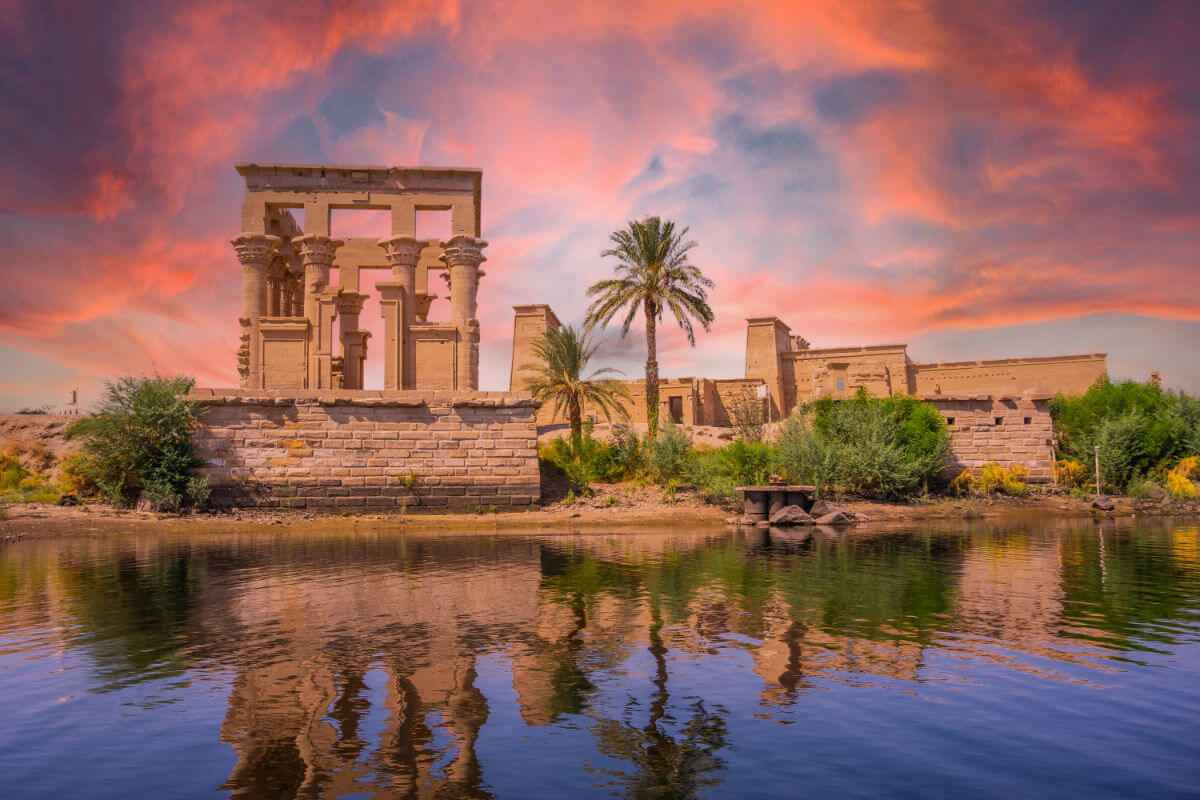
For most travelers, March through May and September through November offer the best balance for a combined Turkey, Egypt, and Jordan itinerary. Daytime temperatures still vary considerably by destination, elevation, and time of day. Cappadocia can be cold early in the morning, while Cairo, Luxor, Petra, and Wadi Rum can feel hot even outside peak summer.
Summer can work for travelers comfortable with heat who are prepared to start early, rest during the middle of the day, and drink water consistently. Winter brings milder daytime conditions in Egypt and Jordan, but evenings can be cool, and Cappadocia’s weather may affect balloon operations and outdoor comfort.
- Pack breathable layers, a sun hat, sunscreen, sunglasses, and footwear with grip.
- Carry a refillable water bottle where practical, but follow local advice on drinking water.
- Bring modest clothing for religious sites and a light outer layer for mosques, cool mornings, and air-conditioned transport.
- Keep essential medication, chargers, travel documents, and one change of clothes in your carry-on during internal flights.
What This Trip Costs and What to Confirm Before You Book
Three-country travel has more moving parts than a single-country vacation. The total can be shaped by travel dates, hotel category, group size, international airfare, internal flights, cruise selection, sightseeing inclusions, and private versus shared touring. A starting tour price is useful for comparison, but it should not be read as a complete personal budget.
For context, verified current multi-country itineraries begin from USD 4,160 for 15 days, USD 5,199 for 17 days, and USD 5,460 for 20 days. Prices can change, so review the current tour page before booking and compare what is included rather than choosing solely by the lowest headline figure. Travelers who want Egypt-focused budgeting can also review the real cost breakdown for Egypt tours.
Which Itinerary Length Is Right for You?
Choose about 15 days if you want the essentials
A 15-day option suits travelers with a firm vacation window who are comfortable with a purposeful schedule. Prioritize Istanbul, Cappadocia, Cairo, a concise Nile Valley experience, Petra, and the Dead Sea. Before booking, check the number of internal flights and whether arrival and departure days are largely devoted to transfers.
Choose 17 days for a more balanced first trip
Seventeen days generally gives the route healthier breathing room. It is a good fit if you want meaningful Egypt sightseeing without dropping Cappadocia or rushing Petra. Look closely at hotel-night distribution, included guided visits, and whether there is sufficient time in both Luxor and Aswan.
Choose 20 days if you dislike one-night stops
A longer itinerary is best for travelers who want broader Turkey coverage, additional time along the Nile, or a less compressed Jordan segment. It is particularly sensible for families, slower-paced travelers, and anyone who prefers a buffer for jet lag and changing conditions.
Before confirming any package, verify: the arrival and departure airports; the accommodation and sightseeing inclusions; the internal-flight and baggage arrangements; visa and passport requirements for your nationality; physical demands at sites such as Petra and the Valley of the Kings; optional activity terms; and the cancellation conditions. For changes or cancellations, notice must be given at least 5 days before the tour starts. Non-refundable flight and bus ticket costs are deducted from the paid balance. With less than 5 days notice, or for a no-show, the full payment is non-refundable.
The verified itineraries below offer a practical starting point for comparing route length, destinations, and current starting prices.
Choose your next step
Recommended Egypt tours
These verified options are the closest available matches for this article’s destination, route intent, and trip length.
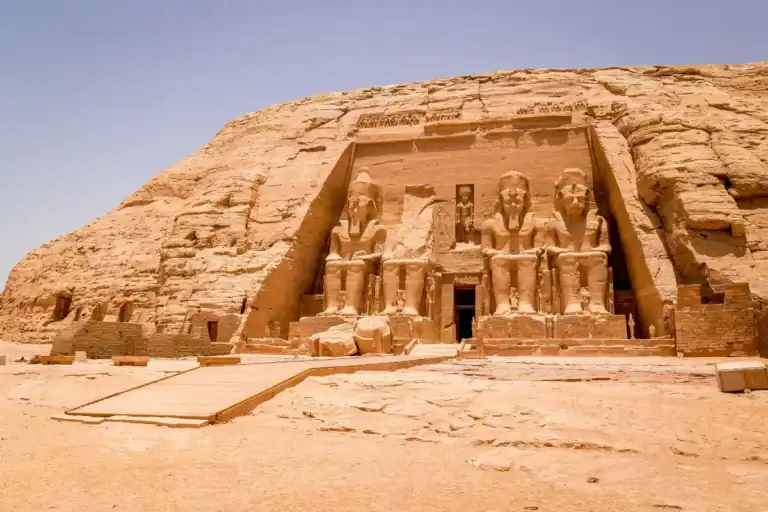
17-Day Türkiye, Egypt & Jordan Highlights Tour
A 17 days Cultural & Heritage Tour route covering Turkey, Egypt and 1 more destination.
View tour details →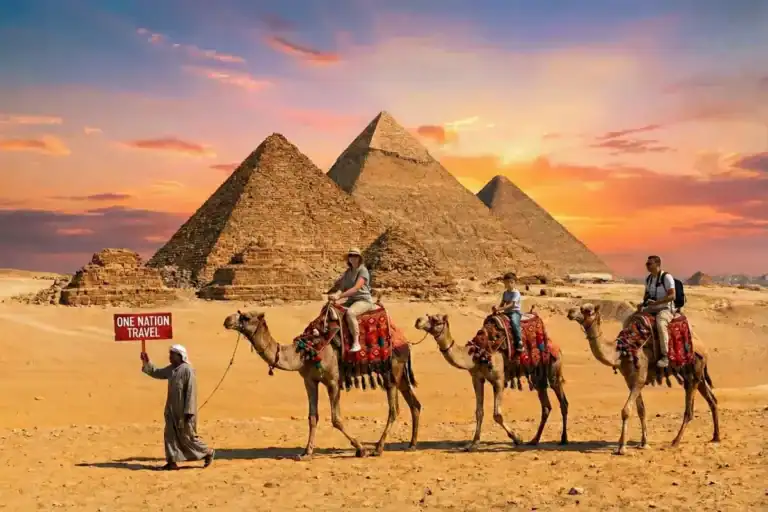
15-Day Turkey, Egypt & Jordan Tour: Istanbul to the Dead Sea
A 15 days Cultural & Heritage Tour route covering Turkey, Egypt and 2 more destinations.
View tour details →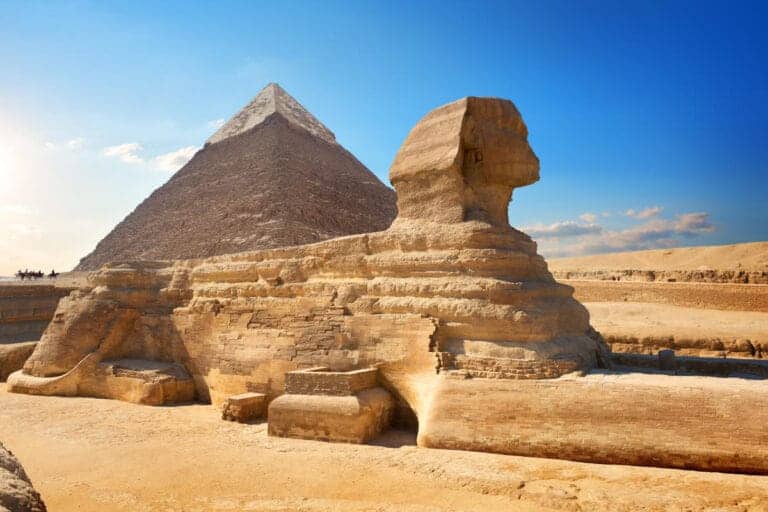
14-Day Egypt & Turkey Tour: Cairo, Nile Cruise, Istanbul & Cappadocia
A 14 days Cultural & Heritage Tour route covering Egypt, Turkey and 2 more destinations.
View tour details →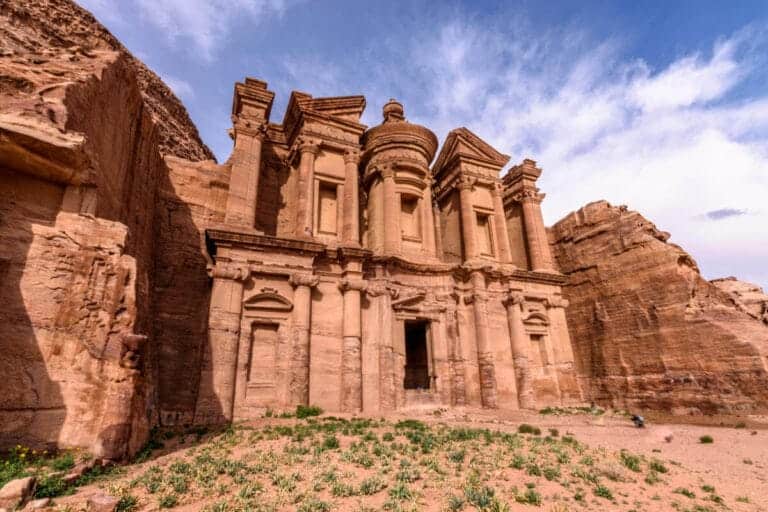
20-Day Egypt, Jordan and Turkey Tour: Cairo to Istanbul Adventure
A 20 days Cultural & Heritage Tour route covering Egypt, Jordan and 2 more destinations.
View tour details →Common Questions About Turkey, Egypt, and Jordan Travel
Do I need separate visas for Turkey, Egypt, and Jordan?
Visa rules are separate for each country and depend on your passport, entry method, and sometimes the length and purpose of travel. Requirements can change, so verify them with the relevant official authorities before departure rather than relying on a general itinerary description.
Is a Nile cruise necessary for this route?
No. A cruise is a convenient way to link Luxor and Aswan while visiting key Nile temples, but land-based arrangements can suit travelers who want more flexible evenings or prefer fewer hotel changes. The right choice depends on your available days and sightseeing priorities.
Can I do Petra in one day?
Yes, many travelers see Petra’s principal areas in one full day. However, a second day is valuable for longer trails and a more relaxed pace, especially if walking in heat or managing mobility concerns.
Is this route suitable for first-time Middle East travelers?
Yes, provided the itinerary is realistic and logistics are clearly arranged. Guided touring can be particularly helpful for coordinating transfers, site entry, local timing, and travel between countries. Review current travel advice and make decisions based on your own nationality, health needs, and comfort with active sightseeing.
Build a Route That Leaves Room to Experience It
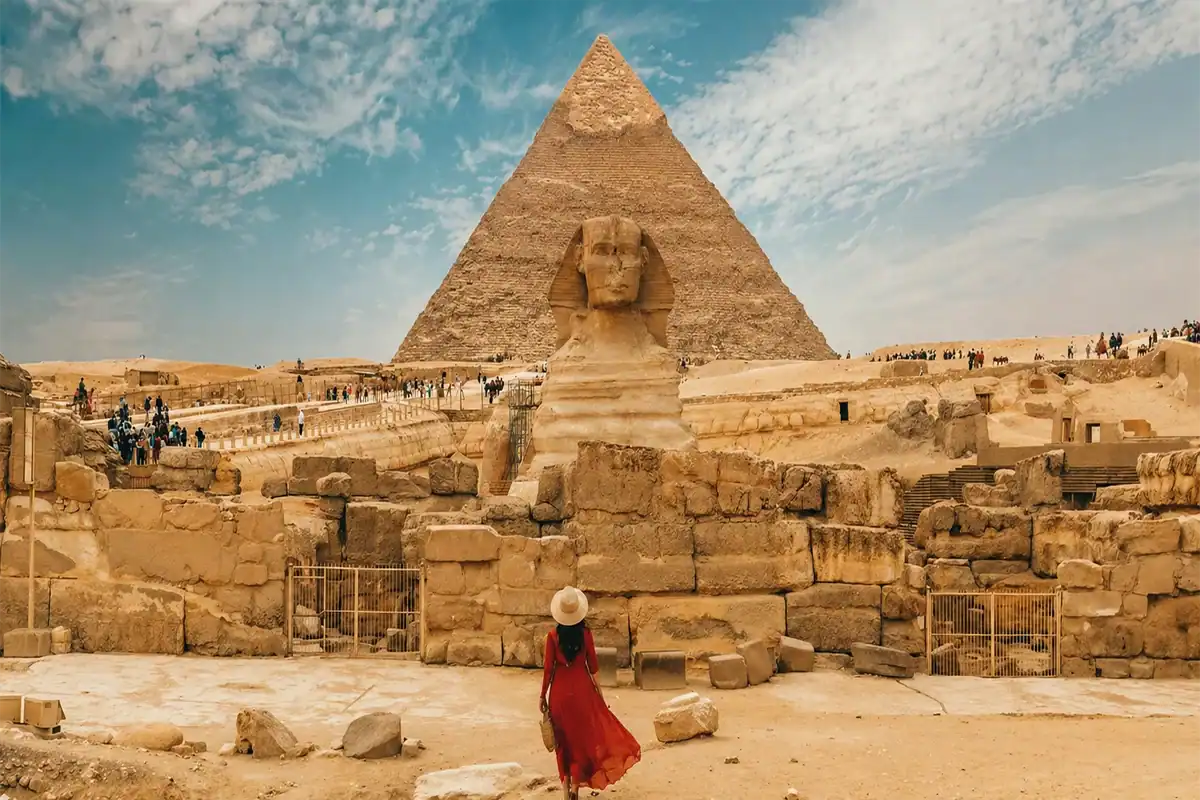
Cappadocia, the pyramids, and Petra belong on the same trip because they tell different parts of a much larger regional story. The most rewarding version does not attempt every famous place. It gives Egypt enough time to move beyond Giza, protects a full day for Petra, and allows room for Turkey’s landscapes rather than treating them as a flight connection.
If you are deciding between a faster highlights route and a slower, deeper itinerary, share your travel dates and priorities with One Nation Travel. The planning team can help match the route, pace, and coordination details to the way you want to travel.