
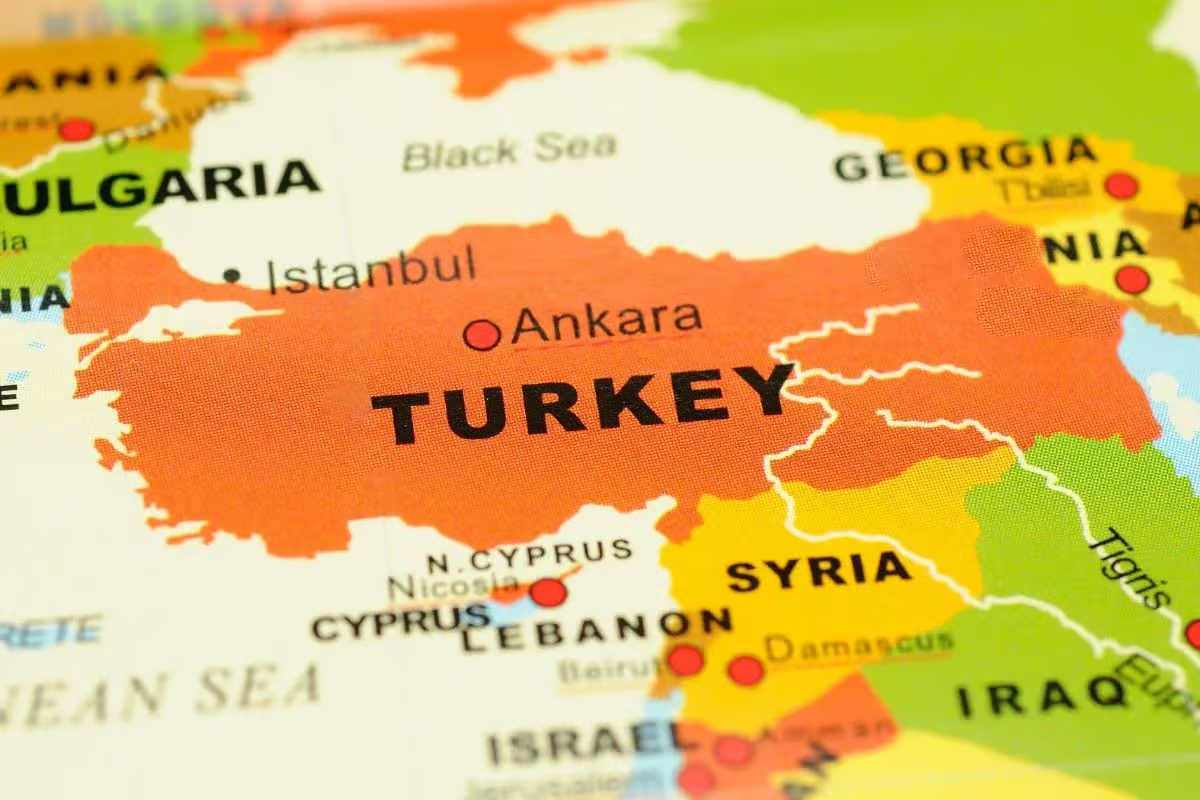
Short answer: The best Instagram spots in Turkey combine Istanbul’s historic skyline, Cappadocia’s sunrise valleys, Ephesus’s marble ruins, and Pamukkale’s white terraces. For a first photography-focused trip, prioritize Istanbul and Cappadocia; add Ephesus and Pamukkale when you have closer to 10 days. The 15 locations below offer a practical mix of architecture, landscapes, street scenes, and ancient sites—not just balloon photos.
A good photo itinerary needs room for weather, walking, and waiting for the light. The biggest decision isn’t which camera to pack: it’s whether to cover more places or give your favorite locations a second chance. Two mornings in Cappadocia can be more valuable than another destination squeezed between flights.
Key Takeaways

- Allow about 7 days for Istanbul and Cappadocia at a comfortable pace. Adding Ephesus is possible, but transport takes a meaningful share of the trip.
- Closer to 10 days suits all four main regions. Pamukkale deserves its own time allocation rather than becoming a hurried detour.
- Book nights, not just “tour days.” A two-day package with one hotel night normally gives you only one local sunrise opportunity.
- Balloon flights and their routes are weather-dependent. Neither a flight nor balloons directly above a particular terrace can be guaranteed.
- Check access before planning a sunrise shoot. Ticketed attractions, mosque visitor areas, hotel terraces, and archaeological sites have their own rules.
Where are the best Instagram spots in Istanbul?
Istanbul rewards a neighborhood-by-neighborhood approach. Keep Sultanahmet’s major sights together, then give Galata and the waterfront a separate afternoon. Crossing the city repeatedly to chase individual photos wastes good light.
1. Hagia Sophia: domes and layered architecture
Hagia Sophia Grand Mosque works especially well as an exterior subject from Sultanahmet’s public spaces. Start early for a better chance of quieter foregrounds, using trees or fountain details to frame the building. Interior visitor access follows separate arrangements; check current admission and photography rules rather than assuming an exterior photo stop includes entry.
2. Blue Mosque: symmetry and a sense of scale
The Blue Mosque is a strong choice for balanced compositions and architectural details. Photograph the exterior in the morning, then visit when non-worshipper access is permitted. Dress modestly, follow posted guidance, and keep cameras away from people praying. For an uncluttered image, frame a smaller section of the building instead of trying to eliminate every visitor.
3. Basilica Cistern: reflections and low-light atmosphere
The Basilica Cistern offers a useful contrast to bright outdoor scenes: columns, reflections, and dramatic lighting. It’s also an option when the weather turns, although midday doesn’t mean short lines. Use your phone’s low-light mode, hold still, and avoid flash. Check current equipment restrictions before bringing a tripod; don’t block the walkway while composing.
4. Galata Tower: street-level perspectives
Galata Tower is as rewarding from the surrounding streets as from a paid visit. Try a vertical frame with the tower above the sloping lanes, preferably before shops and pedestrian traffic become busy. These are working streets, not a photo set: keep doorways clear and never step backward into traffic for a wider shot.
5. Bosphorus waterfront: ferries, skyline, and evening light
The Bosphorus offers changing foregrounds without requiring an elaborate shoot. From the waterfront, use passing ferries to add movement; a Bosphorus cruise offers broader views but less control over your position. If sunset matters, verify the sailing time against your travel date. A daytime cruise isn’t automatically a sunset photography outing.
Which Cappadocia locations are worth an early start?
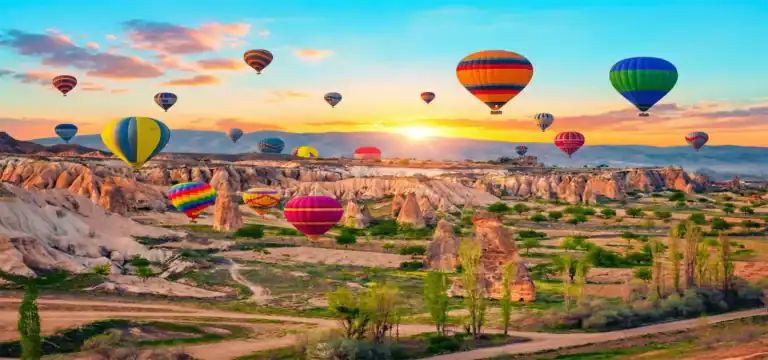
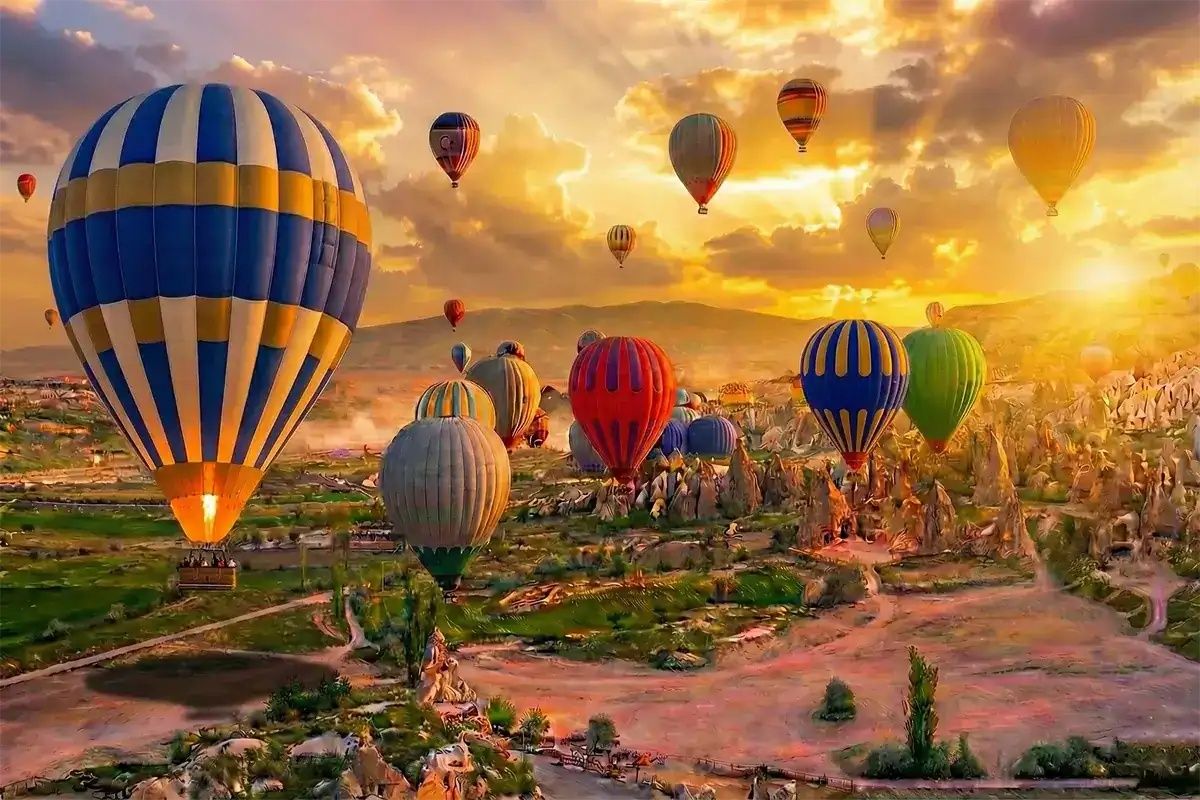
Cappadocia deserves both sunrise and late-afternoon time. Balloons are only one subject: rock formations, village rooftops, and valley shadows still make the region worthwhile when flights don’t operate.
6. Göreme: sunrise above the village
Göreme, within the landscape of Göreme National Park, is the classic base for rooftop and valley views. Choose accommodation for its actual outlook, not just “cave hotel” in the name. Ask whether the photographed terrace is accessible to guests at dawn, whether access costs extra, and whether staged breakfast displays are included or separately arranged.
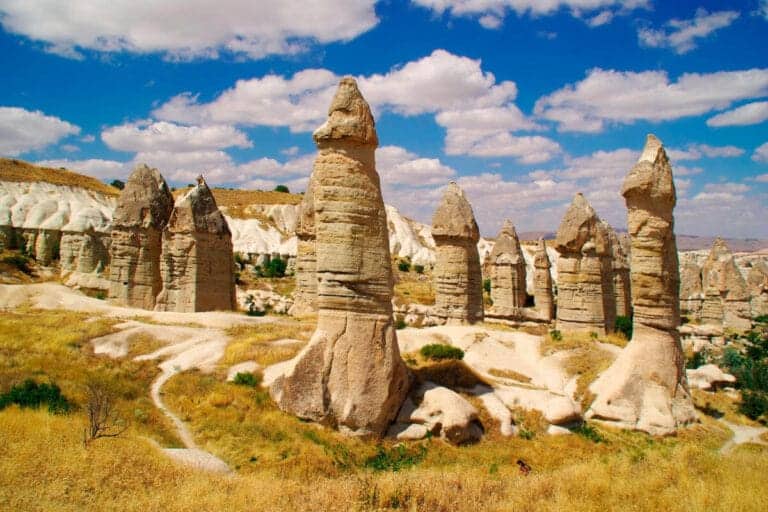
7. Love Valley: wide landscapes and fairy chimneys
Love Valley suits wide compositions that show the formations against open sky. Rim viewpoints and walks down into the valley are different outings, with different terrain and time requirements. Confirm which you’re booking. Stay back from exposed edges, and don’t follow balloons onto rough tracks or into launch areas without permission.
8. Pigeon Valley: paths, ridges, and rock details
Pigeon Valley is a good counterpoint to balloon-focused photos, with layered slopes and pigeon houses cut into the rock. A viewpoint stop is easier to fit into a sightseeing day than a valley hike. If walking is the priority, request time for it explicitly and check trail conditions; loose ground, heat, or wet weather can change the experience.
9. Uçhisar Castle: panoramic valley views
Uçhisar Castle offers broad perspectives over Cappadocia, while the village below provides closer architectural compositions. The climb involves steps and uneven surfaces, so it won’t suit every traveler. For late-afternoon photography, check the last admission and closing time first. A nearby village viewpoint may be a better choice than rushing a climb before closing.
10. Paşabağ: distinctive rock formations
Paşabağ Monks Valley is particularly good for isolating individual fairy chimneys and showing their scale. Work within opening hours, and use a longer focal length or tighter phone framing when paths are busy. Don’t climb protected formations for a portrait; designated paths already provide strong angles.
Choose your balloon perspective: A flight gives you an aerial view, while a ground viewpoint gives you the familiar image of balloons above the landscape. You can’t photograph yourself on a terrace and be in the basket on the same morning. Decide which image matters more before booking.
Where should you photograph Pamukkale and the Ephesus area?
These stops add a different visual character, but they aren’t interchangeable or immediately adjacent. Plan transport between the Ephesus area and Pamukkale as a substantial part of the itinerary, not a quick transfer between photo stops.
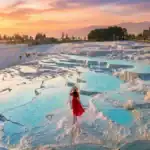
11. Pamukkale travertines: white terraces and reflections
The Travertines of Pamukkale are ideal for bright, simple compositions. Water coverage varies, and some sections are protected or closed; don’t expect every terrace to resemble a heavily edited photograph. Follow designated barefoot areas and staff instructions. Reduce your camera’s exposure slightly if the white surface loses detail, and carry shoes in a small bag.
12. Hierapolis: ancient stone above the terraces
Hierapolis adds ancient streets, ruins, and theater views to a Pamukkale visit. Its spread-out layout makes it worth budgeting walking time rather than treating it as a background stop. Bring water and sun protection. If theater photography is important, discuss the walking involved and check which areas are accessible during your visit.
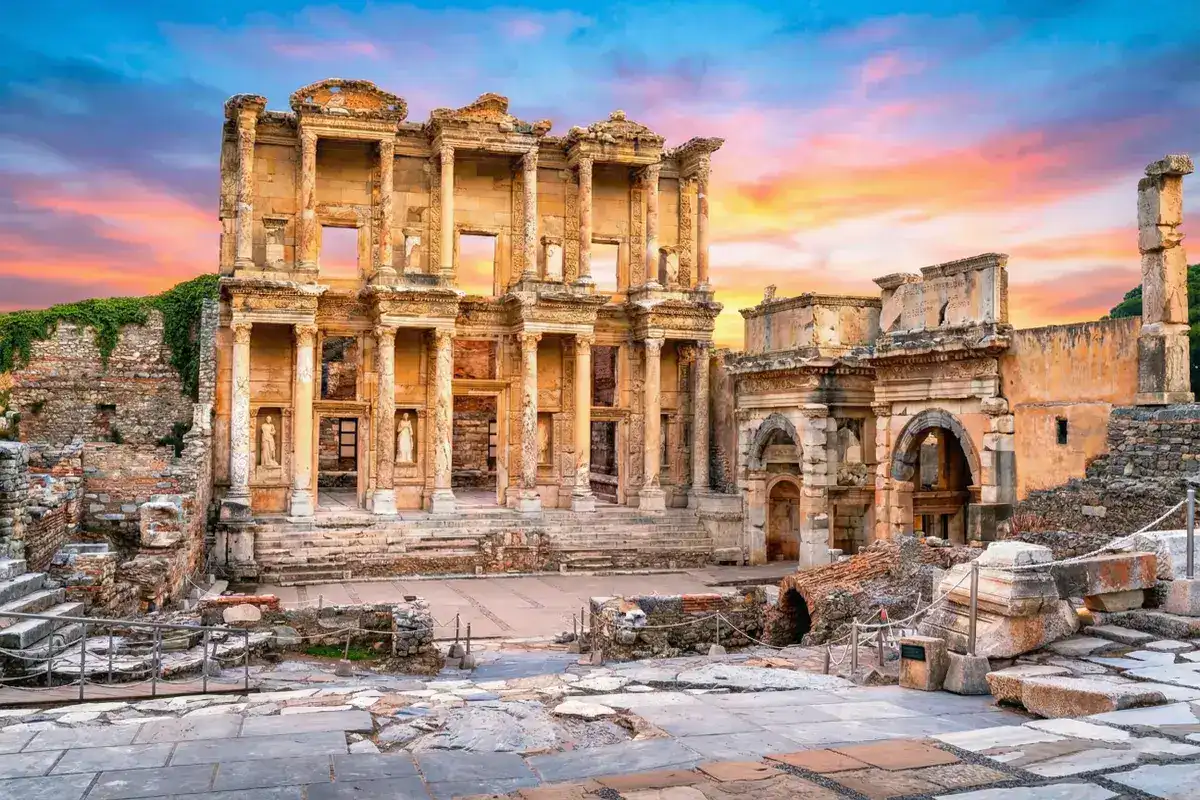
13. Library of Celsus: Ephesus’s signature façade
The Library of Celsus is the standout architectural subject at Ephesus. Arriving at opening may improve your chances of fewer people, but opening time isn’t necessarily the best light on every surface. Decide whether your priority is quieter steps or illuminated stone. A person near the façade can convey scale without requiring an empty scene.
14. Great Theatre of Ephesus: curves and leading lines
The Great Theatre of Ephesus provides a wider, more geometric composition than the library. Photograph from permitted areas and expect access to vary with conservation work. The site’s marble and uneven paths call for grippy shoes. Avoid scheduling your longest exposed walk at midday in hot weather simply to fit another destination afterward.
15. Şirince: village lanes and everyday details
Şirince offers whitewashed houses, sloping lanes, and smaller details after Ephesus’s monumental ruins. It suits a slower visit with time for a meal rather than a brief dash through the main street. Ask before photographing residents, shops, or restaurant interiors. Early visits can be quieter, but opening hours matter if food and café scenes are part of your plan.
When should you go, and how should you organize the route?
April–May and September–October are sensible starting points for balancing outdoor walking with photography. They aren’t a promise of clear skies or empty attractions. Summer brings longer daylight and hotter exposed sites; winter can bring striking Cappadocia scenes but colder mornings and more complicated walking conditions. Compare the trade-offs in choosing the best month for your Turkey trip.
Use sunrise and sunset times for your actual dates, not a fixed “7–9 a.m.” rule. Public viewpoints may be accessible before ticketed attractions open, while mosque access depends on visitor arrangements and worship.
| Time available | Practical photo route | Main trade-off |
|---|---|---|
| 5–6 days | Istanbul and Cappadocia | Keep arrival and departure days realistic; protect at least two Cappadocia nights if possible. |
| 7 days | Istanbul and Cappadocia, with Ephesus only if connections work | Adding a third region reduces time for weather delays and unhurried shooting. |
| About 10 days | Istanbul, Cappadocia, Ephesus, and Pamukkale | Requires coordinated flights and road transfers, but allows more useful time at each stop. |
For a broader starting plan, see the 10-day Turkey itinerary. Confirm regional flight availability before fixing the destination order, and avoid tight connections to an international flight on separate tickets.
Which tour style best fits a photography trip?
For a short visit, flying usually protects more sightseeing time than overnight buses. The 2-Day Cappadocia Tour from Istanbul by Plane with Hot Air Balloon starts from USD 895. It suits travelers prioritizing an included balloon experience within a compact trip, but a short stay leaves limited room for weather-related rescheduling.
For a lower starting price, consider the overnight-bus format carefully. The Cappadocia tour from Istanbul by overnight bus starts from USD 290 and is titled as a four-day itinerary with one hotel night and two bus nights. Don’t interpret that as four full sightseeing days. Confirm departure and return dates, rest time, and balloon options before comparing it with a flight package.
For deliberate compositions, private touring can be worth the extra cost. Standard sightseeing groups keep a shared schedule; extended waits for light or repeated portrait stops may not fit. A private itinerary can allow more flexibility, but opening hours, driving time, and weather still apply. The group-versus-private Turkey tour comparison explains the practical differences.
Starting prices may change. Before paying, request the day-by-day timing and confirm flights or buses, baggage allowances, transfers, hotel nights, entrance fees, meals, and whether the balloon ride is included or optional. Ask what happens if a balloon flight is canceled and whether another morning is available.
One Nation Travel is a TÜRSAB Class A travel agency (A-6073) handling planning, booking, customer support, and coordination. Experienced local guides, drivers, and selected local providers deliver the listed services; assignments may vary by destination, day, or tour segment. Tell the team which sunrise, walking route, or photo stop is essential before the itinerary is finalized.
Choose your next step
Recommended Turkey tours
These verified options are the closest available matches for this article’s destination, route intent, and trip length.
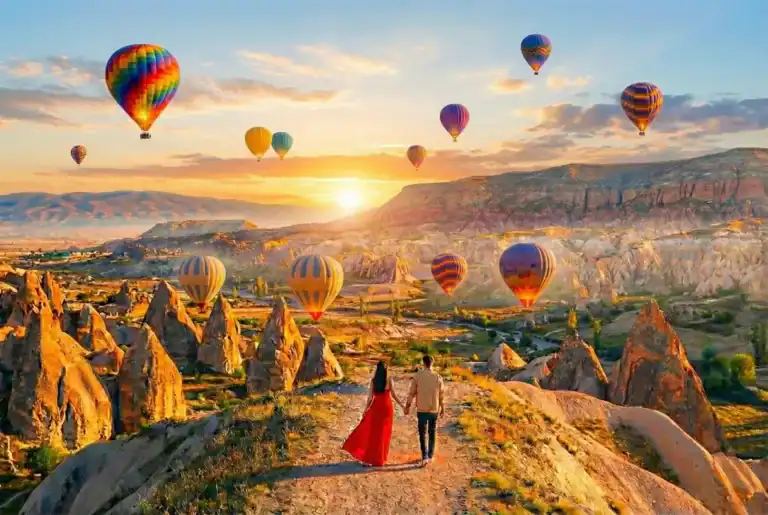
2-Day Cappadocia Adventure with Sunrise Hot Air Balloon Ride
A 2 days Historical & Cultural Tour route covering Cappadocia.
View tour details →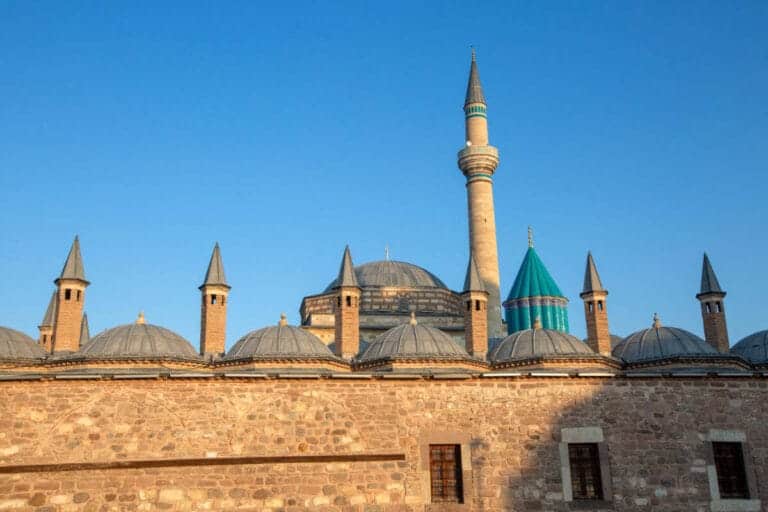
3-Day Cappadocia & Konya Tour from Istanbul
A 3 days Historical & Cultural Tour route covering Cappadocia, Konya and 1 more destination.
View tour details →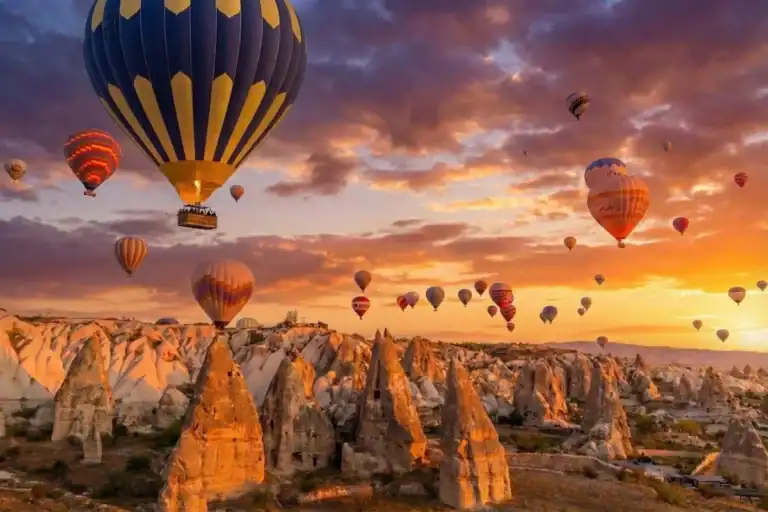
2-Day Cappadocia Tour from Istanbul by Plane with Hot Air Balloon
A 2 days Historical & Cultural Tour route covering Cappadocia, Istanbul.
View tour details →
4-Day Cappadocia Tour from Istanbul by Bus (1 Night Hotel, 2 Nights Bus)
A 2 days Historical & Cultural Tour route covering Cappadocia, Istanbul.
View tour details →Frequently Asked Questions
Can I fly a drone at these photo spots?
Don’t assume recreational drone use is permitted. Requirements depend on the aircraft, operator, location, and airspace; archaeological sites and balloon activity add restrictions. Check current Turkish aviation requirements and site permissions before traveling. A tour booking does not provide drone authorization.
Do I need a professional camera?
No. A phone is enough for most of these locations. Clean the lens, avoid excessive digital zoom, and lower exposure when bright skies or white terraces lose detail. Bring a power bank and a secure strap rather than equipment you won’t want to carry uphill.
Are these places suitable for travelers with limited mobility?
Some waterfront and exterior photo stops are easier than valley hikes, castle climbs, or archaeological paths. Access varies within each site. Share specific needs—including steps, walking distance, and vehicle access—before booking so the itinerary can prioritize suitable viewpoints.
Build the trip around the photos that matter most
Choose Istanbul and Cappadocia for the strongest city-and-landscape combination, then add Ephesus and Pamukkale when your schedule allows. Protect your best mornings, leave space for weather, and resist turning every stop into a race. Plan your Turkey photography trip with One Nation Travel and share your dates, preferred pace, and three must-have photo locations.