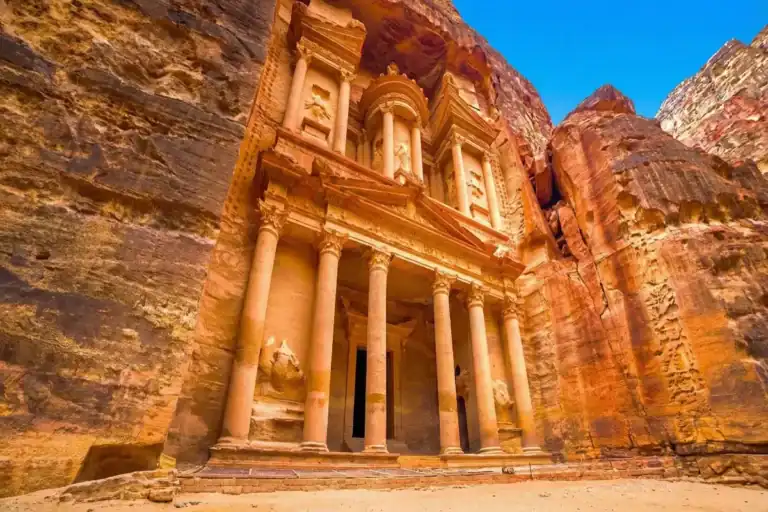

The quick answer: February is one of Egypt’s most comfortable sightseeing months. Expect mild, mostly sunny days in Cairo, warmer afternoons in Luxor and Aswan, cooler evenings nationwide, and a greater chance of wind or light rain along the Mediterranean coast. It is an excellent time for pyramids, temples, Nile cruising, and desert visits—provided you pack layers and book key travel arrangements early.
Egypt in February suits travelers who want to spend long days outdoors without the punishing heat of late spring and summer. The main planning choice is where to concentrate your time: Cairo and Giza for an easy city-and-monuments trip, Upper Egypt for warmer temple weather and a Nile cruise, or a longer route that combines both.
What to Know Before a February Trip
- Cairo is usually mild by day but can feel cool after sunset, especially with wind.
- Luxor and Aswan are generally warmer and drier than northern Egypt, making them especially comfortable for temples and tombs.
- February remains part of Egypt’s popular winter travel period, so preferred Nile cruise cabins, domestic flights, and centrally located hotels can book up well ahead.
- Bring layers rather than heavy winter clothes: a light jacket, sweater, sun protection, and comfortable closed-toe walking shoes cover most itineraries.
- Alexandria can be breezy and occasionally wet, while Red Sea resorts are sunny but the water may feel cool for some swimmers.
What Is Egypt Weather Like in February?
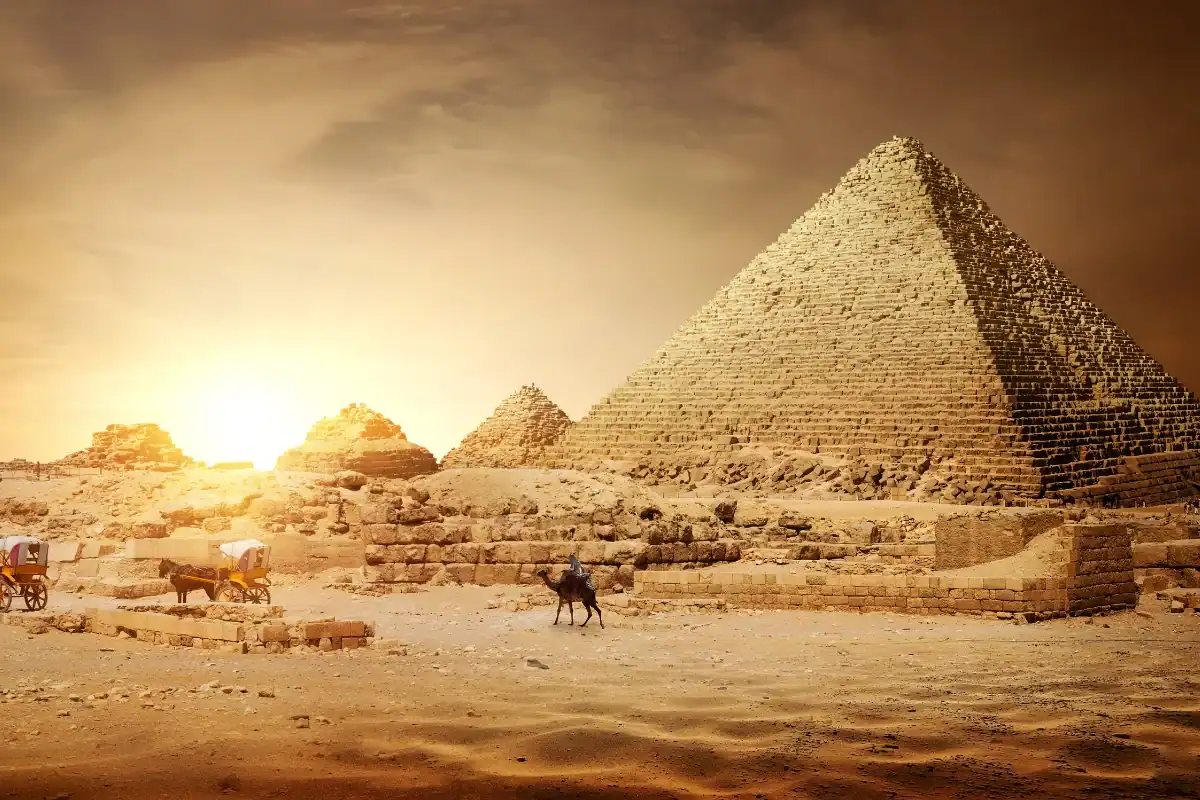
February is a transition month between Egypt’s cooler winter weeks and the warmer spring season. Most major tourism routes are dry and sunny, but temperatures vary noticeably between the Mediterranean coast, Greater Cairo, the Nile Valley, and the Red Sea.
For planning purposes, expect daytime sightseeing weather rather than beach heat. A clear morning can begin cool enough for a jacket, then become pleasantly warm by lunchtime. After sunset, especially on a Nile boat, in the desert, or at open-air restaurants, temperatures can drop quickly.
| Region | Typical February Feel | Best For | What to Pack |
|---|---|---|---|
| Cairo and Giza | Mild days, cool evenings; occasional wind or light rain | Pyramids, museums, markets, Islamic Cairo | Layers, light jacket, walking shoes |
| Luxor | Warm afternoons, cooler early mornings and nights | Temples, tombs, hot-air balloon rides | Sun hat, light sweater, closed shoes |
| Aswan | Sunny, dry, and often warmer than Cairo | Nile cruising, Philae, Abu Simbel | Light daytime clothing and an evening layer |
| Alexandria | Cooler, breezier, with the greatest rain chance | Mediterranean history and seafood | Windbreaker, compact umbrella, layers |
| Red Sea coast | Sunny days, cooler evenings, potentially breezy water conditions | Diving, snorkeling, resort downtime | Swimwear, cover-up, wind layer |
In Cairo, daytime temperatures often sit around the upper 60s°F to low 70s°F, while nights can fall into the upper 40s°F or low 50s°F. In Luxor and Aswan, afternoons are commonly warmer, often reaching the mid-70s°F or higher, with clear skies that make outdoor touring comfortable.
Weather is never guaranteed. Wind, haze, and an occasional cool spell can affect a particular week, so use seasonal averages to pack sensibly but check the local forecast shortly before departure.
Why February Works So Well for Egypt Sightseeing
Egypt’s headline attractions are mostly outdoors or only partly shaded. February lets travelers spend more time at the Pyramids of Giza, walk through temple complexes, and explore archaeological sites without the high heat that can make summer schedules demanding.
Comfortable hours at major sites
The wide, exposed areas around the Great Sphinx, Saqqara, Karnak, and Luxor’s West Bank are easier to enjoy in February than in hotter months. Morning starts still matter: crowds tend to build during the late morning, and an early start gives you softer light for photographs and more time before the day’s touring rhythm picks up.
Strong conditions for Nile cruising
The classic Luxor-to-Aswan route is particularly appealing in February. Daytime shore excursions are comfortable, while evenings on deck may require a sweater or light jacket. Stops commonly include Karnak Temple, the Valley of the Kings, the Temple of Edfu, and Kom Ombo Temple.
Winter demand without holiday-week extremes
February is still a sought-after travel month. It may feel less concentrated than the year-end holiday period, but it is not a low-demand season for Egypt. Travelers who want specific domestic flight times, a particular cruise date, or private guiding should avoid treating February as a last-minute bargain month.
For a broader comparison of trip lengths and route options, see how many days to spend in Egypt. It is especially useful when deciding whether to add Luxor or Aswan to a Cairo-based stay.
Where to Go in Egypt in February
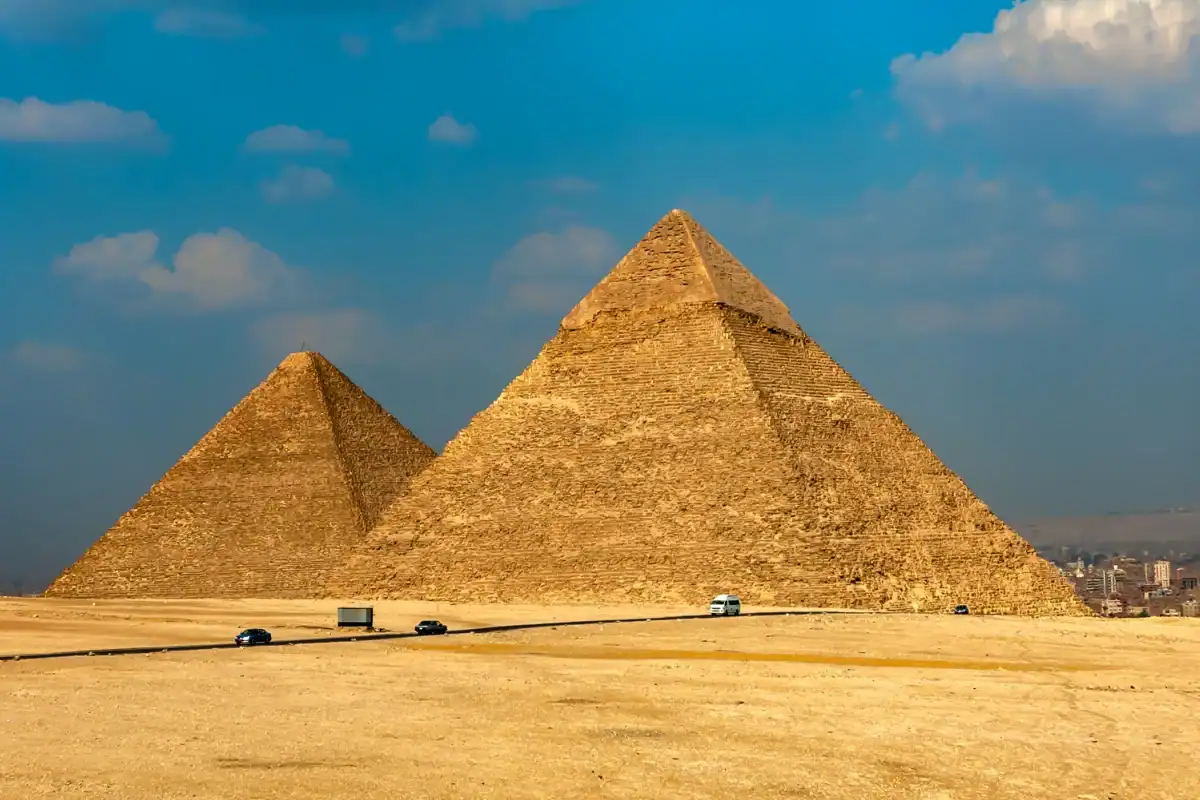
Cairo and Giza: Best for first-time visitors with limited time
Cairo is the logical starting point for most first visits. February weather is well suited to a full day at Giza, followed by museum time and an evening in historic neighborhoods. Build in time for the Egyptian Museum, the Khan El Khalili Bazaar, and older Cairo sites such as the Hanging Church.
Allow more time than you expect for road transfers in Greater Cairo. February’s pleasant temperatures do not remove the city’s traffic realities, so scheduling the Pyramids early and grouping Old Cairo sights on the same day is usually more practical than crossing the city repeatedly.
Luxor and Aswan: Best for warmth, archaeology, and cruising
Upper Egypt is the better choice for travelers who want the warmest February days. Luxor rewards an early start on the West Bank, where the Temple of Hatshepsut and the Valley of the Kings are exposed to the sun. In Aswan, visit Philae Temple, enjoy a felucca outing when conditions allow, and consider whether an Abu Simbel excursion fits your pace.
Abu Simbel is memorable but makes for a long excursion day. It is best added when you have enough time in Aswan to avoid squeezing it between a cruise disembarkation and an onward flight.
Alexandria: Best for travelers who prefer a cooler coastal stop
Alexandria has a different February character: Mediterranean, breezy, and occasionally damp. It can be a rewarding addition for travelers interested in Greco-Roman history, coastal views, and a quieter contrast to Cairo. Pack a wind layer and keep outdoor plans flexible if rain is forecast.
A day trip is possible, but an overnight is more comfortable if you want to visit the Catacombs, Qaitbay Citadel, and the Bibliotheca without turning the day into a race. Travelers based in Cairo can also consider an Alexandria day trip from Cairo when a full-day private excursion suits their schedule.
Red Sea resorts: Best for sunshine with realistic swimming expectations
Hurghada and Sharm El Sheikh can be sunny in February, but air and water temperatures are not equally comfortable for every traveler. Divers and snorkelers often still enjoy the Red Sea, while travelers seeking long, hot beach days may prefer later spring or fall. Ask the accommodation or excursion provider about wind exposure, heated pools, and current boat conditions before committing to water activities.
What to Wear and Pack for Egypt in February
The most useful packing approach is simple: dress for warm sun, cool mornings, air-conditioned vehicles, and chilly evenings. You do not need a heavy winter coat for a standard Cairo-Luxor-Aswan route, but relying only on T-shirts can leave you uncomfortable after dark.
- Light layers: T-shirts or long-sleeve cotton tops, plus a sweater, fleece, or overshirt.
- A light jacket or windbreaker: Particularly useful in Cairo, Alexandria, on Nile cruise decks, and for desert excursions.
- Comfortable walking shoes: Temple floors, uneven stone paths, sand, and long museum days favor supportive closed-toe shoes.
- Sun protection: Sunglasses, sunscreen, a hat, and lip balm remain important even when the air feels cool.
- A scarf or shawl: Handy for wind, sun, cooler evenings, and visits to religious sites.
- A small daypack: Carry water, tissues, hand sanitizer, a portable charger, and your extra layer.
Practical tip: Keep your jacket and a refillable water bottle accessible in your day bag rather than leaving them in checked luggage or a coach hold. February touring days often begin cool and end warm, then turn cool again after sunset.
Dress modestly when entering mosques and religious sites. In resort areas and on cruise ships, clothing norms are more relaxed, but covering shoulders and knees is a respectful and convenient default for city sightseeing.
How to Plan a February Egypt Itinerary
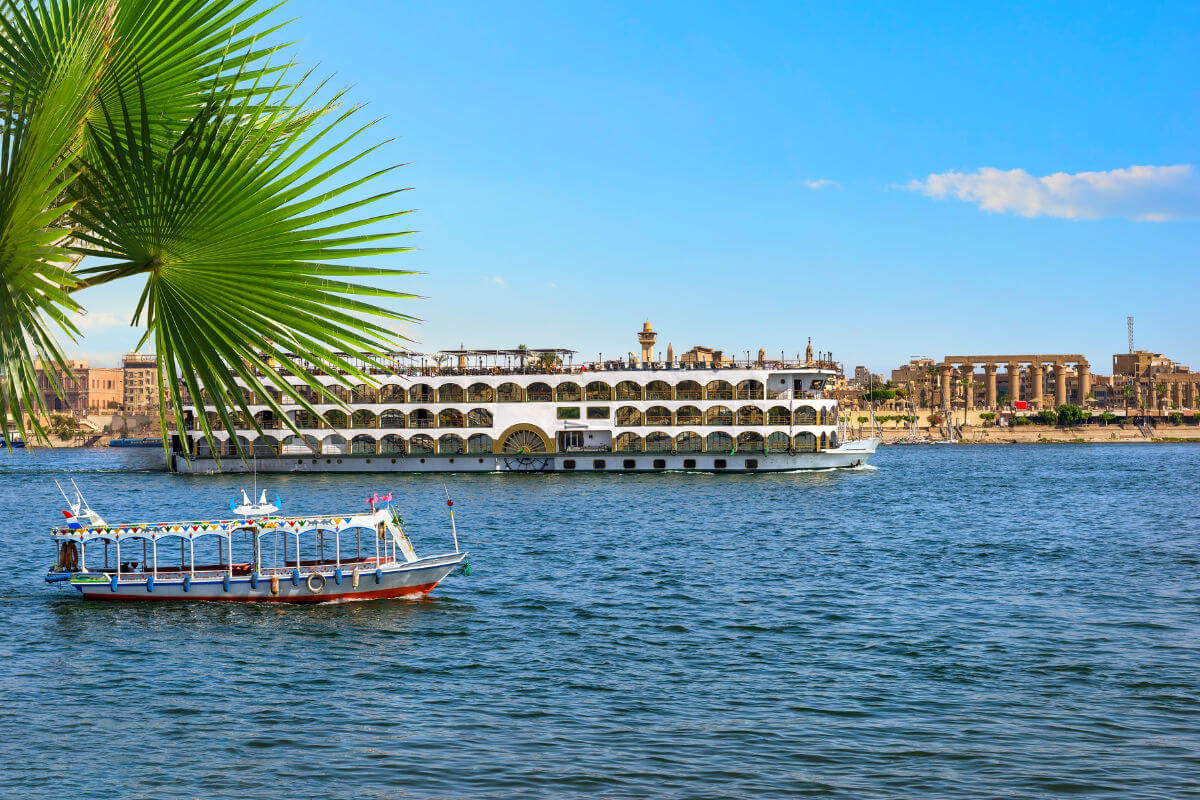
February rewards an itinerary that minimizes unnecessary backtracking. The most efficient first-time route usually begins in Cairo, continues south by domestic flight to Luxor, then moves through Aswan by cruise or land arrangement before returning to Cairo or flying onward.
A four-day trip: focus on Cairo, or Cairo plus Luxor
Four days is enough for a well-paced introduction, but not for every major region. Choose Cairo and Giza if you prefer a lower-transfer trip with museums, pyramids, and historic neighborhoods. Choose Cairo plus Luxor if ancient temples and tombs are your priority and you are comfortable with a domestic flight.
The 4-Day Best of Cairo Tour starts from USD 1,049, while the 4-Day Egypt Tour: Cairo & Luxor starts from USD 1,160. Starting prices can change, so review the live tour page for current dates, inclusions, and availability before booking.
Five to seven days: add Luxor or a short Nile cruise
Five to seven days offers the breathing room most first-time travelers need. It allows Cairo and Giza without rushing, then Luxor and potentially Aswan. If your priority is seeing the Nile Valley rather than simply checking off cities, a cruise can reduce the number of hotel changes while connecting temple visits.
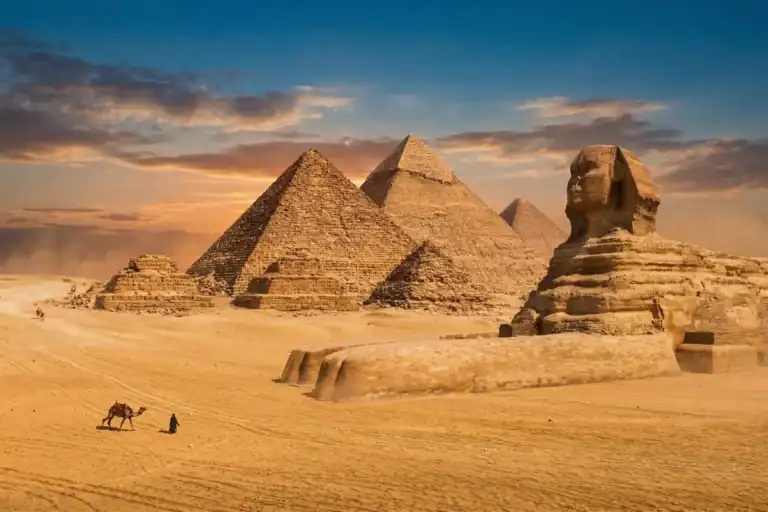
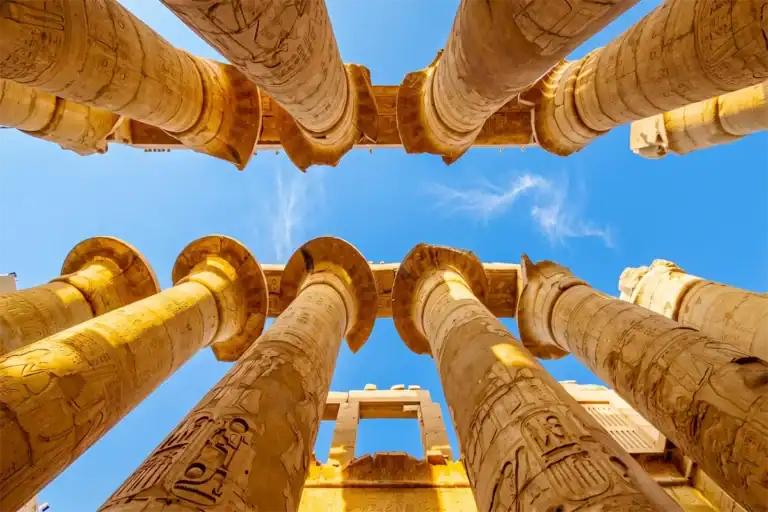
For travelers starting in Cairo with limited time, the 2-Day Luxor Tour from Cairo starts from USD 649 and includes flights according to the verified tour listing. It is a practical option when you want Luxor’s essential sites but cannot extend the full trip.
Eight days or more: combine Cairo, Luxor, Aswan, and a cruise
With eight days or more, you can slow down and include both Cairo and Upper Egypt without treating every day as a transfer day. A longer itinerary also makes Alexandria, Abu Simbel, or a Red Sea extension more realistic. For route ideas that avoid inefficient flight and hotel combinations, read the eight-day Egypt itinerary planning guide.
Should You Choose Cairo, a Nile Cruise, or Both?
Your February plan should follow your available time and tolerance for internal travel, not just a list of famous places.
- Choose Cairo and Giza only if you have three or four days, prefer fewer transfers, or want time for museums, markets, Old Cairo, Memphis, and Saqqara. It is the most straightforward first visit.
- Choose Cairo plus Luxor if temples, royal tombs, and ancient Egyptian history are the central reason for your trip. This works well in four to six days but requires careful flight timing.
- Choose a Nile cruise if you have at least several nights available and want a more relaxed way to connect Luxor and Aswan. It suits travelers who value fewer hotel changes and guided shore excursions.
- Add Alexandria or the Red Sea only after your core Cairo and Upper Egypt priorities are covered. These extensions are worthwhile, but they add transfer time and can dilute a short first itinerary.
Before booking, verify the exact arrival and departure airports, domestic flight timings where applicable, cruise embarkation and disembarkation points, sightseeing inclusions, hotel categories, and whether gratuities, entrance fees, optional excursions, or drinks are included. February availability can affect the practical route as much as the map does.
For travelers comparing organized options with independent arrangements, our overview of private versus group Egypt tours explains the planning trade-offs.
Choose your next step
Recommended Egypt tours
These verified options are the closest available matches for this article’s destination, route intent, and trip length.

2-Day Luxor Tour from Cairo (Flights Included)
A 2 days Cultural & Heritage Tour route covering Egypt.
View tour details →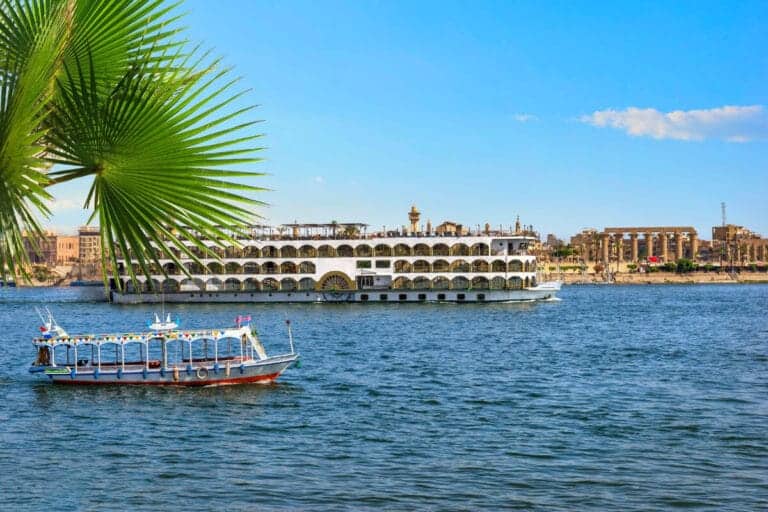
4-Day Nile Cruise from Cairo by Air: Aswan to Luxor
A 4 days Cultural & Heritage Tour route covering Egypt.
View tour details →Common Questions About Egypt in February
Is February a good month to visit Egypt?
Yes. February is one of the strongest months for classic sightseeing because temperatures are generally comfortable for pyramids, temples, tombs, and Nile excursions. It is also a popular period, so book preferred arrangements in advance.
Can you swim in Egypt in February?
You can swim at Red Sea resorts, although the water may feel cool depending on your comfort level and wind conditions. Heated pools are a useful feature to confirm if swimming is a major part of your trip.
Does it rain in Egypt in February?
Rain is uncommon across Cairo, Luxor, and Aswan. Alexandria and the northern coast have a greater chance of occasional rain or wind, but prolonged wet weather is not typical.
Is Egypt cold at night in February?
Evenings can be cool, particularly in Cairo, Alexandria, the desert, and on Nile cruise decks. Bring a light jacket or warm layer even if daytime forecasts look sunny.
What is the biggest February planning mistake?
Trying to fit Cairo, Luxor, Aswan, Abu Simbel, Alexandria, and a beach stay into a short trip. Prioritize two or three regions, allow for domestic travel, and leave room for early starts and airport transfers.
February Is a Smart Time for a Well-Paced Egypt Trip
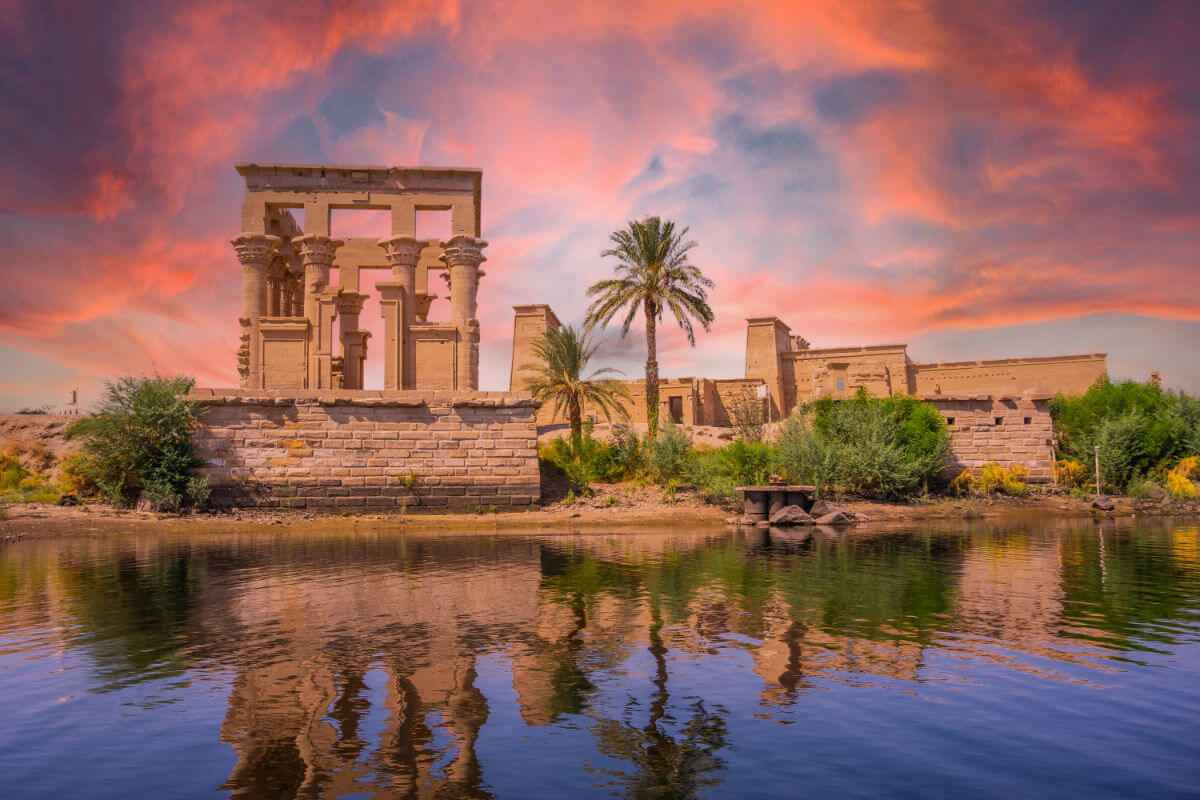
For travelers focused on ancient sites, February offers a practical balance of sun, manageable daytime temperatures, and cooler evenings. Plan Cairo and Giza first, add Luxor and Aswan if you have enough days, and pack for temperature changes rather than summer heat. When you are ready to turn the outline into a workable route, plan your Egypt trip with One Nation Travel for help coordinating the itinerary, bookings, and local services.