
The short answer: Egypt’s essential historical sites are the Pyramids of Giza, the museums and older quarters of Cairo, Luxor’s temples and royal tombs, and the Nile-side monuments between Aswan and Luxor. Most first-time visitors need at least seven to ten days to see these places without turning the trip into a series of rushed flights and hotel check-ins.
Egypt rewards travelers who plan around geography rather than a simple checklist. Cairo and Giza hold the country’s best-known ancient landmarks, while Luxor and Aswan provide the most concentrated temple-and-tomb experience. The biggest choice is whether to fly between cities for a faster itinerary or build in a Nile cruise, which adds a slower, more connected way to reach several major sites.
What Matters Most When Planning Egypt’s Historic Sites
- Reserve at least two full sightseeing days for Cairo and Giza if you want to include pyramids, museums, Old Cairo, and time to avoid the hottest part of the day.
- Luxor deserves at least two nights. Its East Bank and West Bank sights are best handled on separate days.
- A Nile cruise is most useful for travelers who want to see Edfu, Kom Ombo, Aswan, and Luxor in one connected route rather than arranging each segment independently.
- Temple interiors, tomb access, photography rules, and special-entry tickets can change, so confirm what is included before paying for a tour or site ticket.
- October through April is generally the more comfortable period for outdoor sightseeing, though popular sites can be busier during holiday periods.
Start With Cairo and Giza: Egypt’s Essential Ancient Core
For most travelers, Egypt begins in Cairo. It is a large, busy capital where modern life, medieval neighborhoods, museums, and pharaonic monuments sit within the same metropolitan area. The practical mistake is treating Giza as a quick photo stop before a flight onward. The plateau is substantial, and Cairo’s other historical areas need time as well.
The Pyramids of Giza and the Great Sphinx
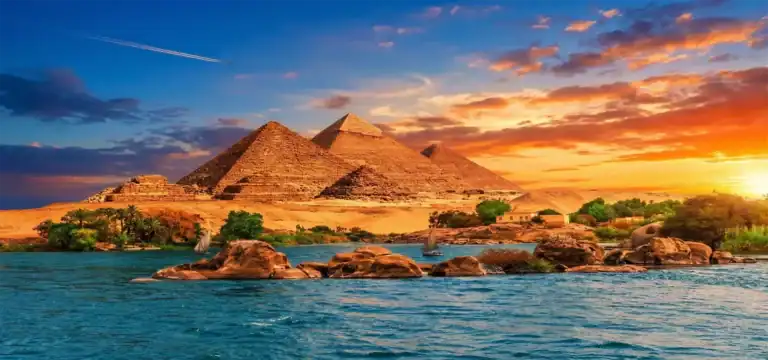
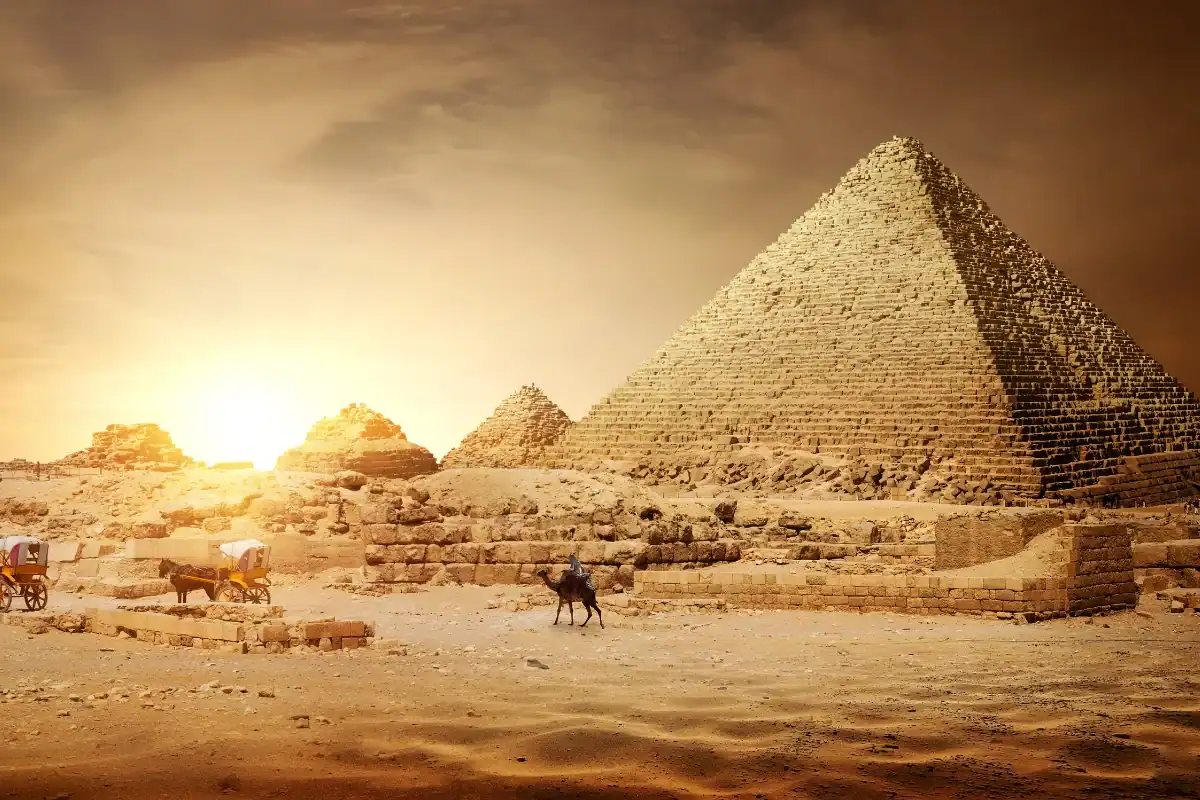
The Pyramids of Giza are the only surviving Wonder of the Ancient World and the single most important stop for nearly every first trip to Egypt. The complex includes the Great Pyramid, the Pyramid of Khafre (Chephren), and the Pyramid of Menkaure. Their scale is best appreciated by walking through the site rather than viewing them only from a roadside overlook.
The Great Pyramid of Cheops, also known as the Great Pyramid of Khufu, is the largest. Entry into its interior is a separate experience from seeing the exterior and may involve a limited-capacity ticket. It is not ideal for travelers uncomfortable with narrow, steep, enclosed passageways. If going inside matters to you, ask in advance whether the ticket is available and whether it is included in your arrangements.
Allow time for the Great Sphinx, whose viewing area is reached within the broader Giza complex. Morning visits usually offer more manageable temperatures and clearer energy for walking. Bring water, sun protection, and comfortable shoes with grip; the terrain is uneven in places and there is little natural shade.
Saqqara, Memphis, and the older story of pyramid building
Travelers with a strong interest in archaeology should add Saqqara Necropolis to a Cairo-area day. Saqqara adds historical context that Giza alone cannot provide, including the Step Pyramid complex and a far wider funerary landscape. Nearby Memphis, the former ancient capital, is often paired with Saqqara.
This combination is particularly worthwhile if you have three or more Cairo nights. With only one full day, focus on Giza and one museum rather than trying to fit Giza, Saqqara, Memphis, Old Cairo, and a bazaar into a single exhausting schedule.
Museums and Historic Cairo Put the Monuments in Context
A pyramid visit becomes much more meaningful when paired with objects, inscriptions, and later layers of Egyptian history. Museum collections can be displayed, moved, or reorganized over time, so confirm which museum holds the artifacts you most want to see on your travel dates.
The Egyptian Museum and Cairo’s historic quarters
The Egyptian Museum remains an important stop for travelers interested in ancient sculpture, royal objects, funerary art, and the material culture that gives archaeological sites context. Plan for at least a few unhurried hours rather than treating it as a 30-minute add-on after Giza.
For a different period of Egyptian history, consider Old Cairo landmarks such as the Hanging Church and Ben Ezra Synagogue. The Khan El Khalili Bazaar can work well afterward for tea, browsing, and a more relaxed finish to the day. It is a market, not an archaeological site, but it gives visitors a useful sense of Cairo’s living commercial and social rhythm.
Practical tip: Don’t schedule a late-night arrival in Cairo followed by an early Giza departure. Jet lag, airport formalities, traffic, and the intensity of the plateau can make that first day much less enjoyable. A lighter first evening and a full night’s rest usually pay off.
Luxor Is the Best Place for Temples, Tombs, and Ancient Thebes
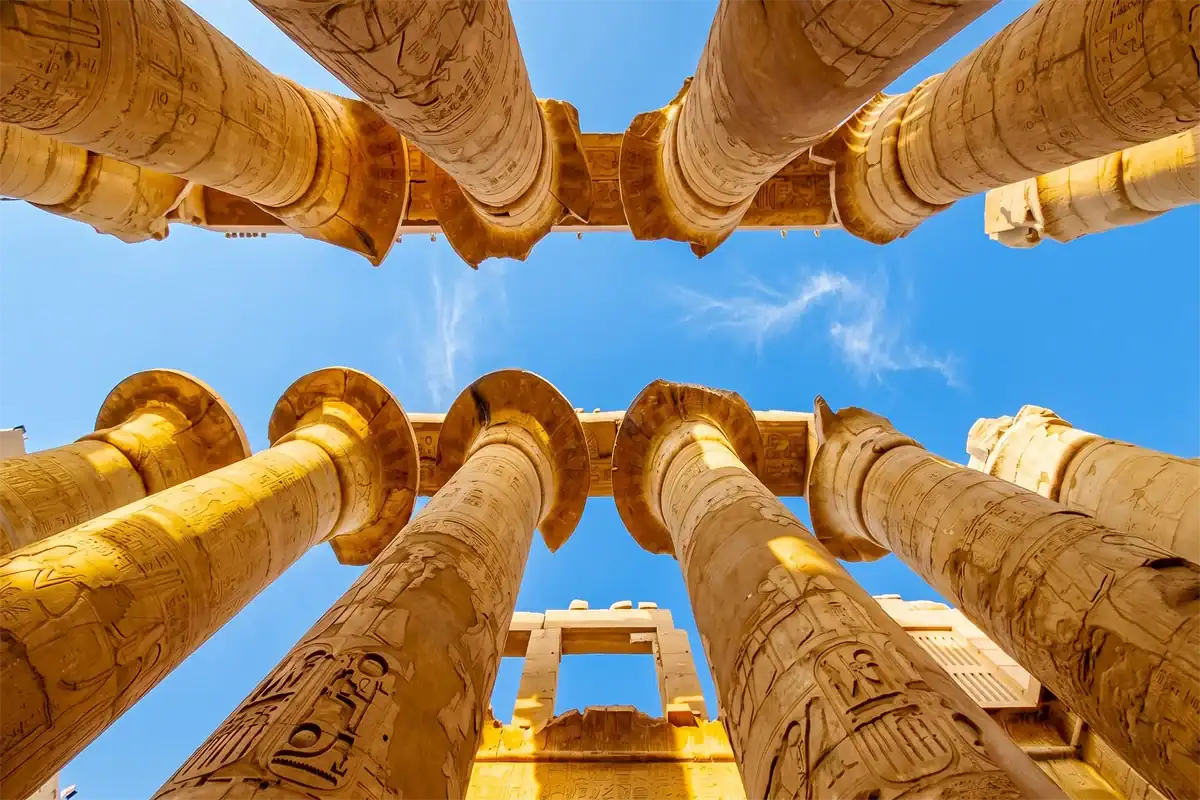
Luxor contains one of the world’s most extraordinary concentrations of ancient sites. The Nile separates the East Bank, associated largely with temples and the ancient city, from the West Bank, where royal and elite burial areas lie against the desert hills. Give this city at least two nights; three is better for travelers who want a slower pace or additional tombs.
Karnak Temple and Luxor Temple on the East Bank
Karnak Temple is a vast religious complex built and expanded over centuries. Its monumental columns, reliefs, courtyards, and processional spaces make it more than a quick photo stop. A guide can be especially valuable here because the site’s scale makes it difficult to understand without an explanation of who built each section and why.
Luxor Temple is closer to the modern city and offers a different experience: a more compact ceremonial setting connected historically to Karnak by an avenue of sphinxes. Many travelers prefer visiting in the late afternoon or evening, when the heat is lower and the illumination changes the character of the stonework. Confirm current opening times locally, as seasonal hours and special access arrangements may vary.
The Valley of the Kings and Hatshepsut’s mortuary temple
On the West Bank, the Valley of the Kings is where New Kingdom pharaohs were buried in decorated rock-cut tombs. The value of the visit is inside the tombs: painted walls, religious texts, and carefully structured routes toward the afterlife. Tomb access rotates for conservation and operational reasons, so a list of open tombs on one visit should not be assumed for another.
The Temple of Hatshepsut at Deir el-Bahari is one of Egypt’s most visually distinctive monuments. Its terraces rise toward the cliffs behind it, and its story is inseparable from the reign of the female pharaoh Hatshepsut. Pair it with the Colossi of Memnon, two monumental statues that mark the remains of Amenhotep III’s mortuary complex.
For a deeper look at route design, see this practical 8-day Egypt itinerary and how many days to spend in Egypt. Both are useful before deciding whether Luxor should be a short stop or the central focus of your trip.
Aswan and the Nile Temples Add the Best Sense of Journey
Aswan feels noticeably different from Cairo and Luxor. It is a natural southern base for island temples, Nile views, and excursions farther south. It also fits naturally into a cruise route, especially for travelers who prefer unpacking once rather than changing hotels repeatedly.
Philae Temple and the Aswan High Dam
The Temple of Philae, dedicated to Isis, is one of the most graceful temple sites in Egypt. Its island setting means the visit includes a boat transfer, which is part of the appeal but also a practical factor for travelers with mobility concerns. Confirm how the transfer is arranged, how much walking is involved, and whether the boat cost is part of the quoted price.
The Aswan High Dam is a modern historical landmark rather than an ancient monument. It is often included in Aswan sightseeing because it helps explain the changing relationship between the Nile, flood control, and the preservation or relocation of major temples.
Kom Ombo, Edfu, and Abu Simbel
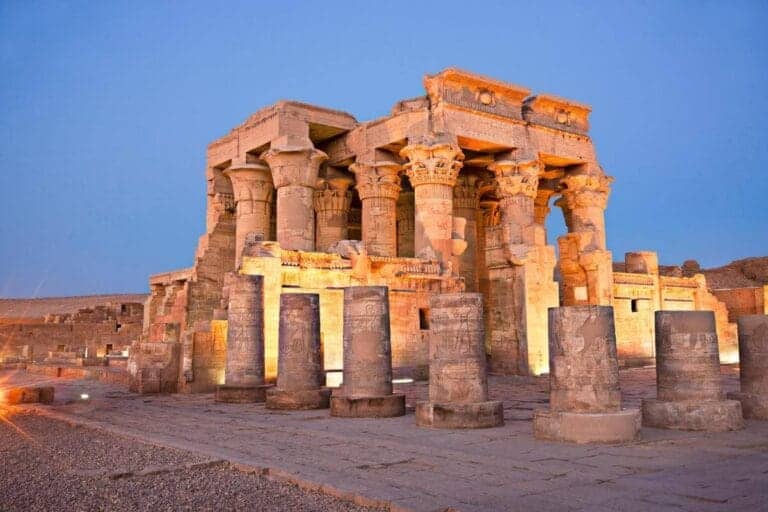
The Temple of Kom Ombo stands beside the Nile and is known for its dual dedication to Sobek and Horus. Its layout is especially interesting because the temple is organized around paired elements rather than a single deity’s cult.
Further north along the river, the Temple of Edfu, also called the Temple of Horus, is among Egypt’s best-preserved temples. It is commonly reached on a cruise itinerary, though it can also be arranged by road. Travelers who want both Edfu and Kom Ombo should compare the convenience of a cruise against the speed and flexibility of private road transfers.
The Abu Simbel Temples are farther south and deserve separate planning. They are spectacular, but they are not a casual add-on to a full day in Aswan. Ask whether an excursion uses air or road transport, what departure time is expected, and whether the visit allows enough time at the site rather than only a rushed photo stop.
Which Egypt Historical Route Fits Your Travel Style?
The right route depends less on how many monuments you can name and more on your available time, tolerance for early starts, and interest in river travel.
| Traveler priority | Best route shape | What to watch for |
|---|---|---|
| First trip with limited time | Cairo/Giza plus Luxor, usually connected by domestic flight | Allow at least two nights in each destination; avoid squeezing Aswan into an already short trip. |
| Temples and a relaxed pace | Cairo, then a Nile cruise linking Aswan and Luxor | Verify cruise nights, sightseeing order, cabin category, transfer details, and which admissions are included. |
| Archaeology-focused traveler | Cairo with Saqqara, then Luxor and Aswan; add Abu Simbel if time allows | Build in longer site visits and ask about optional tombs, interior pyramid tickets, and photography permissions. |
| Multi-country vacation | Egypt paired with Türkiye and Jordan | Choose a route with sensible flight sequencing rather than trying to add too many cities in too few days. |
For a shorter, private-led route, the 8-Day Private Egypt Tour with Nile Cruise starts from USD 1,940. Travelers wanting more days in Egypt can consider the 10-Day Egypt Tour: Cairo, Nile Cruise & Ancient Wonders, from USD 2,490. These are starting prices and can change, so review the current itinerary, hotel plan, sightseeing inclusions, internal transport, and any optional-entry costs before booking.
If Egypt is part of a larger regional trip, the 17-Day Türkiye, Egypt & Jordan Highlights Tour starts from USD 5,199 and combines the three countries. Before committing, check the pace across travel days and whether the itinerary gives Egypt enough time for the sites that matter most to you. Travelers comparing styles can also read Egypt private tour versus group tour and Egypt tour cost factors for Cairo, Luxor, and Nile cruises.
Choose your next step
Recommended Egypt tours
These verified options are the closest available matches for this article’s destination, route intent, and trip length.
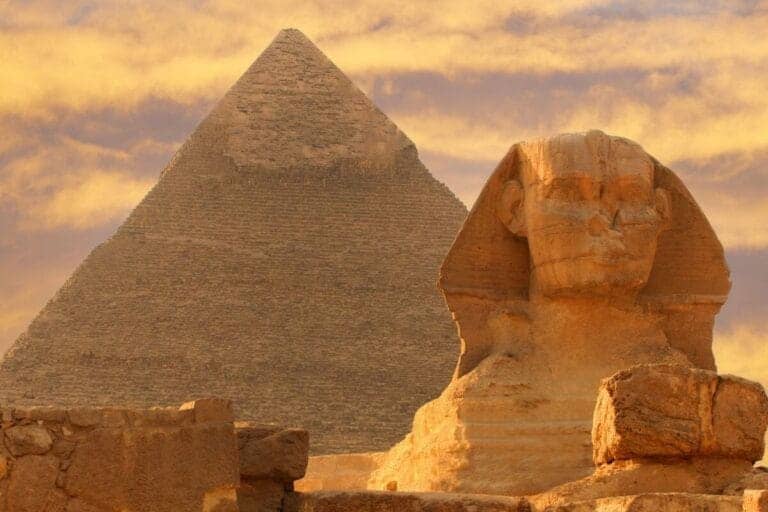
8-Day Private Egypt Tour with Nile Cruise
A 8 days Cultural & Heritage Tour route covering Egypt.
View tour details →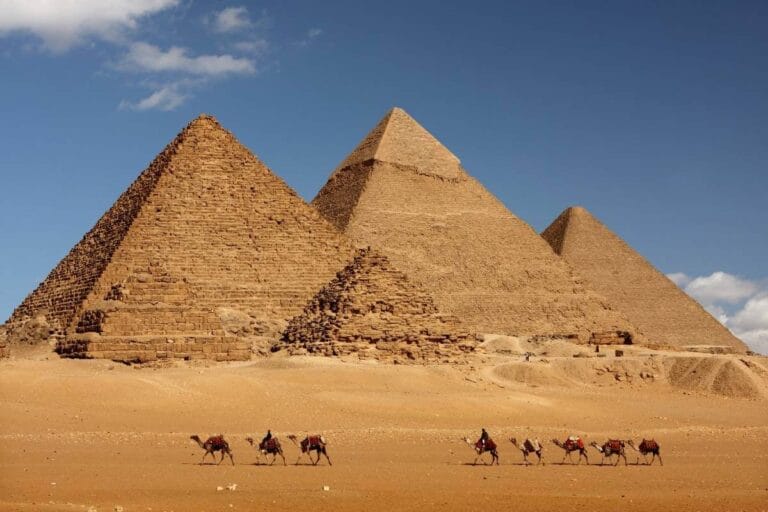
10-Day Egypt Tour: Cairo, Nile Cruise & Ancient Wonders
A 10 days Historical & Cultural Tour route covering Egypt.
View tour details →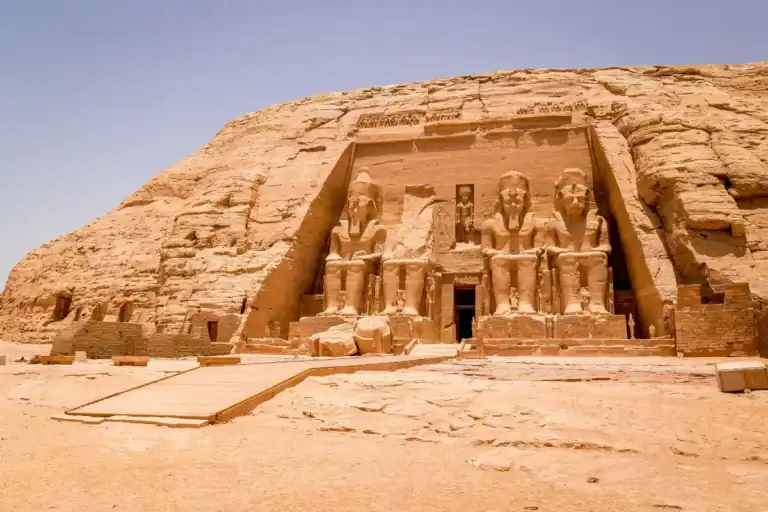
9-Day Best of Egypt Tour with 4-Night Nile Cruise
A 9 days Cultural & Heritage Tour route covering Egypt.
View tour details →17-Day Türkiye, Egypt & Jordan Highlights Tour
A 17 days Cultural & Heritage Tour route covering Turkey, Egypt and 1 more destination.
View tour details →Questions Travelers Often Ask About Egypt’s Ancient Sites
How many days are enough for Egypt’s main historical sites?
Seven to ten days is a practical range for Cairo, Giza, Luxor, and either Aswan or a Nile cruise. Five days can cover Cairo and Luxor at a faster pace. Add days for Alexandria, Abu Simbel, Saqqara, or a more relaxed cruise schedule.
What is the best month to visit Egypt’s monuments?
October through April generally brings more comfortable weather for long outdoor visits. December and January can be especially popular, while spring and fall may offer a useful balance of pleasant conditions and manageable crowds. Summer can work, but early starts and realistic expectations about heat are essential.
Do I need a guide at the pyramids and temples?
You can visit independently, but a licensed local guide is especially helpful at Karnak, the Valley of the Kings, Saqqara, and Giza, where historical context changes what you notice. A guide also helps coordinate site order, tickets, and practical timing, though travelers should still confirm exactly what is included.
Are entrance fees included in Egypt tour prices?
It depends on the itinerary. Some packages include listed sightseeing admissions, while others exclude certain entrances, optional tombs, interior pyramid access, camera fees, or gratuities. Read the inclusions and exclusions line by line instead of assuming that every site mentioned is covered.
Can I change or cancel an Egypt tour after booking?
Notice must be given at least 5 days before the tour starts. Non-refundable flight and bus ticket costs are deducted from the paid balance. With less than 5 days notice, or for a no-show, the full payment is non-refundable.
Make the Sites Work as One Well-Planned Trip
The strongest Egypt itinerary usually follows a clear progression: Cairo and Giza for the earliest dynasties, Luxor for royal tombs and monumental temples, then Aswan and the Nile Valley for a different scale of history. Avoid trying to see every landmark in a few days. Choose the sites that match your interests, protect time for travel between regions, and confirm the details that affect the experience most.
When you are ready to compare pacing, hotels, transfers, guides, and sightseeing priorities, plan your Egypt trip with One Nation Travel. The team can help shape an itinerary around the monuments you do not want to miss.