
Yes, Turkey is safe to visit in 2026 for most travelers—including first-time American visitors—if you use normal city awareness, follow local advice, and plan your route wisely. In my experience guiding travelers across the country for years, the real question is not “Is Turkey safe?” but “How do I travel Turkey smartly?”
That is exactly what I will show you in this honest Turkey travel safety guide. I was born and raised here, and after 18 years helping visitors move from Turkey Tours routes in Istanbul, Cappadocia, Ephesus, Pamukkale, and beyond, I can tell you this clearly: most tourist trips go smoothly, but a little local knowledge makes a very big difference. I also covered the broader route-planning side in my guide Is Turkey Safe in 2026? A 1-Week Turkey Itinerary and seasonal timing in Why You Shouldn’t Visit Turkey in Summer.
📋 Quick Facts
| Best Time to Visit | April-June and September-October for comfortable weather and smoother sightseeing |
| Time Needed | 7-10 days for a first trip covering Istanbul, Cappadocia, and Ephesus/Pamukkale |
| Difficulty | Easy to moderate; simple with guided planning, trickier if doing all transport independently |
| Must-Bring | Comfortable walking shoes, modest clothing for mosques, eSIM or mobile data, and travel insurance |
📊 Best Times to Visit
| Time | Crowd Level | Tip |
|---|---|---|
| Early Morning (7-9 AM) | 🟢 Low | Best for major sights in Istanbul and cooler walking conditions in open-air sites |
| Midday (11 AM-2 PM) | 🔴 High | Use this time for lunch, museum interiors, or transfers instead of long outdoor walks |
| Late Afternoon (4-6 PM) | 🟡 Medium | Very good for neighborhood strolls, viewpoints, and calmer photo stops |
Is Turkey safe to visit in 2026?
Turkey is safe for tourists in 2026 when you stay in the main travel corridors, keep up with current travel advisories, and use common sense the same way you would in Rome, Paris, or New York. Most visitors spend their time in well-known areas like Istanbul, Cappadocia, Ephesus, and Pamukkale, and these routes are heavily traveled every year.
I tell my American guests something simple: Turkey is not one single mood, one single headline, or one single map color. It is a large country. Tourist safety in Sultanahmet, Cappadocia, or the Aegean coast is very different from what people imagine when they read dramatic news without local context. If you plan carefully, book good transport, and avoid risky improvisation, your trip can be very comfortable.
What worries travelers most is usually one of these five things:
- Political headlines and regional news
- Petty theft in busy urban areas
- Taxi scams or transport confusion
- Earthquake concerns
- Solo travel safety, especially for women and first-timers
We will go through each one honestly, because that is where smart travel begins.
Private Airport Transfer
For most first-time visitors, the safest start in Turkey is a pre-booked transfer from Istanbul Airport (IST) or Sabiha Gökçen Airport (SAW). Depending on traffic, the drive to Sultanahmet or Taksim can take 45 to 90 minutes, and after a long flight I always prefer a fixed-price private transfer over airport taxi guesswork, wrong turns, or language confusion.
What are the real safety risks for tourists in Turkey?
The honest answer is this: for most travelers, the biggest risks are not dramatic ones. They are everyday travel problems—pickpocketing in crowded areas, overpaying for taxis, crossing streets carelessly, heat exhaustion in summer, or booking poor-quality transport online.
In very busy parts of Istanbul like around Grand Bazaar Istanbul, tram stops, ferry lines, and crowded squares, keep your phone and wallet secure. I have seen more trouble from absent-minded pockets than from anything else. A crossbody bag worn in front is better than a backpack pocket. Simple, yes—but it works.
Scams exist, but they are usually low-level and avoidable. The classic ones are:
- Taxi drivers not using the meter or taking a longer route
- Street overcharging in tourist-heavy nightlife zones
- Pushy sales tactics in some bazaars
- Unofficial tour sellers promising “luxury” and delivering chaos
This is why I usually tell travelers to arrange major services ahead of time. If you want a structured first trip, a route like the 7-Day Best of Turkey: Istanbul, Cappadocia & Ephesus removes many of the little stress points that create safety concerns in the first place.
Bilal’s Secret
If you ever feel uncertain in Istanbul, step into a hotel lobby or a family-run café rather than standing on the street with your phone out looking lost. Turkish hospitality is real, and a calm indoor reset with tea is often the quickest way to get honest directions and avoid the wrong kind of attention.
Pro Tip
Download offline maps before landing and screenshot your hotel address in both English and Turkish. This one small habit can save you money, time, and stress when your airport Wi-Fi disappears at the worst possible moment.
Is Istanbul safe for tourists?
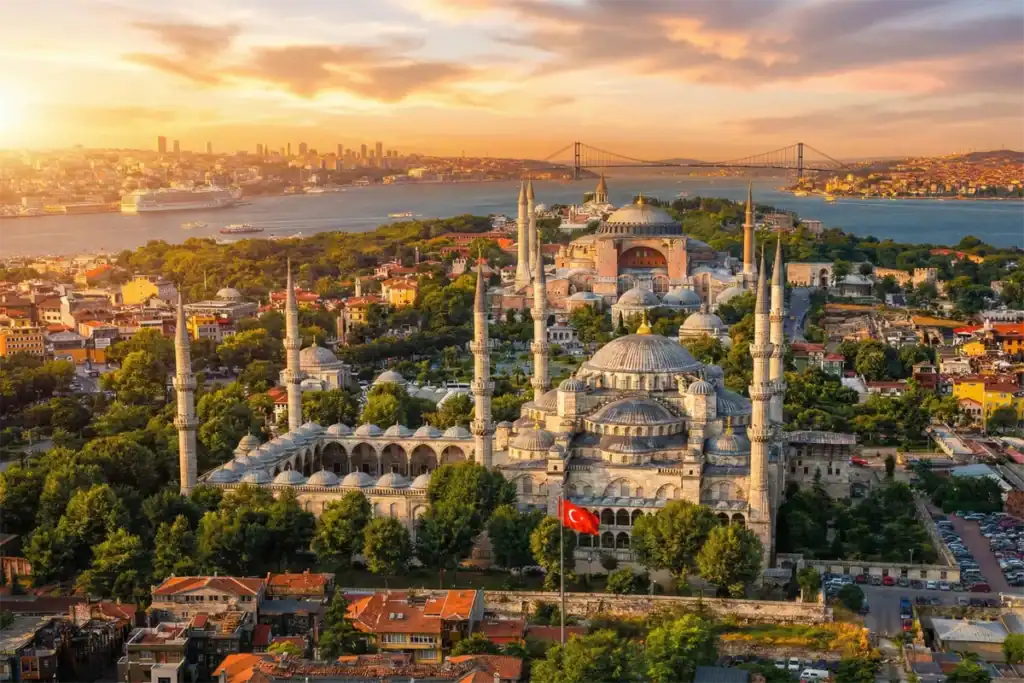
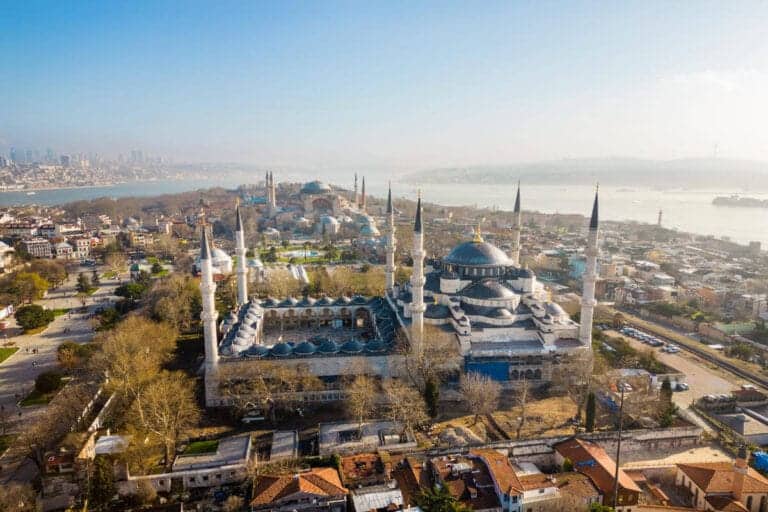
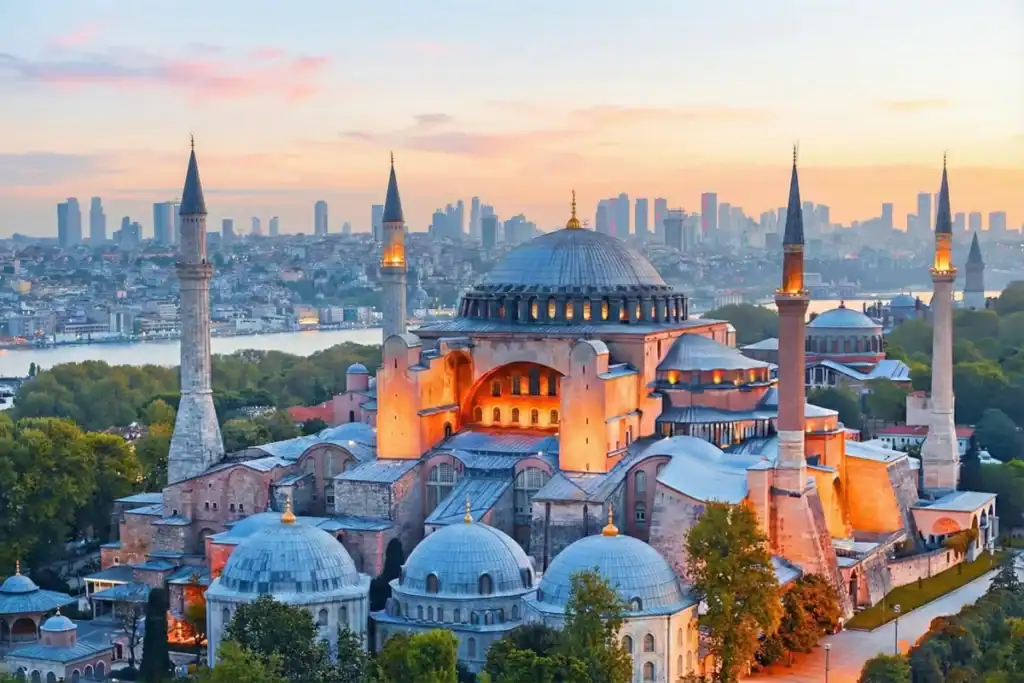
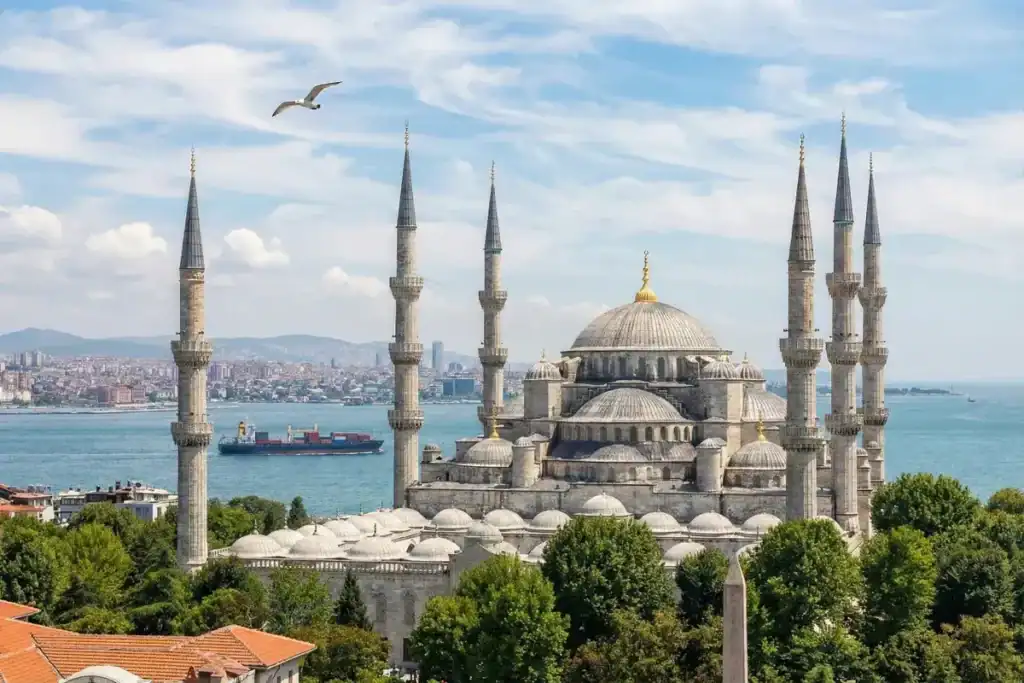
Yes, Istanbul is safe for tourists, especially in the main sightseeing districts. Areas around Hagia Sophia, Blue Mosque, Istanbul, Topkapi Palace, and the Bosphorus are full of visitors, local families, and tourism staff throughout the day.
But Istanbul is a giant city. Safe tourism here depends on neighborhood sense. Sultanahmet is easy for first-timers because the main historical sites are close together. Taksim and Karaköy can also be enjoyable, but they require a little more street awareness at night, just like entertainment districts in any major city.
My advice for Istanbul safety is practical:
- Stay in central, reviewed areas for your first trip
- Use registered transport or arranged transfers late at night
- Carry only the cash you need for the day
- Dress respectfully when visiting mosques
- Keep an eye on your belongings on trams and ferries
One more thing, my friend: traffic is often more dangerous than crime. Do not assume cars will stop because you reached a crosswalk. In Istanbul, I look twice, then a third time, and even then I cross like a cautious grandfather.
If you are comparing travel styles, I explained the comfort and control difference in Private Tour vs Group Tour in Istanbul. For many first-timers, better logistics equals better safety.
Price Alert (2026)
In Istanbul, tourist budgets often get hurt more by transport confusion than by anything else. Airport taxi prices can vary with traffic and route choices, while pre-booked transfers and guided packages usually give you clearer total costs. For day-to-day spending, I suggest reading my detailed cost breakdown in Istanbul Daily Budget 2026.
Is Cappadocia, Ephesus, and Pamukkale safe for tourists?
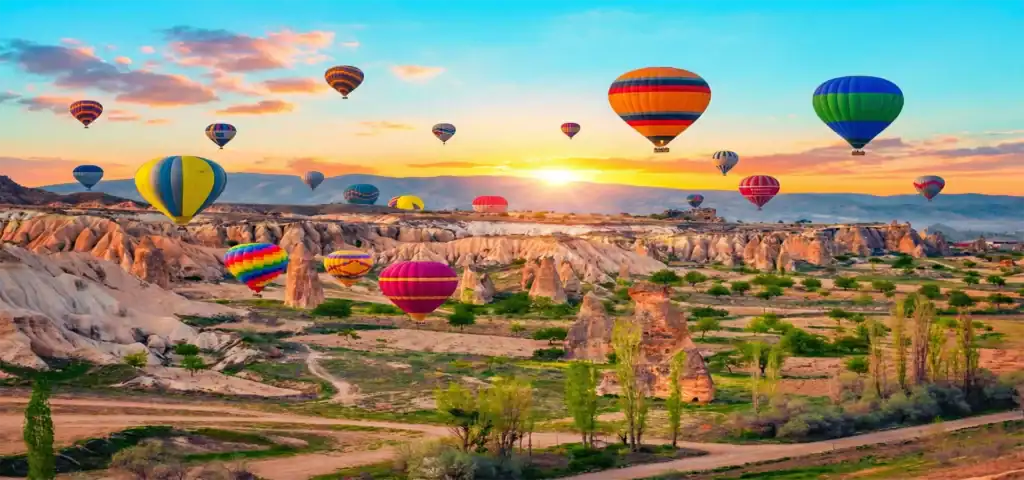
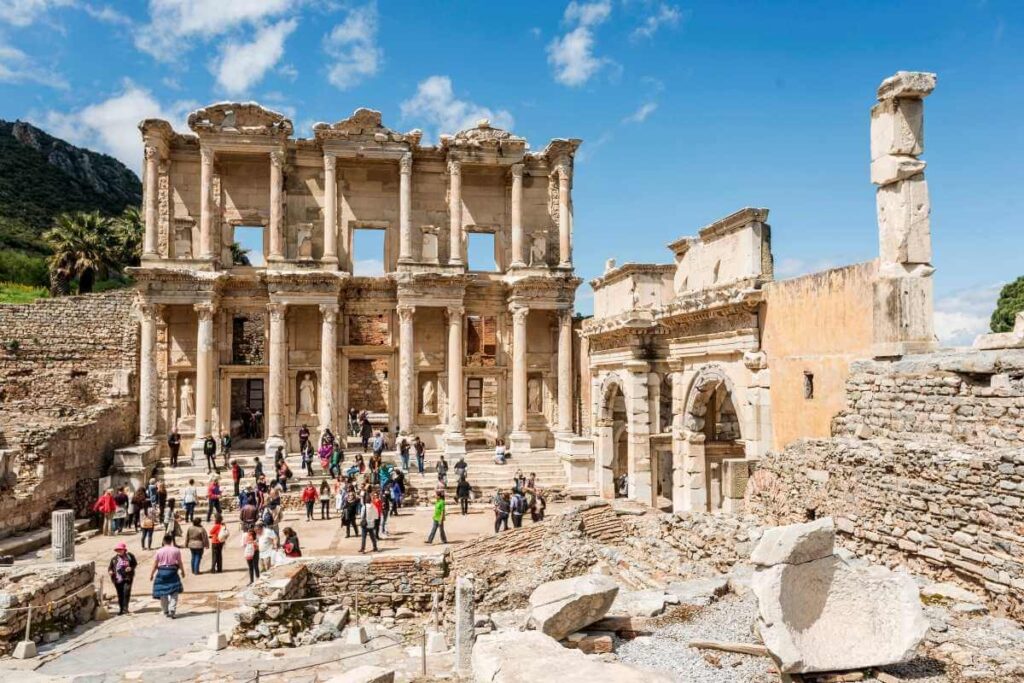
Yes—these are among the easiest and most comfortable places for international visitors. Göreme Open-Air Museum, the valleys around Cappadocia, the ancient streets of Ephesus Ancient City Ruins in Turkey, and the white terraces of Pamukkale Travertines are well established on the tourist map.
However, each place has its own kind of safety issue:
- Cappadocia: uneven ground, early morning starts, weather-related balloon cancellations, and occasional aggressive ATV driving
- Ephesus: heat, slippery marble, and long walking distances with little shade
- Pamukkale: slippery wet surfaces and strong sun exposure, especially in midday hours
I have walked these routes more times than I can count. The travelers who struggle are usually not the reckless ones—they are the underprepared ones. Wrong shoes, no water, no hat, and too much confidence under the Anatolian sun. Turkey rewards curiosity, but she also asks for respect.
If Cappadocia is on your route, my deeper planning advice is in Cappadocia Travel Guide for First-Time Visitors and 9 Cappadocia Mistakes Most Americans Make.
Local Flavor Alert
When I am in Cappadocia with guests, I always encourage them to try testi kebabı—the clay pot kebab—at a local restaurant in Göreme or Avanos. It is not just food; it is a warm, slow Anatolian meal, especially good after a long day in the valleys, and I find travelers relax more and make better decisions when they stop rushing and eat properly.
Is Turkey safe for solo travelers and women?
Turkey is generally safe for solo travelers, including women, especially on standard tourist routes. I have welcomed many solo American guests—teachers, retirees, students, photographers—and most tell me the same thing at the end: “I was more nervous before arriving than I needed to be.”
That said, solo travel works best when you are confident, modestly aware, and a little selective. In conservative areas, dressing respectfully helps you blend in better. In nightlife districts, avoid accepting invitations from strangers, and use verified transport after dark. These are not Turkey-specific rules—they are good travel rules anywhere.
For solo women in particular, here is my fatherly advice:
- Book accommodation with many recent reviews
- Share your daily route with a friend or family member
- Avoid isolated streets late at night
- Use guided day trips for more remote sites
- Trust your instincts if a situation feels off
Turkish people are often warm and curious, sometimes more talkative than Americans expect. Most of this is friendliness, not danger. But you never owe your time to anyone. A polite, firm “No, teşekkürler” goes a long way.
Pro Tip
If you are traveling solo, choose daytime arrival flights between cities whenever possible. Reaching a new destination in daylight makes hotel check-in, orientation, and local transport much easier and safer than arriving tired after dark.
What about earthquakes, politics, and regional concerns?
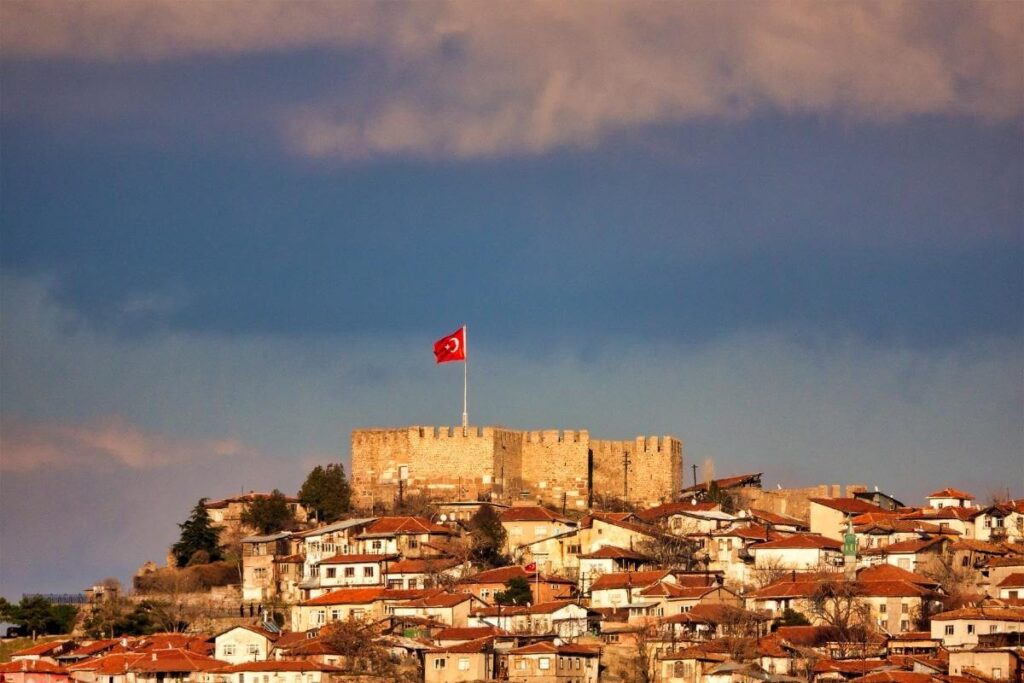
This is the part many articles avoid, but I will not avoid it. Turkey safety 2026 includes understanding that this is a large, active country with real-world issues—earthquakes, political events, demonstrations, and regional border sensitivities. But these concerns do not affect every destination equally.
For most tourists visiting Istanbul, Cappadocia, Ephesus, Pamukkale, or the Aegean coast, the sensible approach is this:
- Check official travel advisories before departure
- Stay away from demonstrations or large political gatherings
- Do not travel independently to sensitive border areas unless you have a specific reason and current local guidance
- Choose hotels with strong recent reviews and modern safety standards
On earthquakes: this is a valid concern, not something to dismiss. I advise guests to learn the basic emergency exit route in every hotel, keep shoes and phone near the bed, and know the front desk number. Usually you will never need this information. But smart travelers prepare quietly and then enjoy their trip with a lighter heart.
If you want broader planning help before your trip, my article Complete Turkey Travel Guide 2026 pairs well with this safety guide.
🗺 Suggested Route
For a low-stress first trip, I recommend this route: arrive in Istanbul and spend 3 days around Sultanahmet, the Bosphorus, and key museums; fly to Cappadocia for 2 days of valley viewpoints and cave-town exploring; then continue to Selçuk/Ephesus for 1-2 days before returning via Izmir. This route keeps you on well-traveled tourism corridors, reduces long ground transfers, and makes logistics much safer and smoother for first-time visitors.
How can tourists stay safe in Turkey in 2026?
If you ask me for the shortest answer, I will give you this: plan well, move calmly, and do not try to save ten dollars in ways that create one hundred dollars of stress. That is the heart of is Turkey safe for tourists in practical terms.
Here are my best safety tips for Turkey in 2026:
- Book airport transfers or reputable transport. Your first and last travel day are when confusion happens most.
- Stay in central areas. Convenience reduces risk.
- Carry small bills. It helps with taxis, snacks, and avoiding payment arguments.
- Wear proper shoes. This matters in Hierapolis-Pamukkale, Ephesus, and Cappadocia more than people realize.
- Respect local customs. Especially at mosques and in smaller towns.
- Use guided tours for complex multi-stop routes. They reduce transport mistakes and wasted time.
- Do not overpack your schedule. Tired travelers make poor decisions.
For many first-time visitors, a structured itinerary is the sweet spot between freedom and support. If you want the classic route with fewer logistical headaches, I often recommend the 7-Day Best of Turkey: Istanbul, Cappadocia & Ephesus or, for travelers wanting a slightly longer pace, the 10-Day Best of Turkey: Istanbul, Pamukkale, Ephesus, Cappadocia.
And if you are still deciding between styles, compare independent planning versus expert help in Group Tours vs Private Tours in Turkey 2026. Safety often improves when logistics are handled by people who know the ground.
Price Alert (2026)
Travel insurance, private transfers, and better-located hotels may raise your upfront budget slightly, but they often save money when plans change. In my experience, the cheapest-looking Turkey trip can become the most expensive one once missed flights, taxi issues, and poor hotel locations start piling up.
So, should you visit Turkey in 2026?
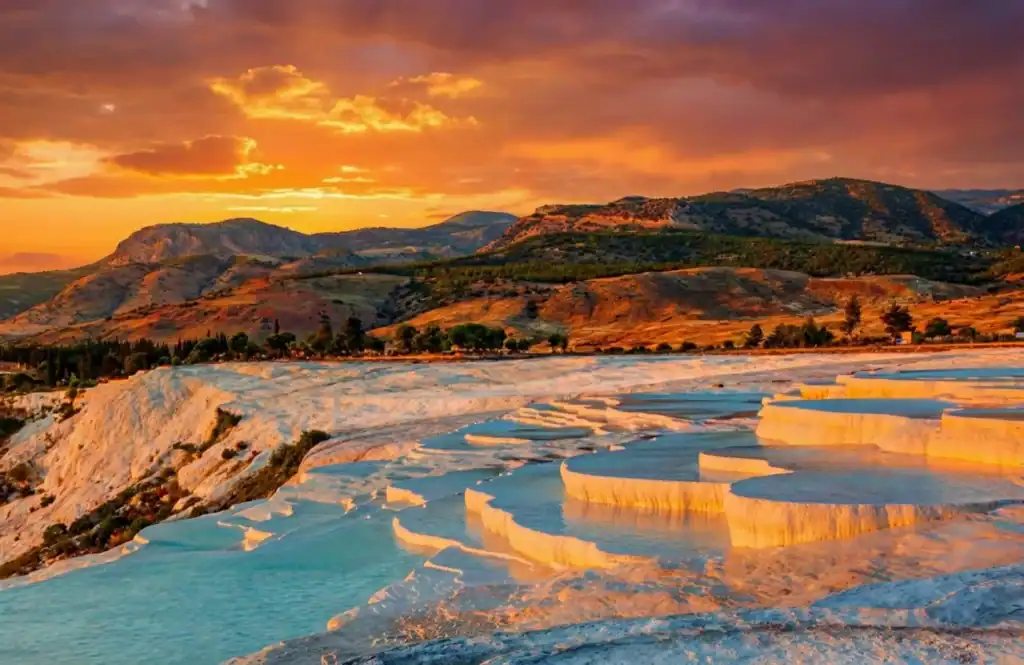
Yes, I believe you should—if Turkey is already calling your heart. For the vast majority of travelers, this country offers a safe, warm, and well-rounded trip when approached with good planning. You can stand before Bosphorus waters in Istanbul, watch sunrise colors over Cappadocia, and walk the marble avenues of Ephesus in one journey. That combination is not easy to find elsewhere.
The key is not blind optimism. The key is informed confidence. That is how I want my guests to travel: eyes open, shoulders relaxed, and itinerary built with local sense.
If you would like help shaping a comfortable and secure Turkey route, you can plan your trip with us here. I always say this gently: a good trip begins long before the airplane door opens.
About Bilal’s Insider
This article was written by our Turkey expert, Bilal. A seasoned travel expert with 18 years of experience exploring every corner of Turkey. A local secrets keeper who shares deep knowledge like a trustworthy fatherly travel companion. Born and raised in Turkey, he knows the hidden corners that no guidebook mentions.
✈ Recommended Tour
7-Day Best of Turkey: Istanbul, Cappadocia & Ephesus is one of my favorite first-trip routes because it keeps you on Turkey’s most comfortable and rewarding tourism path while reducing transport stress. In 7 days, you see the classics with a much smoother safety profile than trying to build the entire trip from scratch.
Frequently Asked Questions
Is Turkey safe to visit for American tourists in 2026?
Yes, for most American tourists Turkey is safe to visit in 2026, especially on the main travel routes such as Istanbul, Cappadocia, Ephesus, and Pamukkale. The best approach is to monitor official advisories, use reliable transport, and avoid unnecessary last-minute improvisation.
Is Istanbul safe for first-time visitors?
Yes, Istanbul is generally safe for first-time visitors, especially in central districts like Sultanahmet. The most common issues are petty theft, taxi overcharging, and normal big-city confusion rather than serious danger.
Is Turkey safe for solo female travelers?
Turkey is generally safe for solo female travelers on popular tourist routes if they use the same precautions they would in any major destination. Staying in reviewed hotels, using verified transport, and avoiding isolated areas late at night are the most important habits.
What is the biggest safety concern for tourists in Turkey?
For most visitors, the biggest practical concerns are petty theft in crowded places, transport scams, and heat or walking-related fatigue at outdoor historical sites. These are manageable with good planning and a little awareness.
Are Cappadocia and Ephesus safe to visit?
Yes, both Cappadocia and Ephesus are safe and popular with international travelers. The main issues there are physical ones such as uneven terrain, slippery stone, strong sun, and long walking distances rather than crime.
Should I book a guided tour in Turkey for safety?
For many first-time travelers, yes. A guided tour can improve safety by simplifying airport transfers, domestic transport, timing, and hotel logistics, especially if you are visiting multiple regions in one trip.