
The quick answer: January is one of the coldest months in Turkey, with very different conditions by region. Expect chilly, wet days in Istanbul, frequent snow and subfreezing temperatures in Cappadocia and Ankara, and milder—but often rainy—weather along the Mediterranean and Aegean coasts. It’s a good month for fewer crowds, winter scenery, museums, and ancient sites, provided you pack layers and keep your schedule flexible.
January suits travelers who value quieter sightseeing and don’t mind planning around rain, snow, and shorter daylight hours. The most important choice is not whether Turkey is “warm enough,” but which regions fit your comfort level: Istanbul for city culture, Cappadocia for snowy landscapes, or the south coast for the mildest conditions.
What to Know Before a January Trip

- Istanbul is generally cold, damp, and occasionally snowy, with temperatures commonly around 37–48°F (3–9°C).
- Cappadocia and Ankara are much colder, often falling below freezing; snow can make the landscapes beautiful but may affect road travel and balloon flights.
- Antalya and the Aegean coast are the mildest major sightseeing regions, though rain and cool evenings are still likely.
- January usually means lower visitor numbers at major museums and archaeological sites, but some attractions operate on reduced winter hours.
- A well-planned winter route should allow buffer time between regions rather than relying on tightly timed connections.
January Weather Across Turkey’s Main Regions
Turkey spans several climate zones, so a January itinerary can involve a major shift in temperature within a few days. A trip combining Istanbul, Cappadocia, and the Mediterranean coast calls for a more flexible packing list than a city break based in one region.
| Region | Typical January Range | What It Usually Feels Like | Best Suited To |
|---|---|---|---|
| Istanbul and Marmara | 37–48°F (3–9°C) | Cold, humid, rainy, and occasionally snowy | Museums, food, historic neighborhoods, indoor cultural days |
| Central Anatolia: Cappadocia and Ankara | 28–39°F (-2–4°C) | Cold, dry-to-snowy conditions; nights can be well below freezing | Winter landscapes, cave areas, photography, snow lovers |
| Aegean and Mediterranean coasts | 45–59°F (7–15°C) | Milder daytime weather, with rain possible | Ancient ruins, coastal walks, quieter city stays |
| Eastern Turkey | 14–28°F (-10 to -2°C) | Serious winter conditions and regular snow | Ski trips and travelers prepared for severe cold |
Istanbul: Cold, Damp, and Still Rewarding
Istanbul is rarely comfortable in January without a proper coat, but it remains a strong choice for a winter city break. Rain is more common than deep snow, although snowstorms can occur. Wind from the Bosphorus can make temperatures feel colder than the forecast suggests, especially on open waterfronts and ferry crossings.
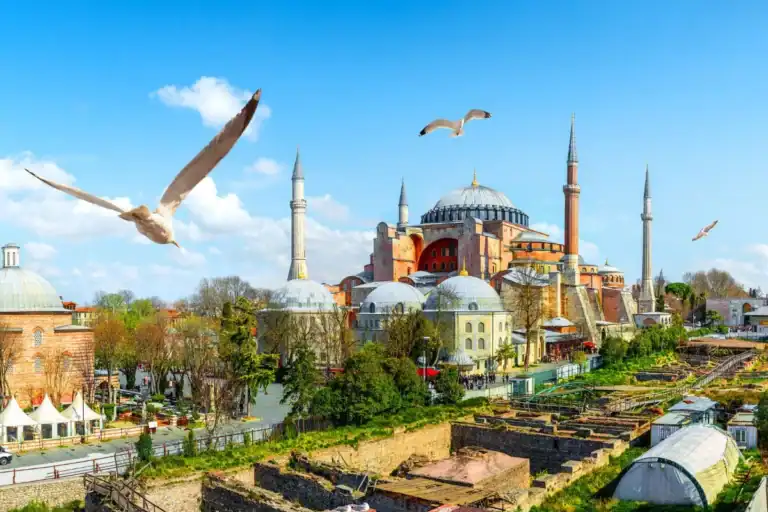
January is ideal for building a flexible city itinerary around indoor highlights such as the Topkapi Palace Museum, the Hagia Sophia Grand Mosque, the Grand Bazaar, and the Spice Bazaar. Keep one or two indoor alternatives ready if rain makes a long walking day less appealing.
Cappadocia and Ankara: Proper Winter Conditions
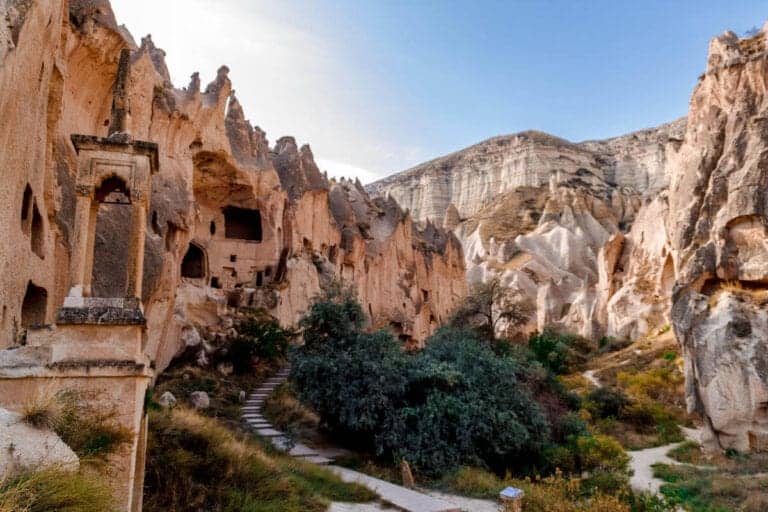
Cappadocia can be striking in January, when snow settles on valleys, fairy chimneys, and cave dwellings. It can also be genuinely cold, particularly before sunrise and after dark. Travelers should expect icy paths in places such as Göreme National Park and allow extra care on uneven terrain.
Hot-air balloon flights operate only when weather and aviation conditions permit. A scheduled balloon flight should be treated as a hoped-for experience, not the single make-or-break reason for a January trip. If it matters greatly, plan at least two or three mornings in the region so there is a realistic chance of a rescheduled flight.
Ankara is also cold in January and can receive snow. It works best for travelers interested in the capital’s museums and national history, including Anıtkabir, rather than those seeking mild weather.

The Aegean and Mediterranean: The Mildest Sightseeing Option
The south and west coasts are not beach-weather destinations in January, but they are often the easiest choice for travelers who want archaeological sites without severe cold. Antalya can have pleasant daytime breaks between rainy spells, while evenings still call for a jacket or warm layer.
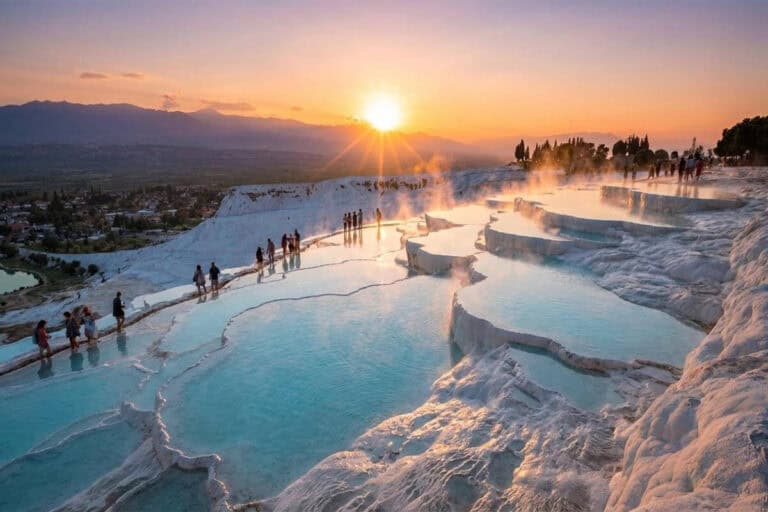
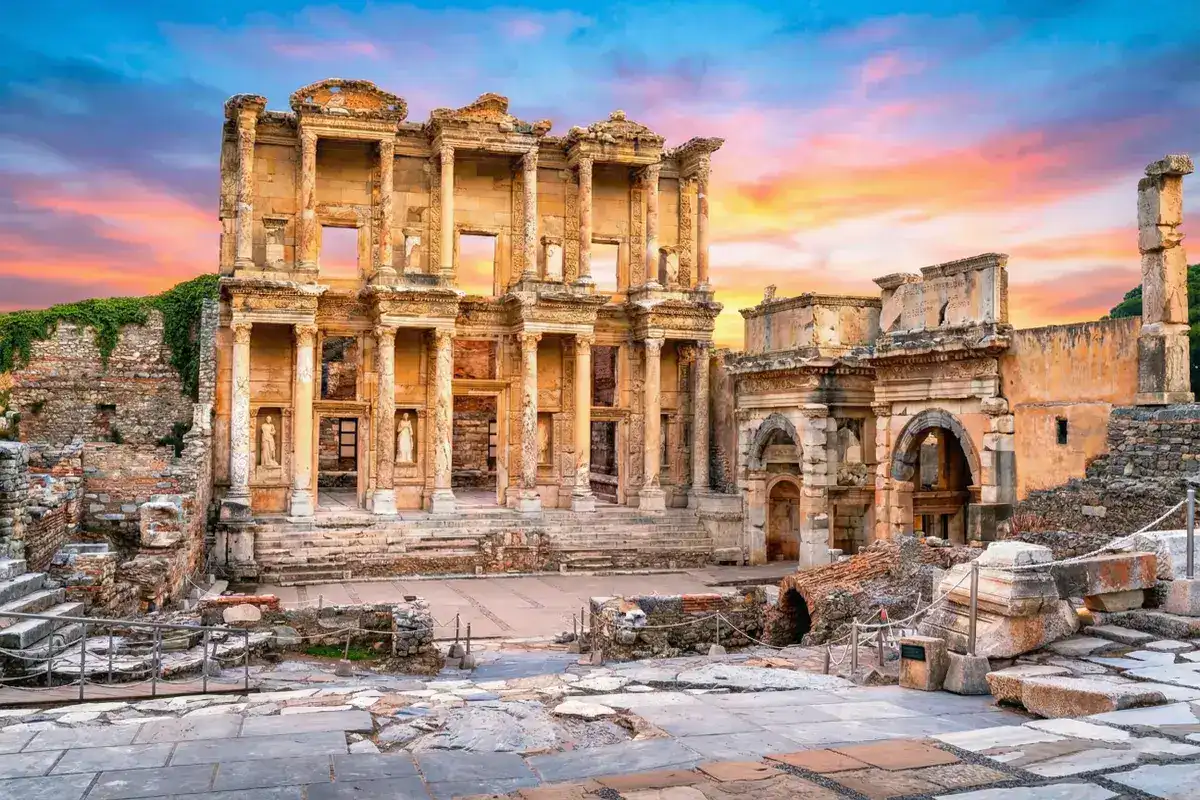
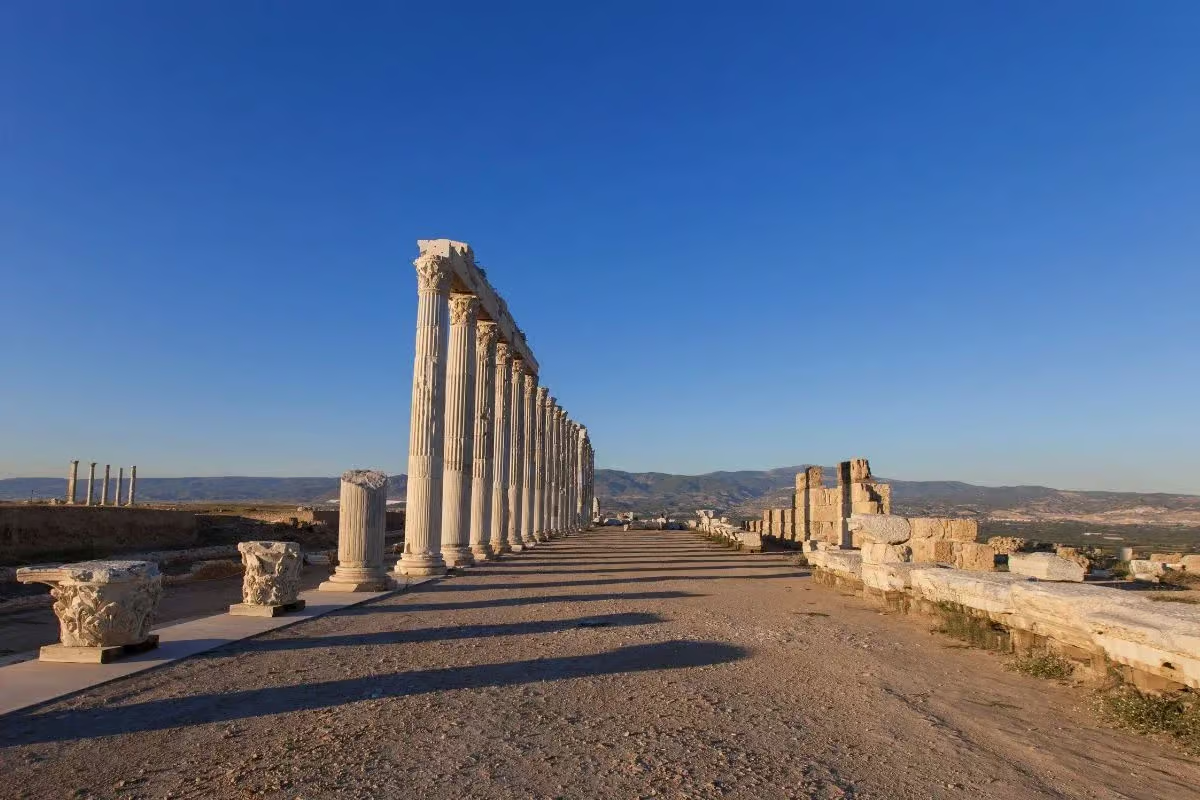
This is a practical time to explore sites such as Perge Ancient City, Aspendos Theater, Ephesus, and Pamukkale. Rain can make marble paths and travertine surfaces slippery, so shoes with grip matter more than stylish footwear.
What January Travel Feels Like Day to Day
Winter travel in Turkey is less about constant bad weather and more about changing conditions. A clear morning can turn wet or windy by afternoon, while a snowy Cappadocia day may be bright and calm but sharply cold. Check forecasts shortly before each regional transfer, especially if you are flying or traveling by road through Central Anatolia.
Daylight and Sightseeing Pace
Days are shorter in January, so it pays to begin outdoor sightseeing early. Ancient sites and viewpoints are more enjoyable when you have daylight to spare, particularly if a route includes weather-sensitive roads or a late-afternoon transfer. Avoid building an itinerary that requires every connection to run perfectly on time.
For Istanbul, a smart winter day combines one substantial indoor visit with one outdoor area. For example, pair a museum with a walk around Sultanahmet, or explore Karaköy before warming up in a café. For Cappadocia, schedule valley walks and outdoor viewpoints around the warmest part of the day.
Rain, Snow, and Road Conditions
Road travel can be slower after snow or heavy rain, particularly on longer intercity routes. This does not mean winter routes are impractical, but it does mean travelers should avoid booking narrowly timed onward flights or nonrefundable arrangements immediately after a long transfer.
Practical planning tip: If a January itinerary includes Cappadocia, allow an extra night before an important international departure whenever possible. A little flexibility is more valuable than trying to fit every highlight into a rigid schedule.
What to Pack for Turkey in January
Pack for the coldest place on your itinerary, not only the city where you land. A traveler visiting Istanbul and Antalya needs rain protection; someone adding Cappadocia needs winter insulation as well.
- Waterproof outer layer: A jacket with a hood is more useful than relying on an umbrella in windy weather.
- Warm mid-layers: Sweaters, fleece, or wool layers make it easier to adjust to heated museums, vehicles, and cold streets.
- Insulated footwear with grip: Essential for snow, wet cobblestones, and uneven archaeological ground.
- Hat, gloves, and scarf: Particularly important for Cappadocia sunrise outings, ferry crossings, and evening walks.
- Small day bag: Keep water, tissues, a power bank, and a dry layer accessible rather than in checked luggage.
- Modest sightseeing clothing: Bring options suitable for visiting active mosques, including the Blue Mosque.
Do not assume that thermal pools will feel like a summer swim. The water at Pamukkale Thermal Pools can be appealing in cool weather, but the walk between changing areas and outdoor sections may be cold. Bring a warm layer for before and after.
Costs, Crowds, and January Booking Strategy
January is generally outside Turkey’s main leisure travel season, which can mean more hotel choice and fewer crowds at famous sites. It does not guarantee the lowest price for every component. School holidays, weekend demand, domestic flights, special events, and room category can all affect the final cost.
Rather than booking solely because a headline rate looks low, compare what is actually included: hotel category, domestic transportation, airport transfers, sightseeing admissions, meals, and whether activities such as balloon flights are optional. Winter weather can also affect the practical value of a packed itinerary; a slightly slower route is often the better purchase.
For travelers wanting a structured multi-region route, the 6-Day Best of Turkey Tour from Istanbul starts from USD 1,150, while the longer 15-Day Grand Turkey Tour starts from USD 2,849. These are starting prices and can change, so confirm the current itinerary, departure date, and inclusions before reserving.
Travelers comparing seasons may also find the best month for a first Turkey trip useful, while the Turkey travel tips article covers practical arrival, etiquette, and transportation questions.
Which January Route Is Right for You?
Choose Istanbul only if you want a flexible winter city break
This is the simplest January option for travelers who prefer museums, food, shopping, and historic neighborhoods over outdoor adventure. Stay long enough to absorb a rainy afternoon without feeling that the trip has been disrupted. It is also a good fit for first-time visitors who want to avoid internal flights and frequent hotel changes.
Choose Istanbul and Cappadocia if winter scenery matters more than warmth
This classic pairing offers the greatest contrast: urban history followed by snowy volcanic landscapes. It suits travelers comfortable with early mornings, cold temperatures, and a weather-dependent balloon plan. Build in extra time in Cappadocia, wear proper winter shoes, and do not schedule the balloon flight on your final morning.
Choose the Mediterranean or Aegean if you want milder outdoor sightseeing
Antalya, Ephesus, and Pamukkale are usually more comfortable than Central Anatolia in January. This route is best for history-focused travelers who want to walk through ruins with fewer crowds, rather than travelers expecting warm beach conditions. Check winter opening times and prepare for rain.
Choose a longer escorted route if you want fewer logistics to manage
A multi-stop winter trip requires attention to weather, transfers, and realistic sightseeing pace. A planned route can reduce the work of coordinating each segment, but travelers should still verify the day-by-day order, arrival airport, hotel changes, optional activities, and what happens if weather affects a scheduled service. For broader route ideas, see the Complete Turkey Travel Guide and the group tour versus private tour comparison.
Choose your next step
Recommended Turkey tours
These verified options are the closest available matches for this article’s destination, route intent, and trip length.
15-Day Grand Turkey Tour
A 15 days Cultural & Heritage Tour route covering Turkey.
View tour details →
6-Day Best of Turkey Tour from Istanbul
A 6 days Cultural & Heritage Tour route covering Turkey, Istanbul.
View tour details →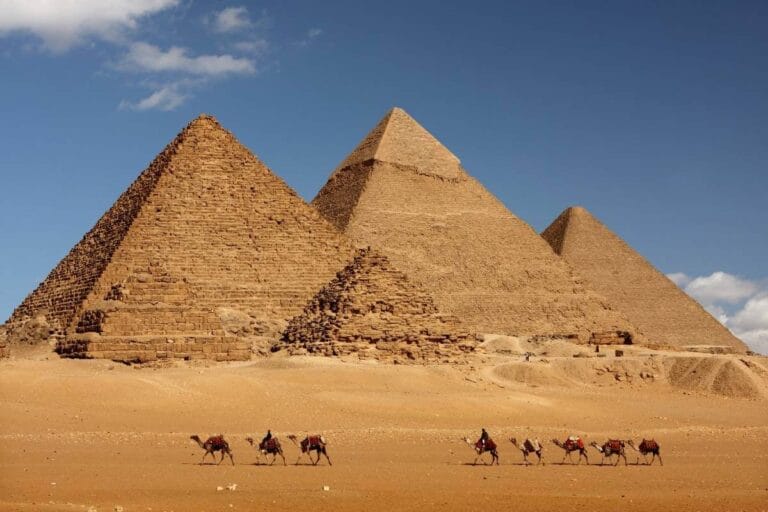
10-Day Turkey & Egypt Tour Package
A 10 days Cultural & Heritage Tour route covering Turkey, Egypt.
View tour details →
12-Day Wonders of Turkey and Jordan Tour
A 12 days route covering Turkey, Jordan.
View tour details →January Travel Questions, Answered
Is January a good time to visit Cappadocia?
Yes, if you are prepared for real winter weather. Snow gives Cappadocia a distinctive look and visitor numbers are often lower, but temperatures can be below freezing and balloon flights may be postponed or canceled due to conditions.
Can you swim in Turkey in January?
For most travelers, no. The Mediterranean and Aegean coasts are much cooler than summer, and sea temperatures are generally not suitable for a typical beach vacation. Heated hotel pools and thermal facilities may be available, but they should be confirmed with the specific property.
Does it snow in Istanbul in January?
It can snow, but snowfall is not guaranteed and often does not last long in central areas. Rain and cold wind are more dependable expectations, so plan for wet weather even if the forecast shows no snow.
Are major attractions open in January?
Most major attractions remain open, but winter schedules, weekly closures, maintenance work, and religious observances can affect access. Confirm opening hours shortly before your visit, especially for museums, archaeological sites, and active mosques.
Is January cheaper than summer in Turkey?
It can be, particularly for accommodation and some tours, but there is no universal low-season price. Airfare, domestic flights, room type, and travel dates can still make a January trip expensive, so compare the total trip cost rather than one component alone.
Is Turkey Worth Visiting in January?
Turkey in January is worth considering if you want a quieter, more atmospheric trip and are willing to dress for the season. Choose Istanbul for culture and indoor flexibility, Cappadocia for snow-covered scenery, or the southern coast for the mildest conditions. The best winter itineraries leave room for weather changes rather than treating every day as fixed.
When you are ready to compare routes, timing, and the right pace for your group, plan your Turkey trip with One Nation Travel. The team can help coordinate a January itinerary around the regions and experiences that matter most to you.