
The practical answer: A well-paced Turkey itinerary usually needs 7 to 14 days. First-time visitors should prioritize Istanbul and Cappadocia, then add Pamukkale and Ephesus for ancient sites or Antalya for Mediterranean downtime. Build the route around domestic flights or sensible overland connections, avoid packing too many one-night stops into the trip, and leave room for weather-dependent experiences such as Cappadocia ballooning.
Turkey works especially well for travelers who want major historical landmarks, striking landscapes, food culture, and a few slower days in one trip. The key decision is not whether there is enough to see—there is—but which regions deserve your limited time. A focused route will feel far more rewarding than trying to cover the entire country in a week.
What Matters Most When Planning Turkey
- Give Istanbul at least three nights if it is your first visit; arrival day rarely counts as a full sightseeing day.
- Plan two or three nights in Cappadocia if a hot-air-balloon flight is important, since departures depend on suitable weather.
- For a seven-day trip, choose Istanbul, Cappadocia, and either Ephesus/Pamukkale or Antalya—not all of them.
- Domestic flights often save valuable vacation time, while overnight buses can suit travelers prioritizing a lower upfront cost over comfort and daytime sightseeing.
- Use a westbound route—Cappadocia to Pamukkale to Ephesus—to reduce backtracking when you have 10 days or more.
- Prices vary by season, hotel standard, flight availability, private versus small-group touring, and what is included. Review inclusions rather than comparing headline prices alone.
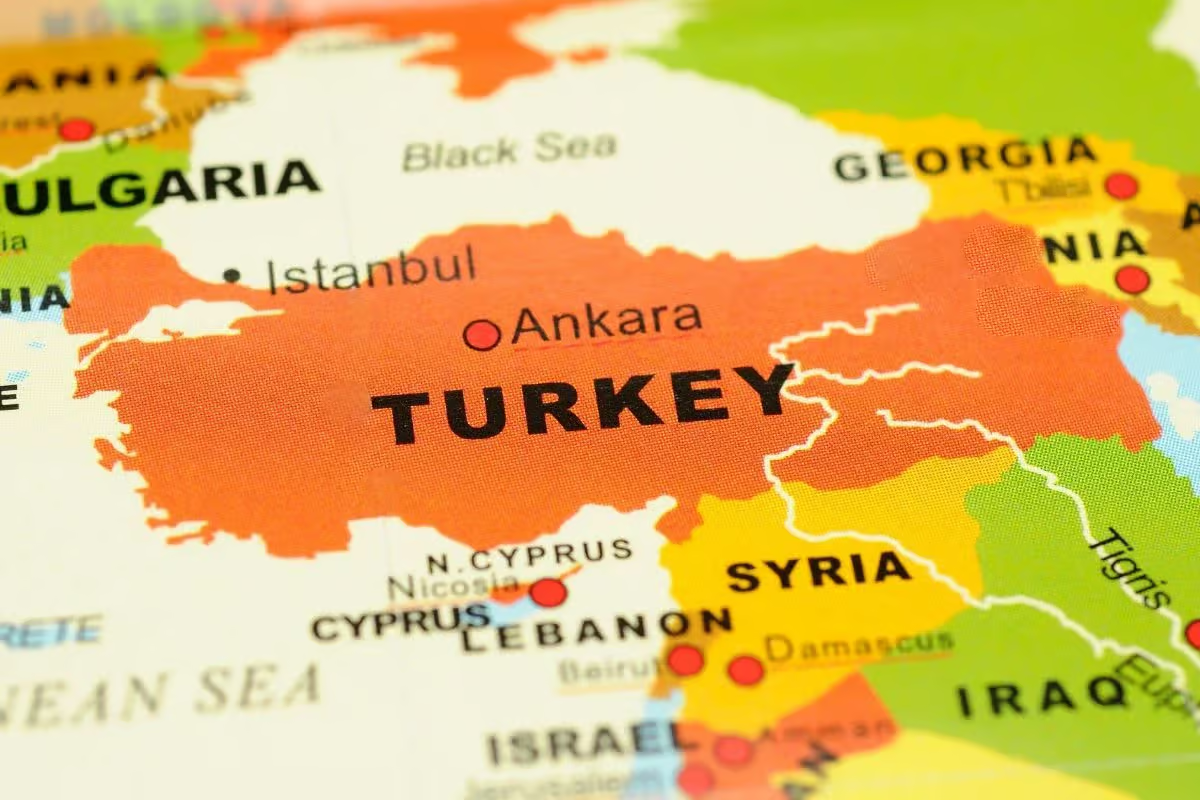
How Many Days Do You Need for Turkey?
Seven days is enough for a strong introduction. Ten days gives you the classic cultural route without constant rushing. With 14 days, you can add the coast and spend more time in each place rather than treating landmarks as quick photo stops.
| Trip length | Best route | Best for |
|---|---|---|
| 7 days | Istanbul + Cappadocia + one west-coast stop | First-time visitors with limited vacation time |
| 10 days | Istanbul + Cappadocia + Pamukkale + Ephesus | Travelers who want Turkey’s signature city, landscape, and archaeological highlights |
| 14 days | Istanbul + Cappadocia + Pamukkale + Ephesus + Antalya | Travelers wanting history plus Mediterranean scenery and a slower finish |
If you have fewer than seven days, don’t attempt a country-wide loop. A focused Istanbul-and-Cappadocia trip is usually the better call. For a detailed shorter route, see the best 6-day Turkey itinerary.
A Practical 7-, 10-, or 14-Day Turkey Route
Seven days: Istanbul, Cappadocia, and one additional region
Spend three nights in Istanbul and two or three nights in Cappadocia. Use your remaining time for either Ephesus and its surrounding sites or Antalya, depending on what you enjoy most.
Choose Ephesus if Roman cities, religious heritage, and archaeological sites are priorities. Choose Antalya if you would rather finish with coastal scenery, old-town walks, and a calmer pace. Trying to add Pamukkale, Ephesus, and Antalya in one week usually turns the trip into a string of transfers.
Ten days: the classic highlights route
A balanced 10-day route is Istanbul, Cappadocia, Pamukkale, and Ephesus. Begin with Istanbul’s major imperial sites, fly to Cappadocia, then continue west through Pamukkale and the Selçuk/Ephesus area. This route gives you enough time for the major sights while keeping hotel changes manageable.
For a day-by-day version with different routing options, compare the ultimate 10-day Turkey itinerary with the perfect 7-day Turkey itinerary before finalizing flights.
Fourteen days: add Antalya without rushing
With two weeks, continue from Ephesus toward Antalya for three nights. This adds time for beaches, Roman sites, and relaxed meals after a more active cultural itinerary. Keep the final night near the airport you are departing from, especially if your international flight leaves early.

Start in Istanbul: Allow Time for the Essentials
Istanbul deserves more than a single overnight stop. The old city’s headline sights are close together, but entry lines, prayer times, museum visits, hills, ferry crossings, and meals all take time. Plan one concentrated historic-peninsula day and one day that looks beyond it.
- Hagia Sophia Grand Mosque and the Blue Mosque are best visited with modest clothing and a flexible schedule for mosque access.
- Topkapi Palace Museum can easily take several hours, especially if you wish to explore more than the main courtyards.
- Grand Bazaar Istanbul and the Spice Bazaar work well as flexible late-afternoon stops rather than fixed all-day activities.
- A Bosphorus cruise is a useful way to see the city’s European and Asian shores without adding another long day of walking.
Planning tip: Avoid scheduling a domestic flight on the same day as a packed Istanbul sightseeing program. Traffic and airport transfer times can turn an otherwise enjoyable final day into a stressful one.
Make Cappadocia a Two- or Three-Night Stop
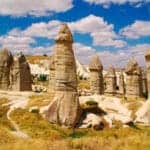
Cappadocia is more than a balloon photograph. Its valleys, carved churches, rock formations, and underground settlements need daylight and a little breathing room. Two nights is the efficient minimum; three nights is the more comfortable choice for travelers who want ballooning, hiking, and cultural sites without an early-morning scramble every day.
Start with Göreme National Park, where rock-cut churches and volcanic formations explain why the region is so distinctive. Add Pasabag Monks Valley for its fairy chimneys, Ortahisar Castle for village views, and a Cappadocia underground city if enclosed spaces are comfortable for you.
A sunrise balloon ride is weather-dependent, so travelers who consider it a priority should book the ride for their first available morning and keep the next morning open as a backup where possible. Check the provider’s weather, cancellation, pickup, and rebooking procedures before confirming.

Continue West: Pamukkale and Ephesus
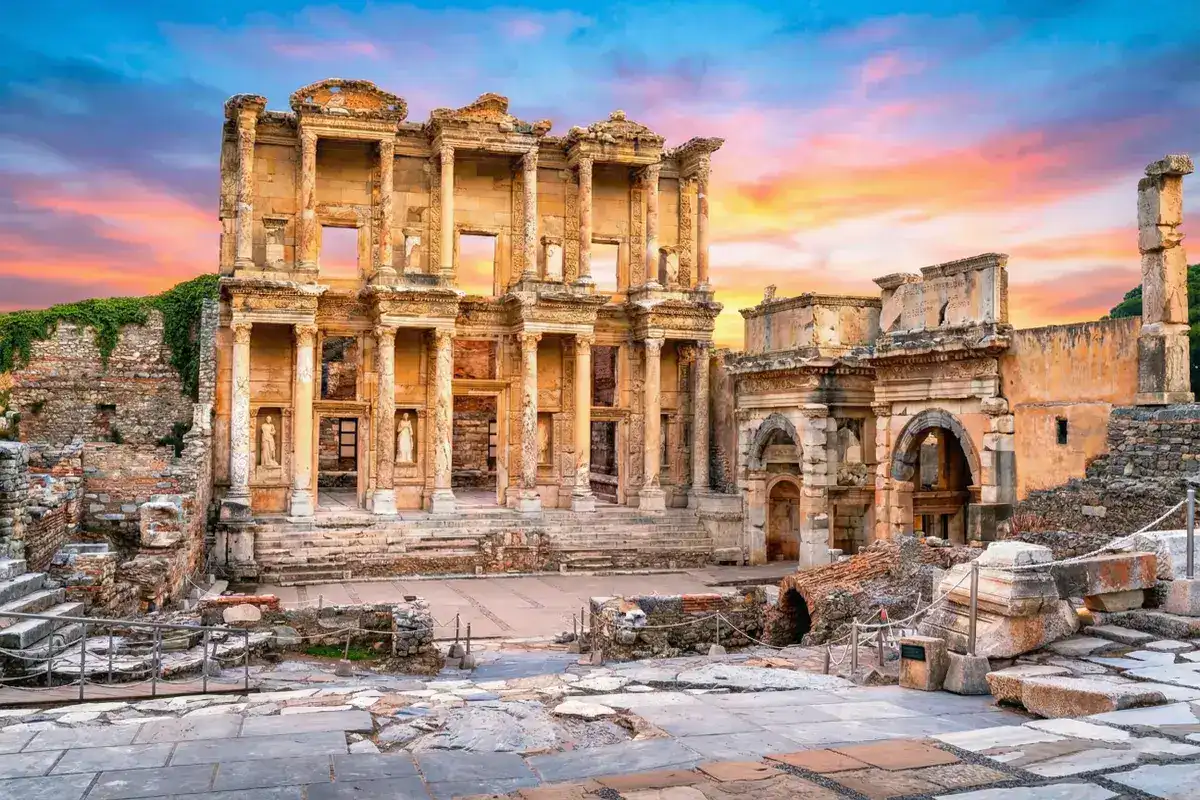
Pamukkale and Ephesus fit naturally into a 10- or 14-day itinerary, but they offer very different experiences. Pamukkale is a landscape-and-ruins stop; Ephesus is a full archaeological day that rewards travelers who want context and time on site.
Pamukkale: terraces, ruins, and realistic expectations
The white mineral terraces of Pamukkale are visually remarkable, but the water level and visitor access can vary by season and site management. Go early or later in the day for cooler temperatures and fewer crowds. Pair the terraces with Hierapolis-Pamukkale, whose streets, necropolis, and theater offer more than a quick stop.
If you are considering a swim, confirm the current access and separate admission arrangements for the Cleopatra Pool at Pamukkale before you travel.
Ephesus: plan for heat, distance, and nearby sites
Ephesus is best approached as a half-day or full-day visit, not a rushed transfer stop. The marble streets are exposed, so water, sun protection, and supportive shoes matter from late spring through early fall. The Great Theatre of Ephesus, the Terrace Houses, and the surrounding Selçuk sites each add time.
Travelers interested in Christian heritage may also want to include the House of the Virgin Mary and the Basilica of Saint John. If ancient Ionian cities are a central interest, consider allowing an additional day for Priene, Miletus, and Didyma.
Finish in Antalya for Coast, Culture, and Recovery Time
Antalya is the right addition when you want your itinerary to end more slowly. The city combines an accessible airport, a walkable historic core, beaches, and day trips to major Roman sites.
Stay near Kaleiçi if restaurants, harbor views, and old-town atmosphere are more important than resort facilities. Travelers who care most about archaeology can make time for Perge Ancient City and Aspendos Theater. A three-night Antalya stay offers a useful change of pace after Cappadocia and the inland archaeological route.
Getting Around Turkey Without Wasting Your Trip
Turkey is large enough that route planning matters. The most efficient itineraries mix domestic flights, road transfers, and selected sightseeing days rather than relying on one transport method throughout.
- Domestic flights: Usually the best fit for Istanbul-to-Cappadocia or Antalya-to-Istanbul connections. Confirm baggage rules, airport transfers, and flight timing before assuming a same-day activity is realistic.
- Private road transfers: Useful when connecting smaller destinations, traveling with family, or carrying luggage between Pamukkale and Ephesus-area hotels. The value is convenience, not necessarily the lowest price.
- Intercity buses: A practical lower-cost option for some routes, but overnight travel can affect sleep and reduce the value of the following day.
- Rental cars: Best for confident drivers who want rural flexibility. They are less appealing when your route includes one-way travel, city-center parking, and multiple domestic flights.
For broader practical preparation—including money, cultural etiquette, connectivity, and packing—read the Turkey travel tips guide and the complete Turkey travel guide.
When Should You Visit Turkey?
Spring and fall are often the easiest seasons for a multi-region itinerary because Istanbul, Cappadocia, Ephesus, Pamukkale, and Antalya can all be visited with generally more moderate temperatures. April through June and September through October are popular planning windows, though conditions differ significantly by region and year.
Summer is excellent for a beach-focused Antalya stay, but inland sightseeing at Ephesus and Pamukkale can be hot. Winter can offer lower crowd levels and a quieter atmosphere in Istanbul and Cappadocia, but weather may affect balloon operations and road conditions. Travelers planning an autumn route can review the practical considerations in Turkey weather in October.

Should You Book a Guided Route, Private Trip, or Travel Independently?
The right choice depends on how much coordination you want to manage and how much flexibility matters to you.
Choose a guided small-group route if you want structure
This works well for first-time visitors who would rather have major transfers, guided visits, and daily logistics coordinated in advance. It can be especially helpful when combining Cappadocia, Pamukkale, and Ephesus, where transport connections take more planning than a city-only trip. Confirm group size, hotel location, included entrances, internal flights, meals, and free time before booking.
Choose a private itinerary if your priorities are specific
Private arrangements suit families, couples, multigenerational groups, travelers with mobility considerations, and anyone wanting more control over start times and sightseeing pace. It is also a sensible option if you want to focus deeply on photography, biblical sites, food, or less-visited archaeological areas. Ask exactly which services are private and which may be shared or arranged through local providers.
Travel independently if you enjoy managing the details
Independent travel can work well in Istanbul and Antalya, where public transport and walkable areas are straightforward. It requires more attention once you begin linking several regions, particularly around airport transfers, one-way journeys, and museum timing. Keep at least one buffer night before an international departure.
Before you confirm any itinerary: verify the exact departure city, accommodation standard, daily transport, guide language, entrance fees, optional experiences, and flight baggage allowance. If dates may need to change, note the applicable terms: notice must be given at least 5 days before the tour starts; non-refundable flight and bus ticket costs are deducted from the paid balance; with less than 5 days notice, or for a no-show, the full payment is non-refundable.
Choose your next step
Recommended Turkey tours
These verified options are the closest available matches for this article’s destination, route intent, and trip length.

2-Day Cappadocia Adventure with Sunrise Hot Air Balloon Ride
A 2 days Historical & Cultural Tour route covering Cappadocia.
View tour details →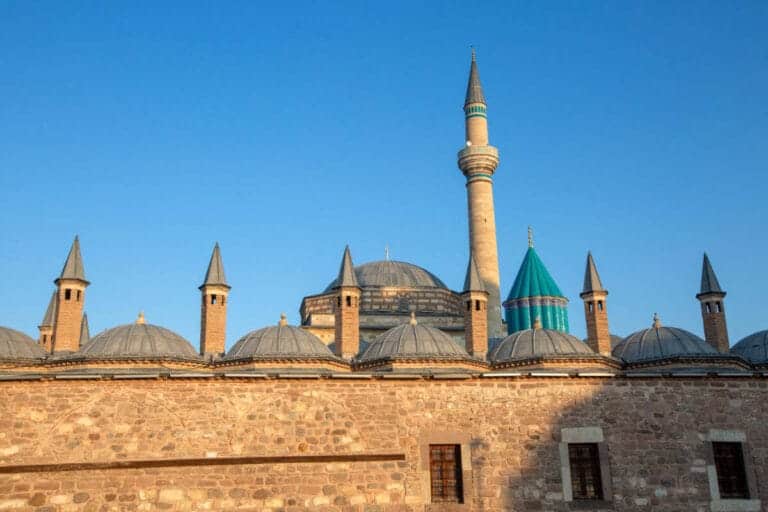
3-Day Cappadocia & Konya Tour from Istanbul
A 3 days Historical & Cultural Tour route covering Cappadocia, Konya and 1 more destination.
View tour details →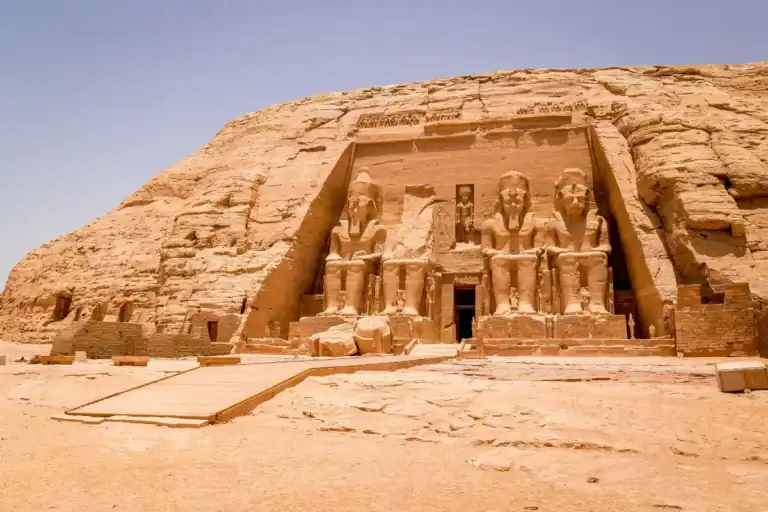
17-Day Türkiye, Egypt & Jordan Highlights Tour
A 17 days Cultural & Heritage Tour route covering Turkey, Egypt and 1 more destination.
View tour details →
2-Day Cappadocia Tour from Istanbul by Plane with Hot Air Balloon
A 2 days Historical & Cultural Tour route covering Cappadocia, Istanbul.
View tour details →Turkey Itinerary Questions Travelers Ask Most
Is seven days enough for a first trip to Turkey?
Yes, if you limit the trip to Istanbul, Cappadocia, and one additional area. Trying to add Pamukkale, Ephesus, Antalya, and long overland transfers in one week creates a rushed itinerary.
Should I visit Cappadocia or Antalya if I only have one extra stop?
Choose Cappadocia for landscapes, cave sites, valley walks, and ballooning. Choose Antalya for Mediterranean scenery, beach time, and Roman ruins. For most first-time visitors, Cappadocia is the more distinctive choice.
Do I need a visa for Turkey?
Visa and e-Visa rules depend on nationality, passport type, and the purpose and length of travel. Check official Turkish entry guidance for your specific passport before booking non-refundable flights.
What should I budget beyond the tour price?
Allow separately for international airfare where it is not listed as included, meals not specified in the itinerary, personal purchases, gratuities, optional activities, travel insurance, and any attraction or transfer costs shown as exclusions.
Build the Route Around What You Want to Remember
The strongest Turkey itinerary is not the one with the most pins on a map. For most travelers, three nights in Istanbul and two or three nights in Cappadocia create the foundation; Pamukkale and Ephesus add depth, while Antalya adds space to slow down. Start with your available days, decide whether history or coast matters more, and let the route follow that choice.
When you are ready to turn the outline into a workable plan, share your travel dates, departure city, preferred pace, and must-see places through One Nation Travel’s trip-planning page.