
The practical answer: A 7-day Egypt trip typically costs about USD 1,100–1,800 per person on a careful independent budget, USD 1,900–3,200 for a comfortable mid-range trip, and USD 3,800+ for upscale hotels, private touring, and premium cruise choices. International airfare can add substantially. Your biggest cost decision is whether to arrange Cairo, domestic flights, Nile cruising, hotels, and sightseeing separately or use a package that combines them.
Egypt can be excellent value, but a seven-day trip leaves little room for inefficient routing. Most first-time visitors want the Pyramids of Giza, Cairo, Luxor, and a portion of the Nile. The smartest budget is not simply the cheapest one; it is the one that avoids an extra hotel night, an awkward domestic connection, or paying separately for services that a well-matched package already includes.
What Matters Most When Budgeting Egypt
- A realistic seven-day total depends heavily on whether international airfare is included. Price your flights separately before comparing land-only packages.
- For a first trip, Cairo plus Luxor and Aswan is the classic route, but it requires domestic transportation and careful timing.
- Nile cruises can simplify hotels, meals, transport between Aswan and Luxor, and selected sightseeing, but inclusions vary widely.
- Independent travel can cost less for flexible travelers, while a guided package can offer better value once transfers, domestic flights, guides, and entrance planning are considered.
- Set aside a contingency fund for visas, optional tomb entries, tips, drinks, shopping, and itinerary changes.
What Does a 7-Day Egypt Trip Really Cost?
The figures below are planning ranges in U.S. dollars for one traveler. They are not live quotations: airfare, hotel rates, cruise category, exchange rates, and entrance charges can change. They are most useful as a way to compare travel styles before requesting current prices.
| Travel style | Estimated 7-day land cost | What that usually looks like |
|---|---|---|
| Budget-minded independent | USD 700–1,200 | Simple guesthouses or basic hotels, local meals, shared or self-arranged transport, selective paid sights, and limited guided touring. |
| Comfortable mid-range | USD 1,300–2,400 | Well-located hotels, domestic transport, guided major sights, a standard Nile cruise or comparable accommodation, and a more relaxed pace. |
| Guided package | From about USD 1,940 | Often combines core logistics and sightseeing, but travelers should check hotel category, flights, meals, admissions, tips, and optional activities. |
| Luxury or private-focused | USD 3,000–5,500+ | Higher-end hotels and cruise cabins, private guides and vehicles, upgraded dining, and more flexibility around timing and experiences. |
These land-cost estimates exclude international airfare. A traveler flying from the United States should treat airfare as a separate line item until a specific departure city and travel date are known. Holiday periods, short-notice bookings, and nonstop preferences can change the total considerably.
For a broader look at the variables behind package and independent costs, see our Egypt tour cost breakdown for American travelers.
Where Your Egypt Budget Goes
International and domestic flights
International flights are usually the least predictable part of the budget. A low airfare may involve a long layover, restrictive baggage allowance, or arrival time that makes you lose a usable day in Cairo. Compare the full itinerary, not just the headline fare.
Within Egypt, the Cairo–Luxor–Aswan route often involves domestic flights, particularly on a short itinerary. Flying can protect valuable sightseeing time, but it also introduces baggage rules, airport transfers, and schedule risk. A lower-cost train option may suit travelers with more time, but on a seven-day trip it can make the route feel rushed.
Hotels and Nile cruise cabins
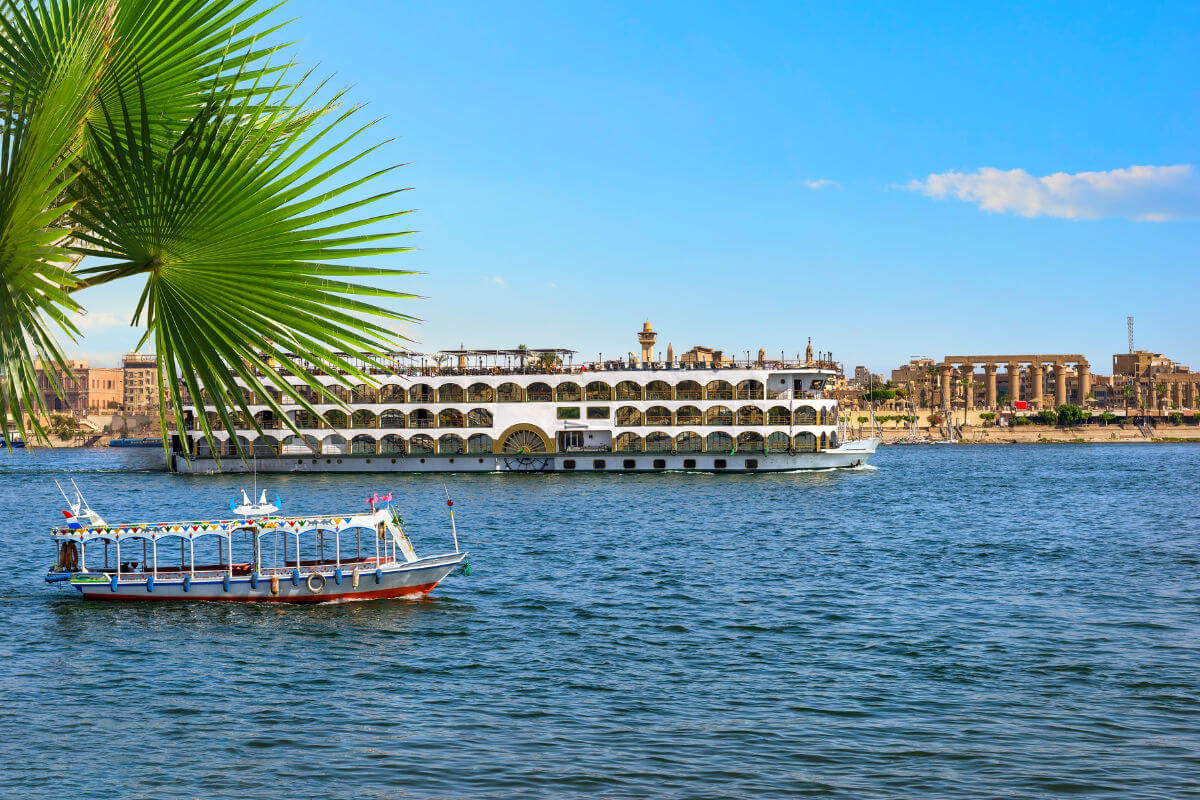
Accommodation pricing varies more by location, season, room type, and view than by star rating alone. Cairo properties near the airport, downtown, and Giza serve different logistical purposes. In Luxor and Aswan, a cruise may replace several hotel nights while moving you between cities.
Before booking a cruise, confirm whether its quoted rate includes meals, shore excursions, entrance tickets, transfers, guide services, drinks, Wi-Fi, and gratuities. “Nile cruise included” does not always mean every cost during that portion of the trip is covered.
Food, drinks, and day-to-day spending
Egyptian food can be very affordable when you eat at local restaurants and cafés. Costs rise at hotel restaurants, international venues, and scenic Nile-side dining. Plan for bottled water, coffee, drinks, small snacks, and the occasional meal not included with a cruise or tour.
Tipping is also a normal part of travel in Egypt. Rather than guessing day by day, keep a dedicated tip budget in small notes and ask your tour coordinator for current, practical guidance based on your itinerary and party size.
Guides, entrances, and optional experiences
A guided visit can make major sites much more meaningful, especially when touring the Valley of the Kings, Karnak Temple, or the Giza plateau. But admissions and optional entries are a common source of surprise expenses. Some tombs, museum rooms, camera permissions, or special experiences may carry separate charges.
Ask for a written inclusion list that distinguishes: included admissions, optional admissions, guide fees, vehicle transfers, and activities that require payment on site. This is more useful than a vague statement that “all sightseeing” is included.
A Cost-Smart Seven-Day Route: Cairo, Aswan, Nile Cruise, and Luxor
For most travelers, the most efficient seven-day outline is two nights in Cairo, followed by Aswan, a Nile cruise or arranged transport toward Luxor, and a final Luxor visit before departure. It places the long-distance transport early and groups sites logically.
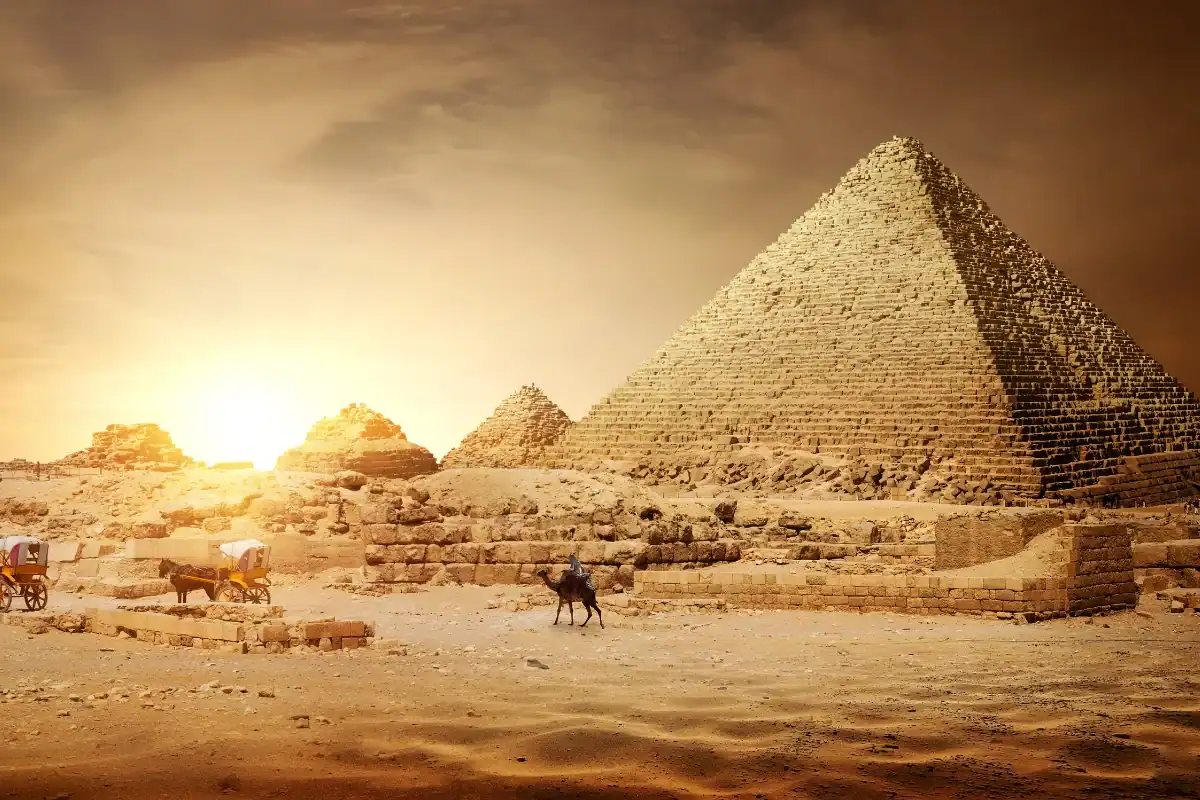
- Days 1–2: Cairo and Giza. Allow one focused day for the Pyramids and the Great Sphinx, then use the other for the museum, Old Cairo, or Khan El Khalili Bazaar.
- Day 3: Travel to Aswan. This is a transfer day first, even if you fit in a visit to Philae Temple. Avoid scheduling too much around a domestic flight.
- Days 4–5: Nile route. A cruise itinerary commonly includes stops at the Temple of Kom Ombo and the Temple of Edfu, subject to the cruise schedule.
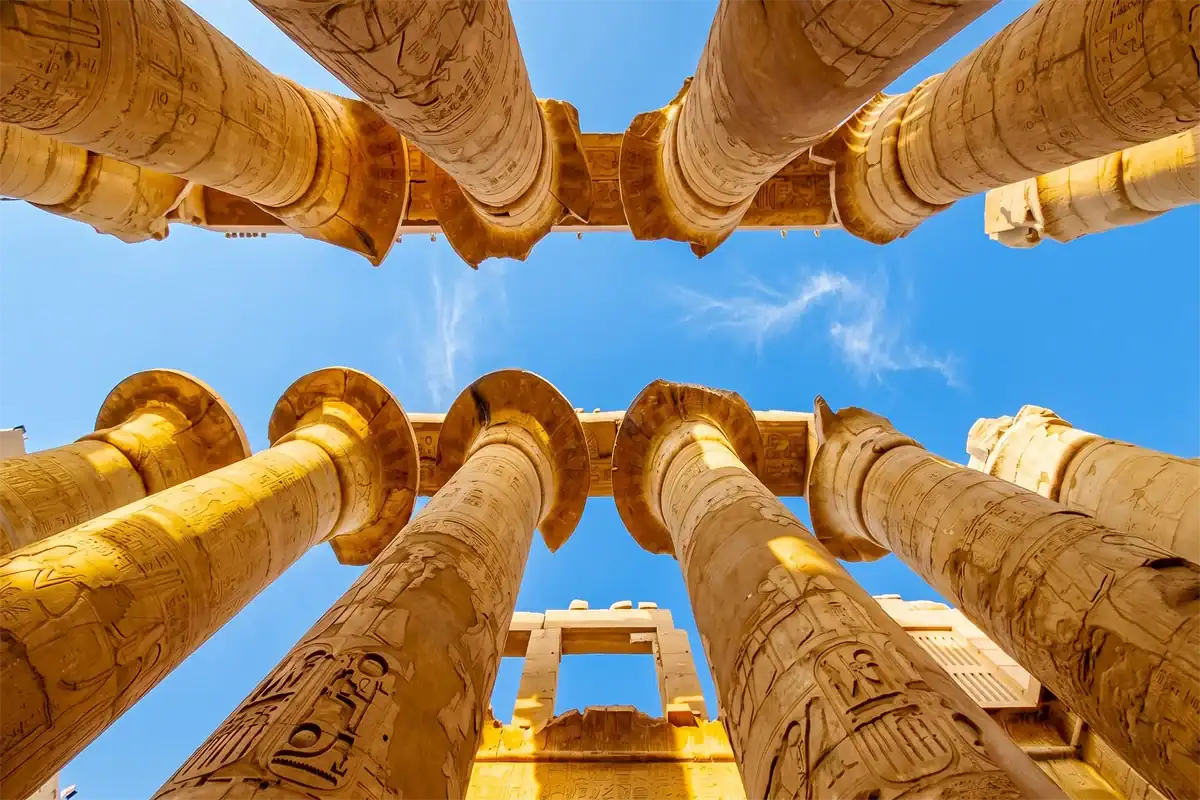
- Day 6: Luxor’s east bank. Build in time for Karnak and Luxor Temple.
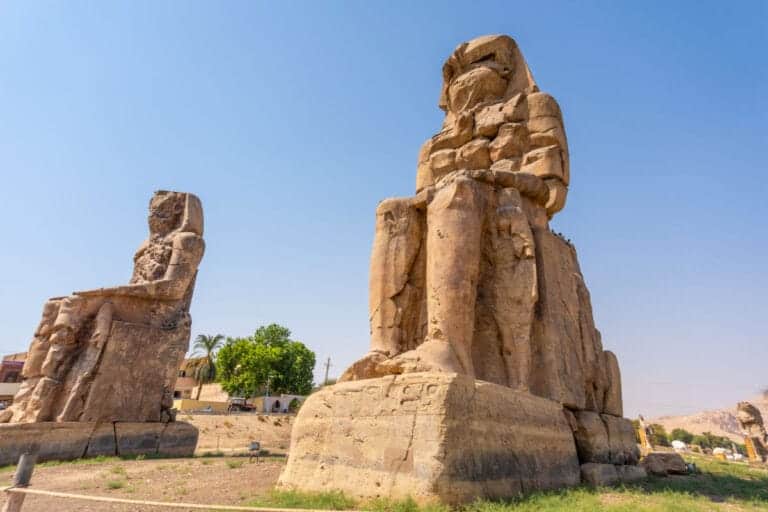
- Day 7: Luxor’s west bank and departure. Visit the Valley of the Kings, the Temple of Hatshepsut, and the Colossi of Memnon only if your onward flight allows enough time.
The route looks simple on a map, yet it is easy to overpack. Do not assume you can arrive in Luxor, tour both banks, and catch a flight on the same day without compromising the experience. Travelers with eight days have more breathing room; our eight-day Egypt itinerary explains where that extra day makes the greatest difference.
Planning tip: If your international flight arrives late in Cairo, reserve the following day for Giza rather than booking an early domestic departure. One protected night can prevent a costly cascade of missed or shortened services.
How Season Changes the Price and Experience
Egypt’s most comfortable sightseeing weather is generally from October through April. That also tends to be the busiest period for popular hotels, cruises, and guides. Travelers who value mild daytime temperatures should expect to book earlier and may pay more around major holidays and school breaks.
Summer can offer lower hotel and cruise rates, but Cairo, Luxor, and Aswan can be intensely hot. It is best suited to travelers who are comfortable starting early, taking a long midday break, and keeping afternoon plans flexible. Lower prices do not help if heat prevents you from enjoying outdoor archaeological sites.
Shoulder-season travel can strike a useful balance, but exact weather and prices are never guaranteed. When comparing dates, calculate the full trip cost rather than moving to a cheaper week that raises your airfare or forces a less convenient connection.
Independent Travel or a Package: Which Is Better Value?
Choose the Booking Style That Fits Your Trip
There is no universal winner. The better value is the option that matches your comfort with logistics, your available time, and how much coordination you want during the trip.
Independent booking works best when:
- You have more than seven days, allowing room for schedule changes and slower rail travel.
- You are comfortable comparing domestic flight options, arranging airport transfers, and confirming cruise departures yourself.
- You prefer a highly customized hotel, dining, and sightseeing mix.
- You are willing to verify every inclusion and coordinate guides or admissions at individual sites.
A guided package is often the stronger choice when:
- You have exactly one week and want Cairo, Aswan, a Nile segment, and Luxor without spending vacation time on transfers.
- You want local guides and drivers coordinated by destination and touring day.
- You prefer one itinerary and support contact rather than separate hotel, cruise, transfer, and guide reservations.
- You want to understand the overall land cost before departure, while keeping a separate allowance for personal spending and optional items.
What to verify before paying
- Whether international and domestic flights are included, and the baggage terms if flights are arranged.
- The number of nights in hotels versus on the Nile cruise, plus the cruise meal plan.
- Which admissions, tours, transfers, and guides are included and which are optional or paid locally.
- Hotel and cruise category, room basis, arrival transfer timing, and the realistic final-day departure schedule.
- The cancellation terms. For One Nation Travel arrangements, notice must be given at least 5 days before the tour starts; non-refundable flight and bus ticket costs are deducted from the paid balance. With less than 5 days notice, or for a no-show, the full payment is non-refundable.
One Nation Travel plans and coordinates the arrangements, while experienced local guides, drivers, and selected providers deliver services on the ground. Assignments can vary by destination, date, and tour segment.
Choose your next step
Recommended Egypt tours
These verified options are the closest available matches for this article’s destination, route intent, and trip length.

8-Day Private Egypt Tour with Nile Cruise
A 8 days Cultural & Heritage Tour route covering Egypt.
View tour details →
7-Day Egypt Tour: Explore Pyramids & Nile Cruise
A 7 days Historical & Cultural Tour route covering Egypt.
View tour details →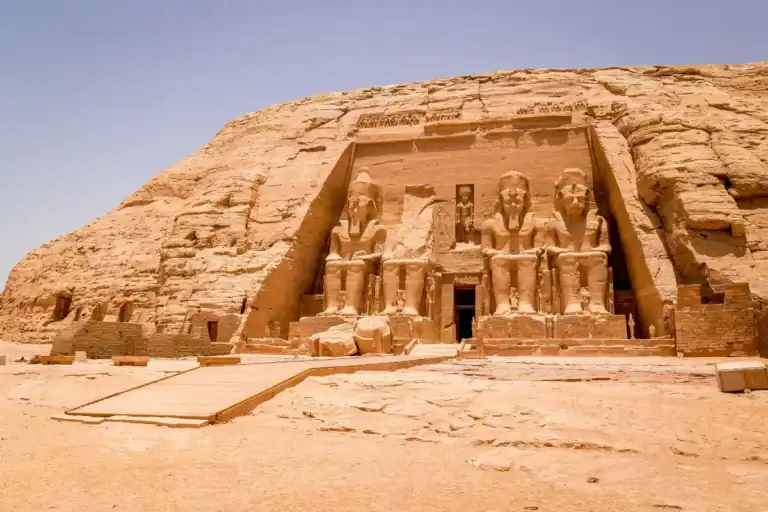
8-Day Egypt Tour with Nile Cruise, Cairo & Flights
A 8 days Cultural & Heritage Tour route covering Egypt.
View tour details →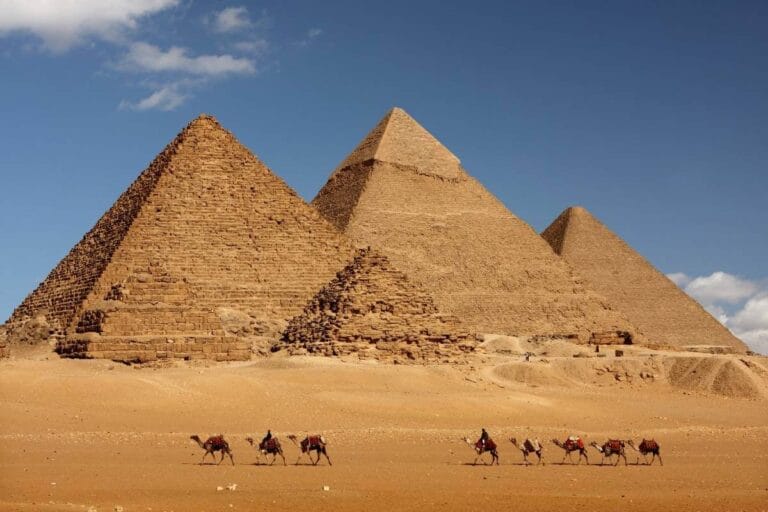
10-Day Egypt Tour: Cairo, Nile Cruise & Ancient Wonders
A 10 days Historical & Cultural Tour route covering Egypt.
View tour details →Questions Travelers Often Ask Before Booking
Is seven days enough for Egypt?
Yes, for Cairo, Giza, Luxor, and an Aswan-to-Luxor Nile segment if transportation is coordinated carefully. It is not enough to add Alexandria, Abu Simbel, a Red Sea stay, and multiple museum days without making the trip feel rushed.
Should I include Abu Simbel in a one-week itinerary?
Only if it is a personal priority and you accept an early start or additional transport cost. The Abu Simbel Temples are extraordinary, but adding them to seven days reduces your flexibility elsewhere.
How much spending money should I bring beyond my tour price?
Set aside funds for meals not listed as included, drinks, tips, souvenirs, visa requirements that apply to your nationality, optional tomb entries, and personal activities. The right amount varies by travel style, so review the itinerary’s inclusion list before deciding.
Is a private tour worth the extra cost?
It can be worthwhile for families, couples with specific interests, travelers with mobility considerations, or anyone who wants more control over daily timing. Compare the private rate against the value of flexible pacing, personalized guiding, and private transfers rather than comparing price alone.
Make Your Seven Days Count
Egypt can fit a range of budgets, but the most satisfying seven-day trip is usually a focused one: Cairo and Giza, then a well-timed route through Aswan and Luxor. Keep airfare separate until you have real dates, read every inclusion carefully, and avoid trying to add every famous site in one week.
If you are deciding between private and group arrangements, our comparison of private versus group Egypt tours can help. When you are ready to turn a budget into a workable itinerary, plan your Egypt trip with One Nation Travel for coordinated options that fit your dates, priorities, and travel style.