
Short answer: A Pamukkale day trip works best with 4–6 hours at the site, combining the white travertine terraces with ancient Hierapolis. Choose your departure city first: nearby stays allow flexible timing, while Istanbul requires a much longer travel day. Confirm entrance hours, permitted terrace access, and Cleopatra’s Pool availability before booking; don’t plan around photographs showing every basin filled with water.
The Cotton Castle is both a protected natural landscape and a large archaeological site—not a swimming complex with a few ruins attached. For first-time visitors, the important decision is how much travel to accept for the time available on-site. A well-planned day can cover the main sights comfortably; a rushed connection can leave little room for anything beyond terrace photographs.
Key Takeaways
- Separate sightseeing time from total tour duration. Allow 4–6 hours on-site when planning independently; a listed 12- or 16-hour excursion includes travel and other stops.
- Choose your entrance around your route. The town-side approach involves a barefoot climb; upper entrances suit different archaeological routes.
- Expect managed water flow. Some terraces may be dry or closed, regardless of the season.
- Treat swimming as optional. Check Cleopatra’s Pool’s operating status, separate charges, and time allowance for your travel date.
- Compare the complete booking. Transport, admission, meals, flight arrangements, and pickup coverage matter more than the headline price alone.
What is Pamukkale, and what is actually worth seeing?
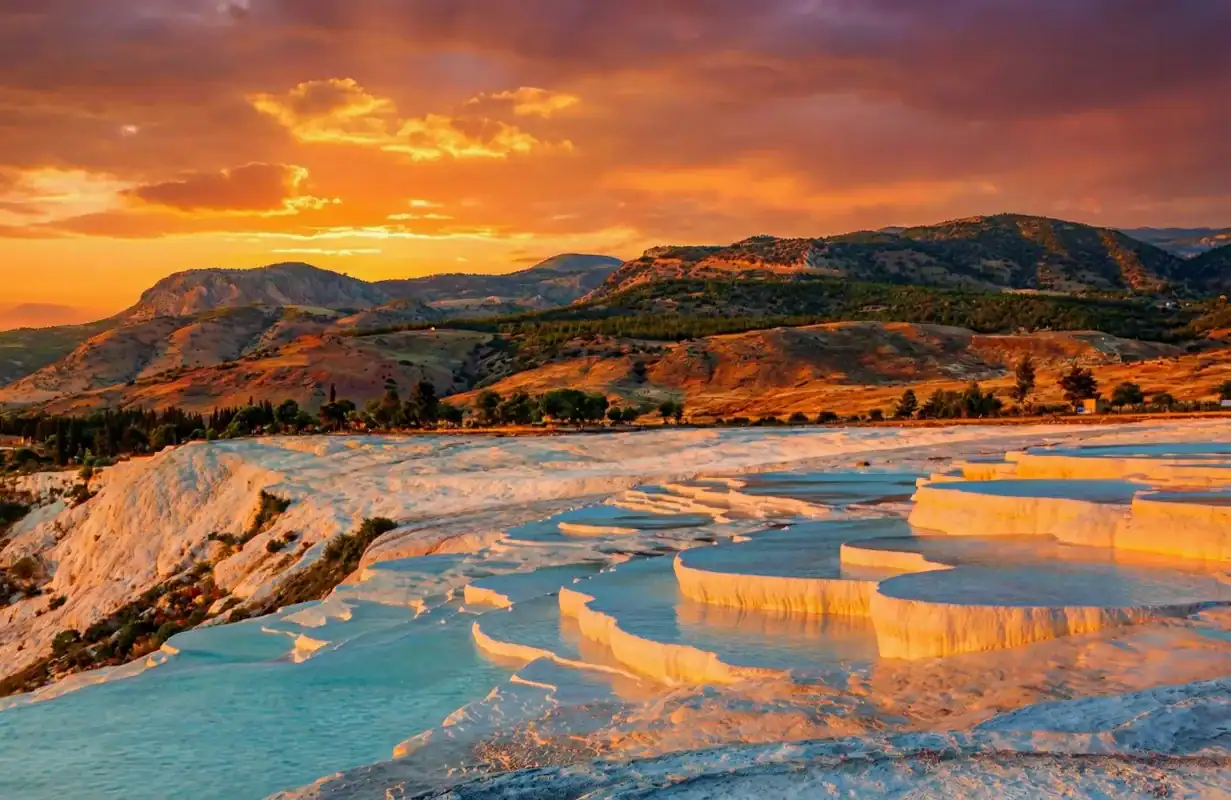
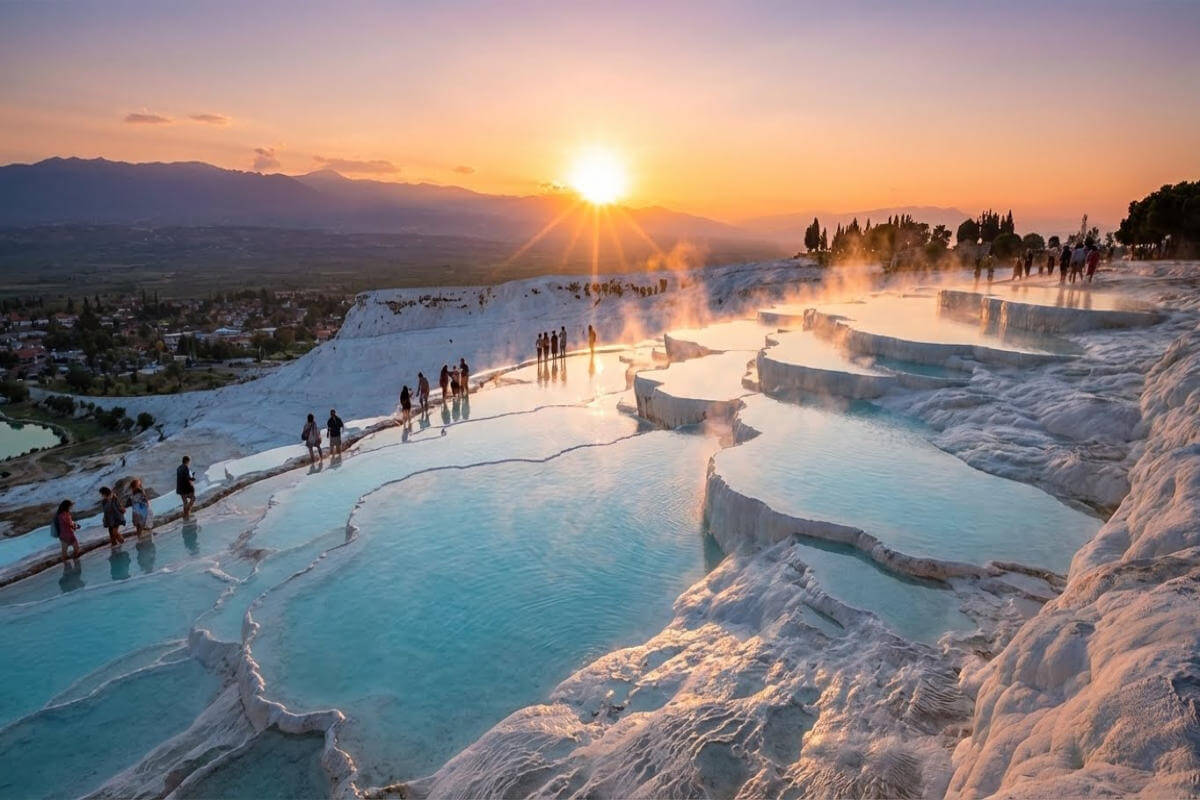
Pamukkale means “cotton castle” in Turkish. Its white slopes formed as mineral-rich thermal water deposited calcium carbonate, creating the terraces known as travertines. Above them lies Hierapolis-Pamukkale, a UNESCO World Heritage site that combines this landscape with an ancient spa city in southwestern Turkey.
The travertines: the essential stop
The Travertines of Pamukkale are the main draw, but visitors cannot wander across every white slope. Follow the designated route, remove footwear wherever required, and stay outside restricted areas. The accessible shallow pools are not a substitute for a conventional swimming pool.
Water is directed through different sections to help manage the site. A dry terrace does not necessarily mean you chose the wrong month, and no tour can guarantee the water coverage shown in promotional photographs.
Hierapolis: more than a backdrop
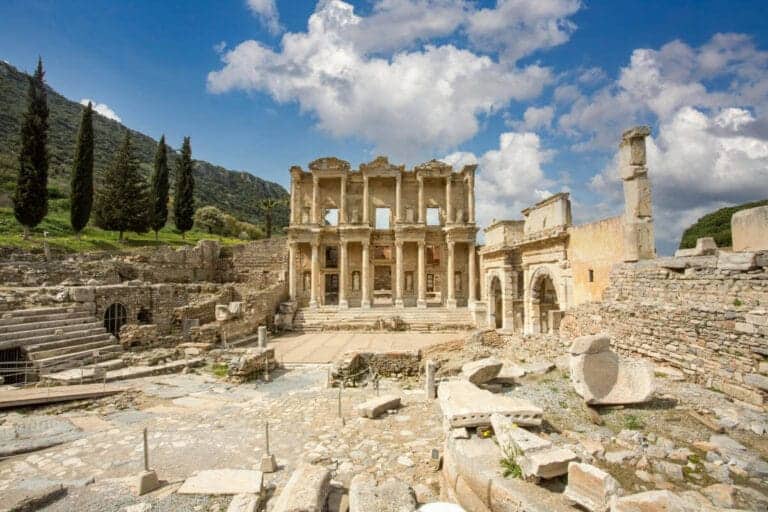
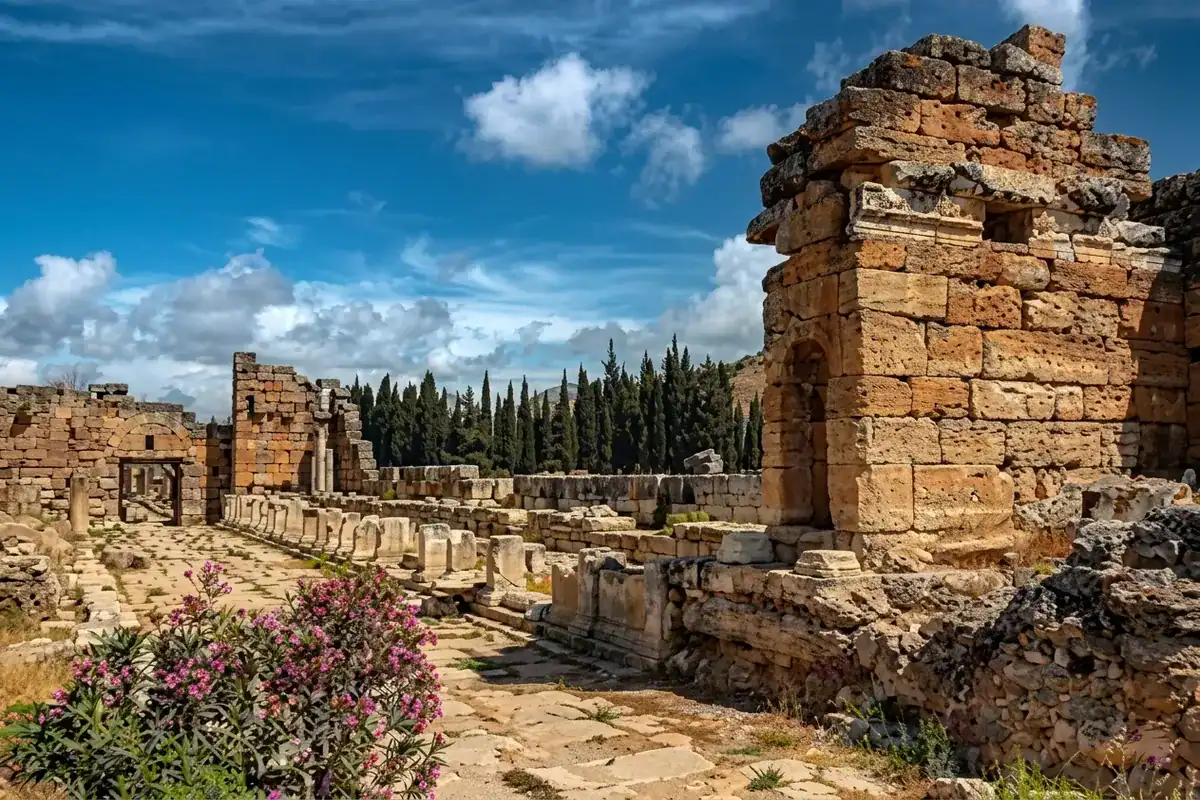
Make time for the ancient streets and theater rather than treating the ruins as an afterthought. The theater involves an uphill approach, so tackle it before you’re tired or overheated. Archaeology enthusiasts can extend their route toward the Necropolis of Hierapolis; it adds substantial walking and should not be squeezed into the final minutes.
The Roman Baths of Hierapolis help explain the connection between the thermal springs and the ancient city. Check museum access and ticket coverage separately rather than assuming every interior space is included.
Cleopatra’s Pool: a conditional extra
Cleopatra’s Pool is known for thermal bathing among submerged ancient stonework. However, access and swimming operations can change. Confirm its status for your date, whether swimming costs extra, and whether your itinerary allows enough time. Choose Pamukkale for the terraces and archaeology first, with a swim as a possible addition.
How much time should you allow?
Four to six hours is a useful independent sightseeing allowance, not a promise about every tour. Three hours can cover a selective visit, but you’ll need to prioritize. Exploring the necropolis, taking frequent breaks, or adding a swim can push the visit longer.
- Travertines: allow approximately 45–60 minutes for permitted walking, photographs, and putting shoes back on.
- Core Hierapolis sights: allow roughly 1½–2 hours, depending on your route and interest in archaeology.
- Rest or an optional pool stop: reserve another 45–60 minutes; queues and changing time may require more.
- Buffer: leave time for the entrance, walking between areas, and reaching the agreed exit.
These are planning estimates, not fixed walking times. Heat, wet surfaces, and the theater climb can slow the day considerably. If you have limited stamina, choose fewer sights rather than cutting every rest stop.
Before booking, ask one specific question: “How much time is scheduled inside Pamukkale-Hierapolis, excluding lunch, transfers, and any other stops?” That answer is more useful than the excursion’s total duration.
Which entrance and route should you choose?
There isn’t one best entrance for everyone. Your transport arrangements, interest in the ruins, and comfort with barefoot walking should determine the route. Gate hours and access arrangements may differ, so confirm the entrance that will actually be available at your arrival time.
Town-side entrance: for the classic uphill approach
Entering from Pamukkale town puts the white slope at the beginning of the visit. You ascend the designated travertine route barefoot where required before reaching the upper site. This works well if you’re staying in town and comfortable with a wet, uneven climb.
The trade-off is effort: the approach itself uses time and energy before you begin exploring Hierapolis. Carry your shoes in a small bag so your hands remain free.
Upper entrances: choose according to your sightseeing priorities
The south entrance is a practical choice for approaching the upper site without first climbing the town-side travertines. It does not eliminate walking, slopes, or the climb toward the theater. The north entrance makes more sense when the necropolis is a priority and you want a longer archaeological route.
For a balanced upper-entry visit, start with the theater while you’re fresh, continue through the central ruins, take a break, and then visit the permitted terrace area. Reverse that order if the light or heat makes the terraces the better first stop.
Agree on your exit before starting. Entering at one gate and leaving at another can work, but only if your driver or onward transport is arranged accordingly. Don’t assume a tour pickup will move to whichever exit you reach.
When is the best time to visit in 2026?
April–May and September–October generally offer more comfortable sightseeing conditions than peak summer. They aren’t guarantees of mild weather or quiet paths. Check the forecast close to departure, particularly if heat or cold would affect your ability to walk barefoot.
In summer, aim for the earliest practical entry or a later visit with enough time before closing. The white surface reflects strong sunlight, and shade is limited across much of the archaeological area. Midday can still work, but it needs a shorter walking plan, regular breaks, and realistic expectations.
Early and late visits often offer gentler light, but published opening hours must be checked for your chosen gate. A sunset photograph is not worth missing your return transfer or discovering that access closes earlier than expected.
On a fixed-departure tour, you may not control arrival time. Ask how the itinerary handles heat and whether terrace time is guided, free time, or a combination of both.
Can you visit from Istanbul, Izmir, or Kuşadası?

From Denizli or Pamukkale town
These are the most flexible bases for an independent visit. Staying nearby makes it easier to choose your entry time and adjust the day to the weather. If you’re flying into Denizli Çardak Airport (DNZ), remember that the airport is outside the city; arrange the onward transfer rather than treating arrival as the start of sightseeing.
From Izmir or Kuşadası
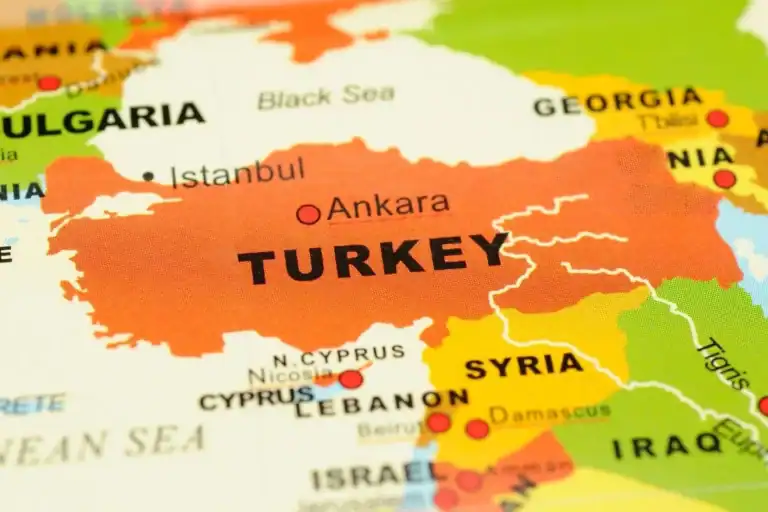
Both are feasible departure points, but expect a substantial road journey in each direction. The verified day trips listed below are 12-hour excursions, not 12 hours at the terraces. Check pickup coverage for your actual hotel, especially if you’re staying outside the main departure area.
If your route also includes Ephesus or Selçuk, compare a multi-day itinerary against separate return excursions. Avoiding unnecessary backtracking can be more valuable than choosing the cheapest individual day trip.
From Istanbul
A day trip from Istanbul is possible, but it’s a long commitment. A same-day visit normally depends on flying; an organized itinerary still needs enough time for the journey. The verified Pamukkale Day Trip from Istanbul is listed at 16 hours, starting from USD 385.
Before choosing it, check flight arrangements, hotel pickup and return details, baggage rules, and the sightseeing allowance. Don’t place a separate international flight immediately after the excursion. For the transport alternatives, see how to get to Pamukkale from Istanbul.
What should you budget and verify before paying?
There is no reliable single “Pamukkale day-trip cost” without knowing your starting point and inclusions. An independent visitor staying nearby has a different budget from someone making a same-day trip from Istanbul.
For 2026 admission, check the official ticketing information close to your visit. Don’t rely on an old screenshot or assume that a museum pass, archaeological-site ticket, and swimming admission cover the same things.
- Main site admission: confirm whether it is included in the tour price or payable separately.
- Optional access: verify museum coverage and any swimming charge if the pool is operating.
- Transport: check both directions, hotel pickup boundaries, and airport transfers where relevant.
- Meals and extras: confirm lunch, drinks, and any changing or storage costs.
- Flight-based arrangements: review baggage allowance and the confirmed schedule before committing to onward travel.
Tour prices below are starting prices and may change. Compare the final quote for your dates, not just the “from” figure. The Pamukkale hot springs guide provides additional context for travelers weighing the bathing experience against sightseeing time.
What should you wear and bring?
Wear comfortable walking shoes that are easy to remove. Sandals simplify the transition onto the travertines, but supportive shoes are better for extended archaeological walking. You can carry both if that suits your plans.
- A small bag for shoes and a compact towel for drying your feet.
- Sunglasses, a hat, sunscreen, and drinking water.
- Clothing that allows easy movement and can stay clear of shallow water.
- Swimwear and a change of clothes only if swimming is confirmed and planned.
- A waterproof pouch for valuables, leaving your hands free on slippery sections.
For mobility needs, discuss the route before booking. An upper entrance may avoid the town-side climb, but the wider site still has uneven surfaces and gradients. Ask about vehicle drop-off, walking distances, available assistance, and alternatives to barefoot terrace access; don’t assume a “day tour” is suitable for every mobility level.
Should you visit independently or book a tour?
Independent travel suits visitors staying nearby who want control over their pace. A coordinated tour is more useful when transport connections, limited vacation time, or historical interpretation are the main concerns. Neither option guarantees quiet terraces or pool access.
| Option | Best fit | Main trade-off and booking check |
|---|---|---|
| Independent visit from nearby | Flexible travelers staying in Pamukkale or Denizli | You control the pace but arrange admission, transport, and the return journey yourself. |
| Day trip from Istanbul | Travelers with one free day who accept a long excursion | Listed at 16 hours, from USD 385. Confirm flight arrangements and actual on-site time. |
| Day trip from Izmir | Travelers retaining an Izmir base | Listed at 12 hours, from USD 160. Verify hotel pickup and admission inclusions. |
| Two days combining Pamukkale and Ephesus | Travelers who want both sites within a short Istanbul-based itinerary | Listed at 2 days, from USD 470, with flights. Check daily pacing, accommodation details, and baggage allowance. |
| Full-day visit from Kuşadası | Travelers already staying on this part of the Aegean coast | Listed at 12 hours, from USD 160. Confirm return timing and whether optional swimming fits. |
If you have two days, consider the 2-Day Pamukkale & Ephesus Tour from Istanbul with Flights rather than trying to fit both sites into one sightseeing day. It remains a compact itinerary, so compare its pace with your interests. For a longer route, the 10-day Turkey itinerary can help place Pamukkale within a broader trip.
One Nation Travel is a TÜRSAB Class A travel agency (A-6073) handling planning, booking, customer support, and coordination. Experienced local guides, drivers, and selected local providers deliver the listed services; assignments may vary by destination, day, or tour segment. Review each option’s itinerary and inclusions before requesting confirmation for your dates.
Choose your next step
Recommended Pamukkale tours
These verified options are the closest available matches for this article’s destination, route intent, and trip length.

Pamukkale Day Trip from Istanbul
A 16 hours Day Trips from Istanbul route covering Pamukkale, Istanbul.
View tour details →
Pamukkale Day Trip from Izmir
A 12 hours Cultural & Heritage Tour route covering Pamukkale, Izmir.
View tour details →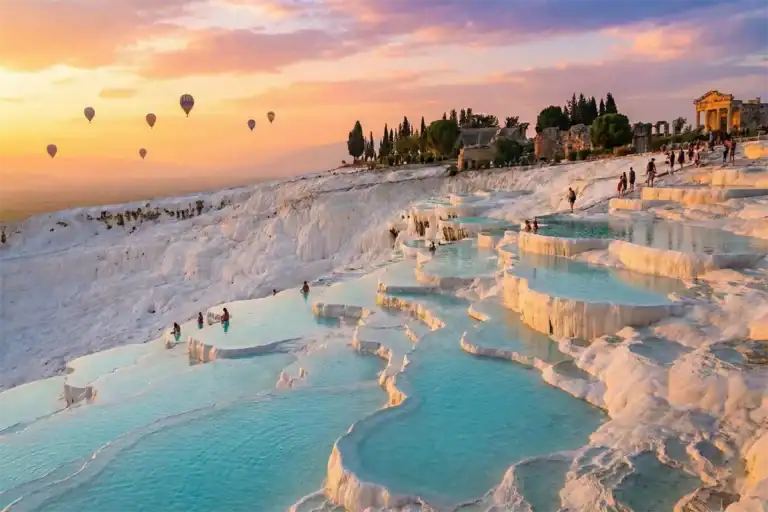
2-Day Pamukkale & Ephesus Tour from Istanbul with Flights
A 2 days Historical & Cultural Tour route covering Pamukkale, Ephesus and 1 more destination.
View tour details →Full-Day Pamukkale & Hierapolis Tour from Kuşadası
A 12 hours Cultural & Heritage Tour route covering Pamukkale.
View tour details →Frequently Asked Questions
Is Pamukkale suitable for young children?
It can be, with close supervision on wet surfaces and a shorter sightseeing route. Build in shade and rest breaks, and don’t expect a stroller to work across every section. Confirm child fares and suitable vehicle seating when arranging transport.
Can I bring a suitcase during a stop between destinations?
A suitcase is impractical on the travertines and archaeological paths. Arrange storage with your accommodation or confirm luggage handling with the booking team before departure. Don’t assume a vehicle can hold your bags throughout the visit or that storage is available at your chosen gate.
Is Pamukkale worth visiting in winter or rainy weather?
The ruins and terraces can still justify a visit, but cold weather makes barefoot walking less comfortable, and wet conditions call for extra caution. Keep the route flexible and follow any access restrictions. Thermal water does not make the entire outdoor site warm.
Plan the day around the site—not just the photograph
Choose a nearby base for maximum flexibility, an Izmir or Kuşadası excursion if it fits your coastal stay, or an Istanbul day trip only if you’re comfortable with the long schedule. Give Hierapolis a meaningful share of your visit, and treat swimming as optional.
For help comparing departure points and coordinating Pamukkale with the rest of your trip, use Plan My Trip. Share your dates, hotel location, onward travel, and walking preferences so the recommendation fits the day you actually want.