
The practical answer: Jordan is generally a manageable and welcoming destination for American visitors, particularly on the established route through Amman, Jerash, Madaba, Mount Nebo, Petra, Wadi Rum, and the Dead Sea. That said, regional conditions can change quickly. Check current official U.S. travel guidance before departure, avoid restricted border areas, and use sensible day-to-day precautions rather than relying on broad assurances.
For most Americans, the decision is less about whether Jordan is “safe or unsafe” and more about how independently they want to travel, how closely they will follow current advisories, and whether they want transportation and local logistics arranged in advance. Jordan rewards travelers who plan a realistic route, respect local customs, and leave room for conditions on the ground.
What American Travelers Should Know
- The classic visitor circuit—Amman, Jerash, Madaba, Petra, Wadi Rum, and the Dead Sea—is well established for international tourism.
- Regional headlines matter, but they do not automatically describe conditions at Jordan’s main visitor sites. Review official advisories close to departure and again while traveling.
- Do not plan independent excursions near the Syrian or Iraqi borders, military areas, or other restricted zones.
- Petty theft and transport misunderstandings are more likely concerns than serious crime for most visitors; use the same awareness you would in any unfamiliar city.
- Private touring is often the easier choice for first-time visitors because it simplifies long drives, desert timing, hotel coordination, and attraction entry logistics.
- Before booking, confirm what is included: airport transfers, guides, entry fees, Wadi Rum jeep activities, meals, visas, and travel insurance are not always covered in the same way.
Why Jordan Can Be a Good Choice for American Visitors
Jordan has a mature visitor infrastructure on its main sightseeing route. Hotels, restaurants, drivers, guides, and visitor sites in the principal tourism areas regularly serve international guests, and English is commonly used in hotels, tourism services, and many restaurants. American travelers are not unusual visitors, particularly in Amman and at major heritage sites.
It is also a compact country in travel-planning terms. A typical first visit can combine the capital, Roman ruins, biblical sites, Petra, desert landscapes, and the Dead Sea without requiring internal flights. That makes it easier to keep the itinerary focused and avoid the exhaustion that comes from trying to cover too much territory too quickly.
Still, “stable” should not be treated as a promise that nothing can change. Jordan sits in a region where political developments, border measures, demonstrations, and air-travel disruptions can affect plans with little notice. Travelers should register relevant travel details where appropriate, monitor official U.S. government information, carry travel insurance that covers medical care and disruption, and keep their airline and local contact details accessible.
Where Most Visitors Feel Comfortable—and Where to Use More Caution
The standard Jordan route
The usual visitor route is centered on Amman, Jerash, Madaba, Mount Nebo, Petra, Wadi Rum, and the Dead Sea. These are the places most first-time American travelers should prioritize. They are familiar to tourism providers, and their visitor logistics are considerably simpler than remote, self-driven exploration.
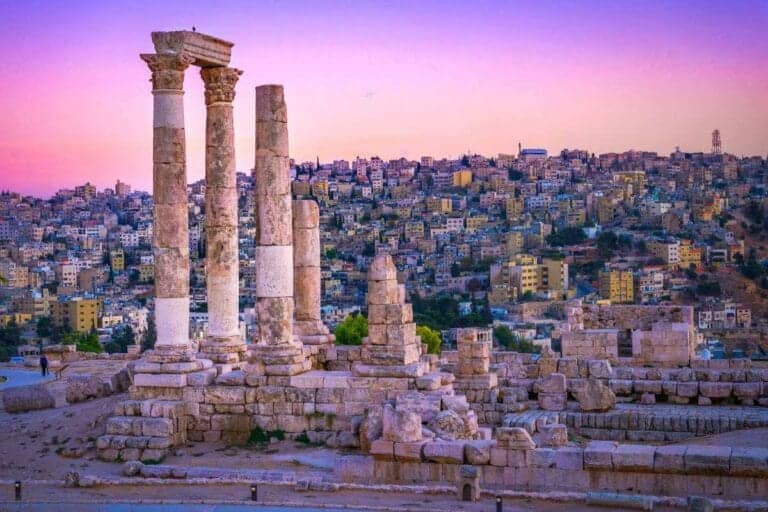
In Amman, use ordinary city awareness: keep phones and wallets secure in crowded areas, agree on taxi arrangements before setting off when a meter is not in use, and avoid walking alone on poorly lit streets late at night. The city is hilly, traffic can be assertive, and sidewalks are not always easy to navigate. Ride-hailing services or arranged transfers can be less stressful than trying to learn local traffic patterns immediately after arrival.
Border areas and demonstrations
Border regions and restricted areas are not sightseeing detours. Avoid travel near the Syrian and Iraqi borders unless you have a specific, professionally arranged reason and current confirmation that the route is appropriate. Never photograph military personnel, checkpoints, government buildings, airports, or border facilities.
Public demonstrations can occur in Amman and elsewhere, especially during periods of regional tension. Even peaceful gatherings can cause traffic disruptions or change quickly. Give crowds plenty of space, do not join political activity, and ask your hotel, guide, or local coordinator about any area you are considering visiting that day.
Everyday Safety: What Actually Makes a Difference
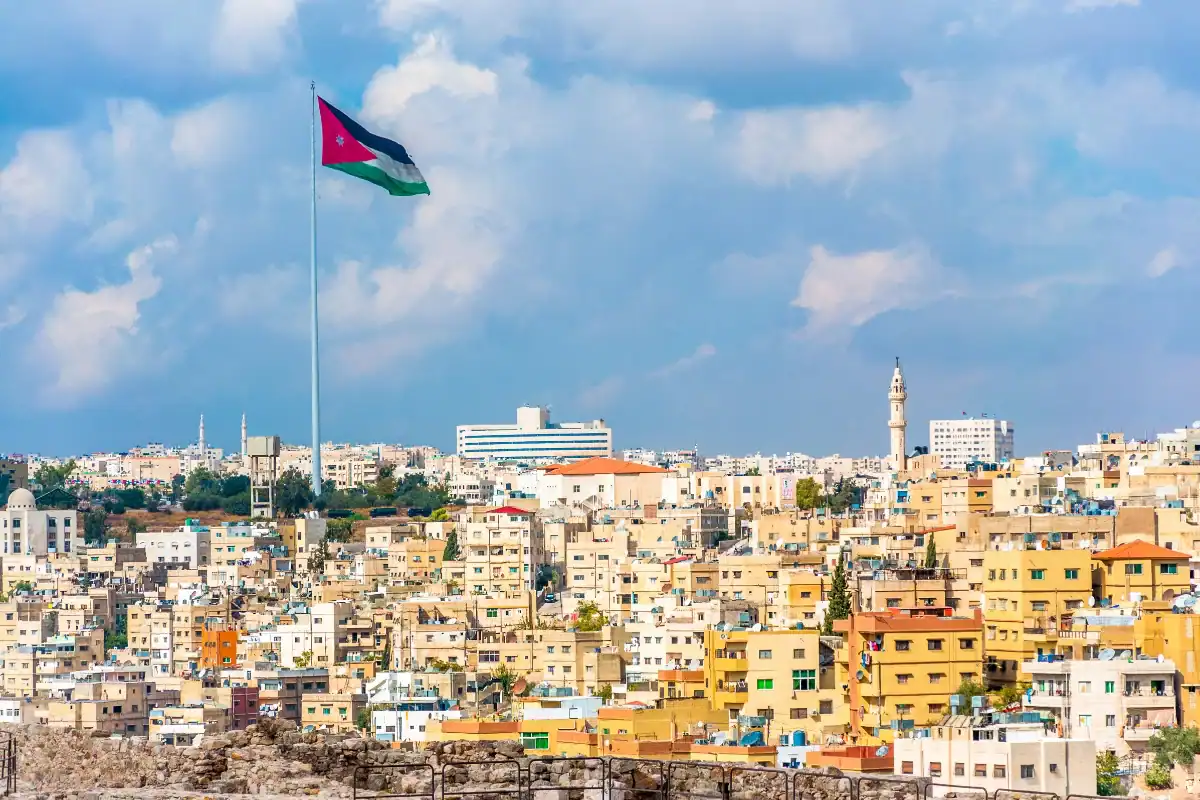
Jordanian hospitality is real, but practical habits still matter. Travelers who arrive with a simple plan tend to have a smoother experience than those trying to negotiate every transfer, ticket, and overnight stop as they go.
- Dress with context in mind. Amman is varied and modern, while rural communities and religious locations are more conservative. Clothing that covers shoulders and knees is a respectful, low-effort default, especially at religious sites.
- Use licensed transport or prearranged drivers. This is particularly valuable for long days between Amman, Petra, Wadi Rum, and the Dead Sea, when missed turns or late arrivals can affect the whole itinerary.
- Keep identification accessible. Carry a copy of your passport, visa information, travel-insurance details, and accommodation contacts, while storing originals securely.
- Be cautious with offers that feel unclear. At popular sites, some people may offer guiding, animal rides, or photography assistance. Ask for the full price and scope before agreeing, and decline politely if you are not interested.
- Use cash carefully. Cards are widely accepted at many hotels and larger businesses, but small purchases, tips, and remote stops may be easier with local currency. Do not carry more cash than necessary for the day.
- Take heat seriously. Desert sun, dry air, uneven stone paths, and long walking days can be more disruptive than security concerns. Start early, carry water, wear shoes with grip, and protect yourself from the sun.
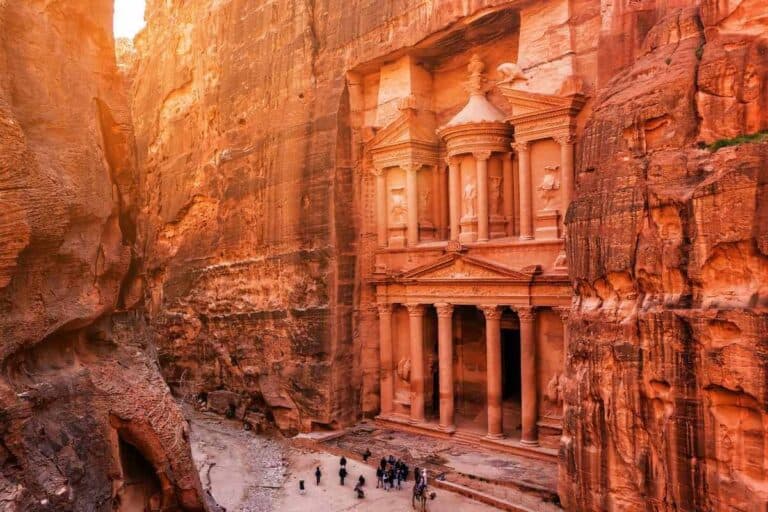
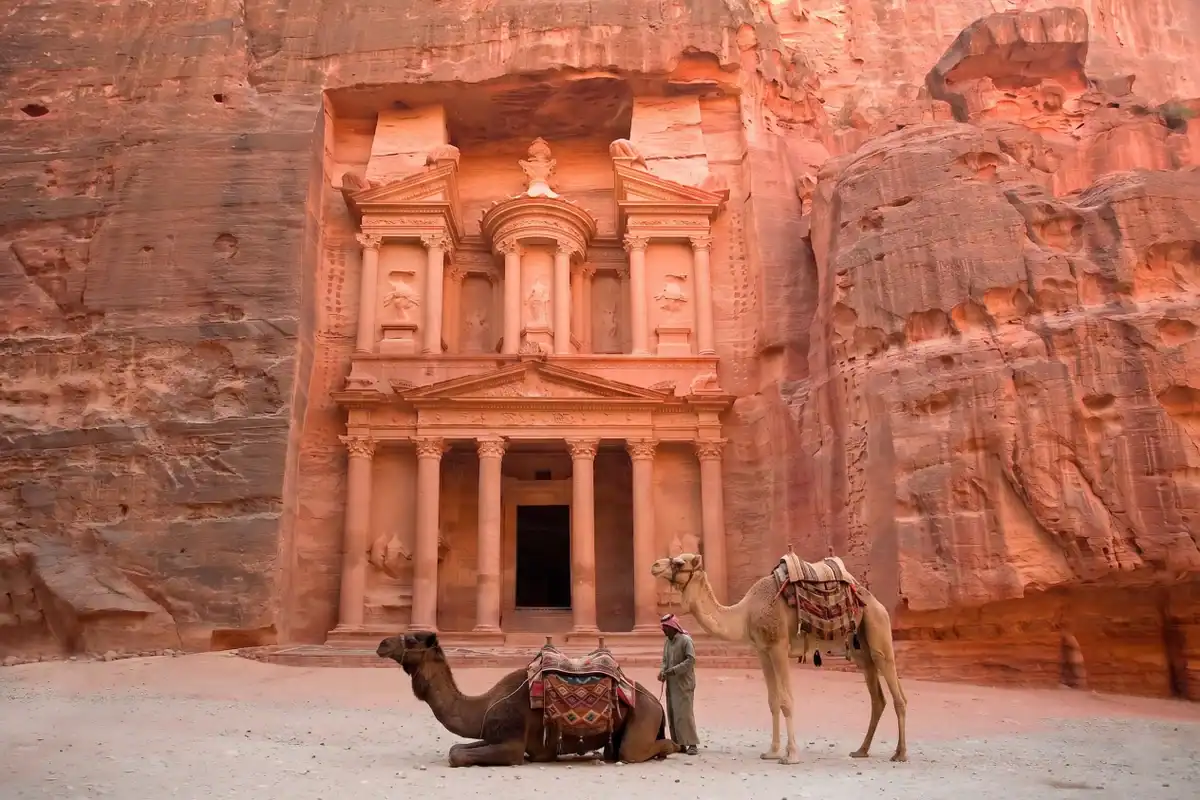
Practical tip: Petra is not a quick photo stop. Build in enough time for the walk through the Siq, the Treasury area, and rest breaks. Travelers who try to visit after a long transfer often underestimate the physical effort and the heat.
Is Jordan Comfortable for Solo Women and Independent Travelers?
Many solo women travel in Jordan successfully, especially when they use established hotels, reputable transport, and daytime sightseeing plans. The country is generally more comfortable for independent travel than some travelers expect, but cultural awareness matters. A firm, polite response to unwanted attention is usually more effective than prolonged engagement, and dressing modestly can reduce discomfort in conservative settings.
For solo travelers, the main trade-off is not necessarily safety—it is convenience. Public transportation does not always match the route, schedule, or flexibility needed for a first-time Jordan itinerary. Reaching Petra, Wadi Rum, and the Dead Sea independently can require extra planning, taxi negotiation, or overnight stops. A private driver, a small guided itinerary, or a tailored trip can remove those logistical pressure points while still leaving time to explore independently.
Americans who want a city-focused stay can read more practical planning advice in The Ultimate Amman Travel Guide. Those comparing package formats may also find Best Jordan Tours from USA 2026: Petra, Wadi Rum & Dead Sea Packages useful when deciding how much support they want on the ground.
Health, Road Travel, and Desert Conditions

Amman has modern medical facilities, pharmacies, and English-speaking medical professionals, but travel insurance remains important. Confirm that your policy covers emergency medical care, evacuation if needed, and travel disruption. Bring enough prescription medication for the trip in its original packaging, along with a basic supply of items you know you may need.
Drink sealed bottled water when you are unsure of the source, especially during long touring days. Food hygiene is generally manageable at established restaurants and hotels, but use common sense with foods that have been sitting in the heat. Travelers with dietary restrictions should communicate them before arrival and reconfirm them at meals; vegetarian options are usually straightforward, while severe allergies require more detailed coordination.
Self-driving is possible, but it is not the best fit for everyone. Roads between major destinations can be straightforward, yet driving standards, city congestion, navigation, parking, night driving, and desert distances add stress. Do not drive after dark if you can avoid it, and do not count on a phone signal or fuel stop appearing exactly when needed in remote areas. For a short first trip, a driver or arranged transfer often delivers better value than a rental car once time and uncertainty are considered.
How to Plan a Safer, More Enjoyable Jordan Itinerary
A good first-time route usually begins in Amman, adds the northern sites of Jerash and Ajloun if time allows, then heads south through Madaba and Mount Nebo toward Petra. Wadi Rum follows naturally after Petra, while the Dead Sea works well at either the beginning or end depending on flight times and desired pace.
Three days can cover headline experiences but will feel fast. A longer stay gives you more flexibility for weather, border-related road changes, early starts, and recovery after Petra. Travelers who want both Petra and Wadi Rum should avoid putting them on a single rushed day. The desert is most rewarding when you can arrive with enough daylight for a jeep excursion, sunset, and an unhurried overnight rather than treating it as a drive-through stop.
Spring and fall are often easier for active sightseeing because daytime temperatures are generally more comfortable. Summer can still work for travelers who accept early starts and a slower midday pace. Winter can bring cooler temperatures, rain, and occasional road or trail disruption, particularly in higher areas. Whatever the season, check the forecast shortly before travel rather than assuming Jordan has one uniform climate.
Travelers combining countries should allow extra buffer time around international flights and land borders. A multi-country itinerary can be rewarding, but it involves more moving parts than a Jordan-only trip. For route planning across the region, see this 17-day Turkey, Jordan, and Egypt route guide, which explains how sequencing can affect internal-flight needs.
Choose the Travel Style That Matches Your Comfort Level
| Travel style | Best for | Main advantages | What to verify before booking |
|---|---|---|---|
| Independent trip | Experienced travelers who enjoy researching routes and handling changes | Maximum flexibility and control over hotels, meals, and timing | Transport between Petra and Wadi Rum, driving conditions, entrance arrangements, insurance, and backup plans for disruptions |
| Private guided itinerary | Couples, families, solo travelers, and first-time visitors who value flexibility | Coordinated transfers, adaptable pacing, and easier support with site timing | Whether the guide and driver are included each day, hotel category, meals, entrance fees, Wadi Rum activities, and any free time built into the schedule |
| Multi-country package | Travelers who want Jordan alongside Egypt or Türkiye without planning every connection | One coordinated itinerary across several destinations | Flight routing, border or airport procedures, luggage rules, visa requirements, and which sightseeing elements are included in each country |
For a Jordan-only first visit, private touring often makes the most sense when your available time is limited and Petra, Wadi Rum, and the Dead Sea are priorities. Independent travel can work very well, but it is best for travelers comfortable solving transport and timing issues without local coordination. If you are comparing options, do not choose on headline price alone: a lower starting price may exclude entry fees, key activities, meals, transfers, or hotel nights that you would otherwise need to arrange separately.
One Nation Travel can help coordinate Jordan tours with selected local providers, guides, and drivers. Assignments may vary by destination, day, or tour segment, so ask for a clear itinerary and inclusion list before confirming your trip.
Choose your next step
Recommended Jordan tours
These verified options are the closest available matches for this article’s destination, route intent, and trip length.
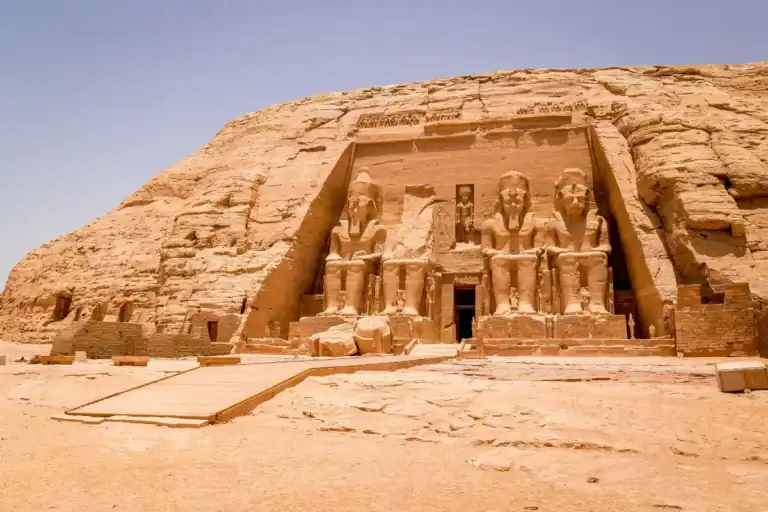
17-Day Türkiye, Egypt & Jordan Highlights Tour
A 17 days Cultural & Heritage Tour route covering Turkey, Egypt and 1 more destination.
View tour details →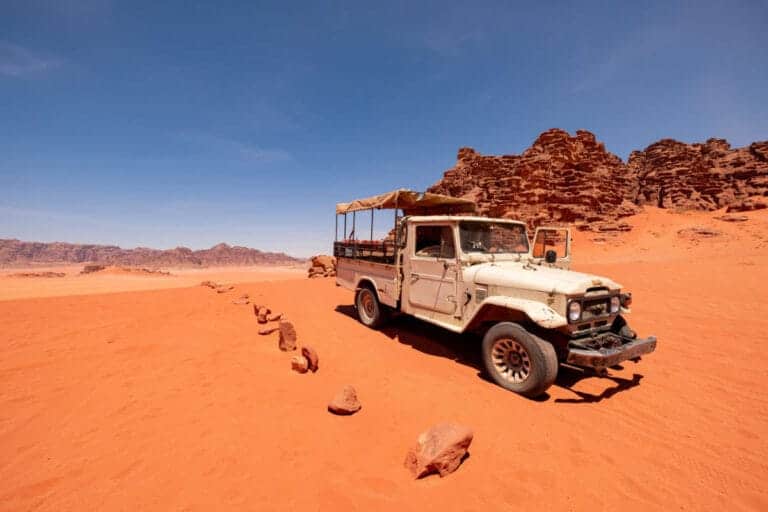
4-Day Private Jordan Tour: Petra, Wadi Rum & Dead Sea
A 4 days route covering Jordan.
View tour details →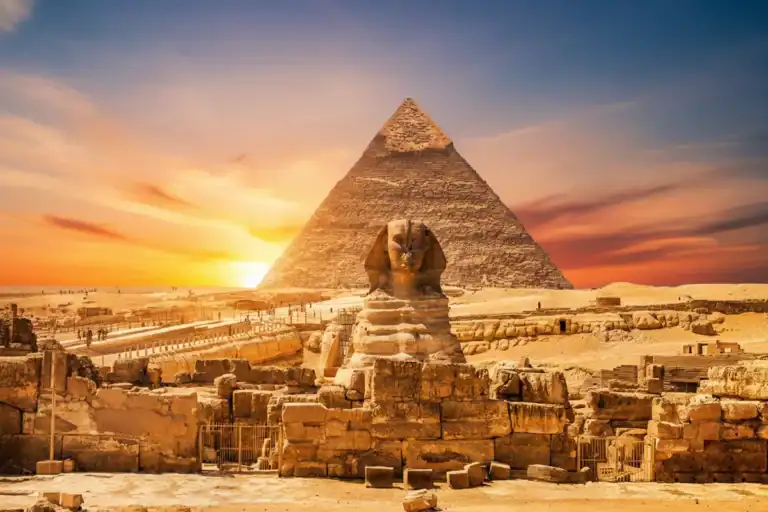
14-Day Egypt & Jordan Grand Tour
A 14 days route covering Egypt, Jordan.
View tour details →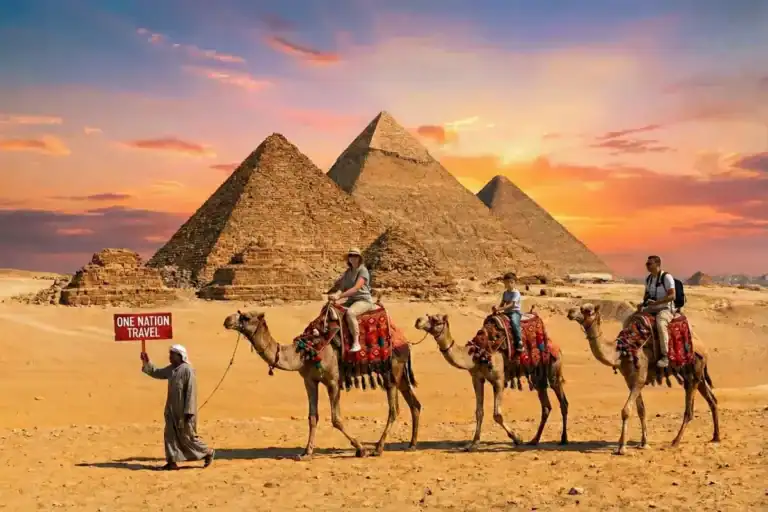
15-Day Turkey, Egypt & Jordan Tour: Istanbul to the Dead Sea
A 15 days Cultural & Heritage Tour route covering Turkey, Egypt and 2 more destinations.
View tour details →Common Questions Before Traveling to Jordan
Do Americans need a visa for Jordan?
U.S. citizens generally need a visa or appropriate entry authorization. Requirements, fees, eligibility for visa on arrival, and passport-validity rules can change, so confirm the current requirements with official Jordanian and U.S. government sources before booking nonrefundable travel.
Is it safe to visit Petra and Wadi Rum on my own?
Both are established visitor destinations, but they require practical preparation. In Petra, plan for heat, uneven paths, and a long walking day. In Wadi Rum, use a reputable local provider, confirm exactly what your jeep tour or camp arrangement includes, and avoid heading into the desert independently without a qualified local operator.
Can I use U.S. dollars in Jordan?
Jordanian dinars are needed for many everyday expenses. Larger hotels and businesses may accept cards, but carry a sensible amount of local currency for smaller purchases, tips, and places where card payment is not practical.
What should Americans avoid doing in Jordan?
Avoid border areas and demonstrations, do not photograph military or security locations, do not use or carry illegal drugs, and do not assume local attitudes toward alcohol, public affection, or dress match those at home. A respectful approach goes a long way.
Travel to Jordan With Good Information and a Realistic Plan
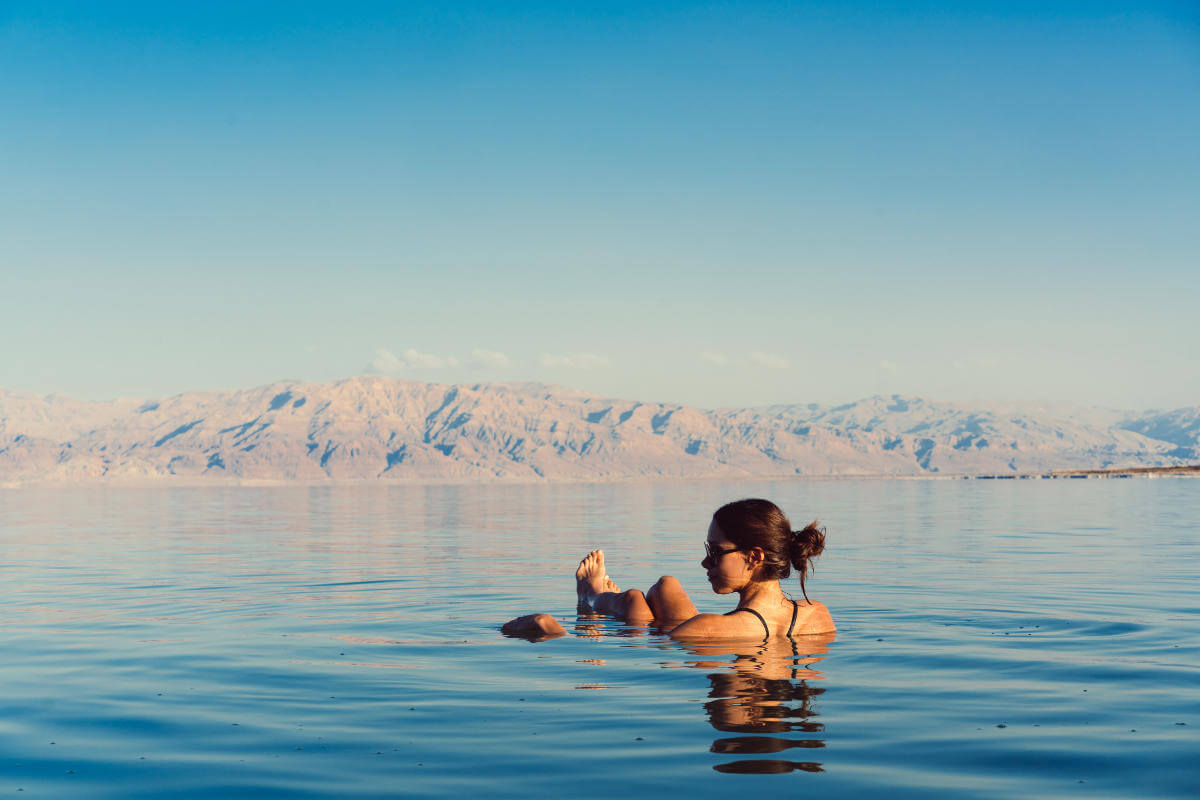
Jordan can be an excellent destination for Americans seeking ancient sites, desert landscapes, and warm local hospitality without an overly complicated itinerary. The key is to stay current on official travel information, stick to established visitor routes, plan transport carefully, and build in enough time to enjoy Petra and Wadi Rum rather than rushing through them.
If you would like help comparing a private Jordan trip with a wider Egypt and Jordan itinerary, share your dates, preferred pace, and must-see places through One Nation Travel’s trip-planning request. A well-paced plan is one of the most useful safety and comfort decisions you can make before departure.