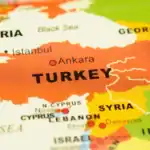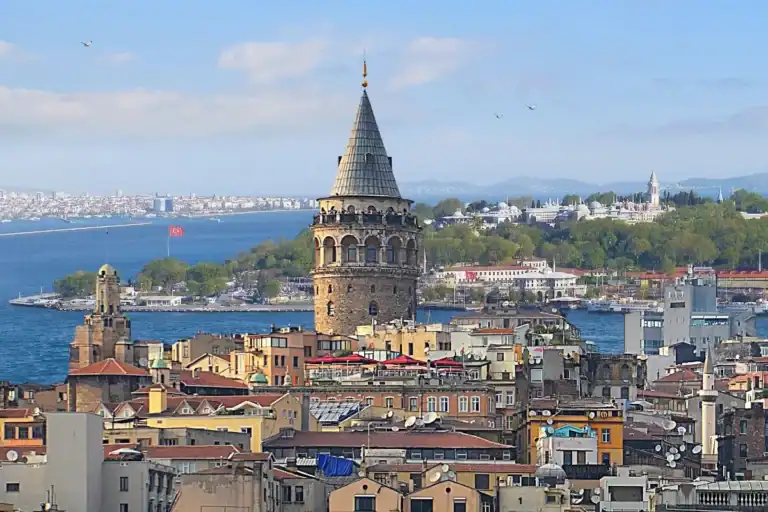

The short answer: the U.S. State Department currently places Turkey at Level 2 – Exercise Increased Caution, citing terrorism and the risk of arbitrary detentions. Two specific areas carry a much stronger Level 4 – Do Not Travel designation: Sirnak and Hakkari provinces, and any area within about 10 km (6 miles) of the Syrian border. Nearly every major tourism route in Turkey — Istanbul, Cappadocia, Ephesus, Pamukkale, Antalya, the Aegean coast — sits hundreds of miles away from those restricted zones.
That gap between the headline (“warning about Turkey”) and the actual geography is where most confusion happens. Below is a plain reading of what the advisory covers, what it doesn’t, and the practical rules that matter far more to a first-time visitor than the advisory number itself.
📋 Quick Facts
| Current U.S. Advisory Level | Level 2 (Exercise Increased Caution) nationwide; Level 4 for Sirnak, Hakkari, and the 10 km Syria border strip |
| Main Stated Risks | Terrorism and arbitrary detention |
| Areas Most Tourists Visit | Istanbul, Cappadocia, Izmir/Ephesus, Pamukkale, Antalya — none in Level 4 zones |
| Before You Fly | Check travel.state.gov for the current wording, enroll in STEP, confirm passport validity of 150+ days |
What the advisory actually says — and how to read it
Level 2 is not a rare or alarming designation. It’s the same tier applied to several Western European countries at various points, and it means “be more aware than you would be at home,” not “reconsider your plans.” Level 3 is “Reconsider Travel.” Level 4 is the serious one, and in Turkey’s case it applies to a narrow band of territory along the southeastern frontier.
Two details in the fine print matter more than the level number:
Terrorism. The advisory notes that attacks can occur with little warning and may target transportation hubs, places of worship, and public gatherings. This is standard language across dozens of countries. Turkey has a visible security presence at airports, metro stations, malls, and major sites — bag scanners at mall entrances and museum gates are routine, not a sign of an emergency.
Arbitrary detention. This clause deserves more attention than travelers usually give it. The U.S. government notes that security forces have detained foreign nationals, including dual U.S.-Turkish citizens, over alleged links to organizations Turkey considers terrorist groups — sometimes based on social media posts, messaging app use, or personal connections. If you hold dual citizenship, Turkey treats you as a Turkish citizen, which limits what consular officials can do for you. Dual nationals should read the advisory in full and consider registering with the embassy before arrival.
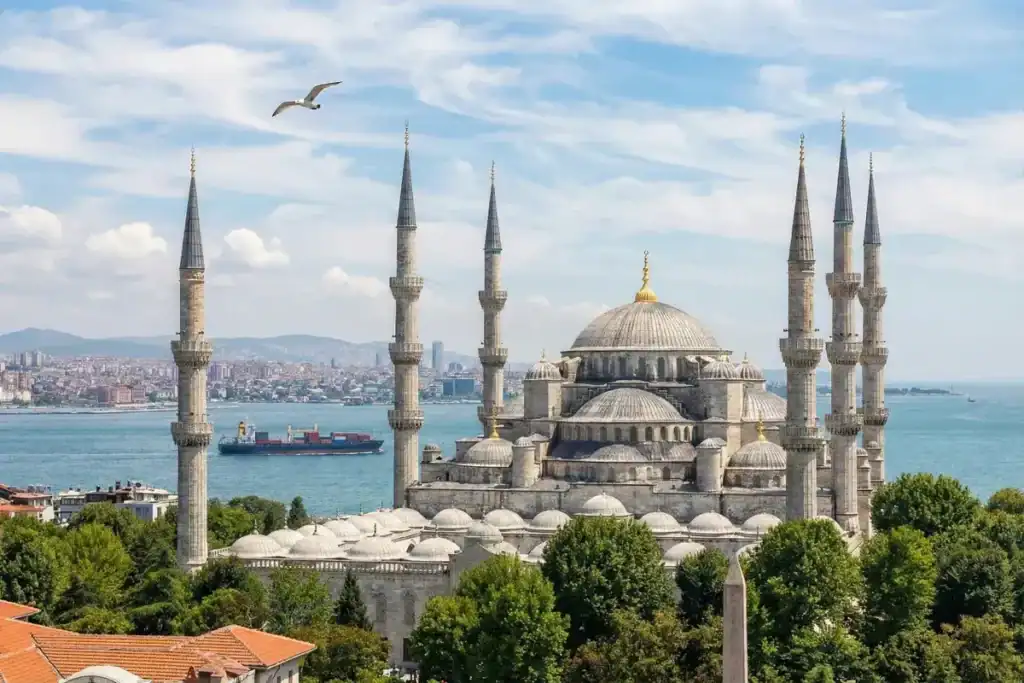
The Level 4 zones, and why they rarely affect an itinerary
Sirnak and Hakkari are mountainous provinces in the far southeast, bordering Iraq. The 10 km Syrian border strip runs along provinces like Hatay, Kilis, Gaziantep, and Sanliurfa. None of these are on standard tour routes, and no reputable operator builds a classic Turkey itinerary through them.
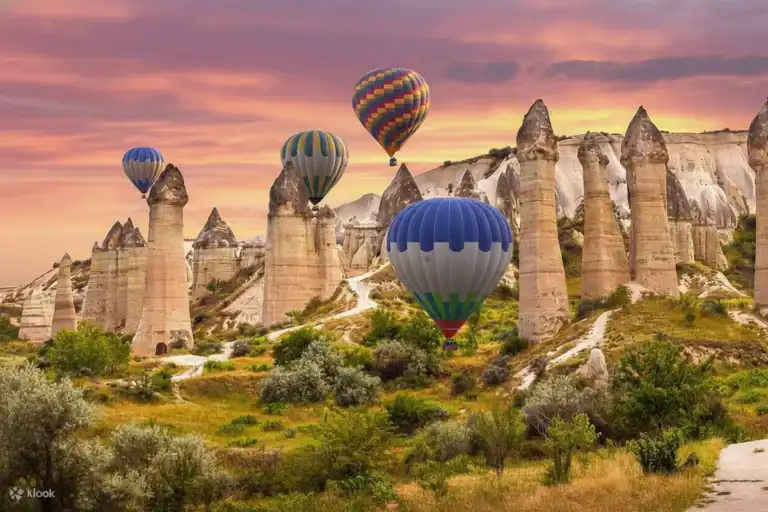
For scale: Cappadocia sits roughly 500 km northwest of the Syrian border. Istanbul is over 1,000 km away. A traveler flying Istanbul–Kayseri–Izmir on a standard 10-day Best of Turkey route never comes close.
The one place this genuinely matters is Gobeklitepe near Sanliurfa. The site itself sits well outside the restricted 10 km strip, but the province borders Syria, so travelers heading there should check the advisory’s exact wording and confirm the route with their operator rather than assuming. We cover the broader regional picture in our guide to whether there’s a risk of war in Turkey.
Laws that catch American travelers off guard
Most problems foreigners run into in Turkey aren’t security incidents — they’re legal ones nobody warned them about.
Insulting the state, the flag, or the president is a criminal offense. Article 299 of the Turkish penal code has been used against foreigners for social media posts. This isn’t theoretical. Avoid posting political commentary about Turkey while you’re in the country, and don’t share content about designated organizations, even critically or ironically.
Antiquities are heavily protected. Picking up a stone fragment at Ephesus or buying an unprovenanced “ancient” coin at a bazaar can result in arrest at the airport. Turkish customs takes cultural property seriously. If a shop can’t produce an export certificate for an item that looks old, don’t buy it.
Drones require permits. Flying a drone over Cappadocia’s valleys or coastal ruins without registration and authorization can mean confiscation and a fine. Many travelers assume the open landscape means open airspace. It doesn’t.
Photographing military or police installations is prohibited. This includes checkpoints, some government buildings, and border areas.
Pro Tip
Enroll in the State Department’s STEP program before you fly. It takes five minutes, and it means the U.S. Embassy in Ankara and consulate in Istanbul can reach you directly if a strike, weather event, or security alert affects your route. It also gives your family a contact channel that doesn’t depend on your phone working. Pair it with a photo of your passport data page stored offline on your phone — Turkish hotels are required to register your passport at check-in, and having a backup speeds things up.
Demonstrations, and the practical rule for city days
Political demonstrations happen in Istanbul, Ankara, and Izmir, most often around Taksim Square, Istiklal Avenue, and university districts. Turkish law prohibits foreigners from participating in political gatherings, and police response can escalate quickly. The rule is simple: if you see a crowd forming with banners or a heavy police presence, walk the other way and take a different route.
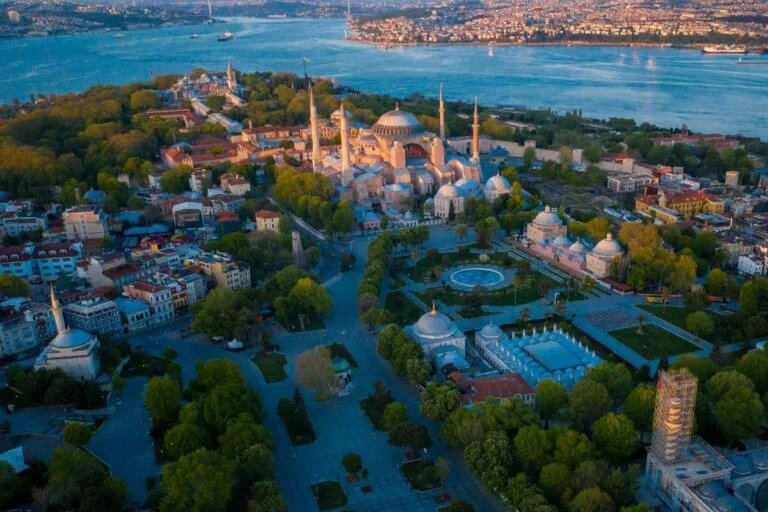
Practically, this rarely disrupts a trip. Demonstrations tend to be localized and announced in advance. Sultanahmet, where Hagia Sophia, the Topkapi Palace, and the Basilica Cistern sit within a few blocks of each other, is not a typical protest zone. A guided day handles this automatically — guides monitor closures and reroute without the traveler noticing.
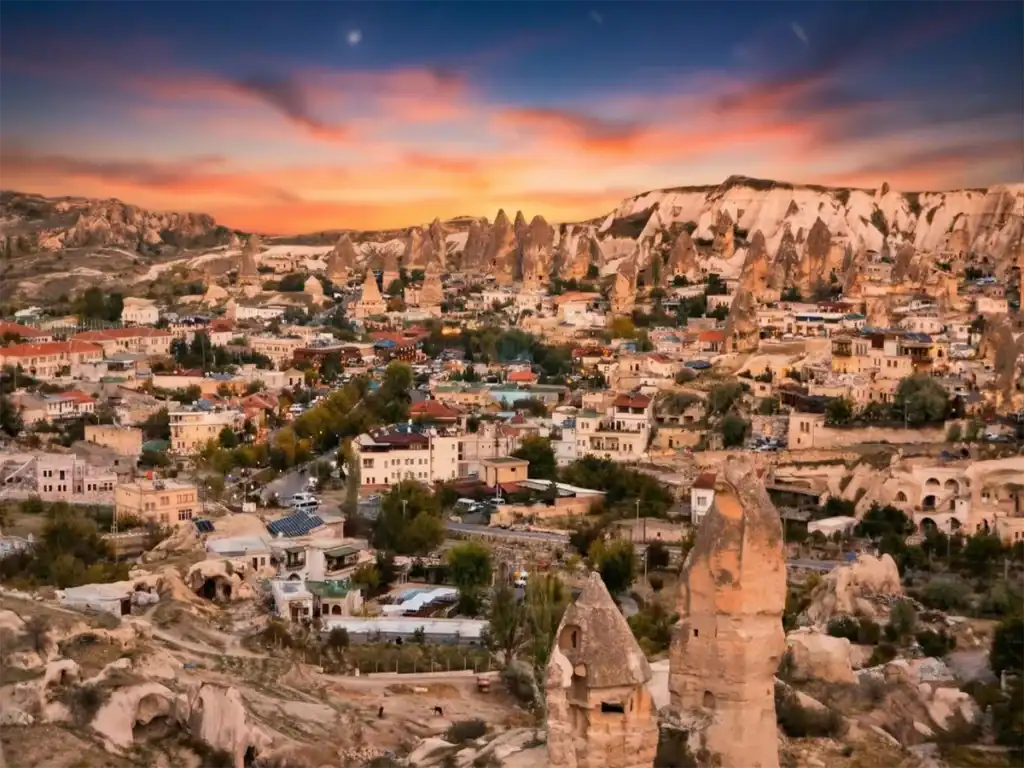
Earthquakes: a real consideration, not a reason to cancel
Turkey sits on active fault lines, and the February 2023 earthquakes in the southeast were devastating. Istanbul is also in a seismic zone, and the possibility of a significant Marmara earthquake is discussed openly by Turkish authorities.
What this means for a two-week visit: the statistical probability of experiencing a major earthquake during your specific trip is very low, but preparation costs nothing. When you check into a hotel, note the emergency exits. Newer hotels built to post-2000 codes are structurally stronger than older buildings. Keep shoes and a phone charger near the bed. That’s the entire practical checklist.
Turkey’s tourism regions — the Aegean coast, Cappadocia, the Mediterranean — all have functioning emergency services and hospital networks. Travel insurance that covers medical evacuation is worth carrying anyway.
Petty crime and the scams worth knowing
Violent crime against tourists is uncommon. Pickpocketing on crowded trams, in the Grand Bazaar, and around Eminonu ferry docks is the more realistic risk. Keep your wallet in a front pocket and don’t set a phone on a restaurant table facing the street.
Two scams recur often enough to name. The first is the shoeshine drop — a man drops a brush, you pick it up, he insists on shining your shoes and then demands a high price. Just keep walking. The second is the nightclub setup, where a friendly stranger invites a solo male traveler to a bar and the bill arrives at several hundred dollars with intimidation attached. Decline invitations from strangers to specific venues.
Taxi overcharging in Istanbul is a persistent annoyance rather than a danger. Use the BiTaksi app or arrange transfers in advance. For solo travelers weighing city-by-city comfort, our overview of the safest destinations for solo women in Turkey breaks down which bases work best.
How to plan around the advisory instead of worrying about it
The advisory is a planning document, not a verdict. Three decisions do most of the work:
Pick a route that stays in established regions. Istanbul, Cappadocia, Ephesus, Pamukkale, and Antalya form the backbone of nearly every well-designed itinerary — a 7-day Turkey tour covering these four areas keeps you entirely in Level 2 territory with strong infrastructure at every stop.
Fly the long legs. Turkey is larger than Texas. Domestic flights between Istanbul, Kayseri, Izmir, and Antalya cut long overland stretches and reduce road time, which is a bigger real-world risk than anything in the advisory.
Check the advisory yourself, close to departure. Advisory wording changes. Read the current version at travel.state.gov within a week of your flight rather than relying on an article — including this one — as the final word.
Travelers comparing regional options may also want our side-by-side look at whether Turkey or Egypt is safer, which applies the same reading method to a second destination.
If you’d like help building an itinerary that stays on well-supported routes with transfers, guides, and domestic flights handled, tell us your dates and interests through our trip planning form, or browse the full range of Turkey tours to see how the standard routes fit together.